El agente secreto: más que un thriller, casi un milagro
Versión en Español
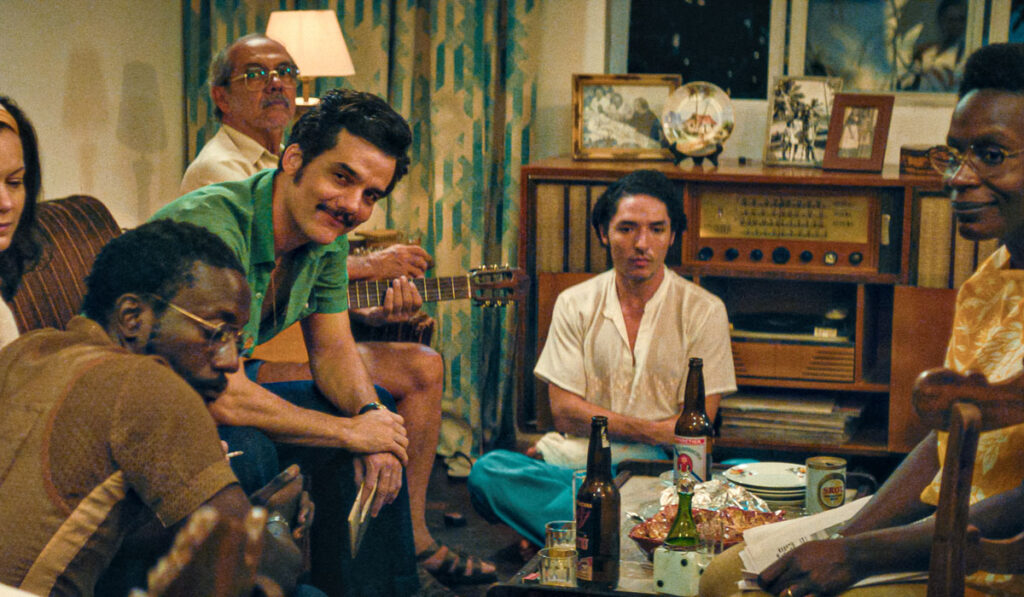
La película "El agente secreto" de Kleber Mendonça Filho es una obra que trasciende las clasificaciones convencionales. Más que un mero thriller de espías, un drama de época ambientado en la dictadura brasileña de Castelo Branco (sin necesidad de nombrarla), o la historia de una familia separada, es una experiencia cinematográfica que apela a todos los sentidos. Los cadáveres despiden olores y atraen animales; la frialdad de una pierna amputada se siente al ser extraída de un tiburón muerto; y las tonalidades de los paisajes, vehículos y vestimentas evocan el pasado de forma más vívida que cualquier referencia temporal explícita.
El tono distintivo de "El agente secreto" se establece desde su secuencia inicial en una gasolinera apartada. Allí, la tensión es palpable: un cuerpo podría ser devorado, un individuo discreto arrestado, pero nada de ello ocurre de forma directa. Aparentemente, es el azar quien rige. A medida que la trama se desarrolla, un enmarañado grupo de personajes, unidos por su oposición al poder o por su servicio corrupto al mismo, está siempre a punto de ver sus destinos alterados. Progresivamente, y siempre con una sutileza que evita lo obvio, el espectador desentrañará sus relaciones y, solo en la fase final del film, las tensiones latentes culminarán, revelando sus verdaderas identidades, motivos y deudas. De algunos personajes secundarios, incluso, nunca llegaremos a conocer su nombre real, reflejo de un entramado de resistencia y clandestinidad bajo la dictadura donde la información fiable escasea.
Lo íntimo se entrelaza con discreción en este submundo silencioso pero brutal: una joven esposa ha fallecido, un niño anhela a su padre ausente, abuelos son vigilados, y otros vigilados comparten techo y se protegen mutuamente. Esta intrincada red se expande ante el espectador de manera hipnótica, hábilmente tejida pero nunca del todo cerrada. Mendonça Filho parece más interesado en perfilar a cada personaje con trazos finos, introduciendo incluso toques de realismo mágico (como un gato de doble cara y nombre o una extremidad con aparente vida propia), que en proporcionar datos concluyentes que, si bien cerrarían su historia, no la enriquecerían. De hecho, no los necesitamos.
Wagner Moura, con su enigmática presencia, es la figura que conecta a todos los demás personajes. Su protagonismo radica más en ser el hilo conductor de una sociedad entera corrompida que en encarnar a un héroe central de la trama. El director subraya en varias ocasiones que lo publicado en los periódicos es apenas la punta de un enorme iceberg, el indicio de una realidad mucho más compleja y oculta.
El gran acierto de Mendonça ha sido, sin duda, la capacidad de hacer que no solo las secuencias de acción sean táctiles y emocionantes, sino también las escenas de aparente calma. Transmite al espectador la polvareda, la humedad, la putrefacción y el miedo inherentes a ese período. Su aproximación a este momento político es radicalmente diferente, menos explícita y mucho más lúdica que la de, por ejemplo, Walter Salles en "Aún estoy aquí". Sin embargo, en su esencia, "El agente secreto" también porta una profunda memoria y denuncia, sin que estas sean su única razón de ser.
English Version
Kleber Mendonça Filho's film "The Secret Agent" is a work that transcends conventional classifications. More than a mere spy thriller, a period drama set during Brazil's Castelo Branco dictatorship (without explicitly naming it), or the story of a forcibly separated family, it is a cinematic experience that appeals to all senses. Corpses emit odors and attract animals; the coldness of an amputated leg is felt as it's extracted from a dead shark; and the hues of landscapes, vehicles, and clothing evoke the past more vividly than any explicit temporal references.
The distinctive tone of "The Secret Agent" is established from its opening sequence at a secluded gas station. There, tension is palpable: a body might be devoured, a discreet individual arrested, but none of this occurs directly. Apparently, it is chance that governs. As the plot develops, an intricate web of characters, united by their opposition to power or their corrupt service to it, is always on the verge of having their fates altered. Progressively, and always with a subtlety that avoids the obvious, the viewer will unravel their relationships, and only in the final stage of the film will the latent tensions culminate, revealing their true identities, motives, and debts. Of some secondary characters, we may never even learn their real names, reflecting a network of resistance and clandestinity under the dictatorship where reliable information is scarce.
The intimate intertwines discreetly within this silent yet brutal underworld: a young wife has died, a child longs for his absent father, grandparents are under surveillance, and others under surveillance share a roof and protect each other. This intricate network expands before the viewer hypnotically, skillfully woven yet never fully closed. Mendonça Filho seems more interested in sketching each character with fine strokes, even introducing touches of magical realism (like a two-faced, two-named cat or a limb with apparent life of its own), than in providing conclusive data that, while closing their story, would not enrich it. In fact, we don't need them.
Wagner Moura, with his enigmatic presence, is the figure who connects all the other characters. His prominence lies more in being the thread that links an entire corrupted society than in embodying a central hero of the plot. The director repeatedly emphasizes that what is published in newspapers is merely the tip of a vast iceberg, an indication of a much more complex and hidden reality.
Mendonça's great success has undoubtedly been the ability to make not only the action sequences but also the seemingly calm scenes tactile and emotionally resonant. He successfully conveys to the viewer the dust, humidity, putrefaction, and fear inherent in that period. His approach to this political moment is radically different, less explicit and much more playful than, for example, Walter Salles's "Still Here." However, in its essence, "The Secret Agent" also carries a profound memory and critique, without these being its sole raison d'être.
Fresh materials — Culture News
Isabel I y Juana I, reinas de Castilla: historia y mito
Isabel I y Juana I, madre e hija y soberanas de Castilla, representan trayectorias notablemente distintas en su interacción con el poder real. Isabel ascendió al trono en un período de grandes desafíos y gobernó con una determinación transformadora. Impulsó la unificación religiosa, la expa
Job Opening: Head of Education at Artium Museoa, Vitoria
Artium Museoa, located in Vitoria, is currently seeking a dedicated and experienced Head of Education to join its team. Reporting directly to the Chief Curator and the Museum Director, the Head of Education will be responsible for proposing, designing, producing, and successfully im
Tabakalera & Chillida Leku Artist Residency 2026: Art & Landscape Open Call
Tabakalera and Chillida Leku are pleased to announce the call for their 'Art and Landscape 2026' artist residency program. This initiative aims to foster artistic creation and research at the dynamic intersection of contemporary art, public space, and the natural landscape. This residency
Head of Exhibitions at Museo Reina Sofía
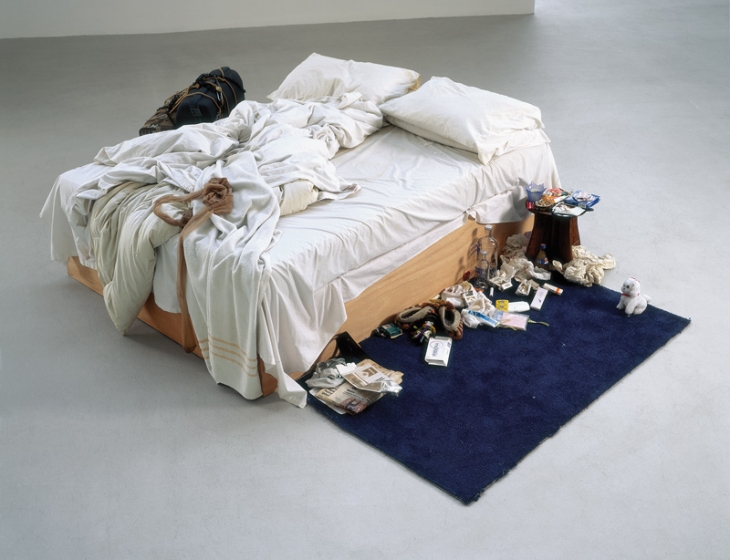
The Museo Nacional Centro de Arte Reina Sofía (MNCARS) has launched an open recruitment process for a permanent Head of Exhibitions position. This staff role, which falls outside the scope of collective bargaining agreements, is directly attached to the Artistic Sub-directorate. The selection
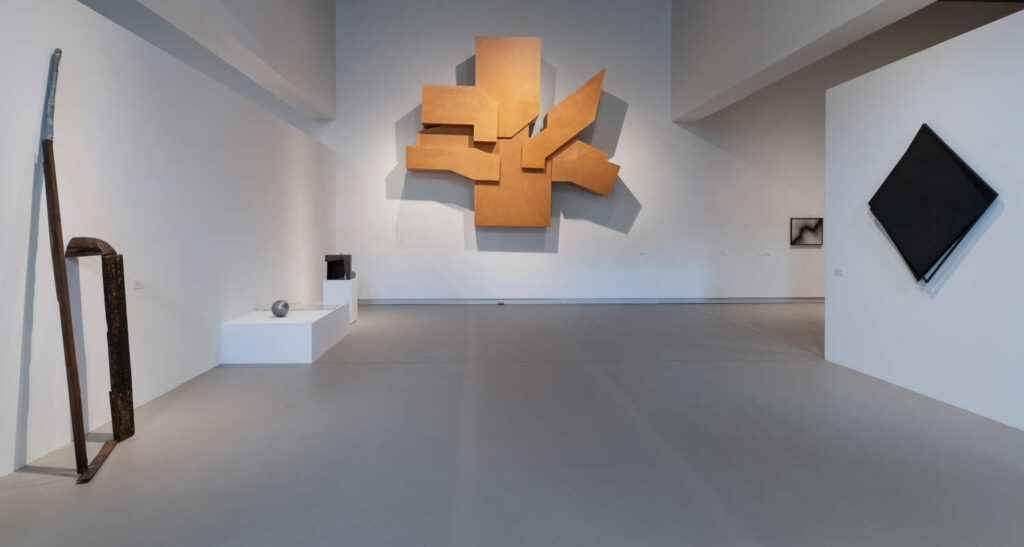
Miroslaw Balka's "The Forgotten"
The Elba Benítez Gallery is currently hosting an exhibition of new works by Miroslaw Balka, titled "The Forgotten," which will run until May 8, 2026. The show primarily features sculptures and drawings that explore themes of memory and oblivion from personal, social, and archetypal perspectives
Rose Wylie: Image Over Subject Matter
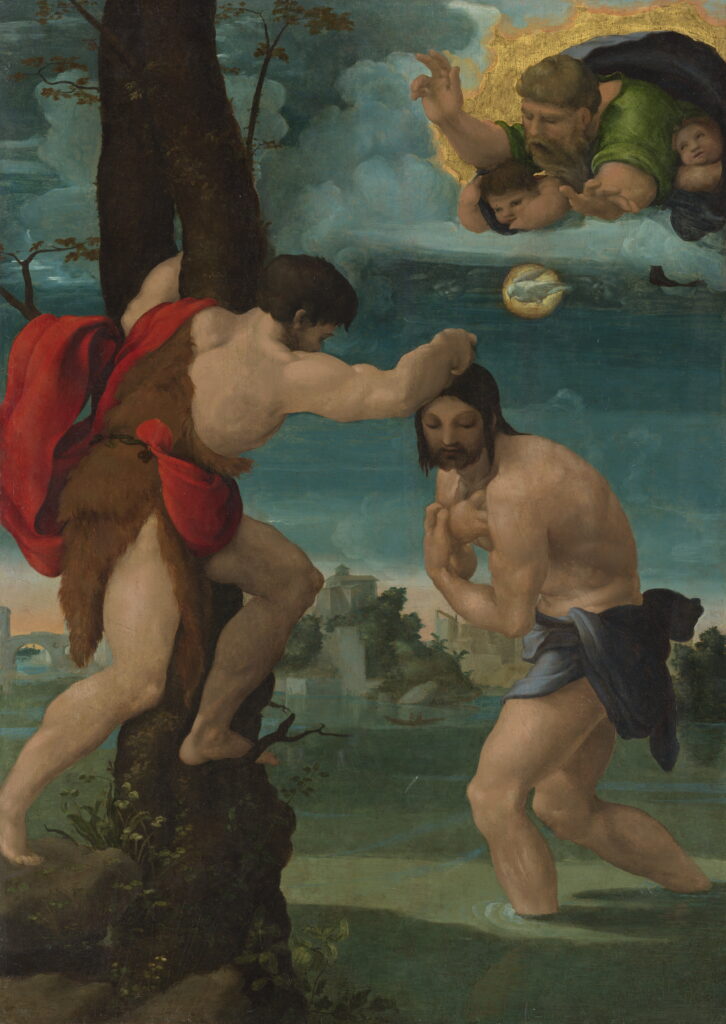
The Royal Academy of Arts in London is currently hosting the most extensive retrospective to date of British artist and Royal Academician, Rose Wylie. The exhibition runs until April 19th. Celebrated for her bold figurative style, which draws inspiration from art history, ancient civiliza