Female Mysticism in the Middle Ages
Female mysticism in the Middle Ages is a captivating phenomenon that highlights a profound link between spirituality, gender, and personal expression. During this era, the direct experience of God was frequently attributed to women, as femininity was commonly associated with emotion, feelings, and autobiographical narratives. This contrasted sharply with the male role, which was traditionally more aligned with theological study and scholarly speculation.
A pivotal forerunner of this tradition was Hildegard von Bingen in the 12th century, whose visionary experiences paved the way for future developments. However, it was in the 13th century that female mystical writing underwent significant expansion, leading to what has been termed a "vernacular theology." Mystics of this century opted to write in their native languages—such as Dutch, Umbrian, German, or English—finding them more suitable than Latin for articulating a spiritual journey where amorous feeling played a central role. This particular mysticism was characterized by being more epithalamic (focused on the union with God as a marital bond) than speculative, suggesting that divine knowledge was attained through love. Interestingly, scholars have observed mutual influences and parallels between profane love (as seen in troubadour lyricism, Stilnovismo, and courtly romances) and divine love, underscoring the richness of this spiritual expression.
Ultimately, figures like Julian of Norwich, flourishing from the 14th to 15th centuries, represent the culmination of this tradition, embodying a mysticism deeply rooted in the aesthetics and spiritual ethos of the Gothic period.
Mística Femenina en la Edad Media (Texto Reescrito)
La mística femenina en la Edad Media es un fenómeno cautivador que pone de manifiesto una profunda conexión entre la espiritualidad, el género y la expresión personal. Durante esta época, la experiencia directa de Dios se atribuía frecuentemente a las mujeres, pues la feminidad se asociaba comúnmente con la emoción, los sentimientos y las narrativas autobiográficas. Esto contrastaba marcadamente con el rol masculino, tradicionalmente más ligado al estudio teológico y la especulación académica.
Una precursora fundamental de esta tradición fue Hildegard von Bingen en el siglo XII, cuyas experiencias visionarias abrieron el camino para desarrollos futuros. Sin embargo, fue en el siglo XIII cuando la escritura mística femenina experimentó una expansión significativa, dando lugar a lo que se ha denominado una "teología en lengua vernácula". Las místicas de este siglo optaron por escribir en sus lenguas maternas —como el neerlandés, umbro, alemán o inglés—, considerándolas más adecuadas que el latín para articular un viaje espiritual donde el sentimiento amoroso desempeñaba un papel central. Esta mística particular se caracterizó por ser más epitalámica (centrada en la unión con Dios como un vínculo matrimonial) que especulativa, sugiriendo que el conocimiento divino se alcanzaba a través del amor. Curiosamente, los estudiosos han observado influencias mutuas y paralelismos entre el amor profano (como se ve en la lírica trovadoresca, el Stilnovismo y los romances corteses) y el amor divino, lo que subraya la riqueza de esta expresión espiritual.
Finalmente, figuras como Juliana de Norwich, que florecieron entre los siglos XIV y XV, representan la culminación de esta tradición, encarnando una mística profundamente arraigada en la estética y el ethos espiritual del período gótico.
Fresh materials — Culture News
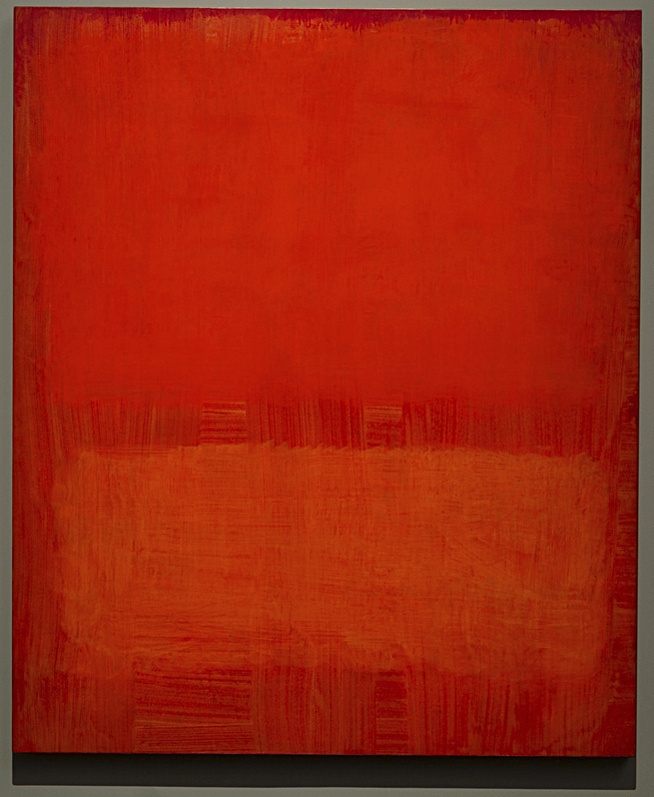
Isabel I y Juana I, reinas de Castilla: historia y mito
Isabel I y Juana I, madre e hija y soberanas de Castilla, representan trayectorias notablemente distintas en su interacción con el poder real. Isabel ascendió al trono en un período de grandes desafíos y gobernó con una determinación transformadora. Impulsó la unificación religiosa, la expa

Job Opening: Head of Education at Artium Museoa, Vitoria
Artium Museoa, located in Vitoria, is currently seeking a dedicated and experienced Head of Education to join its team. Reporting directly to the Chief Curator and the Museum Director, the Head of Education will be responsible for proposing, designing, producing, and successfully im
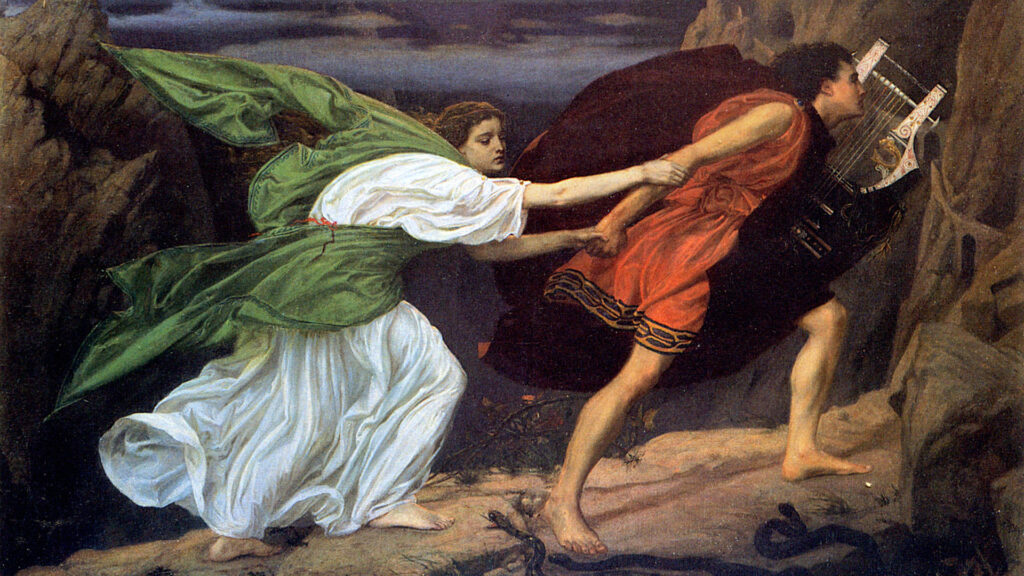
Tabakalera & Chillida Leku Artist Residency 2026: Art & Landscape Open Call
Tabakalera and Chillida Leku are pleased to announce the call for their 'Art and Landscape 2026' artist residency program. This initiative aims to foster artistic creation and research at the dynamic intersection of contemporary art, public space, and the natural landscape. This residency
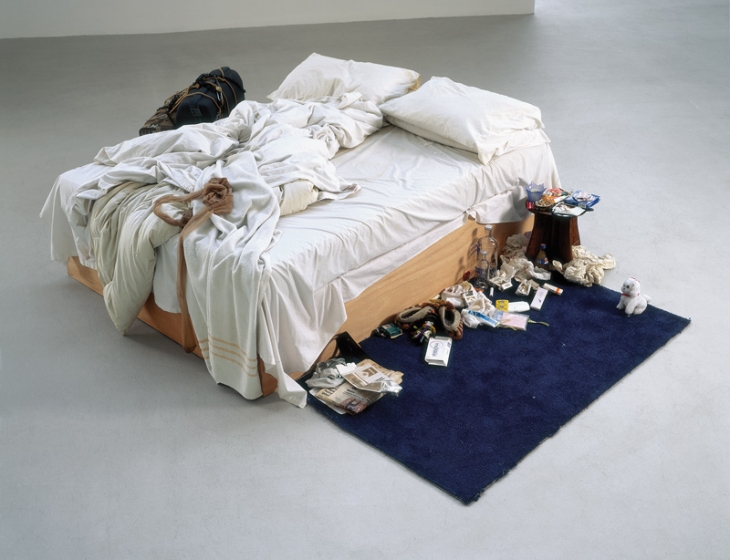
Head of Exhibitions at Museo Reina Sofía
The Museo Nacional Centro de Arte Reina Sofía (MNCARS) has launched an open recruitment process for a permanent Head of Exhibitions position. This staff role, which falls outside the scope of collective bargaining agreements, is directly attached to the Artistic Sub-directorate. The selection
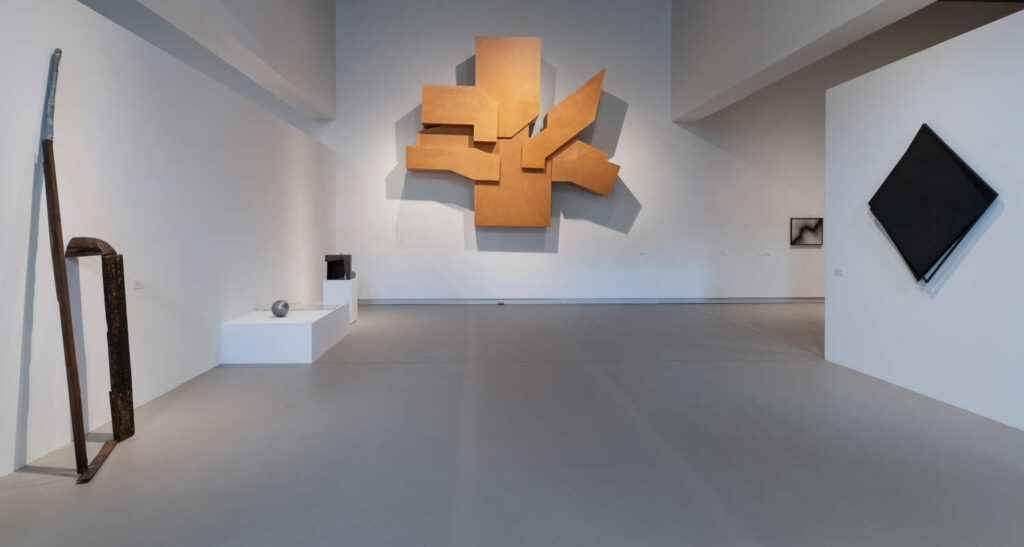
Miroslaw Balka's "The Forgotten"
The Elba Benítez Gallery is currently hosting an exhibition of new works by Miroslaw Balka, titled "The Forgotten," which will run until May 8, 2026. The show primarily features sculptures and drawings that explore themes of memory and oblivion from personal, social, and archetypal perspectives
Rose Wylie: Image Over Subject Matter
The Royal Academy of Arts in London is currently hosting the most extensive retrospective to date of British artist and Royal Academician, Rose Wylie. The exhibition runs until April 19th. Celebrated for her bold figurative style, which draws inspiration from art history, ancient civiliza