Bundestrainer: Klopp's Debut in a League He Called the 'Most Pointless' in World Football
The UEFA Nations League faced criticism from German football leaders years before its first match. Joachim Löw, then head coach, worried it would reduce opportunities for friendly games against strong opponents. Reinhard Rauball, the DFL president, predicted "unacceptable burdens." Meanwhile, the Borussia Dortmund coach at the time sarcastically noted that the team's personnel hadn't been consulted on the new competition.
Four and a half years later, in October 2018, the then-BVB and now-Liverpool manager reiterated his opposition to the UEFA project during a press conference. Jürgen Klopp expressed his disdain by repeatedly calling it the "Nations Cup" and didn't hold back in stating his opinion: he declared the new venture "the most pointless competition in world football," with the certainty of someone delivering a scientific verdict.
What bothered Liverpool's coach eight years ago about the Nations League was the loss of his ability to negotiate with national coaches during friendly matches to rest his heavily burdened players. His colleagues, however, told him it wasn't possible: "I'm under pressure myself. There's this Nations League now."
Jürgen Klopp was naturally aware of the irony of this backstory for his debut as national coach when he presented the squad for his first international fixtures last week. "You learn relatively quickly from 'I don't think the Nations League is great' to 'I love the Nations League'," he explained his conversion from skeptic to believer. "I'm simply glad we're here now, that we're playing," he stated, adding that he prefers "it to be about something."
While Joachim Löw had slightly softened his skepticism by 2018 when the new series began, a full season passed before he was ready to see the Nations League as a relevant competition. Under Löw's stewardship, Germany would have been relegated from the elite class of nations had UEFA not suddenly changed the system. It was only under Julian Nagelsmann in 2024 that his team resolutely progressed to the knockout and then the final round.
Even though he has revised his earlier view, Klopp hasn't forgotten his concerns from his time as Liverpool's coach. The extended squad for the four international matches serves not only as an opportunity to assess as many players as possible. It also reflects consideration for the needs of his fellow club coaches. However, Klopp hasn't yet figured out how the Nations League results might impact qualification for the European Championship. He mentioned that this still needs to be "explained to him definitively." He was, however, "pointed in the right direction. Ideally, we play well, I've understood that," Klopp said.
His national team will reach the playoffs next spring if they finish first or second in their group after playing home and away against the Netherlands, Greece, and Serbia. For now, he doesn't need to know more; he has certainly set the right intention. "We want to win all four games," Klopp declared, making the statement sound self-evident.
UEFA's schedule makers didn't offer him an easy start for his debut: Jürgen Klopp categorized the Netherlands, his first opponent, as "rock-hard." Löw also traveled to Amsterdam for his debut in the new competition. There, the national team suffered a rather embarrassing 0-3 defeat, with Virgil van Dijk of Liverpool named man of the match. On Wednesday, van Dijk welcomed his former club coach with ambiguous greetings: "I'm looking forward to meeting him," he said, "but I hope we can ensure he loses his first game as national coach."
Fresh materials — General News

Putin's Unwavering Stance: No Concessions in Ukraine Conflict
US envoy Witkoff met with the Kremlin leader. However, regardless of American proposals, Moscow remains unwilling to engage in anything that does not serve its own interests.

Ukraine Conflict: Kremlin Open to Talks with US and Ukraine
President Putin has committed to new negotiations with the US and Ukraine, according to Kremlin advisor Ushakov. These discussions could commence as early as November. The commitment was reportedly made to US envoy Witkoff.

Bundeswehr: Wer den Wehrdienst-Fragebogen ignoriert, muss jetzt zahlen
Die Bundeswehr verzeichnet Wachstum, doch Tausende junger Männer reagieren nicht auf den Fragebogen zum neuen Wehrdienst. Dies hat nun Konsequenzen. Gleichzeitig steigt die Zahl der vorsorglichen Kriegsdienstverweigerer deutlich an. Bundeswehr: Ignoring the Conscription Questionnair
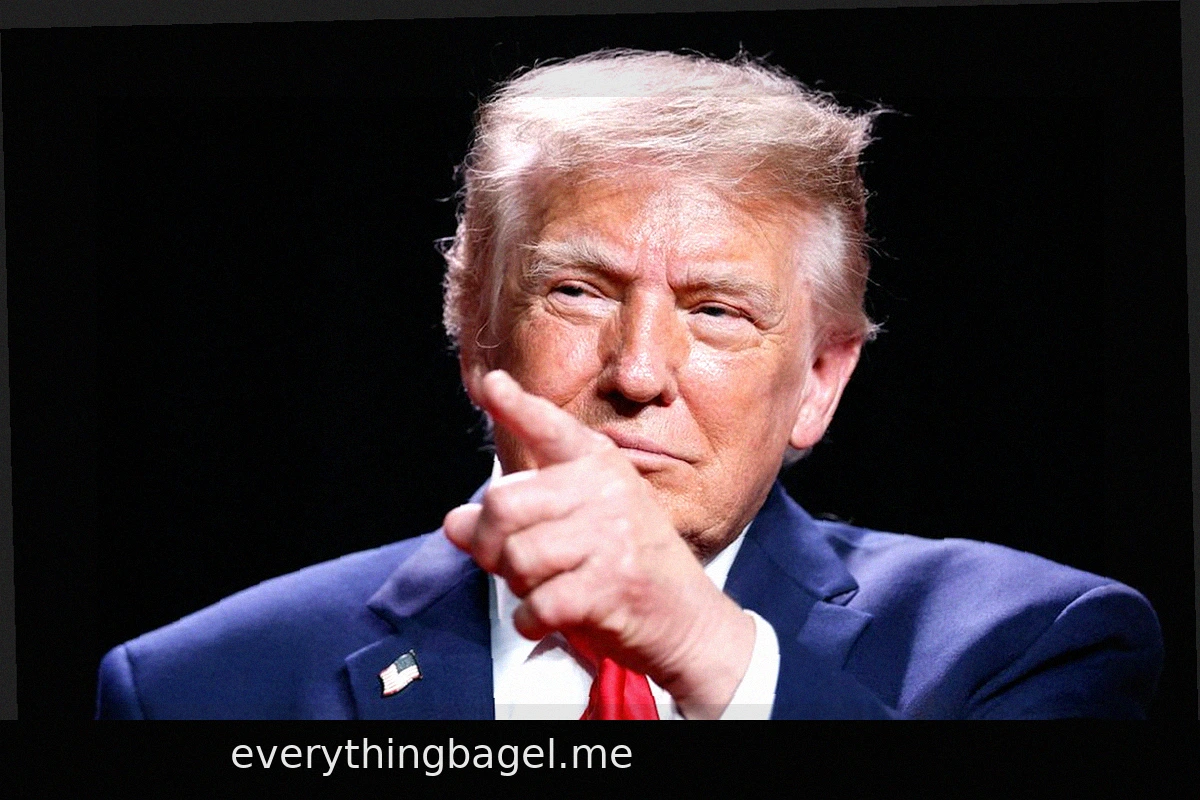
Democrats Sue Trump Over Campaign Financing
The U.S. President is positioning himself as an anti-communist bulwark ahead of the midterm elections. The opposition accuses him of using taxpayer money for this campaign. Developments as of [Date - inferred from context, but not explicitly stated in original].
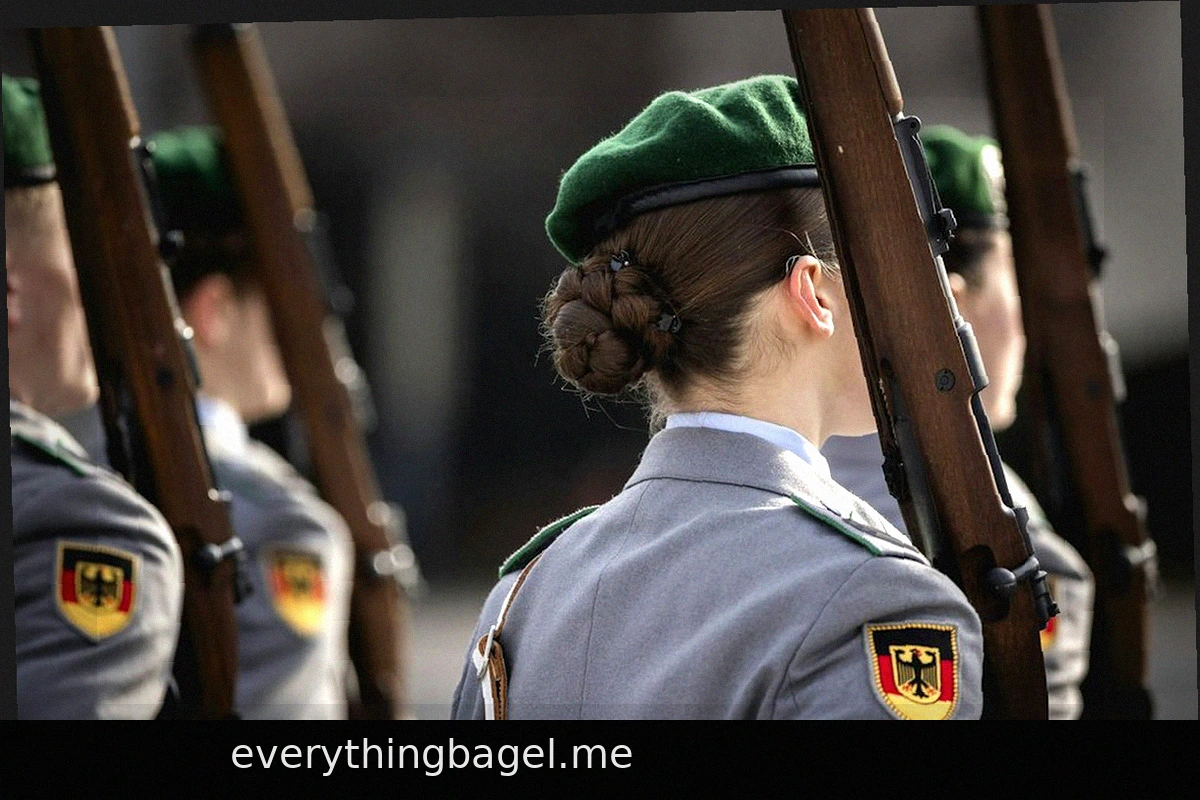
Bundeswehr Confronts Sexual Misconduct: "Unacceptable Incidents"
Reports of sexual misconduct within the German Federal Armed Forces (Bundeswehr) are growing, prompting parliamentary attention. The Ministry of Defense is developing an action plan to support victims. A key initiative involves creating an independent psychological counseling service, separate

Munich's Housing Crisis: Can the City Afford New Construction?
Munich is experiencing a severe housing shortage. While there's a strong political will to build more homes, the city's strained budget is raising questions about its capacity to fund new housing developments. This issue is currently under discussion among senior members of the city council coa