"The Diplomats": ZDF Documentary Explores German Foreign Policy in a Tumultuous World
The global order is undergoing a profound transformation: power politics increasingly overshadows diplomatic reason, international rules, and international law appear fragile. Under US President Donald Trump, the principle of the stronger gained new prominence. Amidst these rapid changes, diplomacy struggles to keep dialogues open, foster relationships, and de-escalate tensions. The central question is how to effectively navigate these new global realities.
To mark the 75th anniversary of the re-establishment of the German Federal Foreign Office, ZDF is broadcasting a four-part documentary series titled "The Diplomats." The series offers a rare glimpse into the world of German diplomacy, following not only leading CDU foreign policy expert Johann Wadephul but also a diverse range of Foreign Office staff.
The documentary vividly illustrates the enormous apparatus behind diplomatic efforts: the Foreign Office employs over 13,600 people, with approximately 3,100 based at its Berlin headquarters and more than 3,200 serving in 225 German missions worldwide. Rather than attempting to map the entire complex system, ZDF focuses on individual experiences, making this otherwise abstract institution more tangible and relatable.
Where Foreign Policy Becomes a Test of Patience
For over a year, the filmmakers had the unique opportunity to accompany Foreign Office employees. The documentary takes its time to explore the intricate challenges of diplomacy in an ever-evolving world. From its opening minutes, the series plunges the audience into one of the most tense areas of German foreign policy: transatlantic relations under US President Trump. The first episode, aptly titled "Acid Tests," follows Jens Hanefeld, who became ambassador to the USA in summer 2025 (as stated in the original article), as he meets the German Foreign Minister at the UN General Assembly in New York. Their brief exchange subtly hints that sensitive issues are negotiated behind closed doors.
The series also travels to Syria, where special envoy Stefan Schneck is overseeing the reconstruction of the German embassy following the fall of Bashar al-Assad. In the Foreign Office's Crisis Response Center, the camera follows its head, Manja Kliese. The episode reflects on the twelve-day conflict between Israel and Iran last year and touches upon the current tensions involving Israel, the USA, and Iran. This immediate relevance also highlights the documentary's sole vulnerability: its content could quickly be overtaken by new world events.
The series effectively showcases the multifaceted nature of diplomatic work: from Ambassador Andreas Prothmann symbolically planting a seedling in Fiji as a statement against climate change, to managing unforeseen problems like translation issues halting a delegation trip in Singapore. A notable scene in Berlin depicts Annalena Baerbock symbolically handing over her office to Johann Wadephul. The documentary also delves into the family life of diplomat Muriel Bösing in Rwanda, underscoring the common reality for diplomatic families who relocate to a new country every few years.
Directed by Fabian Herriger and Marisa Uphoff, the documentary calmly demonstrates that diplomacy extends beyond high-level negotiations to include symbolic gestures, crisis management, and meticulous political observation. The series offers more than just a behind-the-scenes look; it is a valuable portrait of a profession that often remains invisible to the public yet plays a crucial role in our increasingly turbulent world.
Fresh materials — General News
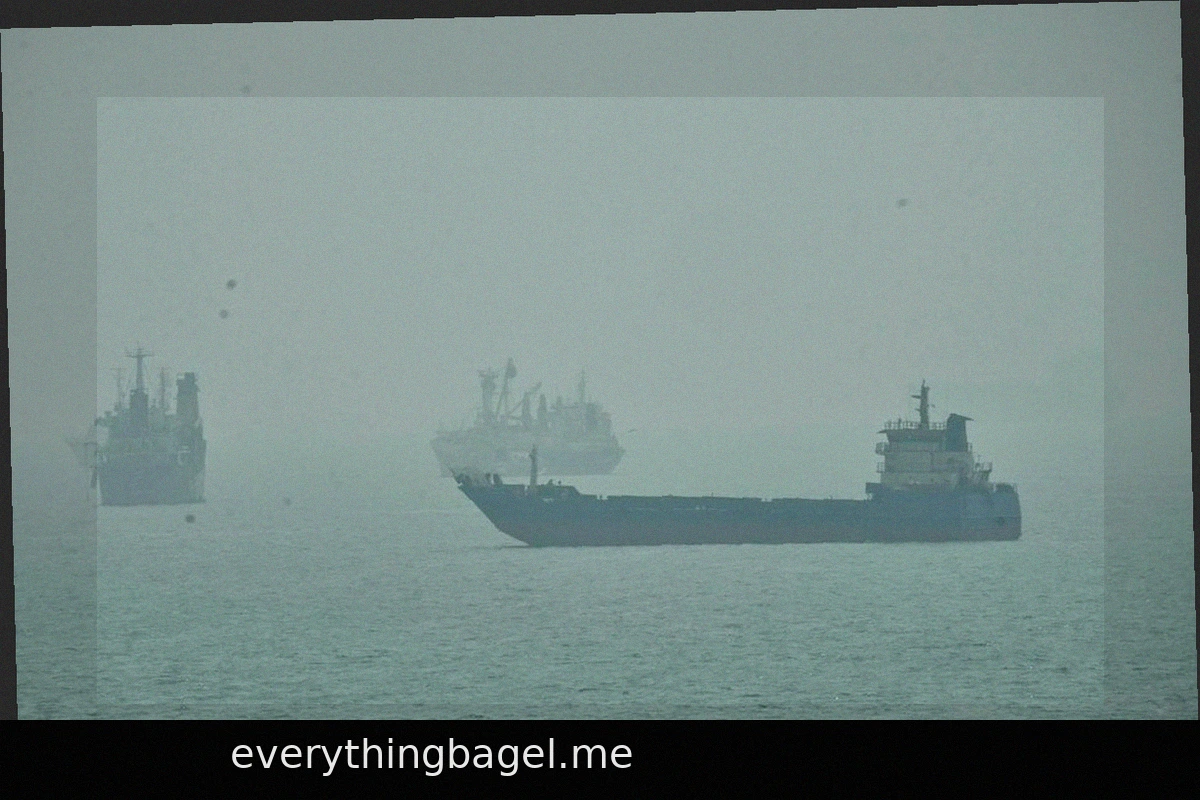
Tanker Fire in Strait of Hormuz Amid Iran-US Tensions; US Disputes Mine Impact
Updated: September 14, 2026 An oil tanker reportedly caught fire in the Strait of Hormuz after colliding with a mine, according to Iran's Revolutionary Guard. The tanker, identified as the El Gaia, was navigating a southern route through the strait, which Iran
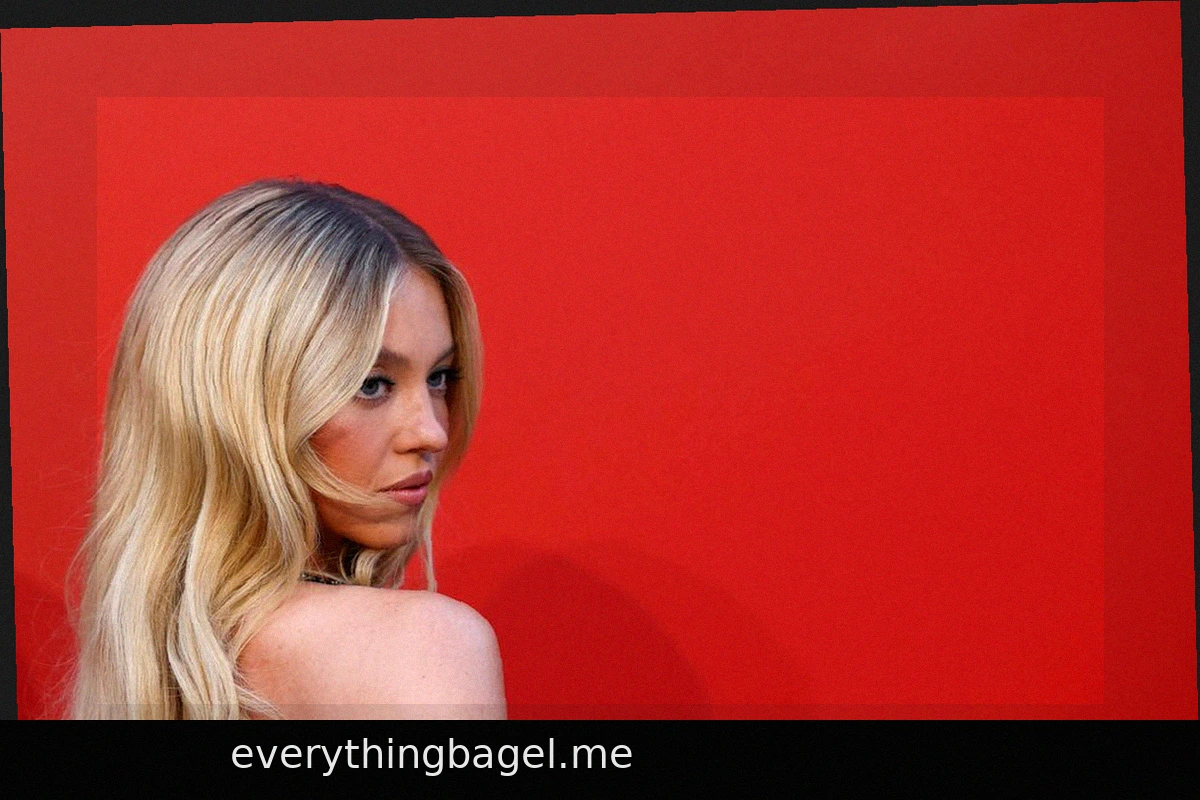
Sydney Sweeney: More Than Just Sports in New Campaign Controversy
Sydney Sweeney is once again at the center of controversy, this time over an advertising campaign. The betting company Novig uses the slogan "Just Sports" alongside images of Sweeney, with a baseball bat, basketball hoop, or football strategically placed to cover her nude body. In the accompany
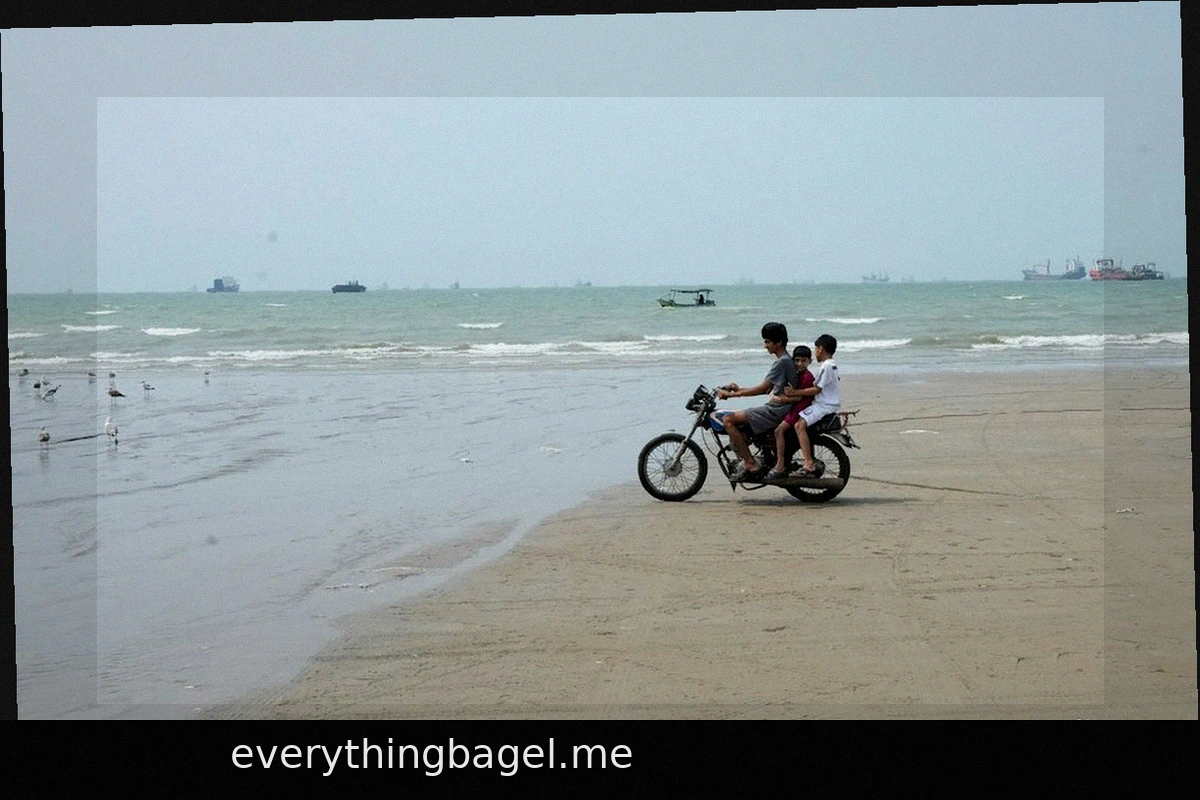
Iran-Oman Talks on Strait of Hormuz Postponed Amidst Middle East Tensions
A planned meeting between Iran and Oman regarding the Strait of Hormuz has been postponed. The Oman's Foreign Minister, Badr al-Busaidi, announced the delay, stating that the regional gathering in Salalah was postponed in the interest of achieving consensus. The origin

Germany Accused of Aiding Genocide at International Court
The concepts of "Germany" and "genocide," when mentioned together, immediately evoke memories of the Holocaust and Germany's culpability in unspeakable crimes. Nicaragua's Ambassador to the Netherlands, Carlos José Argüello Gómez, explicitly drew this historical parallel.

Gina H. Denies Ever Being at Fabian's Home During Rostock Trial
The defendant, Gina H., generally appeared composed while answering the prosecution's questions during the trial concerning the death of eight-year-old Fabian from Güstrow, Mecklenburg-Vorpommern. She became particularly emotional when describing a past relationship marked by alcohol

Renting vs. Owning: The Ongoing Debate Among Friends
Friends and acquaintances from all over Germany gathered in a northern city to celebrate a milestone birthday, the fortieth, with some having not seen the birthday person since their thirtieth. In the intervening years, these friends had moved cities, changed partners, some had aged, others