


For many years, the Nipah virus has been monitored by the World Health Organization (WHO) as a potential cause of a severe future pandemic, though the current risk of a widespread outbreak remains low. First identified in Malaysia at the end of the last century, it sporadically causes small epidemics, primarily in India and Bangladesh, but also in the Philippines and Singapore.
Origin and Animal Transmission
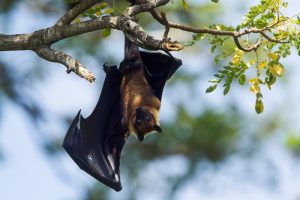
Large fruit bats of the Pteropus genus, commonly known as “flying foxes,” are the natural reservoir for the virus and can transport it over considerable distances. “Spillover” events, where the virus transmits from these animals to humans, often occur through contact with fruit or palm sap contaminated by bat excretions.
Human-to-Human Transmission and Pandemic Risk
The Nipah virus can transmit between people, though fortunately, this occurs with difficulty. Recent outbreaks, such as those near Kolkata (formerly Calcutta) in West Bengal, have primarily affected healthcare personnel who are more exposed to infected bodily fluids. Strict isolation measures implemented by Indian health authorities, alongside rigorous airport screenings in other Asian countries, have been crucial in containing these emergencies. However, the possibility that Nipah virus’s limited human-to-human transmission capacity could evolve over time cannot be ruled out. Such an evolution would significantly complicate the control of human infection outbreaks, especially since the infection can cause fatal encephalitis but often presents with mild respiratory symptoms or remains entirely asymptomatic. As observed during the COVID-19 pandemic, this asymptomatic or mild presentation greatly facilitates viral spread, whereas infections that consistently cause severe illness, like Ebola or SARS-1, are typically easier to contain.
Symptoms of Nipah Virus Infection
Symptoms of Nipah virus infection typically appear 3 to 14 days after exposure. The infection can be asymptomatic, cause mild respiratory issues akin to a common cold, or lead to a flu-like illness with fever, cough, and fatigue. More rarely, the virus can penetrate the central nervous system, causing encephalitis. This more severe form manifests with confusion, seizures, loss of consciousness, and coma, with a fatality rate estimated between 40% and 75%. These figures are approximate due to the small number of cases observed, the impact of limited intensive care facilities in affected countries, and the variable severity of the infection, which makes it challenging to accurately determine the total number of infections for calculating mortality rates.

Historical Outbreaks
During the 1998-1999 epidemic in Sungai Nipah, Malaysia (from which the virus derives its name), 265 cases and 108 deaths were recorded among pig farmers. Infected pigs themselves suffered severely, leading to the culling of over a million animals to control the spread. In the most recent outbreak, only two cases received laboratory confirmation, and the infection did not spread beyond the hospital walls.
Prevention and Treatment
Unfortunately, there are currently no specific antiviral treatments for Nipah virus infection; management is limited to supportive care necessary to overcome the critical phase. Regarding prevention, Phase 1 trials for a potential vaccine have recently been presented, showing promising results in terms of safety and immune response, but its eventual approval will take time. Therefore, prevention primarily relies on educating residents of at-risk areas and tourists. Key recommendations include avoiding contact with bats, refraining from consuming raw palm sap, thoroughly washing fruit, and discarding any fruit showing signs of bites.