Klimakrise: Als vor 56 Millionen Jahren die Bäume starben
US scientists have investigated what happens to trees when significant amounts of carbon dioxide are released into the atmosphere over a relatively short period. By analyzing fossilized leaves, they concluded that during a warm period approximately 56 million years ago, heat and drought caused forests to rapidly thin, leading to a predominantly brown landscape.
For their study, researchers examined fossilized leaves and modern leaves to determine how much light each leaf received, or conversely, how much shade existed at the tree's location. This study, conducted by a team including paleobotanist Regan Dunn from the Natural History Museum of Los Angeles County, was published in the journal Science.

The warm period studied occurred at the boundary of the Paleocene and Eocene epochs. It is believed to have been triggered by a significant increase in atmospheric CO₂ levels. Between 3,000 and 10,000 years, approximately 2,500 to 4,500 billion tons of carbon were released into the Earth's atmosphere and oceans. According to the study's authors, this event "led to massive disruptions of the carbon cycle, ocean acidification, and a rise in global average temperatures by five to nine degrees Celsius." The exact cause of the greenhouse gas release remains unclear, though massive volcanic eruptions are a possibility.
"We are releasing CO₂ into the atmosphere faster than any known natural process."
While the atmospheric CO₂ enrichment at that time was rapid, it was not as fast as it is today. "We are releasing CO₂ into the atmosphere faster than any known natural process," Dunn stated, according to a press release from her institution. Nevertheless, the temperature maximum from 56 million years ago offers the best opportunity to understand how Earth's climate and ecosystems respond to massive carbon input.
Researchers gained insights into the plant life of that era through leaf fossils found in the Hanna Basin of Wyoming, USA. The leaves, preserved within coal and other organic materials, were so well-preserved that scientists could determine the size of individual cells in the outer tissue layer, the epidermis.
This allowed them to reconstruct the light conditions of the time. Leaves in the shade have a different aspect ratio than leaves in the sun; they are longer. "This is the plant's response to shade: it elongates the leaf by stretching each individual cell," Dunn explained. The ratio of length to width therefore indicates how dense the forest canopy was during the plant's lifetime. Scientists determined the aspect ratio of modern tree leaves in relation to their forest canopy, developing a model that uses leaf cells to estimate forest density during the life of fossilized leaves. Additionally, researchers analyzed pollen and spore fossils.
The Historical Precedent Shows Where the Earth Could Be Heading
The analysis of the data revealed that the forest canopy rapidly thinned during the warming event 56 million years ago. Furthermore, vegetation shifted from angiosperms, primarily flowering plants, to gymnosperms, particularly ferns. Dominant tree species increasingly included palms and other plant types whose modern relatives are most diverse in subtropical or dry tropical climates.
"It shows that an excess of carbon dioxide is detrimental to forests, as the accompanying warming and drying stress the trees and cause many of them to die," explained Ellen Currano of the University of Wyoming in Laramie, USA, a co-author of the study. This historical precedent demonstrates where the Earth may be heading in the near future.
From around 1982 onwards, increased atmospheric CO₂ levels led to a rise in the leaf area index, a measure of forest density. Since plants require CO₂ for growth, the additional CO₂ contributed to greener forests. However, around the year 2000, this trend reversed in about 90 percent of vegetated areas: the Earth has been becoming browner since then. Researchers interpret this as a response to increasing heat and drought stress on plants. "We would be well-advised to protect and restore forests while they can still help mitigate the unprecedented pace of human-caused climate change," Dunn emphasized.
Fresh materials — General News

Nations League: Klopp's Ballet Needs More Rehearsal
In a goalless draw against Greece, Klopp's team, featuring the same midfield trio of Wirtz, Pavlovic, and Bischof as in their 2-0 victory over Serbia, demonstrated continued good form but failed to score, despite an improvement from their previous encounter. The

Jonas Urbig: A Goalkeeper's Rise
Jonas Urbig's goalkeeping is drawing significant praise, with Jürgen Klopp noting his strong performance. His save from Masouras' header in the second minute of the match at Toumba Stadium was a notable feat. Urbig is making significant strides towards securing a starting position, mai
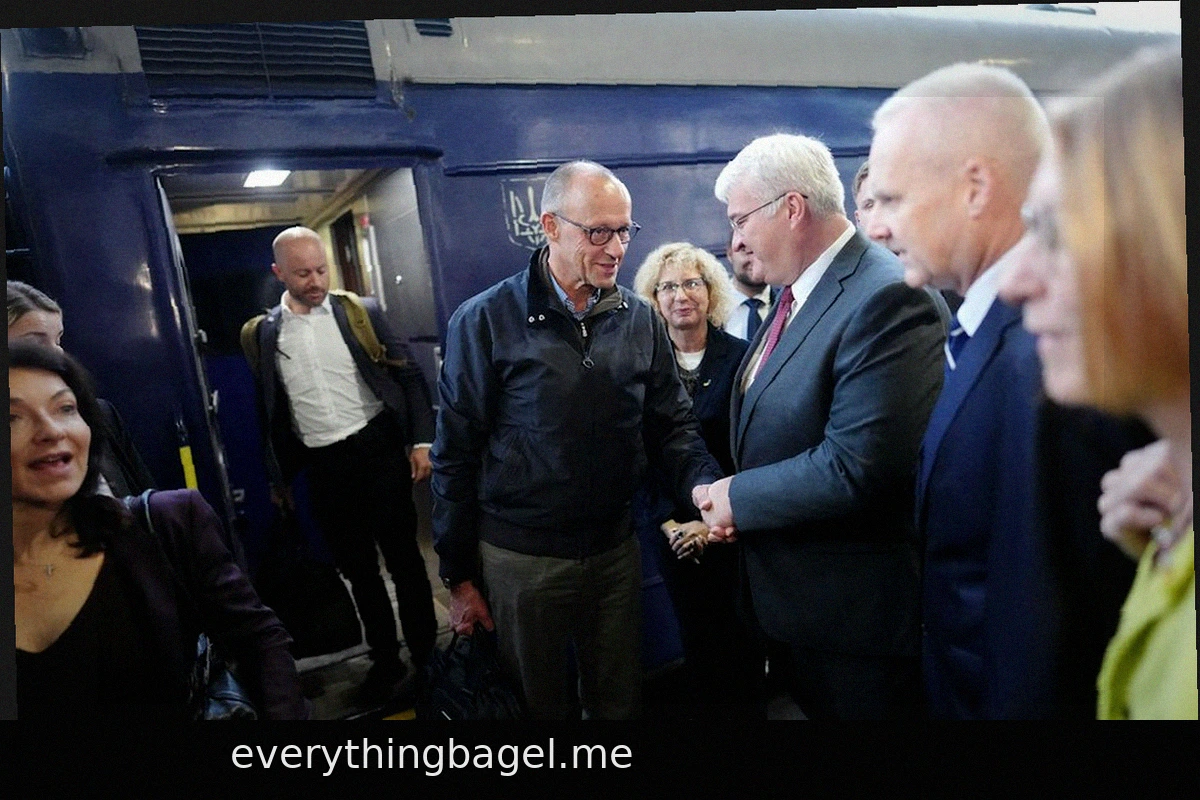
Unexpected Visit: Merz in Kyiv: "You Can Continue to Count on Our Help"
German Chancellor Friedrich Merz (CDU) arrived in Kyiv early Sunday morning for an unannounced solidarity visit. The Ukrainian capital has been suffering from intensified Russian attacks for weeks. Moscow has pledged to continue these assaults with undiminished severity and reitera
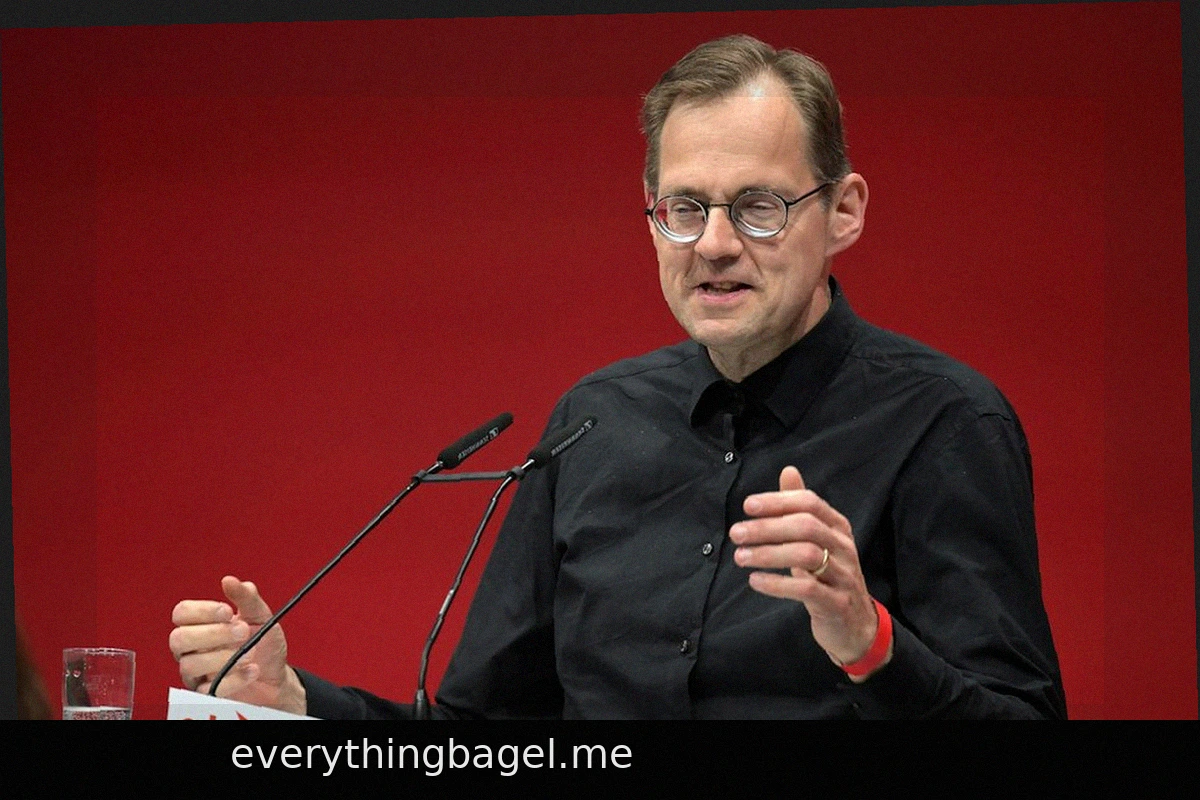
Left Party Leader Pellmann Joins "Rote Hilfe"
Sören Pellmann, leader of the Left Party's parliamentary group, has joined the human rights organization "Rote Hilfe." This move comes in the context of ongoing discussions surrounding the party's direction and its affiliations, particularly following scrutiny of former member Eli

Germany vs. Serbia: Player Ratings - Pavlovic Dominates Midfield
Aleksandar Pavlovic, 22, is confidently filling his new role. Florian Wirtz demonstrated his world-class ability on two occasions. Only Nick Woltemade seemed eager to disappear. Here are the individual player ratings for the German national team against Serbia. By Martin Schneider Jo
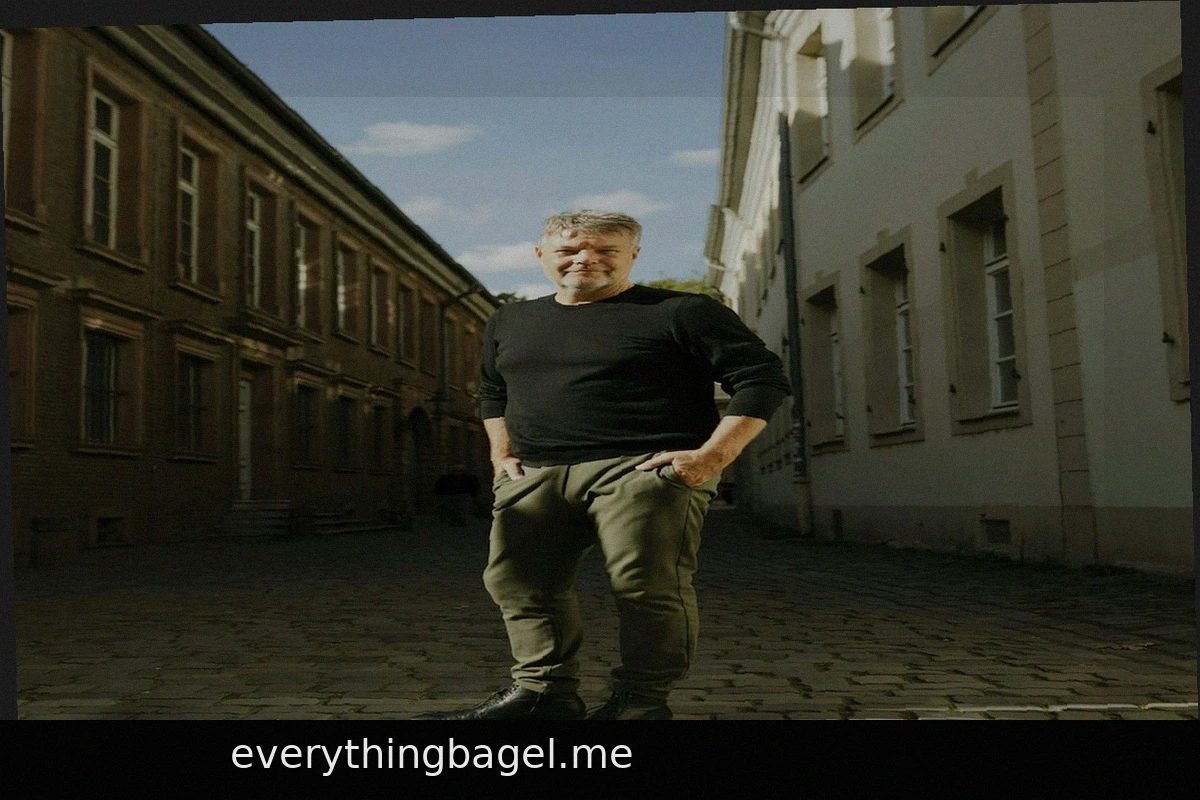
Robert Habeck on the Arctic, Lessons from Government, and His Biggest Failure
Robert Habeck appears composed. Carrying a travel bag over his shoulder, he walks along the Rhine towards the SZ's Düsseldorf office. Spotting a yellow sticker on a railing, reminiscent of the anti-nuclear movement, he notices Ludwig Erhard's image in the center with the text: “Capita