Robert Habeck on the Arctic, Lessons from Government, and His Biggest Failure
Robert Habeck appears composed. Carrying a travel bag over his shoulder, he walks along the Rhine towards the SZ's Düsseldorf office. Spotting a yellow sticker on a railing, reminiscent of the anti-nuclear movement, he notices Ludwig Erhard's image in the center with the text: “Capitalism?” and below it, “Yes, please.” Habeck laughs, speculating that a supporter of Merz must have passed by.
In his new book, Robert Habeck addresses a geopolitical crisis zone: the Arctic. This discussion covers the power struggle in the far north, lessons learned during his time in the "Ampel" (traffic light coalition) government, and his most significant regret.
Habeck admits, "I always knew it would end sometime." He reflects on the challenges of governing, stating that one must acknowledge limits. The German Minister for Economic Affairs and Climate Action emphasizes that without clear boundaries, every decision becomes a trade-off.
He contrasts this with his book's theme, the Arctic. Here, he notes, the situation is different. The Arctic is becoming a new frontier for power struggles. Russia's actions in Ukraine have amplified concerns about the region's future. He describes a scenario where Russia's aggressive stance could lead to a division of the Arctic, with Moscow potentially claiming more territory and resources.
Habeck expresses concern about the increasing military presence and the potential for conflict. He believes Germany must be prepared for these shifts and advocate for a stable Arctic order. He suggests that a united approach among Western nations is crucial to counter Russia's ambitions.
When asked about his greatest failing in government, Habeck points to the energy transition. He acknowledges that the speed and execution of certain aspects were insufficient. He states, "We have to acknowledge that we haven't always been fast enough in certain areas of the energy transition." He specifically mentions the expansion of renewable energies, particularly wind power, and the challenges in permitting and grid connection processes.
Habeck also touches upon the "Ampel" coalition's internal dynamics. He describes the constant negotiation and compromise inherent in a multi-party government. While acknowledging the difficulties, he maintains that the coalition has achieved significant progress on crucial issues, despite the challenges.
Looking ahead, Habeck stresses the importance of clear strategic thinking and decisive action, particularly in foreign policy and climate change. He reiterates his belief that setting boundaries is essential for effective governance and international relations.
Fresh materials — General News
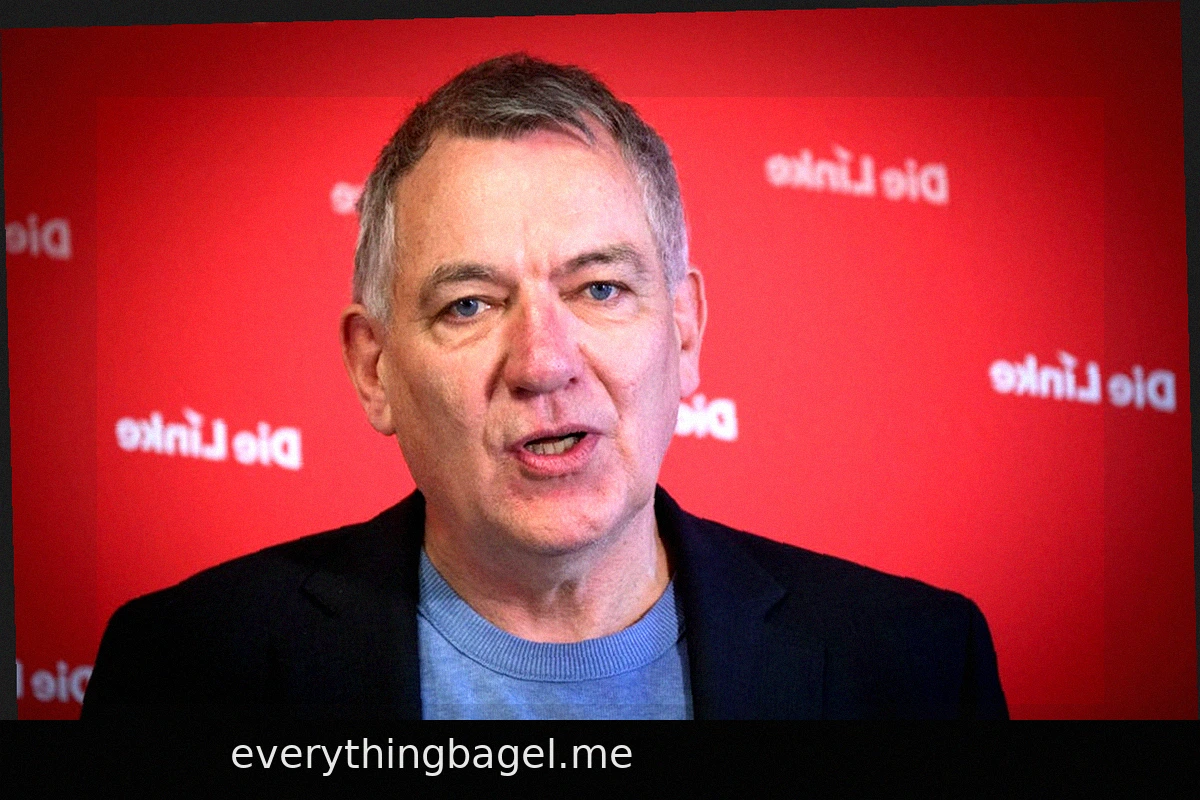
Maischberger and Antisemitism in The Left Party: "The Problem Has Been There for Years"
Political talk shows often feature the same politicians, leading to audience fatigue. Even well-reasoned arguments lose their impact through repetition. Parties opt for seasoned figures over newcomers to minimize the risk of missteps, as a single misstatement can linger and harm b

Earth's Core Rotation Influences Day Length
Scientists have long suspected that the Earth's solid inner core, a mass of iron at the planet's center, impacts our planet's rotation speed. This influence is evident in the subtle fluctuations of day length, which vary by milliseconds over several years. A recent study proposes a connec
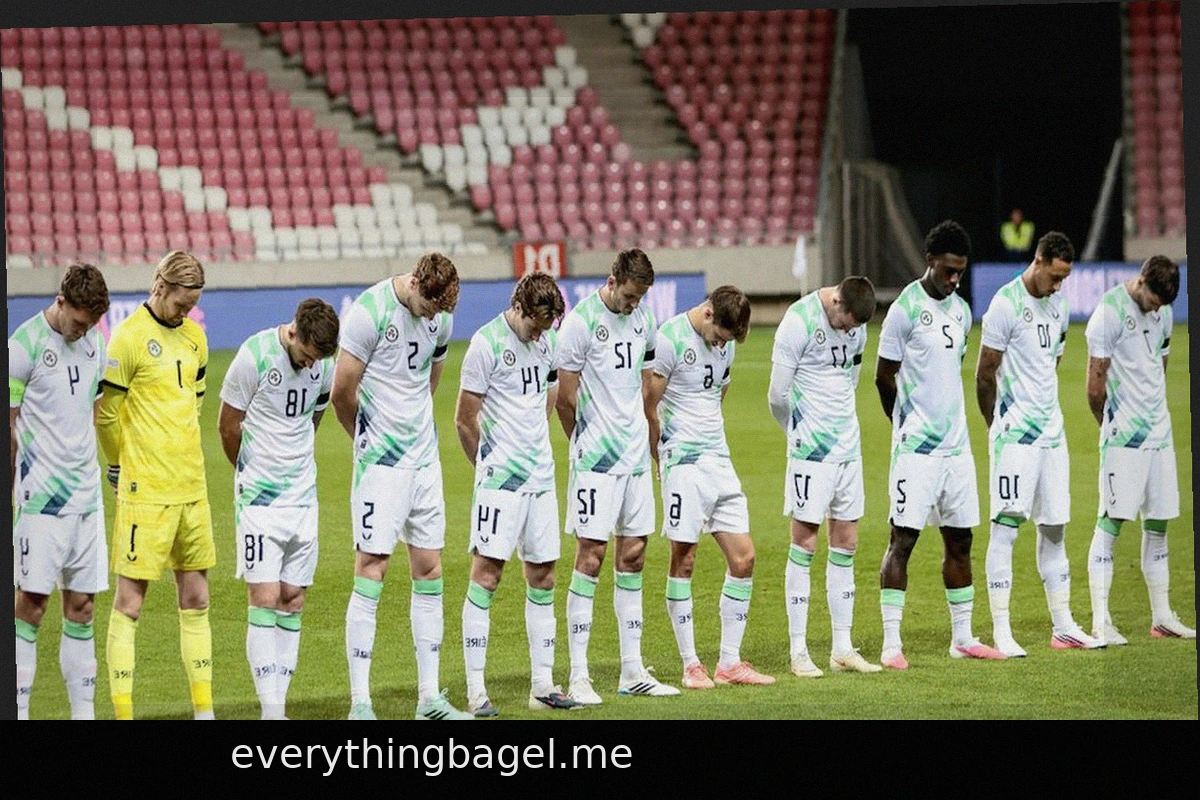
Nations League: Mourning Armbands or Political Statement?
Ireland's approach to the Israel-Palestine conflict, marked by strong criticism of Israel and support for Palestine, is evident in their Nations League match. This game is viewed either as a "farce" or an "honor," depending on one's perspective. Understanding the events surroun
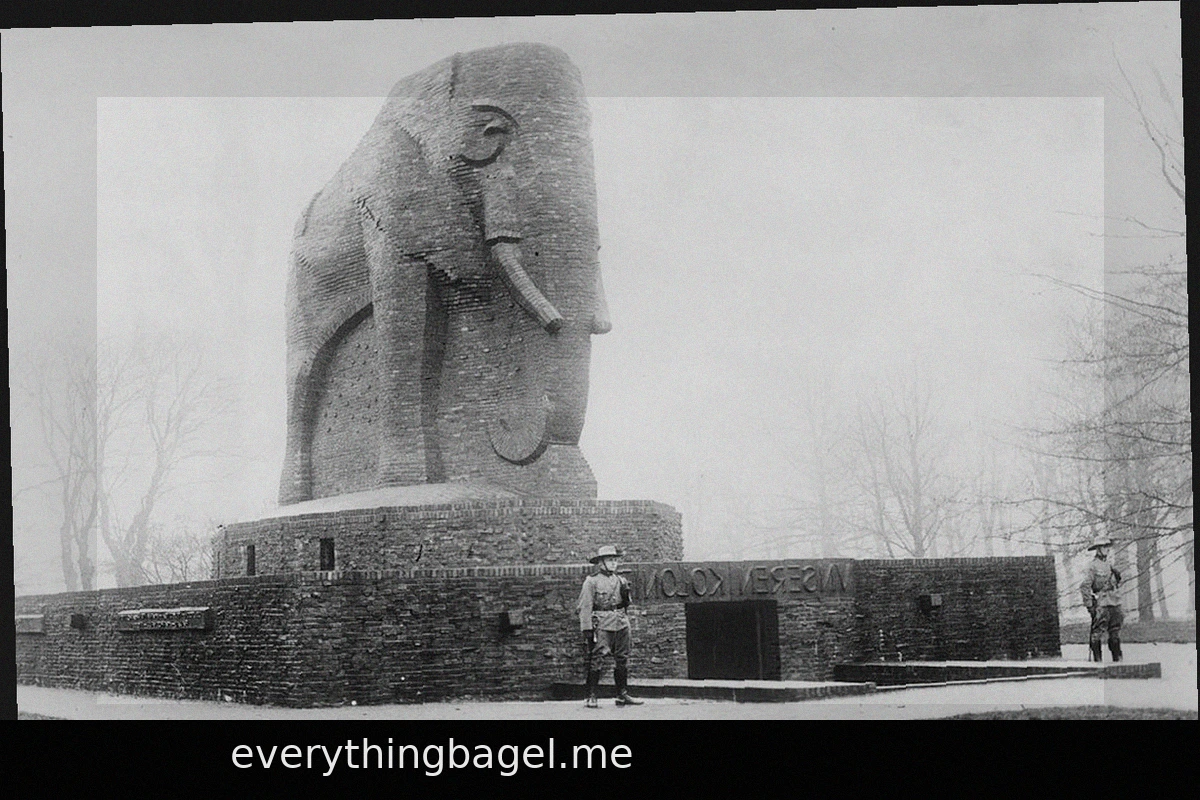
Wolfram Weimer's Solo Decision on Memory Culture: "Unsurpassed Arrogance"
Germany is often praised for its engagement with Nazism, the Holocaust, and injustices under the GDR regime. However, one chapter was missing: colonialism. The federal government shared this view. The coalition agreement by CDU/CSU and SPD stated that the reckoning with

Domina accused of killing client for inheritance
A dominatrix, known as "Lady Susanna," who once openly discussed her sadistic tendencies in a podcast, is now on trial at the Munich I Regional Court. She stands accused of murder, allegedly having beaten a long-time client to death last summer. The prosecution claims the motive was g

Milan Fashion Week 2026: New Collections from Prada, Gucci, Jil Sander, and Diesel
Paul Verhoeven's dystopian film "RoboCop" is nearly forty years old. As far as we know, robot police officers don't exist yet, but robotic devices are becoming more common elsewhere. Last week, for instance, they appeared on the runway at Milan Fashion Week. However, their