

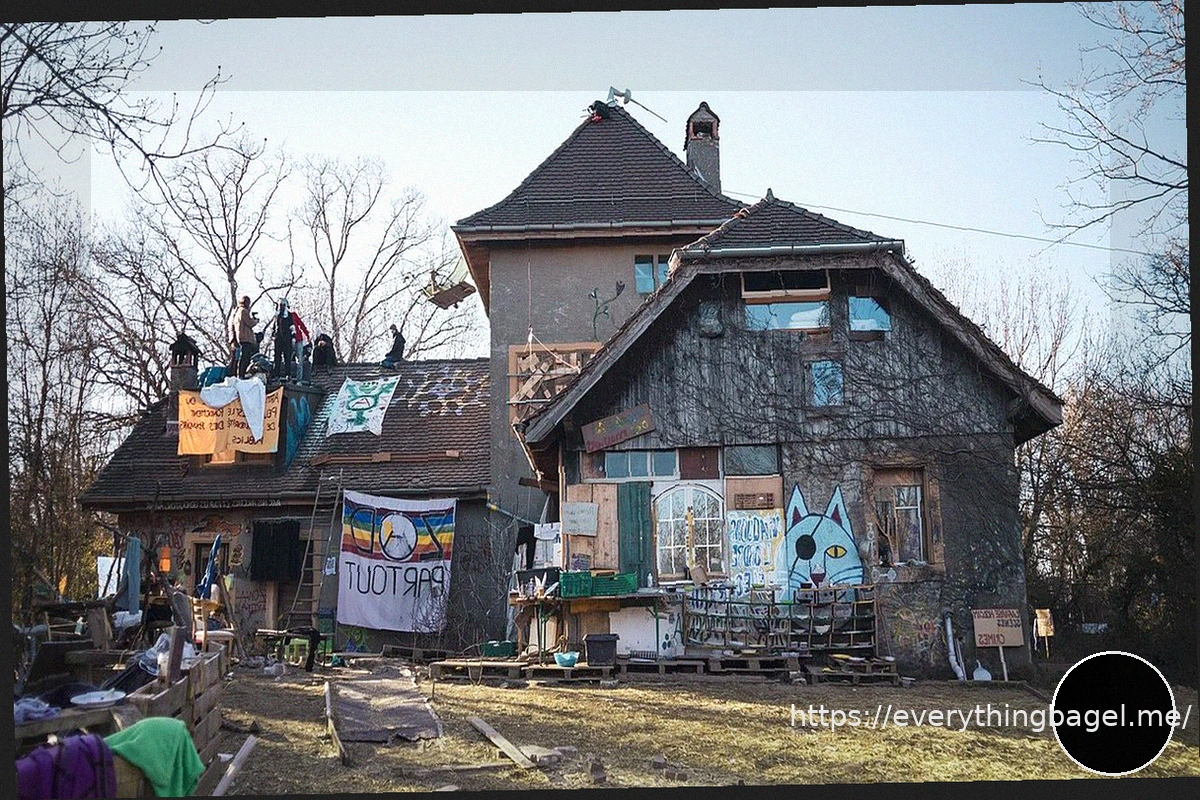
The anarchist tradition offers a unique perspective on ecology, moving beyond conventional notions of top-down conservation. Thinkers such as Élisée Reclus, Peter Kropotkin, Rachel Carson, Murray Bookchin, and André Gorz have all contributed to this viewpoint, which emphasizes ecology as a fundamental practice of cohabitation.
Instead of hierarchical approaches to environmental protection, anarchism proposes a philosophy of mutual aid and decentralized stewardship. This perspective views humanity not as separate from or dominant over nature, but as an integral part of it. The emphasis is on creating systems and relationships that foster a balanced coexistence between human societies and the natural world.
This understanding of ecology is rooted in the belief that true environmental harmony can only be achieved through non-coercive, voluntary cooperation and local autonomy. It challenges the idea that a central authority is necessary for conservation, instead advocating for community-based solutions and a deep respect for ecological interdependence.