Tomahawk Deal: Unanswered Questions Persist After Agreement
The German government is hailing the agreement reached with Donald Trump regarding the procurement of the highly coveted US cruise missile. However, significant uncertainties linger, particularly concerning the feasibility of delivery before the year 2028.
The acquisition of the Tomahawk missile has been a subject of considerable debate and anticipation. While the deal marks a significant step forward in Germany's defense capabilities, the practicalities of its timeline are now under scrutiny. This raises a number of critical questions that require further clarification as the nation looks to bolster its strategic assets.
Key Questions Surrounding the Tomahawk Deal:
- Delivery Schedule: The primary concern revolves around whether the agreed-upon delivery of the Tomahawk missiles can indeed be fulfilled by 2028. Factors such as production capacity, logistical challenges, and any potential geopolitical influences could impact this timeline.
- Operational Integration: Beyond the physical delivery, questions persist about the timeline and complexity of integrating the Tomahawk missiles into Germany's existing defense infrastructure and operational doctrines.
- Cost and Long-Term Implications: While the initial deal is celebrated, a comprehensive understanding of the long-term financial commitments and the broader strategic implications for Germany's defense posture is crucial.
- Interoperability and Future Development: The agreement also prompts considerations about the interoperability of the Tomahawk system with allied forces and Germany's role in its future development and upgrades.
As Germany moves forward with this significant defense acquisition, addressing these open questions will be paramount to ensuring the effective and timely deployment of the Tomahawk missile system and reinforcing national security.
Fresh materials — General News
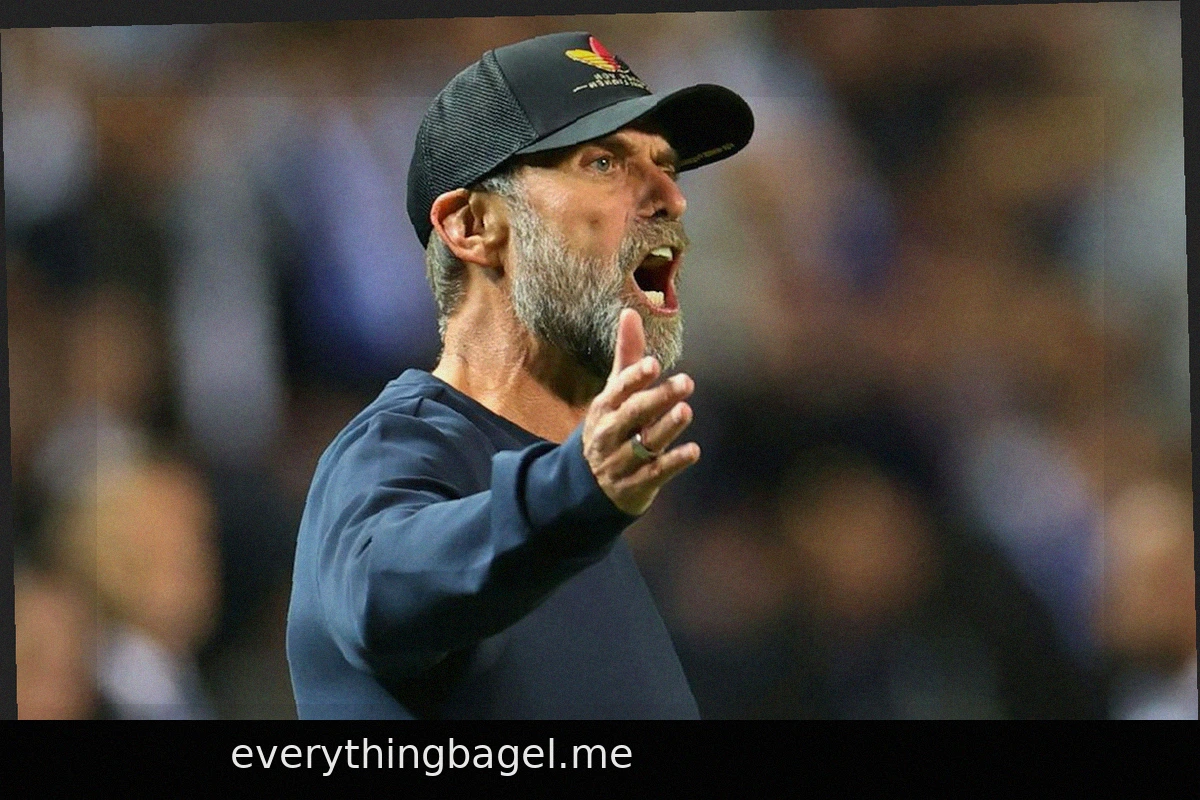
Nations League: Klopp's Ballet Needs More Rehearsal
In a goalless draw against Greece, Klopp's team, featuring the same midfield trio of Wirtz, Pavlovic, and Bischof as in their 2-0 victory over Serbia, demonstrated continued good form but failed to score, despite an improvement from their previous encounter. The
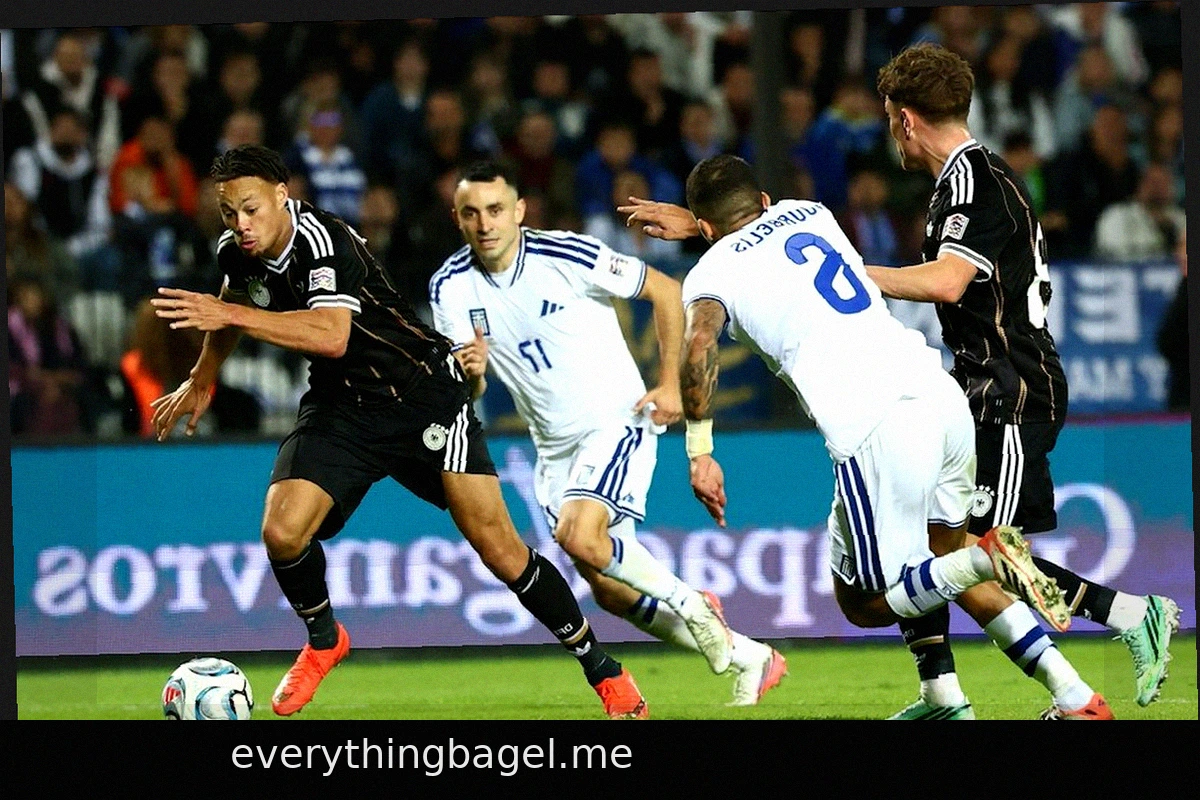
Jonas Urbig: A Goalkeeper's Rise
Jonas Urbig's goalkeeping is drawing significant praise, with Jürgen Klopp noting his strong performance. His save from Masouras' header in the second minute of the match at Toumba Stadium was a notable feat. Urbig is making significant strides towards securing a starting position, mai
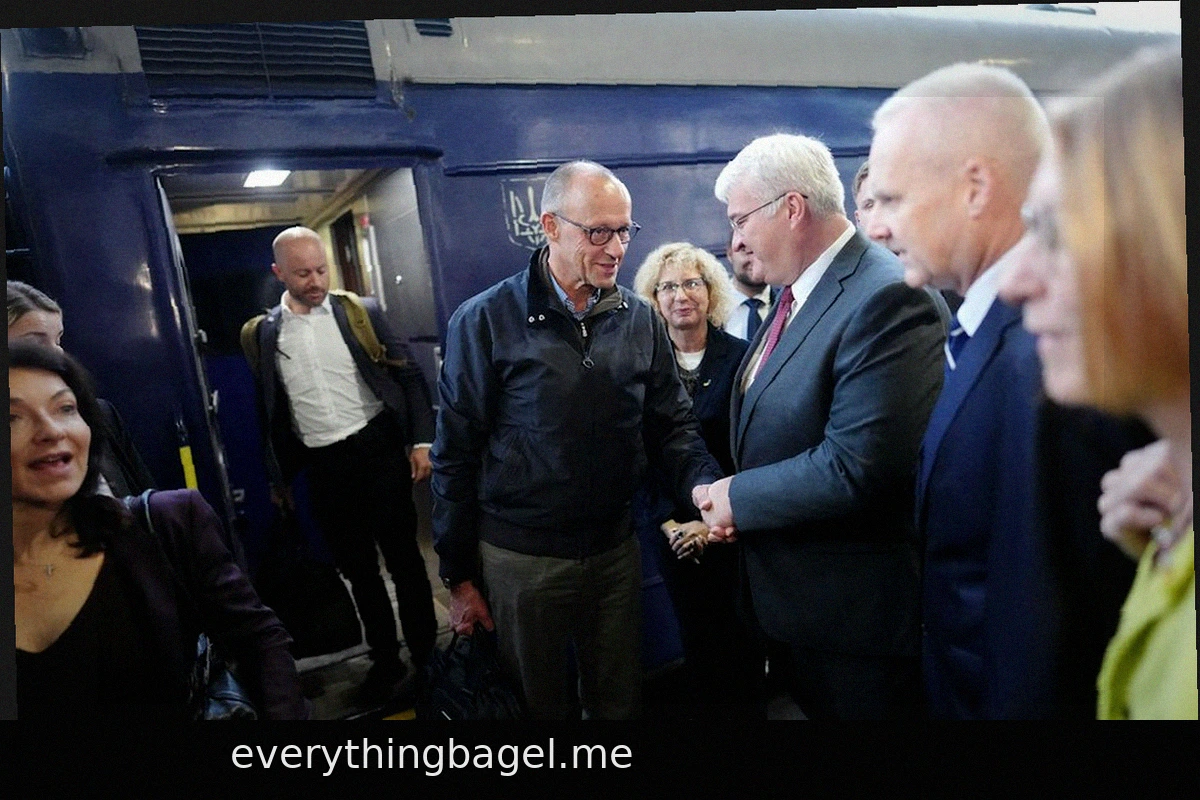
Unexpected Visit: Merz in Kyiv: "You Can Continue to Count on Our Help"
German Chancellor Friedrich Merz (CDU) arrived in Kyiv early Sunday morning for an unannounced solidarity visit. The Ukrainian capital has been suffering from intensified Russian attacks for weeks. Moscow has pledged to continue these assaults with undiminished severity and reitera
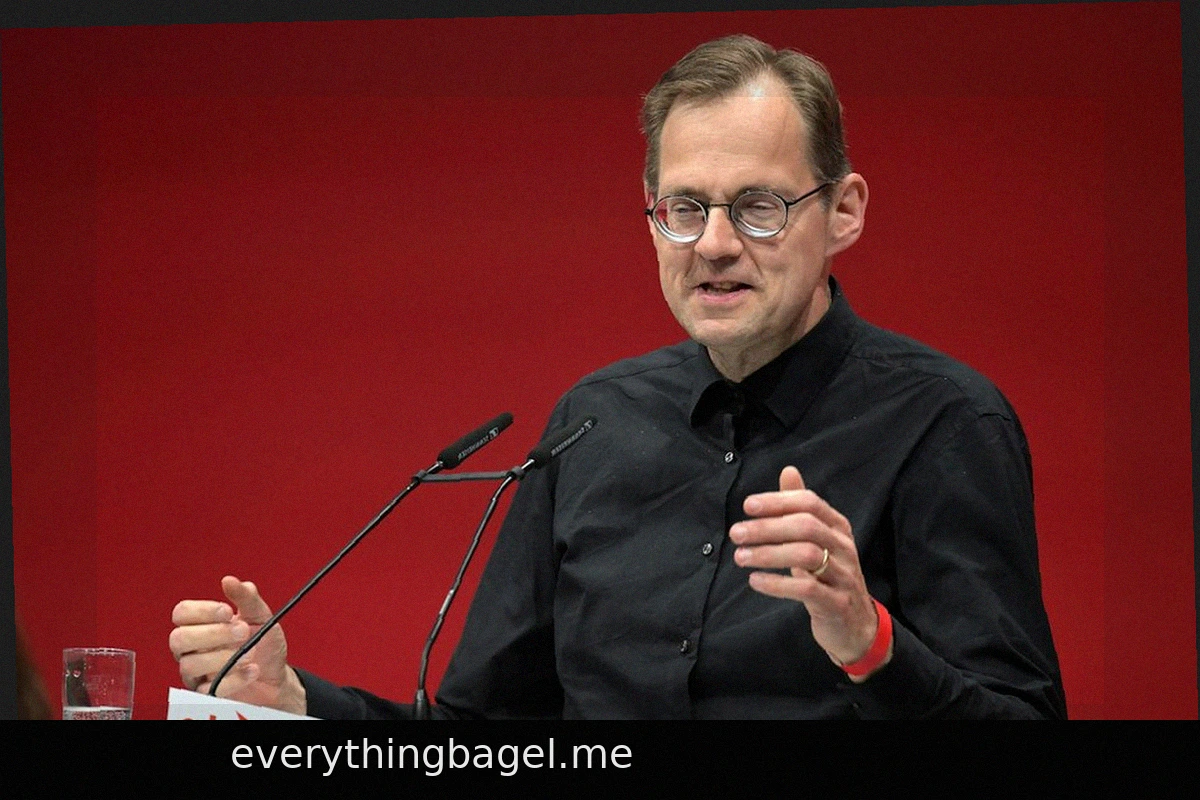
Left Party Leader Pellmann Joins "Rote Hilfe"
Sören Pellmann, leader of the Left Party's parliamentary group, has joined the human rights organization "Rote Hilfe." This move comes in the context of ongoing discussions surrounding the party's direction and its affiliations, particularly following scrutiny of former member Eli
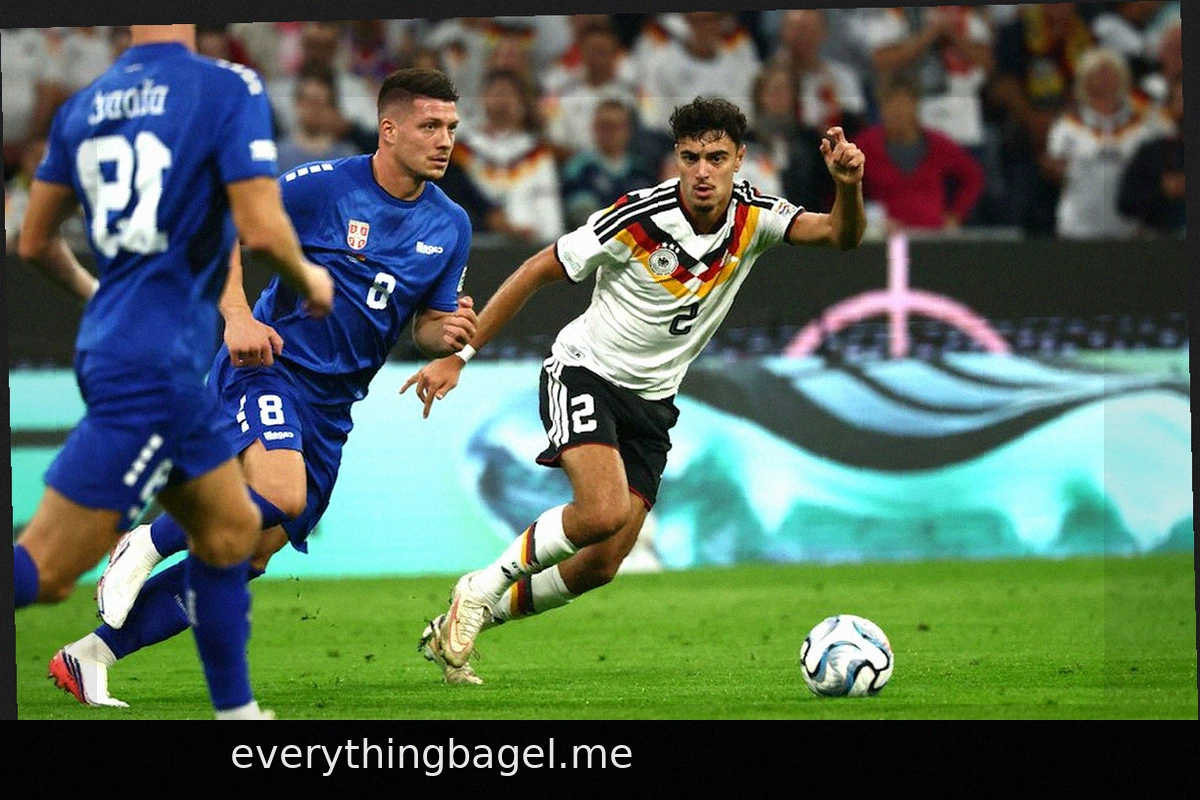
Germany vs. Serbia: Player Ratings - Pavlovic Dominates Midfield
Aleksandar Pavlovic, 22, is confidently filling his new role. Florian Wirtz demonstrated his world-class ability on two occasions. Only Nick Woltemade seemed eager to disappear. Here are the individual player ratings for the German national team against Serbia. By Martin Schneider Jo
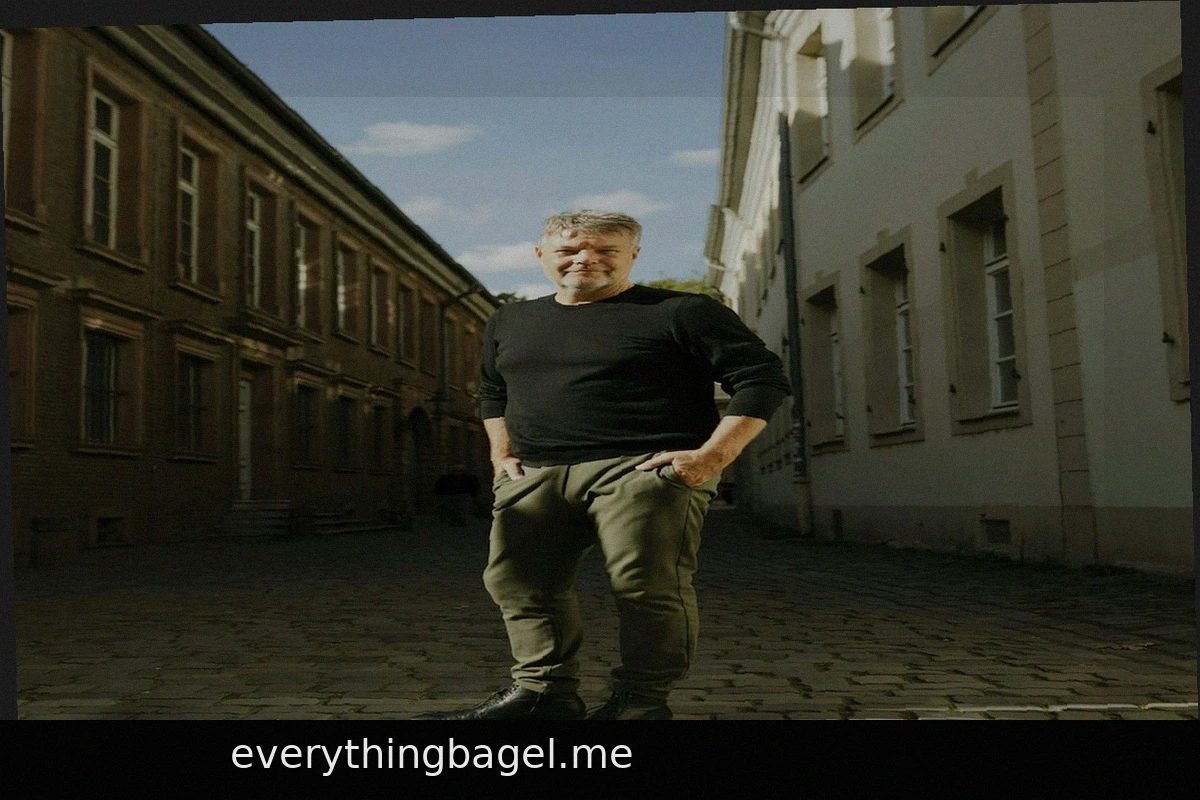
Robert Habeck on the Arctic, Lessons from Government, and His Biggest Failure
Robert Habeck appears composed. Carrying a travel bag over his shoulder, he walks along the Rhine towards the SZ's Düsseldorf office. Spotting a yellow sticker on a railing, reminiscent of the anti-nuclear movement, he notices Ludwig Erhard's image in the center with the text: “Capita