Nations League: Mourning Armbands or Political Statement?
Ireland's approach to the Israel-Palestine conflict, marked by strong criticism of Israel and support for Palestine, is evident in their Nations League match. This game is viewed either as a "farce" or an "honor," depending on one's perspective.
Understanding the events surrounding the Nations League match between Ireland and Israel (3-0) requires looking beyond the sport itself. Ireland is known for boycotting the Eurovision Song Contest due to Israel's participation, despite having won the competition seven times. This boycott highlights Ireland's perspective on the Gaza conflict. The country officially recognized the state of Palestine, and the Israeli embassy in Dublin has closed.
Consequently, significant protests against the matches with Israel arose in Ireland following the Nations League draw. Heimir Hallgrímsson, Ireland's Icelandic national coach, noted, "There is enormous support for Palestine in Ireland, probably the biggest in all of Europe," assuming the wider football world might not be aware from the Eurovision context. However, the Football Association of Ireland (FAI) never considered boycotting the away game in Debrecen, Hungary, unlike the national broadcaster's Eurovision strike. FAI President Paul Cooke stated, "We said from the outset that we would play the game. That was the decision made by our members and the board."
Irish fans did not travel to the match, resulting in a sparse attendance of 319 spectators, reminiscent of the COVID-19 era. The game itself became a "bleak farce that leaves everyone with a sense of bitterness and betrayal," according to the *Irish Times*. During their 3-0 victory, the Irish players wore black armbands "to commemorate all those who have lost their lives in this conflict." It remains unclear whether these armbands comply with UEFA regulations for mourning or if they are considered political statements, which UEFA prohibits on playing attire. The Irish team also bowed their heads during the Israeli national anthem and refrained from the customary handshakes with their opponents. Jack Moylan, who scored the third goal, removed and kissed his armband after scoring.
Substitute goalkeeper Gavin Bazunu did not accept his nomination for the squad. He posted on Instagram, "My decision is based solely on my personal conviction that the killing of innocent people is wrong. There are few moments in life when you get a chance to stand up for something bigger, and I firmly believe this is one of them." Bazunu emphasized that his stance is "not against the Israeli people or the Jewish community, but against the atrocities in the region."
"We are not playing with genocide, we are playing against genocide," says coach Hallgrímsson
President Cooke and coach Hallgrímsson praised the players' actions. Cooke described the situation as "an honor for Ireland, an honor for the nation, an honor for Irish football." Hallgrímsson stated that his players had "shown their support for the protest" and "raised awareness of the issue."
Even before the squad announcement, Hallgrímsson had declared, "We are not playing with genocide, we are playing against genocide. We are playing against Israel, not with Israel." The Irish Football Association (IFA) responded on social media, saying, "We don't play with ignorance, hypocrisy, and stupidity – we play against the coach who embodies all of that." Israel's Minister of Foreign Affairs, Gideon Sa'ar, even recalled Ireland's neutrality during World War II and a 1939 match against Germany, during which the Irish team displayed the Nazi salute. He accused the Irish of now being "on the side of Palestinian terrorism" and "jihadism."
The second leg on October 4 will take place in Serbia, as both Nations League matches were scheduled for neutral ground. Depending on the viewpoint, this could again lead to another "bleak farce" or another "honor for Irish football."
Fresh materials — General News

Earth's Core Rotation Influences Day Length
Scientists have long suspected that the Earth's solid inner core, a mass of iron at the planet's center, impacts our planet's rotation speed. This influence is evident in the subtle fluctuations of day length, which vary by milliseconds over several years. A recent study proposes a connec
Domina accused of killing client for inheritance
A dominatrix, known as "Lady Susanna," who once openly discussed her sadistic tendencies in a podcast, is now on trial at the Munich I Regional Court. She stands accused of murder, allegedly having beaten a long-time client to death last summer. The prosecution claims the motive was g
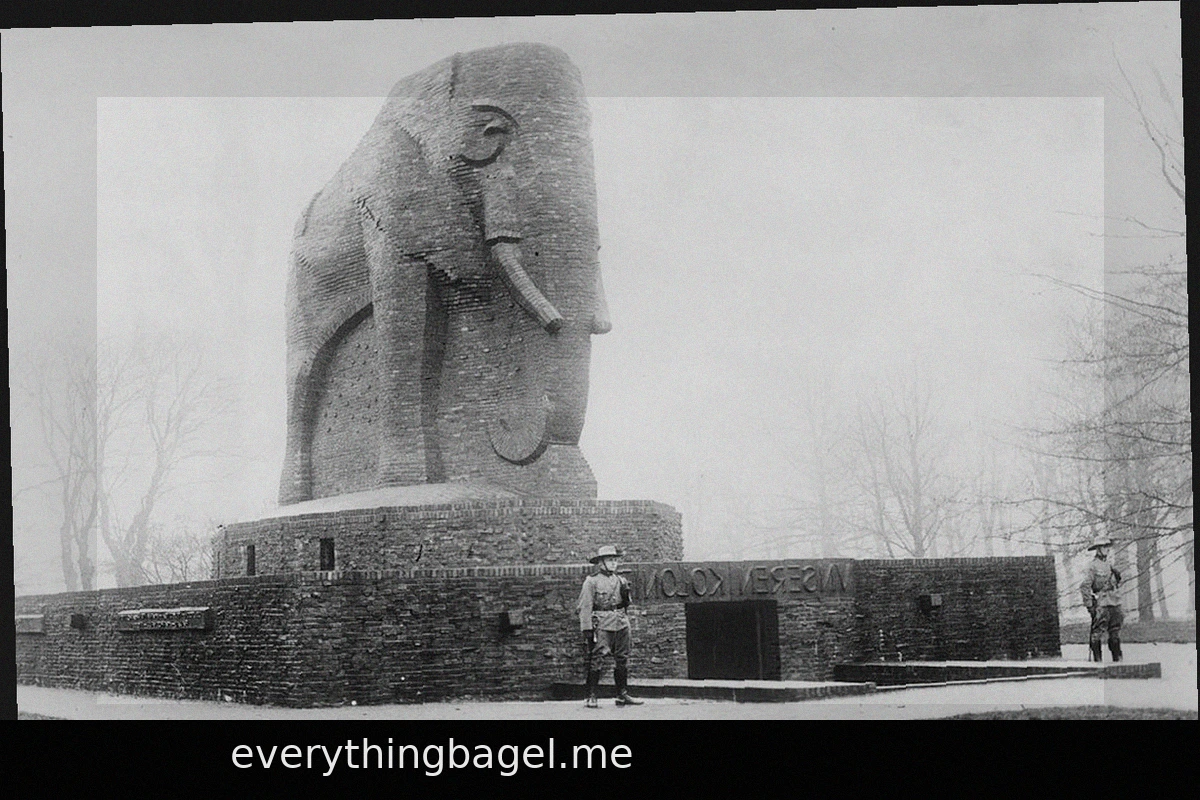
Wolfram Weimer's Solo Decision on Memory Culture: "Unsurpassed Arrogance"
Germany is often praised for its engagement with Nazism, the Holocaust, and injustices under the GDR regime. However, one chapter was missing: colonialism. The federal government shared this view. The coalition agreement by CDU/CSU and SPD stated that the reckoning with
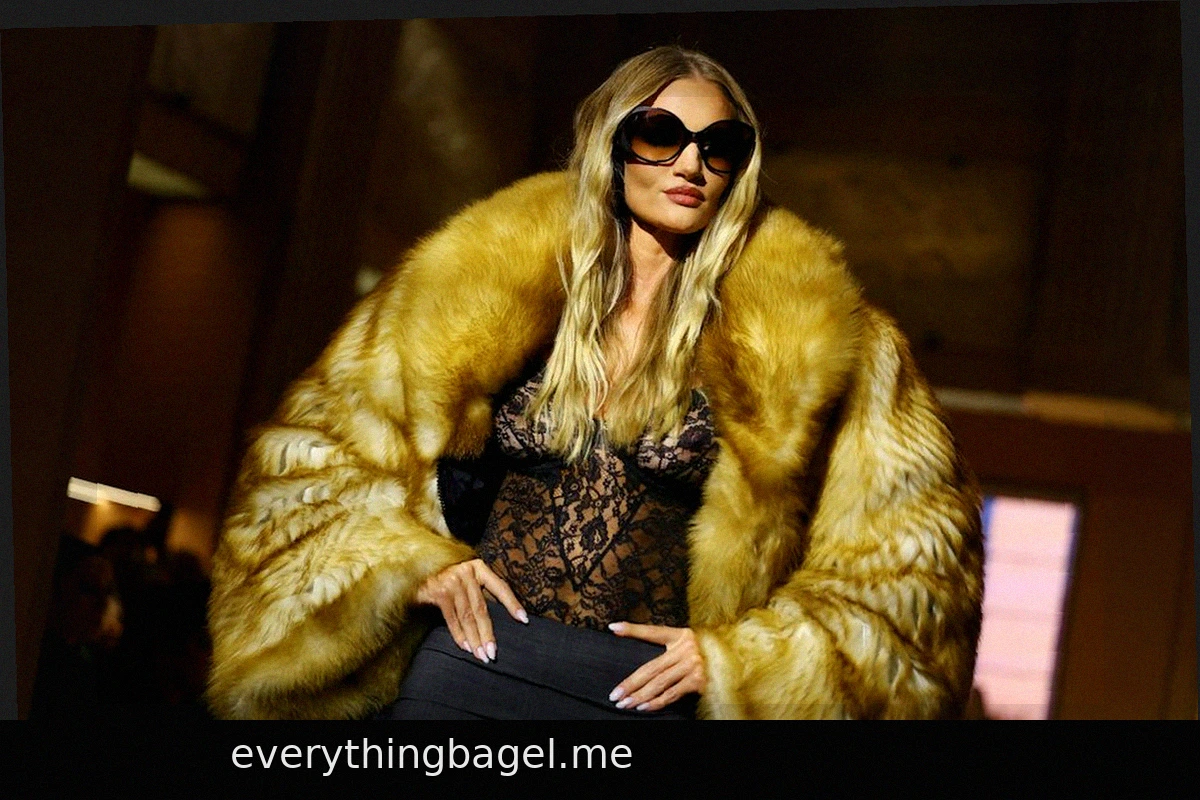
Milan Fashion Week 2026: New Collections from Prada, Gucci, Jil Sander, and Diesel
Paul Verhoeven's dystopian film "RoboCop" is nearly forty years old. As far as we know, robot police officers don't exist yet, but robotic devices are becoming more common elsewhere. Last week, for instance, they appeared on the runway at Milan Fashion Week. However, their
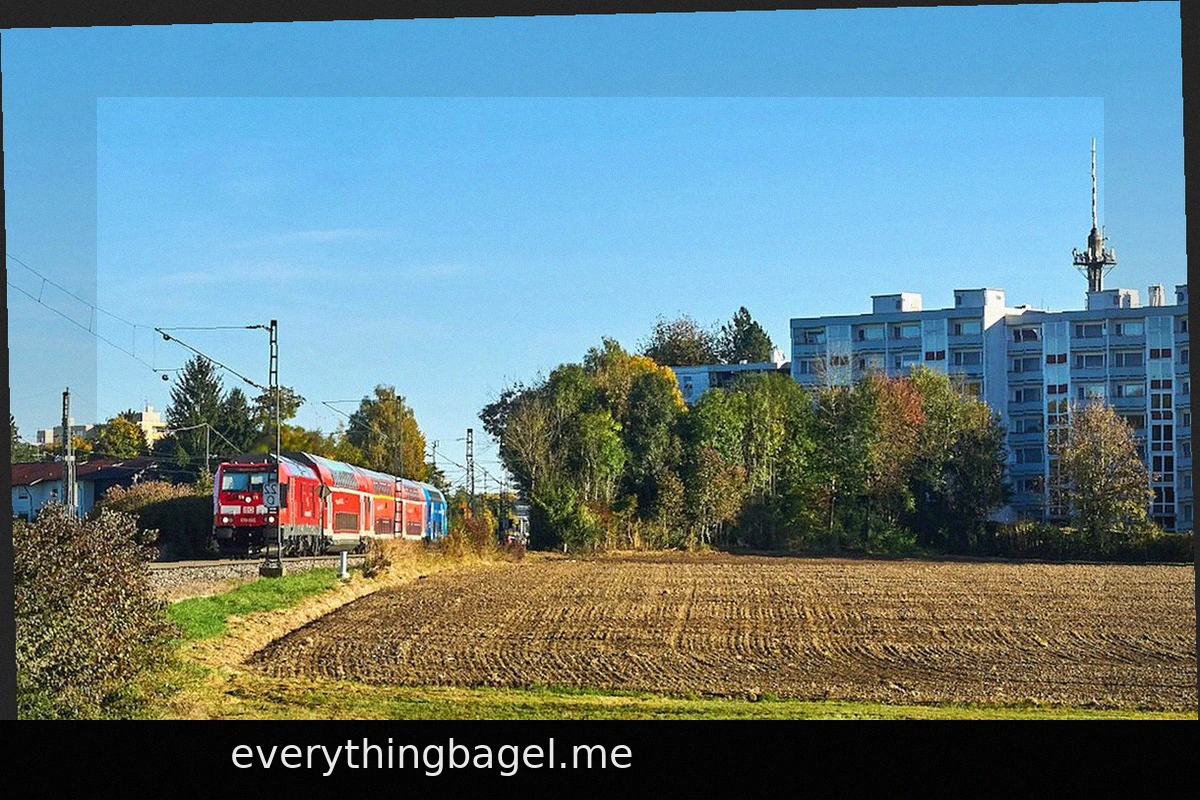
Bahn Added a Stop After Mayors' Complaint Between Mühldorf and Munich
The train schedule for the Mühldorf-Munich route is being reduced. Affected mayors protested – and then something astonishing happened. Deutsche Bahn has reinstated the morning Regional Express stop in Dorfen at 6:49 AM, a change that was recently removed. This adjustment comes after mayors
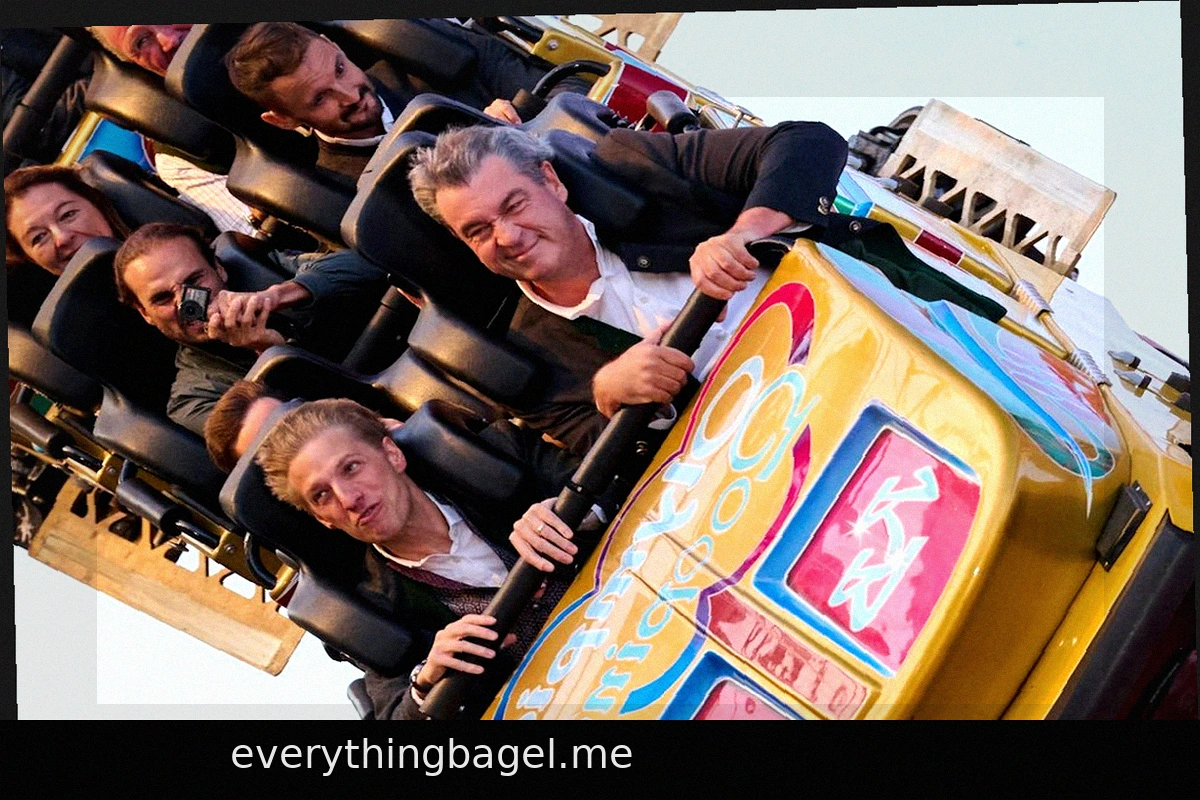
Söder and Krause Ride the Olympia Loop Coaster Together
Bavarian Minister-President Markus Söder and Munich Mayor Dominik Krause shared a rollercoaster ride, celebrating Munich's successful Olympic bid for upcoming games. The politicians experienced the 'Olympia Looping' at Oktoberfest, a ride known for its five inversions and high spee