Artemis II Launch: When, Where, & Why to Follow Humanity's Return to the Moon
Humanity is on the verge of returning to the Moon! With the Artemis II mission, over 50 years later, a new phase of crewed space exploration beyond Earth's orbit is set to begin. The Artemis program, led by NASA, marks a return to our natural satellite after the Apollo missions, with the ultimate goal of establishing a sustainable human presence and preparing for future missions to Mars.
This mission, with its launch currently scheduled for 6:24 PM Florida time on April 1st (or 00:24 AM Italian time on April 2nd), carries immense responsibility: to demonstrate that a journey to the Moon is still feasible and to pave the way for increasingly ambitious programs and projects.
Artemis II will be the program's inaugural mission to carry humans into deep space. Four astronauts will fly aboard the Orion capsule, undertaking a journey around the Moon without landing, primarily to test all the systems crucial for subsequent missions.
April 1, 2026, will therefore mark a profoundly important moment for contemporary space exploration. Following the successful Artemis I mission in 2022, which validated the performance of the Space Launch System (SLS) rocket and the uncrewed Orion capsule, Artemis II represents the critical next step: verifying the system's capabilities with astronauts on board.
When and Where to Follow the Launch
The launch of Artemis II is planned within specific temporal windows set by NASA, taking into account orbital, meteorological, and operational conditions. These windows are designed to ensure an optimal and safe trajectory towards the Moon for the crew. While delays are always a possibility for missions of this complexity, NASA's current objective is to proceed with the launch attempt scheduled for April 1st.
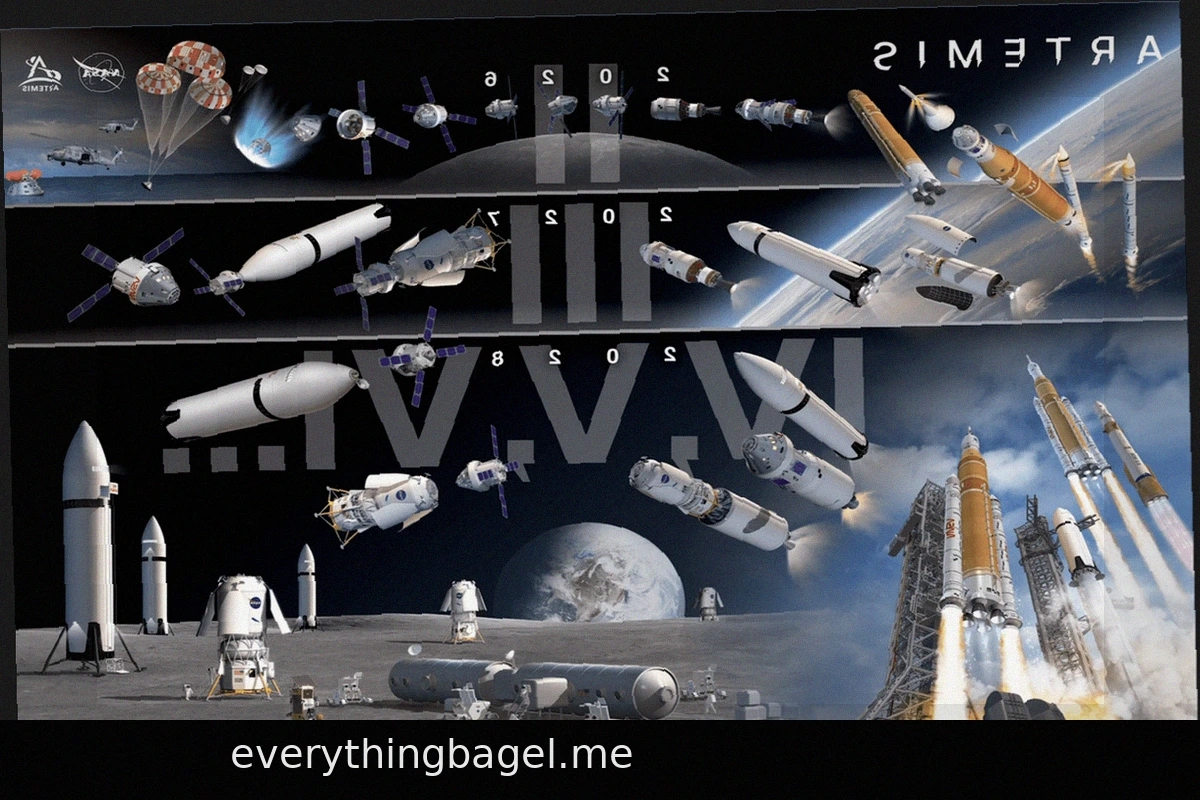
Other potential launch windows after April 1st (with Italian dates and times) are typically provided in associated graphics, each lasting for two hours.
To follow the event, NASA will provide an official live broadcast through its digital channels, featuring real-time footage from the Kennedy Space Center and constant updates. The countdown to launch will actually commence several hours earlier, approximately 49 hours beforehand (the evening of March 30th in Italy), during which all final necessary pre-launch operations will be conducted.
Why This Mission Is So Important
Artemis II signifies the return of human exploration beyond low Earth orbit. After decades where crewed missions primarily focused on Earth-orbiting space stations, this mission marks humanity's re-entry into deep space—an environment characterized by much more extreme and less understood conditions.
Aboard Orion will be NASA astronauts Reid Wiseman (commander), Victor Glover (pilot), and Christina Koch (mission specialist), along with Canadian Space Agency (CSA) astronaut Jeremy Hansen (mission specialist), whose selection was announced by NASA in 2023.
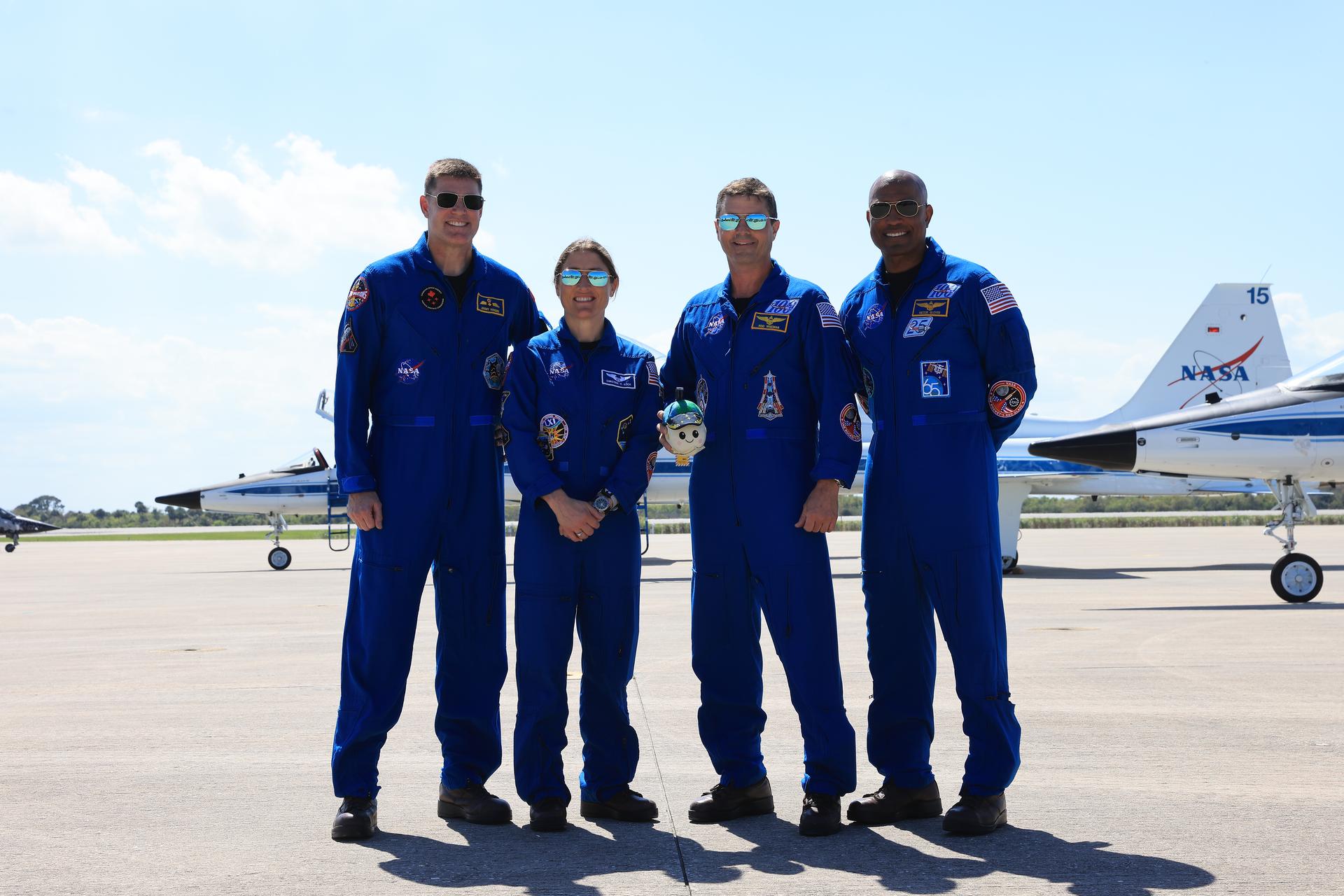
From a technological standpoint, Artemis II will serve to test fundamental systems such as life support, cislunar space navigation, and long-distance communications. Every piece of data collected will be essential for ensuring the safety of subsequent missions, particularly Artemis IV, which plans a lunar landing.
However, the mission's importance is also strategic and scientific. The return to the Moon represents an intermediate step towards more ambitious goals, such as human exploration of Mars. The Moon can, in fact, serve as a laboratory to develop technologies and strategies necessary for long-duration deep space missions.
Finally, Artemis II holds strong symbolic value. It marks a new generation of explorers and renewed international collaboration, involving agencies and partners from various countries. By following this launch, we witness a moment of transition in the history of space exploration, where the Moon once again becomes a central destination for humanity.
Fresh materials — Science News
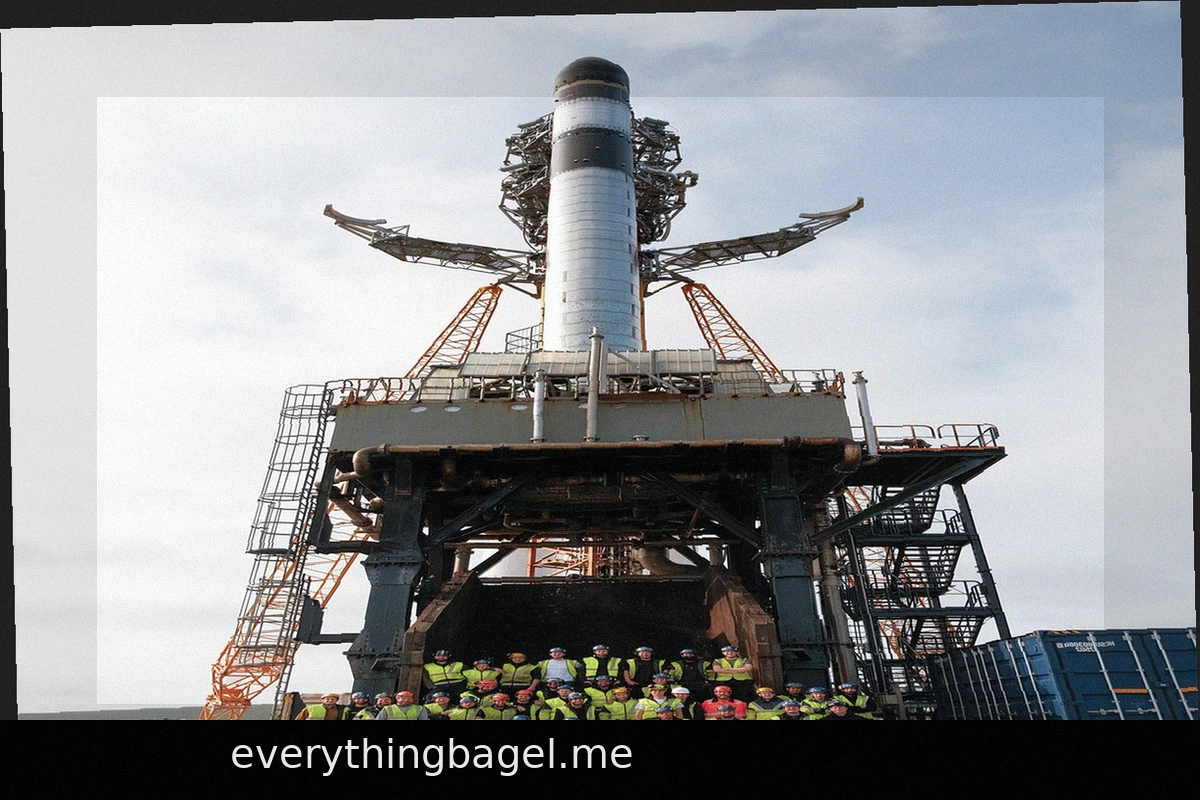
UK Invests £60 Million to Finalize SaxaVord Spaceport
The British government has announced an investment of £30 million in the SaxaVord spaceport, located in the Shetland Islands, Scotland. A portion of this funding will be public, supplemented by an anticipated £30 million from private investors, totaling £60 million to complete the launch site'
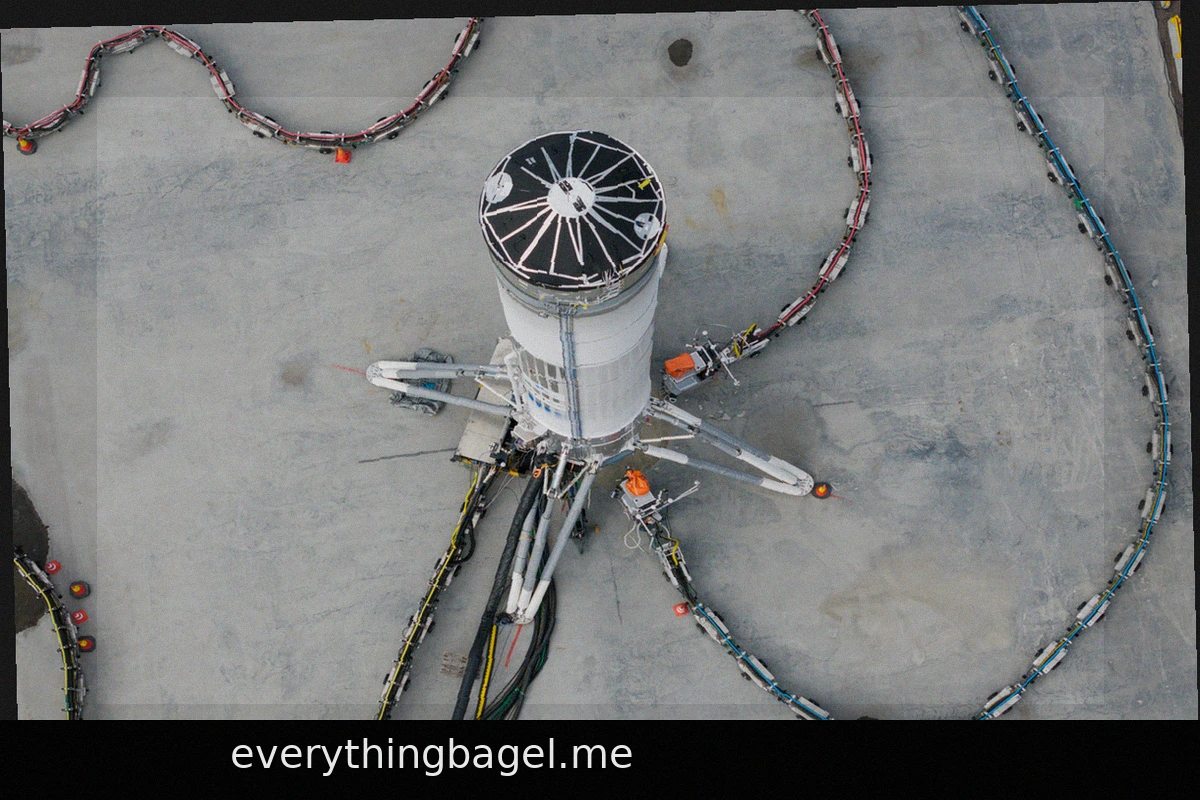
European Reusable Rocket Demonstrator Themis Completes Wet Dress Rehearsal Test
On July 23, 2026, the European demonstrator, Themis, successfully completed a wet dress rehearsal at the Esrange Space Center in northern Sweden. This test allowed teams from ArianeGroup and SSC Space (the company managing the Esrange spaceport) to simulate the full day's operational sequence
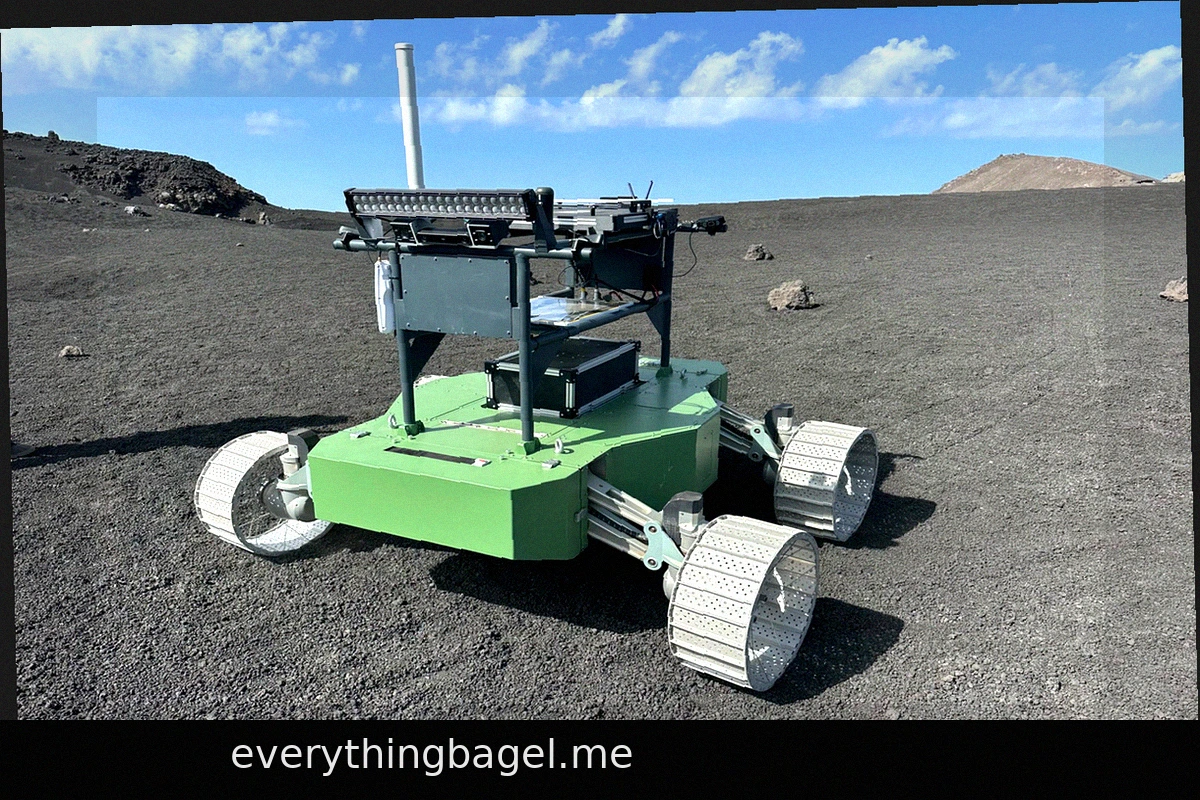
Italian Rover ETNA Completes Etna Tests for Future Lunar Missions
The testing campaign for the ETNA (Exploration Technology for Navigation & Autonomy) rover, developed as part of the Italian Space Agency (ASI) Universal Locomotion System program, has successfully concluded. For several weeks, the rover operated on the slopes of Mount Etna, tackling volcanic
Telespazio Inaugurates New Satellite Antenna in the Azores
Telespazio has unveiled a new S/X band satellite antenna on Santa Maria Island, located in the Portuguese archipelago of the Azores. This new infrastructure is a significant addition to the company's international ground station network and will be utilized for communications with low Earth or
20 July 1969: The Apollo 11 Mission and the Moment That Changed the World
On July 20, 1969, the world paused to witness an event that would forever alter our perception of our place in space. The Apollo 11 mission's Eagle module, with Neil Armstrong and Buzz Aldrin aboard, landed on the Moon, marking a turning point in the history of human exploration. As the words

We Met Artemis Astronauts Reid Wiseman and Christina Koch
In April of this year, four individuals embarked on a journey to the Moon. This had not happened since 1972, when the Apollo 17 mission, the last of the previous lunar exploration program, was launched in December. Now, in 2026, we can finally say that the Artemis Program has begun, starting wi