Artemis II Successfully Executes Lunar Flyby!
The inaugural crewed flight of the Artemis program has achieved one of its most anticipated milestones: a successful lunar flyby, completed during the Italian night between April 6 and 7, 2026.
The Orion capsule "Integrity," carrying astronauts Reid Wiseman, Victor Glover, Christina Koch, and Jeremy Hansen, soared past the Moon. The spacecraft utilized lunar gravity to alter its trajectory and initiate its return journey to Earth. During the flyby, between 8:45 PM Italian time on April 6 and 3:20 AM Italian time on April 7, the crew had the unique opportunity to directly observe regions of our satellite never visible from Earth's surface. They collected fundamental scientific and technological data essential for future missions that will involve lunar landings.
Orion also established a new distance record from Earth for a crewed mission, reaching 406,771 km. This surpasses the previous record of 400,171 km set in 1970 during Apollo 13. This new achievement marks a significant symbolic and operational step forward in the new era of human deep space exploration.
The flyby served as a crucial test for navigation, communication, and life support systems, all of which are fundamental components for the more complex Artemis missions aiming for humanity's sustained return to the lunar surface.
How the Lunar Flyby Unfolded
The Orion capsule entered the Moon's sphere of influence in the early morning of April 6 (Italian time), beginning the mission's most delicate phase. By 7:56 PM Italian time, Orion had already surpassed Apollo 13's distance record, and the lunar flyby phase commenced at 8:45 PM.
Shortly thereafter, the Artemis II crew proposed names for two newly observed lunar craters. Northwest of the Orientale basin, the astronauts suggested naming a crater "Integrity," in honor of their ongoing mission. A little further northeast, on the border between the visible and far sides of the Moon, they proposed "Carroll," dedicated to Reid Wiseman's late wife, Carroll Taylor Wiseman. These proposals will be officially submitted to the International Astronomical Union (IAU) for consideration at the mission's conclusion.
The point of closest approach to the Moon's surface was reached at 1:00 AM Italian time on April 7, at approximately 6,545 km from the lunar surface. At that moment, the capsule was traveling at about 97,950 km/h relative to Earth, and 5,050 km/h relative to the Moon. Shortly after, at 1:02 AM, the maximum distance from Earth record of approximately 406,771 km was set.

During the flyby, the crew conducted a series of scientific observations, focusing on several large lunar surface features. These included the Orientale basin and the Hertzsprung basin, two craters vastly different in age and characteristics. Comparing these regions will allow scientists to better understand how the lunar surface evolves over time. Observations were also guided by specialized instruments and software, supporting the astronauts' work.
As anticipated, communications with Earth were interrupted for about 40 minutes, between 12:44 AM and 1:24 AM Italian time, as Orion passed behind the Moon. This was a normal, pre-planned phase of the mission, during which the radio signal was blocked by the Moon. Once visible again, the capsule re-established contact without any issues. During this phase, the astronauts also observed phenomena such as the Earth setting behind the Moon and its subsequent reappearance ("Earthrise").
The Artemis II crew also witnessed a solar eclipse: from their vantage point in space, the Sun passed behind the Moon, which completely obscured its light.
Next Steps for Artemis II
With the flyby completed, Artemis II has now entered its return phase. Orion will continue its journey back to Earth along a free-return trajectory, which requires no further major propulsive maneuvers. In the coming days, the crew will conduct a series of checks in preparation for atmospheric re-entry, one of the most critical phases of the entire mission.
Re-entry is anticipated during the night between April 10 and 11 (Italian time), with a splashdown in the Pacific Ocean, where recovery teams will await the capsule. The data collected throughout the mission will be fundamental for preparing all systems for Artemis IV, which will see astronauts return to the lunar surface. Specifically, the performance of life support systems, thermal protection during re-entry, and the reliability of deep space communications will be analyzed.
Fresh materials — Science News
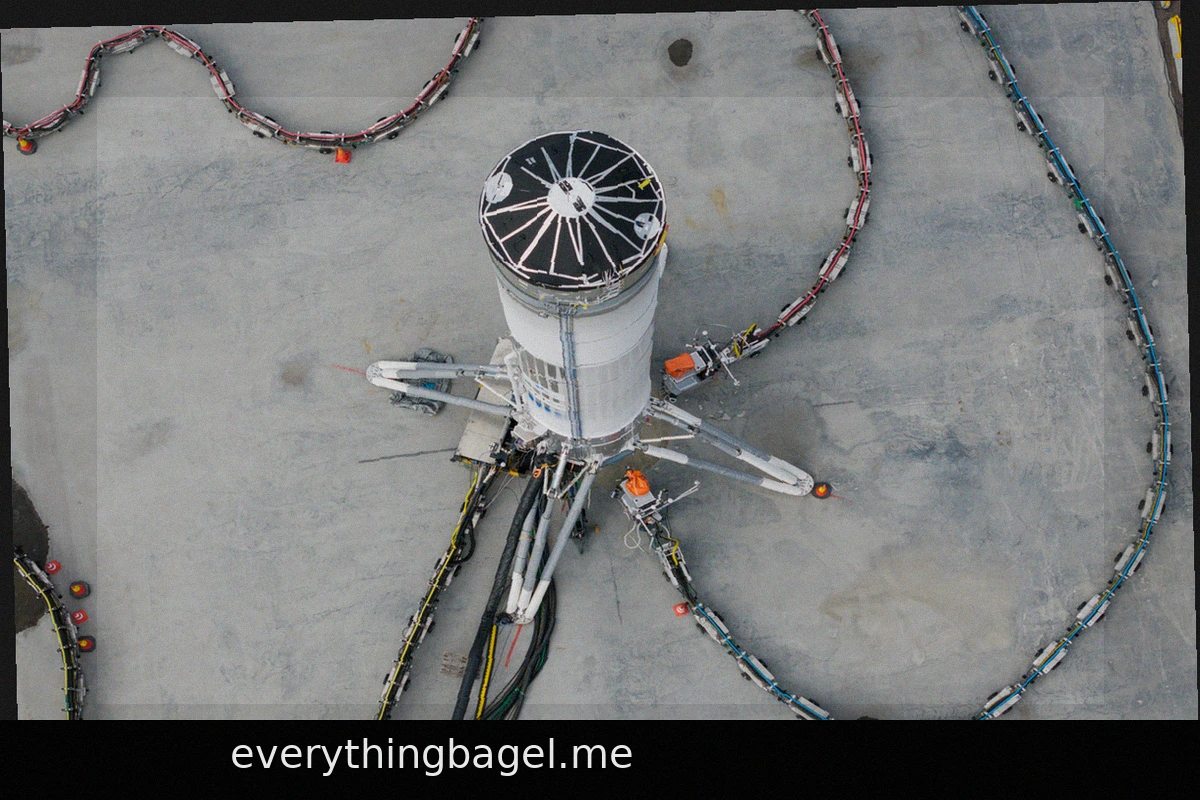
European Reusable Rocket Demonstrator Themis Completes Wet Dress Rehearsal Test
On July 23, 2026, the European demonstrator, Themis, successfully completed a wet dress rehearsal at the Esrange Space Center in northern Sweden. This test allowed teams from ArianeGroup and SSC Space (the company managing the Esrange spaceport) to simulate the full day's operational sequence
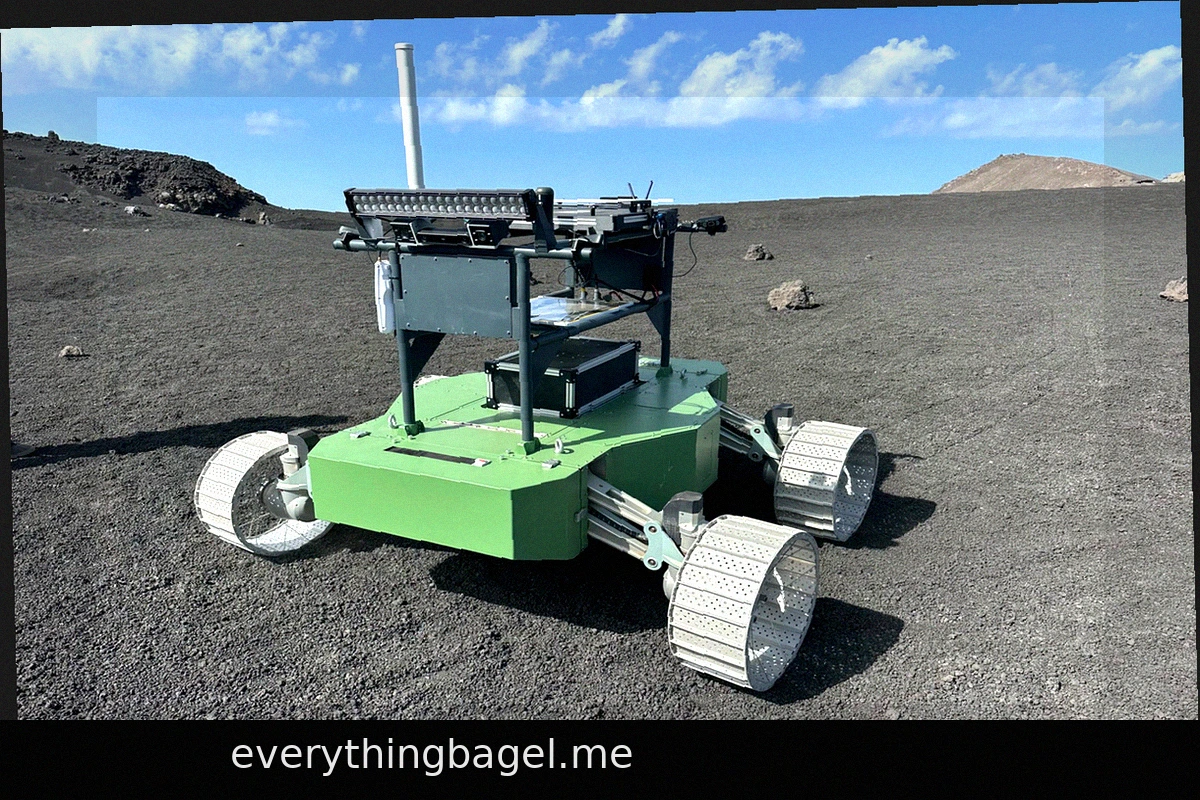
Italian Rover ETNA Completes Etna Tests for Future Lunar Missions
The testing campaign for the ETNA (Exploration Technology for Navigation & Autonomy) rover, developed as part of the Italian Space Agency (ASI) Universal Locomotion System program, has successfully concluded. For several weeks, the rover operated on the slopes of Mount Etna, tackling volcanic

Telespazio Inaugurates New Satellite Antenna in the Azores
Telespazio has unveiled a new S/X band satellite antenna on Santa Maria Island, located in the Portuguese archipelago of the Azores. This new infrastructure is a significant addition to the company's international ground station network and will be utilized for communications with low Earth or
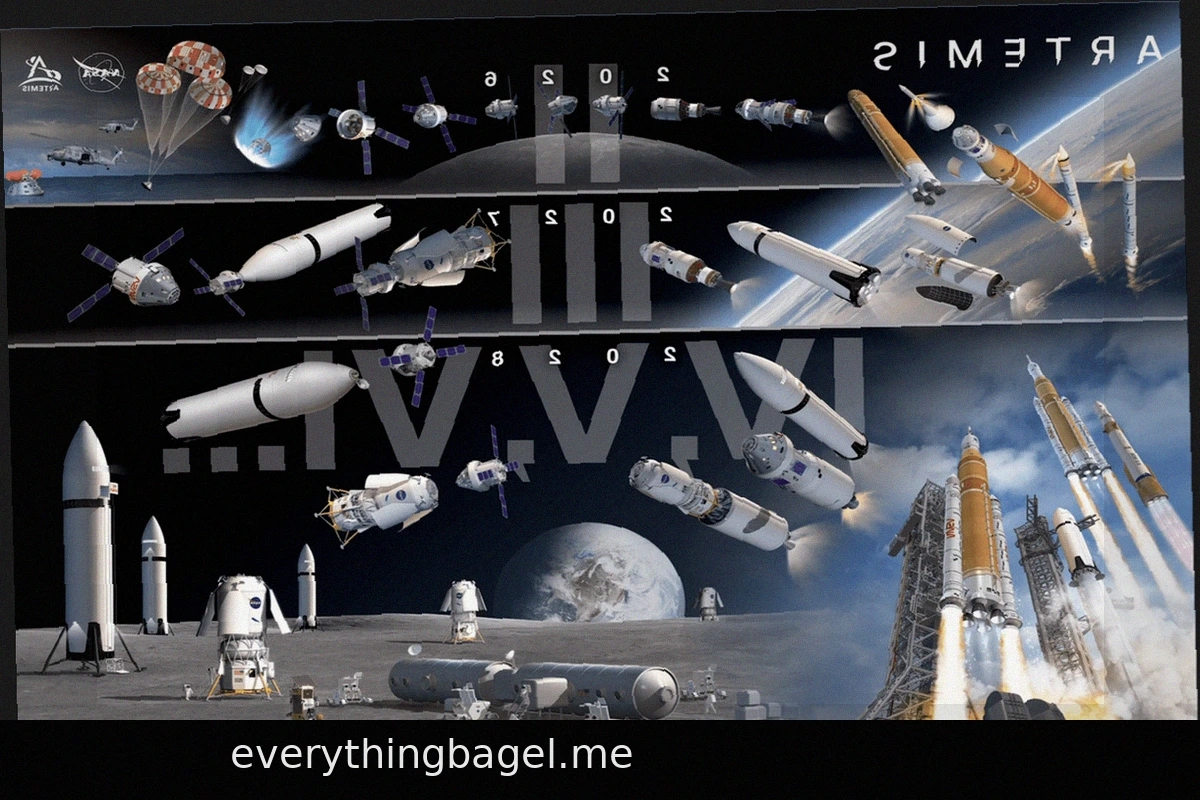
20 July 1969: The Apollo 11 Mission and the Moment That Changed the World
On July 20, 1969, the world paused to witness an event that would forever alter our perception of our place in space. The Apollo 11 mission's Eagle module, with Neil Armstrong and Buzz Aldrin aboard, landed on the Moon, marking a turning point in the history of human exploration. As the words
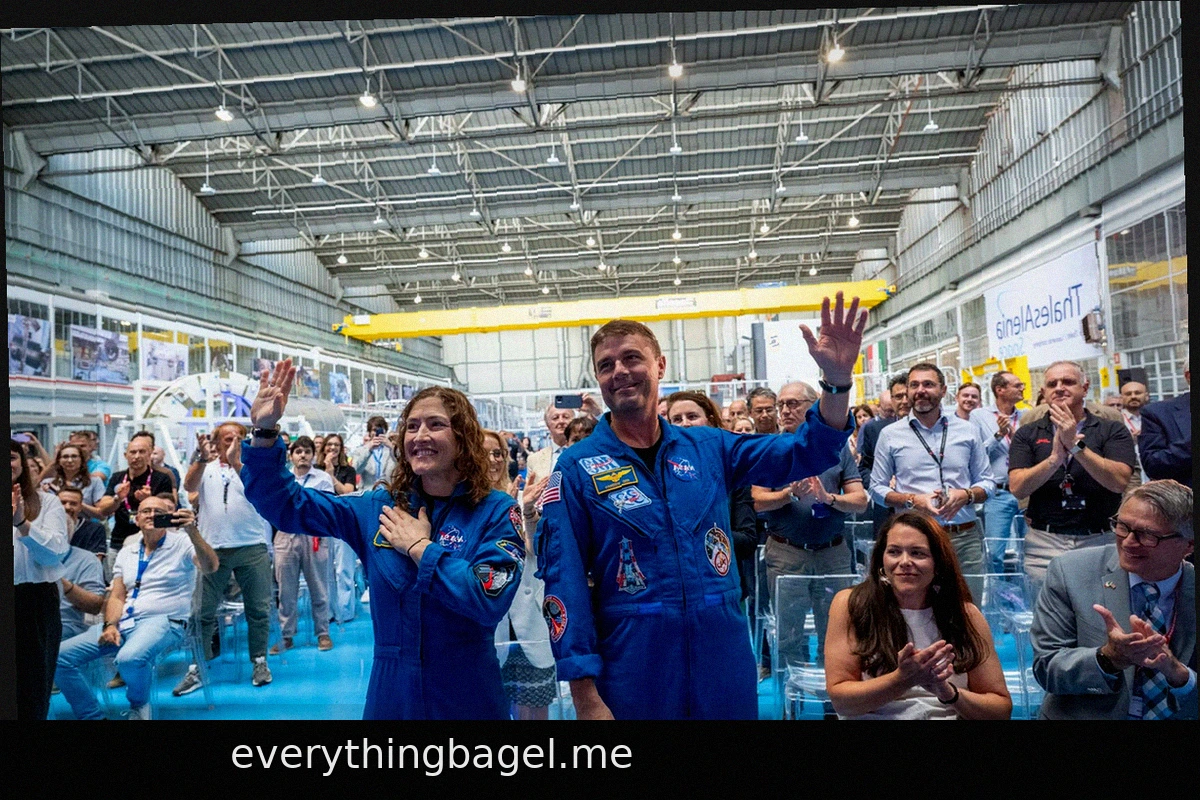
We Met Artemis Astronauts Reid Wiseman and Christina Koch
In April of this year, four individuals embarked on a journey to the Moon. This had not happened since 1972, when the Apollo 17 mission, the last of the previous lunar exploration program, was launched in December. Now, in 2026, we can finally say that the Artemis Program has begun, starting wi

Giorgio Saccoccia Named President of Vast Europe
Vast, the American company developing the commercial space station Haven-1, announced on April 10th the appointment of Giorgio Saccoccia as its President for Europe. He will be the company's first executive based in Europe and will be tasked with leading its European presence, collaborating wi