Giorgio Saccoccia Named President of Vast Europe
Vast, the American company developing the commercial space station Haven-1, announced on April 10th the appointment of Giorgio Saccoccia as its President for Europe. He will be the company's first executive based in Europe and will be tasked with leading its European presence, collaborating with governments and space agencies on future human and scientific missions aboard the stations Vast is designing.
This appointment marks a significant return to a senior operational role in the space sector for Saccoccia, following an extensive career within European institutions. Previously, he served as the President of the Italian Space Agency and was the Head of the Propulsion and Aerothermodynamics Division at the European Space Agency (ESA), in addition to acting as an advisor to the Director General of ESA.
The appointment comes at a critical juncture for Vast. While the company announced the integration of Haven-1 had begun in January 2026, it also rescheduled the station's launch from its initial 2026 window to early 2027. Nevertheless, Haven-1 remains Vast's flagship project, aiming to demonstrate its capability to construct and operate a commercial station in low Earth orbit, paving the way for a broader architecture based on future Haven modules.
In recent months, Vast has also bolstered its industrial and financial structure. In March, the company announced the successful closure of a $500 million funding round to accelerate the production of Haven-series stations. In early April, Vast also revealed the opening of a new office in Houston. Against this backdrop, Saccoccia's appointment can be seen as a further step in consolidating international institutional relationships, particularly within Europe.
Vast's European Strategy
Earlier, in June 2024, ESA and Vast had already signed a Memorandum of Understanding to explore future collaborations in low Earth orbit beyond the ISS. This agreement outlined potential missions for European astronauts to future Vast stations, opportunities for research and industrial development, and the involvement of European industry in supplying subsystems and providing future cargo and crew services. ESA had presented this agreement as a component of its strategy to manage the transition beyond the International Space Station after 2030.
In this context, the selection of Saccoccia appears to strengthen Vast's European engagement. This move is particularly relevant as numerous companies are vying for positions in the emerging market for future commercial destinations in low Earth orbit, a sector that appears to be at a pivotal moment.
The ISS is slated for deorbiting by the end of the decade, although the US government is reportedly exploring avenues to extend its operational life. Concurrently, the landscape for commercial space station projects seems to be evolving, with NASA recently proposing the attachment of new modules to the ISS rather than funding entirely new space stations. This revised proposal is currently awaiting industry feedback, having been announced on March 24th as part of NASA's Ignition program for infrastructure restructuring.
Fresh materials — Science News
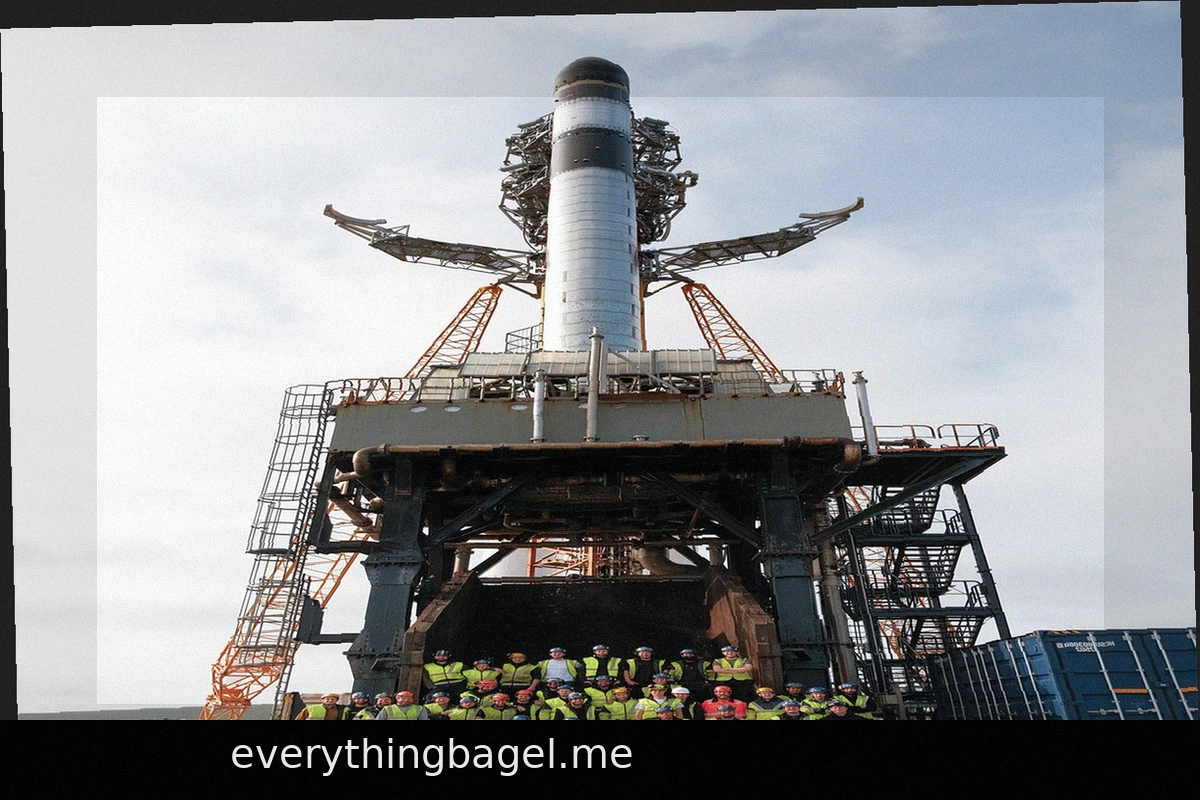
UK Invests £60 Million to Finalize SaxaVord Spaceport
The British government has announced an investment of £30 million in the SaxaVord spaceport, located in the Shetland Islands, Scotland. A portion of this funding will be public, supplemented by an anticipated £30 million from private investors, totaling £60 million to complete the launch site'
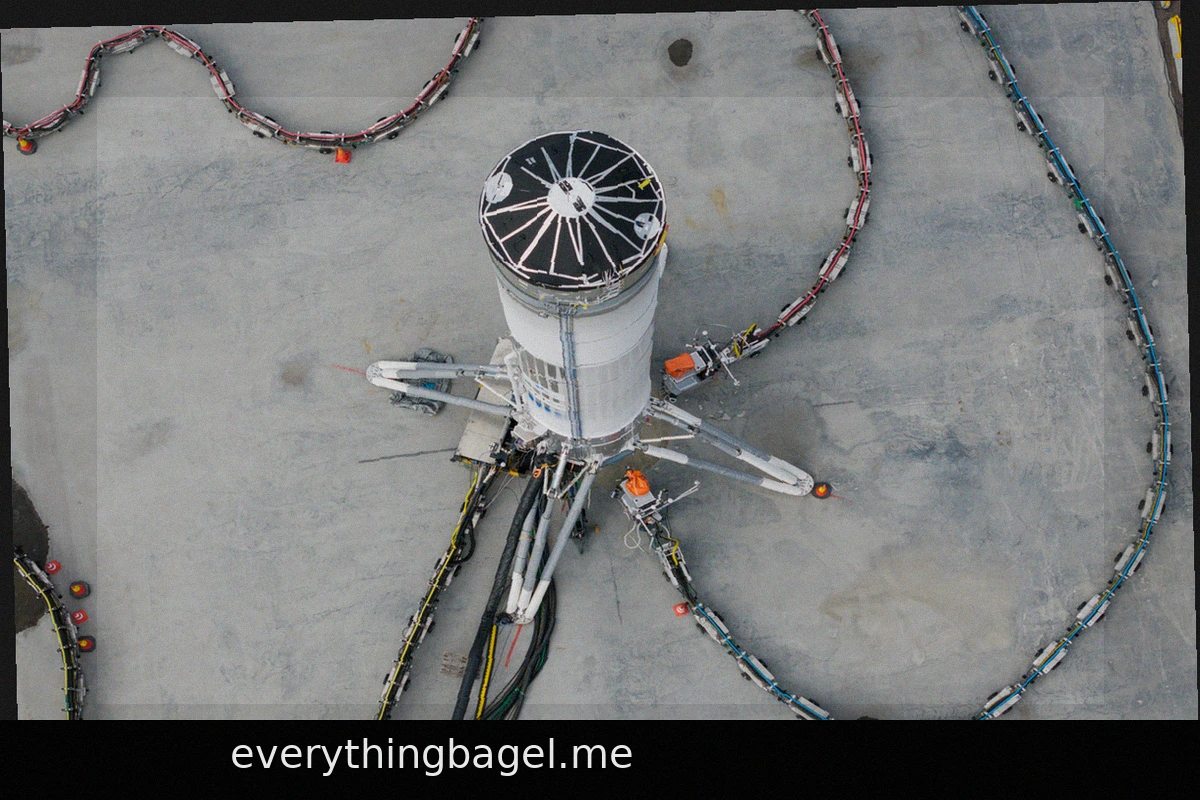
European Reusable Rocket Demonstrator Themis Completes Wet Dress Rehearsal Test
On July 23, 2026, the European demonstrator, Themis, successfully completed a wet dress rehearsal at the Esrange Space Center in northern Sweden. This test allowed teams from ArianeGroup and SSC Space (the company managing the Esrange spaceport) to simulate the full day's operational sequence
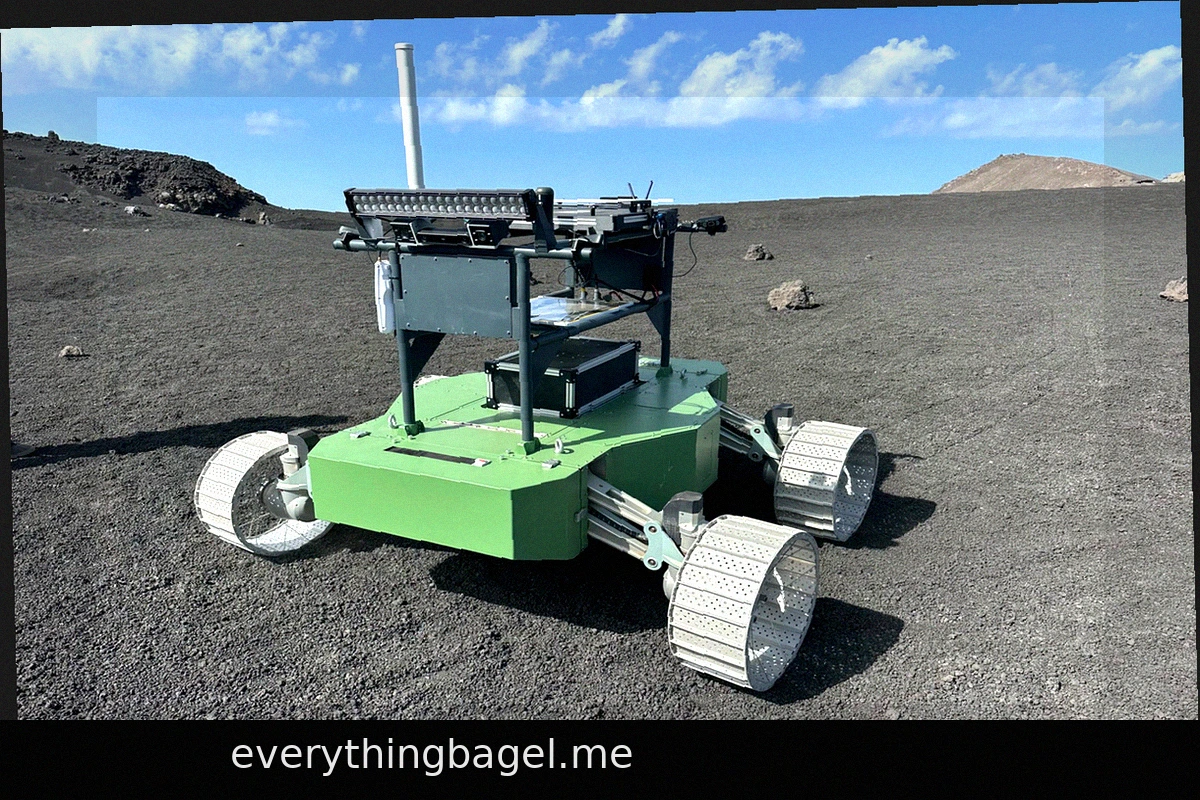
Italian Rover ETNA Completes Etna Tests for Future Lunar Missions
The testing campaign for the ETNA (Exploration Technology for Navigation & Autonomy) rover, developed as part of the Italian Space Agency (ASI) Universal Locomotion System program, has successfully concluded. For several weeks, the rover operated on the slopes of Mount Etna, tackling volcanic
Telespazio Inaugurates New Satellite Antenna in the Azores
Telespazio has unveiled a new S/X band satellite antenna on Santa Maria Island, located in the Portuguese archipelago of the Azores. This new infrastructure is a significant addition to the company's international ground station network and will be utilized for communications with low Earth or
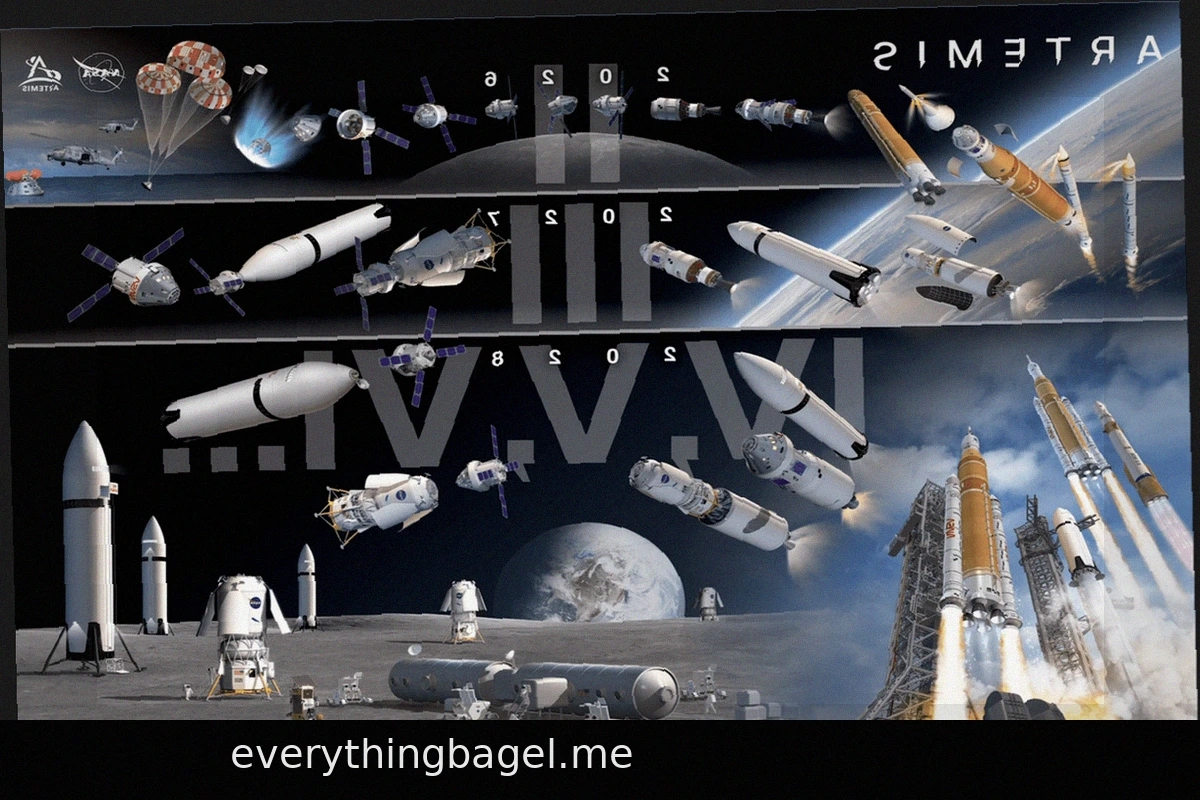
20 July 1969: The Apollo 11 Mission and the Moment That Changed the World
On July 20, 1969, the world paused to witness an event that would forever alter our perception of our place in space. The Apollo 11 mission's Eagle module, with Neil Armstrong and Buzz Aldrin aboard, landed on the Moon, marking a turning point in the history of human exploration. As the words
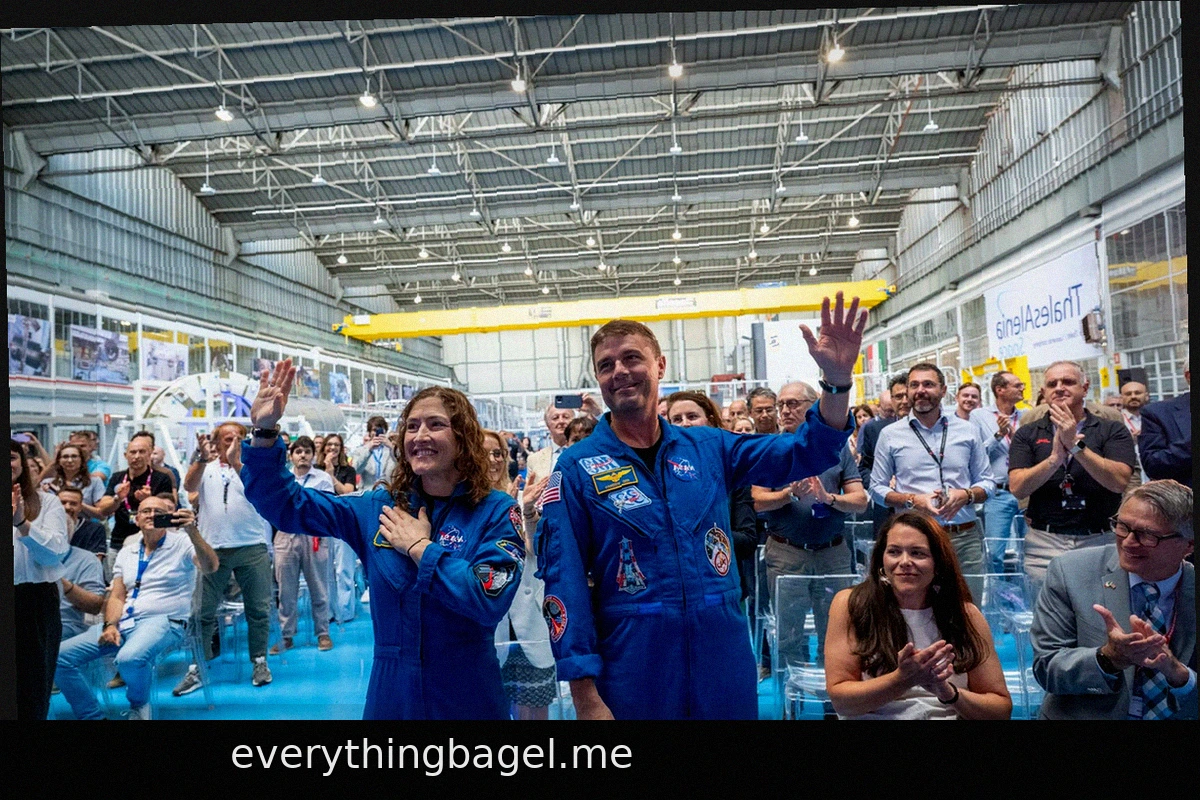
We Met Artemis Astronauts Reid Wiseman and Christina Koch
In April of this year, four individuals embarked on a journey to the Moon. This had not happened since 1972, when the Apollo 17 mission, the last of the previous lunar exploration program, was launched in December. Now, in 2026, we can finally say that the Artemis Program has begun, starting wi