Vega-C Launch of SMILE Mission Postponed by Avio Due to Technical Issue
The launch of the SMILE (Solar wind Magnetosphere Ionosphere Link Explorer) mission, a collaborative effort between the European Space Agency (ESA) and the Chinese Academy of Sciences (CAS), originally scheduled for April 9, 2026, aboard the European Vega-C rocket's VV29 mission, has been postponed. Avio announced the delay on April 5, explaining that it was caused by a technical issue identified during the production of a subsystem component. This problem surfaced after the rocket had already been fully assembled.
As a result, additional rigorous checks are now required. The primary objective is to determine whether the production line fault also affects the Vega-C rocket currently prepared for launch. Only after these comprehensive verifications can the system be confirmed as safe for flight, allowing for a new launch date to be set.
SMILE is a mission designed to uniquely study the interaction between the Sun and Earth's magnetic field in X-ray and ultraviolet wavelengths. Its goal is to gain a deeper understanding of how solar wind impacts Earth's magnetosphere. The launch window for this crucial mission is set to close on May 7.
Ongoing Investigations
Specific details about the component involved have not yet been released. However, Avio has confirmed that both the Vega-C launcher and the SMILE satellite remain in safe condition. This postponement comes at an advanced stage of the launch campaign; operations at Kourou commenced in mid-February with the transfer of the P120C first stage to the launch pad. By early April, the satellite, already encapsulated within its fairing, had been integrated, signifying the completion of the primary pre-launch activities.
The issue was identified on a supplier's production line, and thorough checks are currently underway to ensure the same problem is not present on the rocket that is already prepared for flight.
Avio has indicated that a new launch date will only be announced once these critical controls are finalized, which are essential for confirming the system's flight readiness. This situation also arises at a particularly sensitive time for the launcher's program, as this specific Vega-C flight is set to be the first to be operated entirely by Avio, following the full transfer of responsibilities from Arianespace, completed in 2025.
Fresh materials — Science News
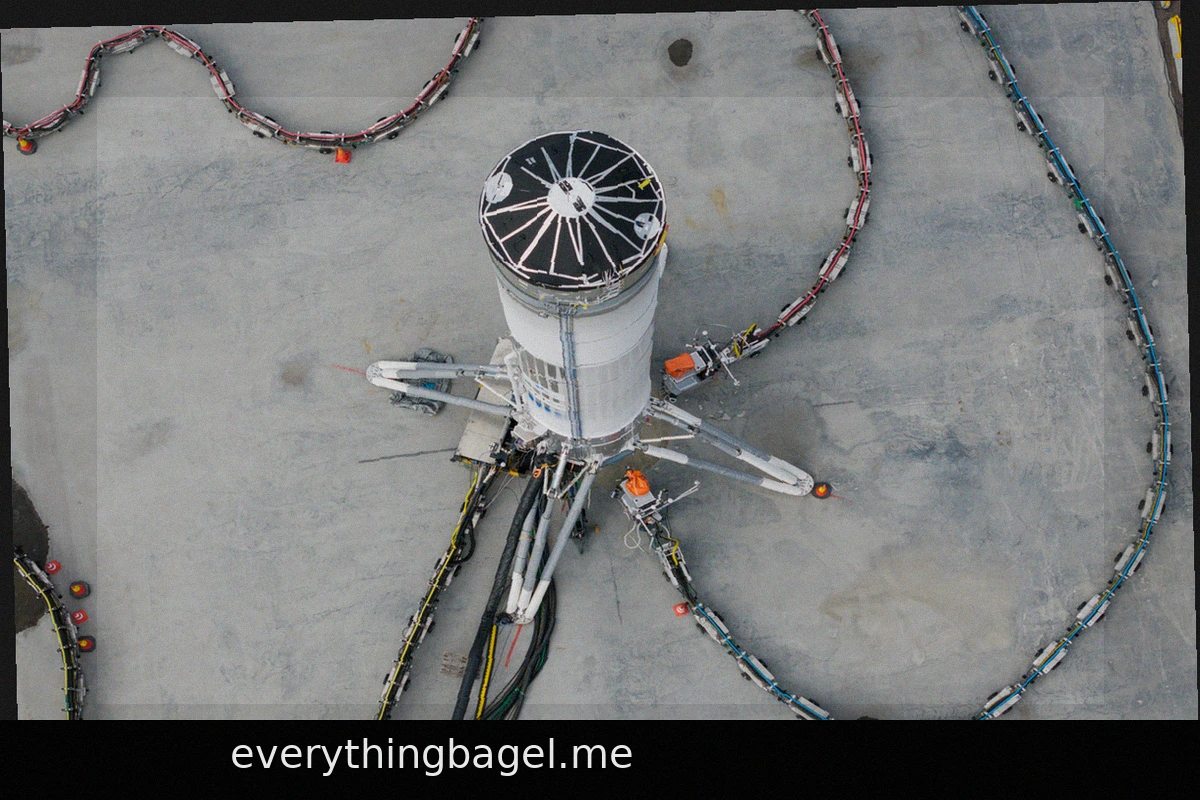
European Reusable Rocket Demonstrator Themis Completes Wet Dress Rehearsal Test
On July 23, 2026, the European demonstrator, Themis, successfully completed a wet dress rehearsal at the Esrange Space Center in northern Sweden. This test allowed teams from ArianeGroup and SSC Space (the company managing the Esrange spaceport) to simulate the full day's operational sequence
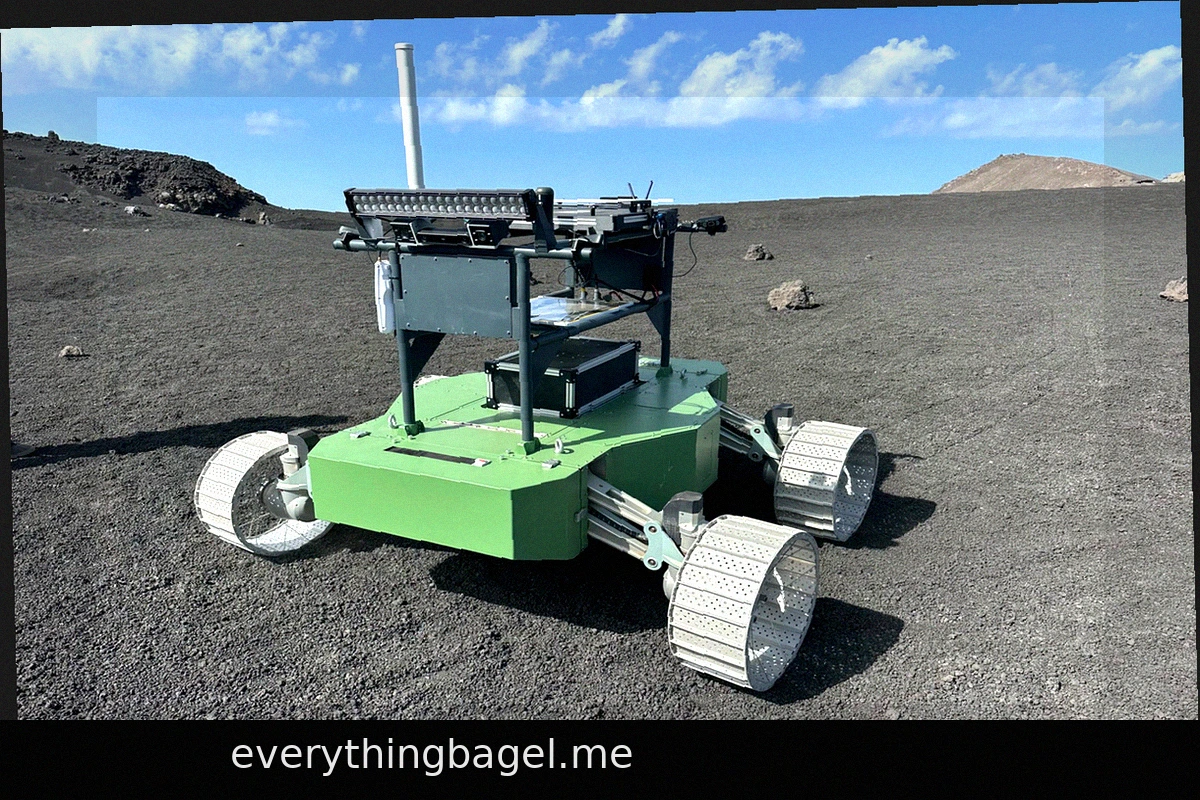
Italian Rover ETNA Completes Etna Tests for Future Lunar Missions
The testing campaign for the ETNA (Exploration Technology for Navigation & Autonomy) rover, developed as part of the Italian Space Agency (ASI) Universal Locomotion System program, has successfully concluded. For several weeks, the rover operated on the slopes of Mount Etna, tackling volcanic
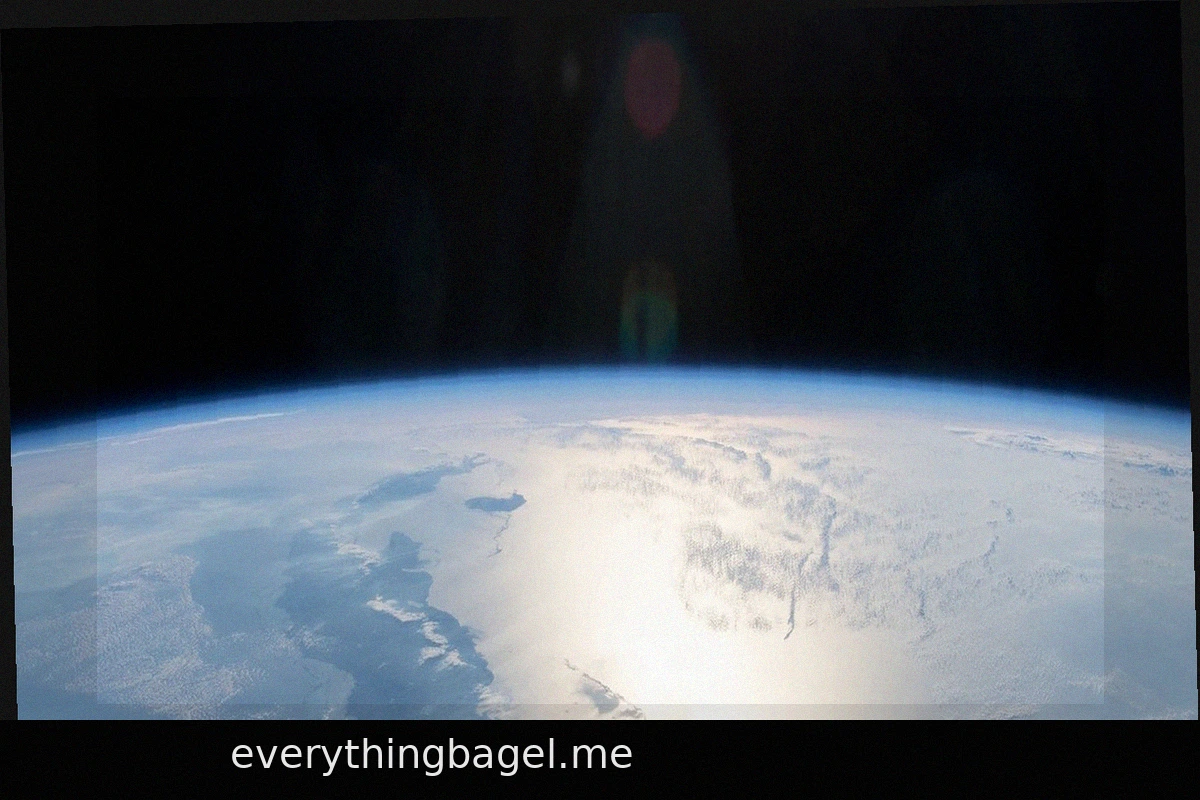
Telespazio Inaugurates New Satellite Antenna in the Azores
Telespazio has unveiled a new S/X band satellite antenna on Santa Maria Island, located in the Portuguese archipelago of the Azores. This new infrastructure is a significant addition to the company's international ground station network and will be utilized for communications with low Earth or
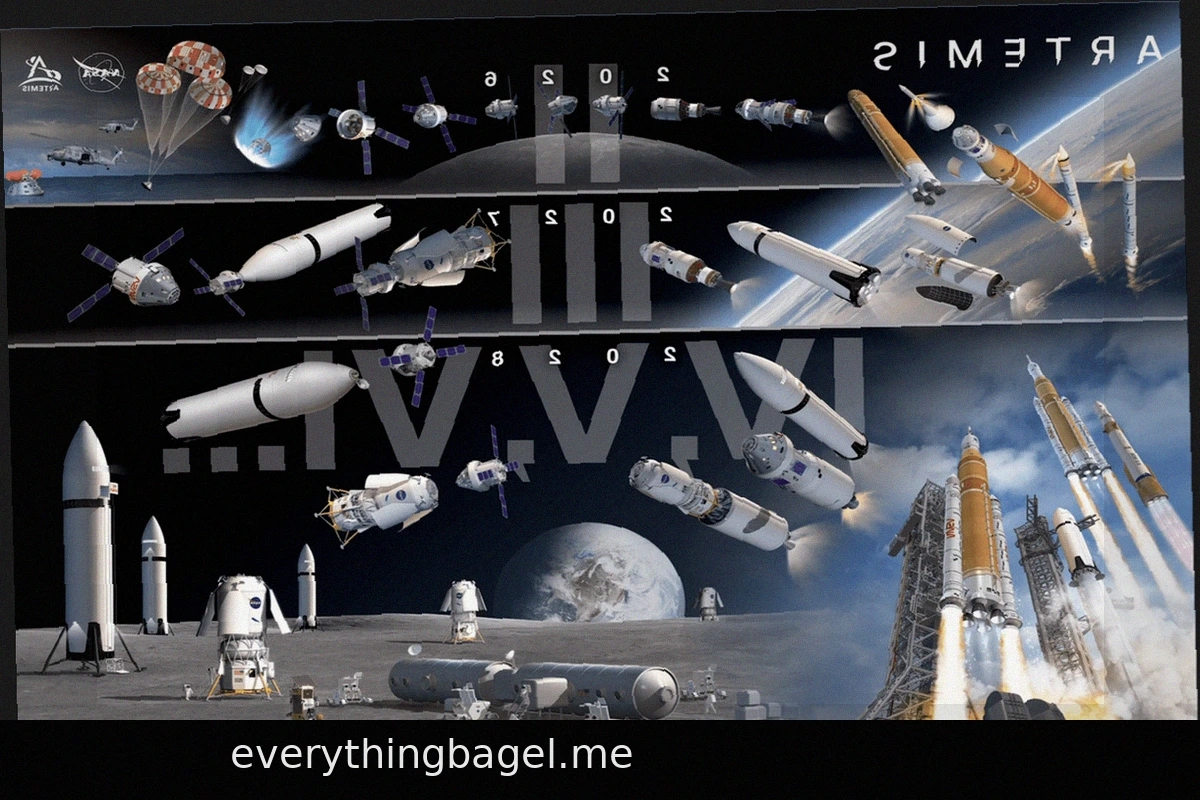
20 July 1969: The Apollo 11 Mission and the Moment That Changed the World
On July 20, 1969, the world paused to witness an event that would forever alter our perception of our place in space. The Apollo 11 mission's Eagle module, with Neil Armstrong and Buzz Aldrin aboard, landed on the Moon, marking a turning point in the history of human exploration. As the words
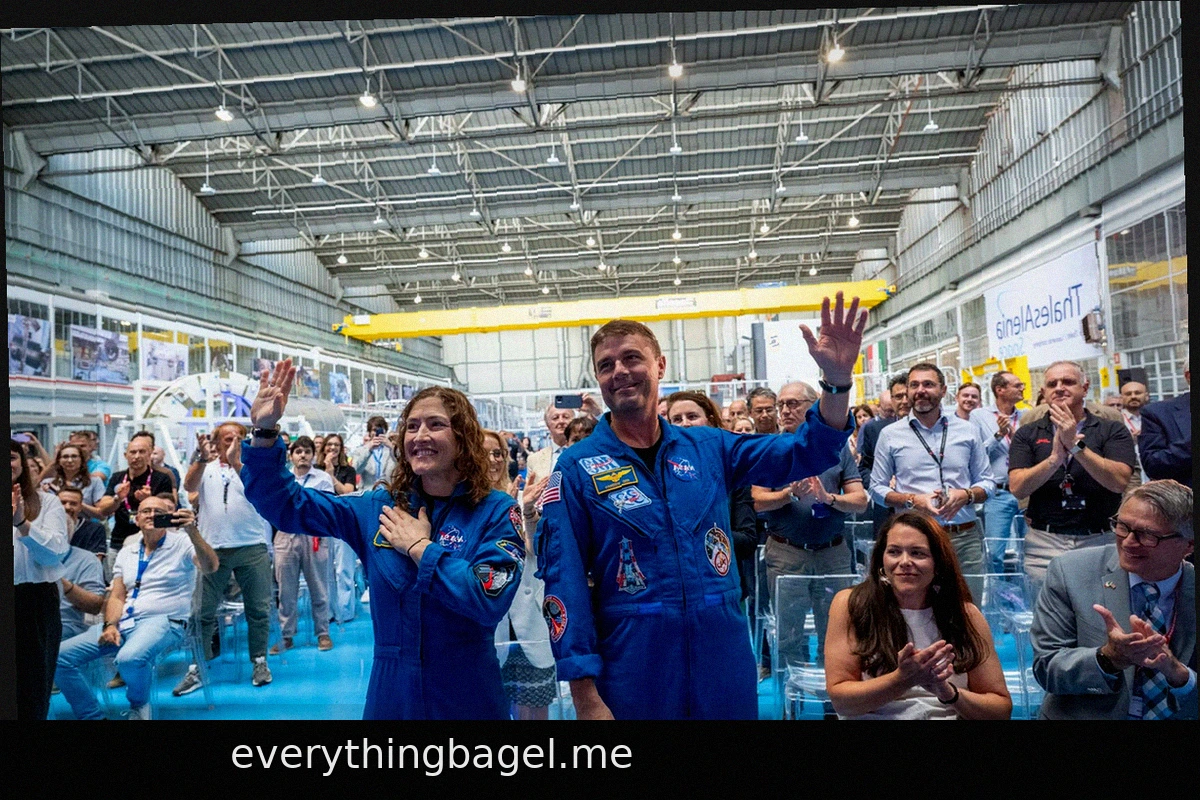
We Met Artemis Astronauts Reid Wiseman and Christina Koch
In April of this year, four individuals embarked on a journey to the Moon. This had not happened since 1972, when the Apollo 17 mission, the last of the previous lunar exploration program, was launched in December. Now, in 2026, we can finally say that the Artemis Program has begun, starting wi

Giorgio Saccoccia Named President of Vast Europe
Vast, the American company developing the commercial space station Haven-1, announced on April 10th the appointment of Giorgio Saccoccia as its President for Europe. He will be the company's first executive based in Europe and will be tasked with leading its European presence, collaborating wi