Canada Invests Over $300 Million in National Spaceport and Three Launch Startups
Canada has announced its intention to develop its own autonomous space access capability, focusing on both launch vehicles and infrastructure. It has committed 200 million Canadian dollars towards the construction of a national spaceport in Nova Scotia.
The announcement, made in Ottawa by Defense Minister David J. McGuinty, underscores space's critical role as a key domain for security and economic development within Canada's new defense industrial strategy.
The project includes a ten-year agreement for the use of a dedicated launch pad for national and defense launches. This pad will be built at Maritime Launch Services' future spaceport, located near Canso on Nova Scotia's Atlantic coast. Initially conceived by the company for its own launches, the site will evolve into a multi-user spaceport, featuring a specific pad for government missions.
The spaceport will serve the Department of National Defence, the Canadian Armed Forces, and other government agencies, while also providing access for international partners and commercial users.
"Launch the North": Developing National Launch Vehicles
Currently, Canada lacks autonomous access to space, possessing neither a spaceport nor a national launch operator—meaning a Canadian-designed rocket.
To address this gap, in parallel with the Nova Scotia spaceport funding, the government has launched the "Launch the North" program, part of the IDEaS initiative, allocating 105 million dollars for the development of launch technologies. The goal is to achieve operational capability with a small launch vehicle by 2028, using rockets developed and launched from Canadian territory. Three companies have been selected for the first phase of funding:
- NordSpace, with the Tundra project
- Canada Rocket Company, with a sovereign launch program
- Reaction Dynamics, with the Aurora-8 launch vehicle

Each of these companies will receive 8.3 million dollars, essential funds for prototype development and demonstration of necessary technologies, thereby contributing to the creation of a national space launch supply chain.
Canada has also announced its intention to fully join the NATO STARLIFT initiative, which aims to establish a distributed network of spaceports among member states to ensure rapid and resilient launch capabilities.
Canada's initiative aligns with a broader trend among Western nations towards autonomous space access. Orbit is now considered a critical and fundamental asset, not only for national security but also for commercial and social endeavors. This trend is also evident in Europe, where countries such as Germany, Spain, and, to some extent, the United Kingdom are developing their own space access capabilities.
All monetary figures mentioned in this article refer to Canadian dollars. 300 million Canadian dollars is approximately equivalent to 220 million US dollars.
Fresh materials — Science News
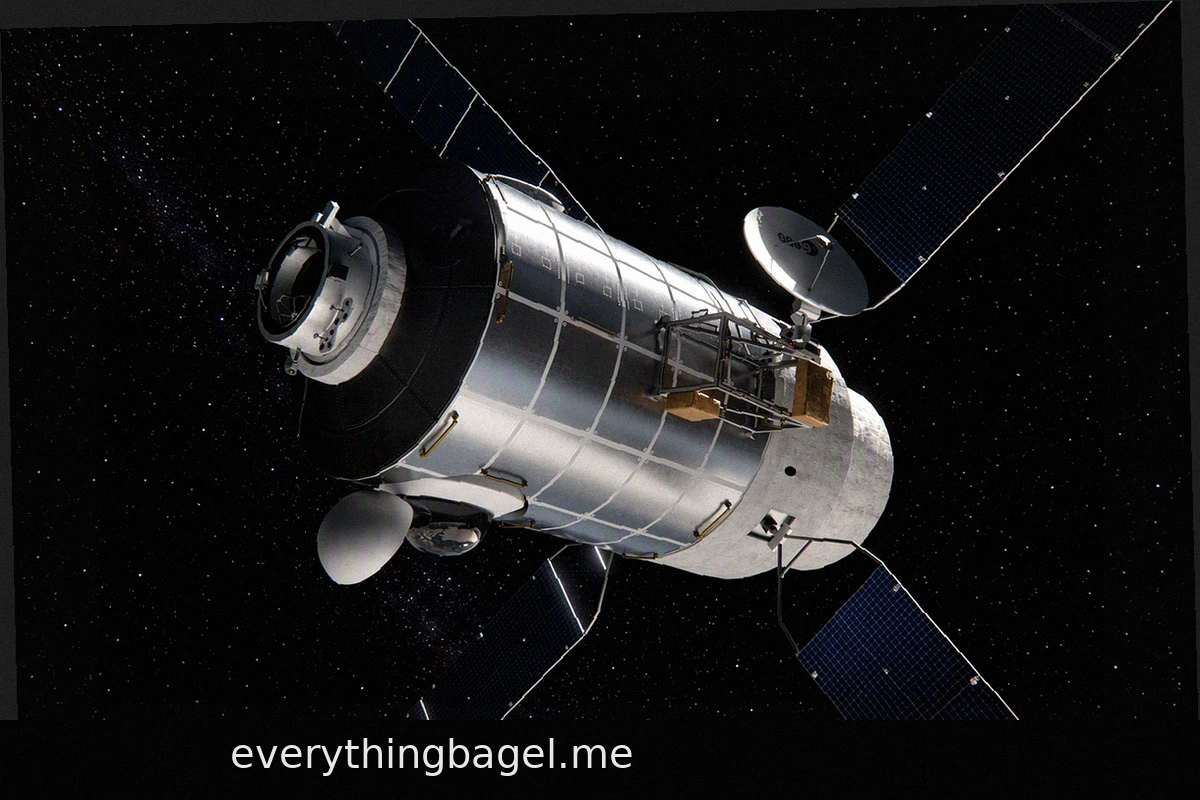
ESA Initiates European Space Station Feasibility Studies with Airbus and OHB
The European Space Agency (ESA) has commissioned parallel studies by Airbus Defence and Space and OHB to assess the feasibility of a future European-led space station in low Earth orbit. This initiative is part of ESA's preparations for the post-International Space Station (ISS) era. Currently
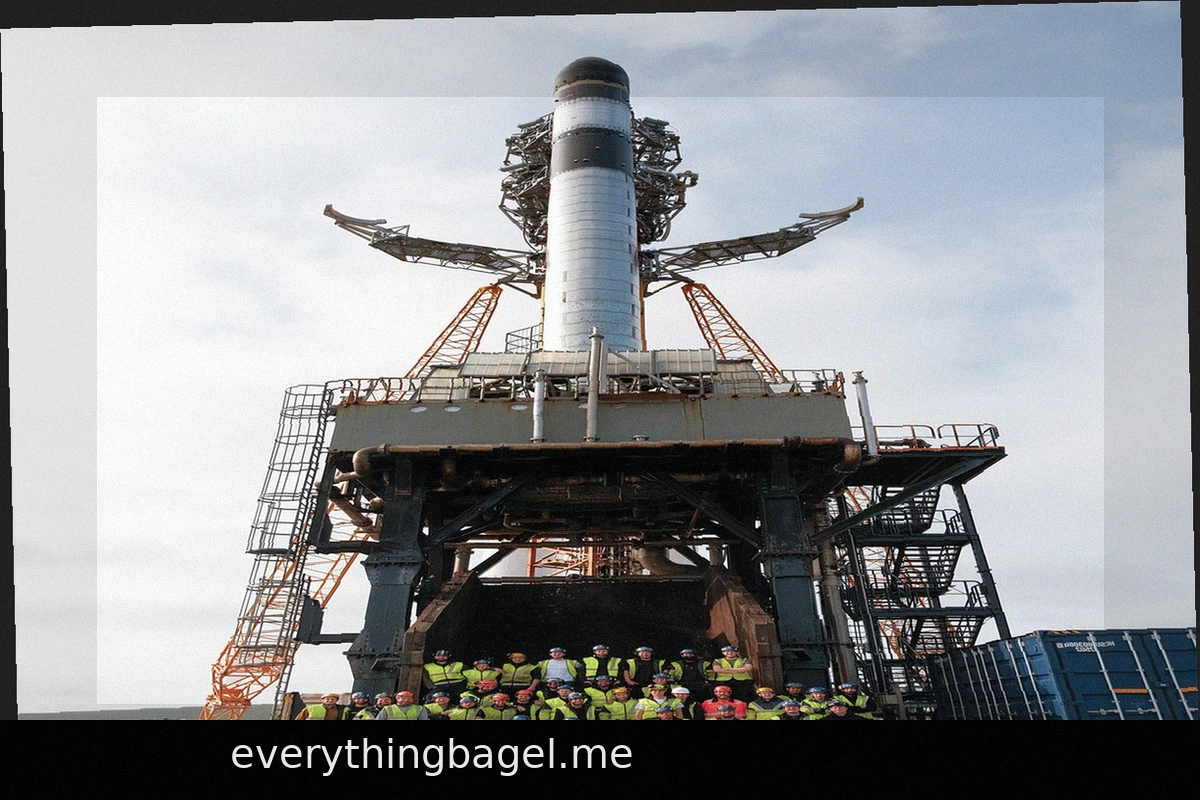
UK Invests £60 Million to Finalize SaxaVord Spaceport
The British government has announced an investment of £30 million in the SaxaVord spaceport, located in the Shetland Islands, Scotland. A portion of this funding will be public, supplemented by an anticipated £30 million from private investors, totaling £60 million to complete the launch site'
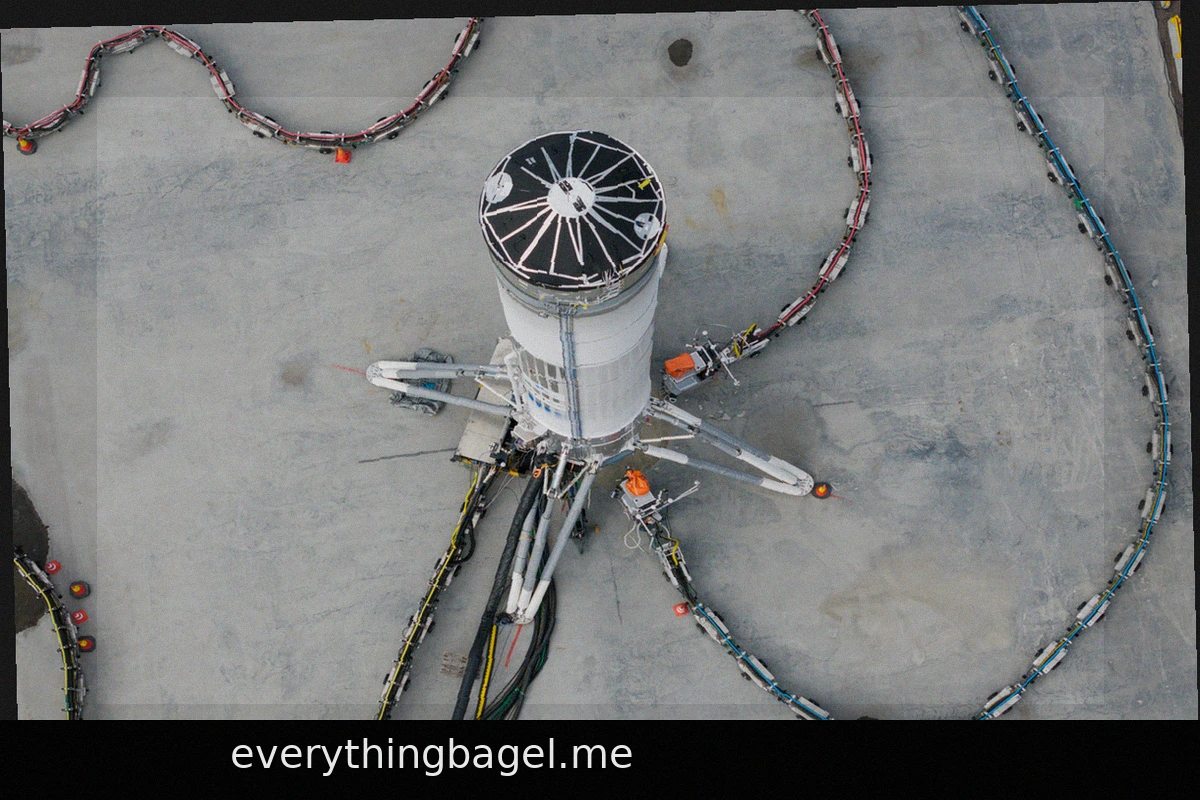
European Reusable Rocket Demonstrator Themis Completes Wet Dress Rehearsal Test
On July 23, 2026, the European demonstrator, Themis, successfully completed a wet dress rehearsal at the Esrange Space Center in northern Sweden. This test allowed teams from ArianeGroup and SSC Space (the company managing the Esrange spaceport) to simulate the full day's operational sequence
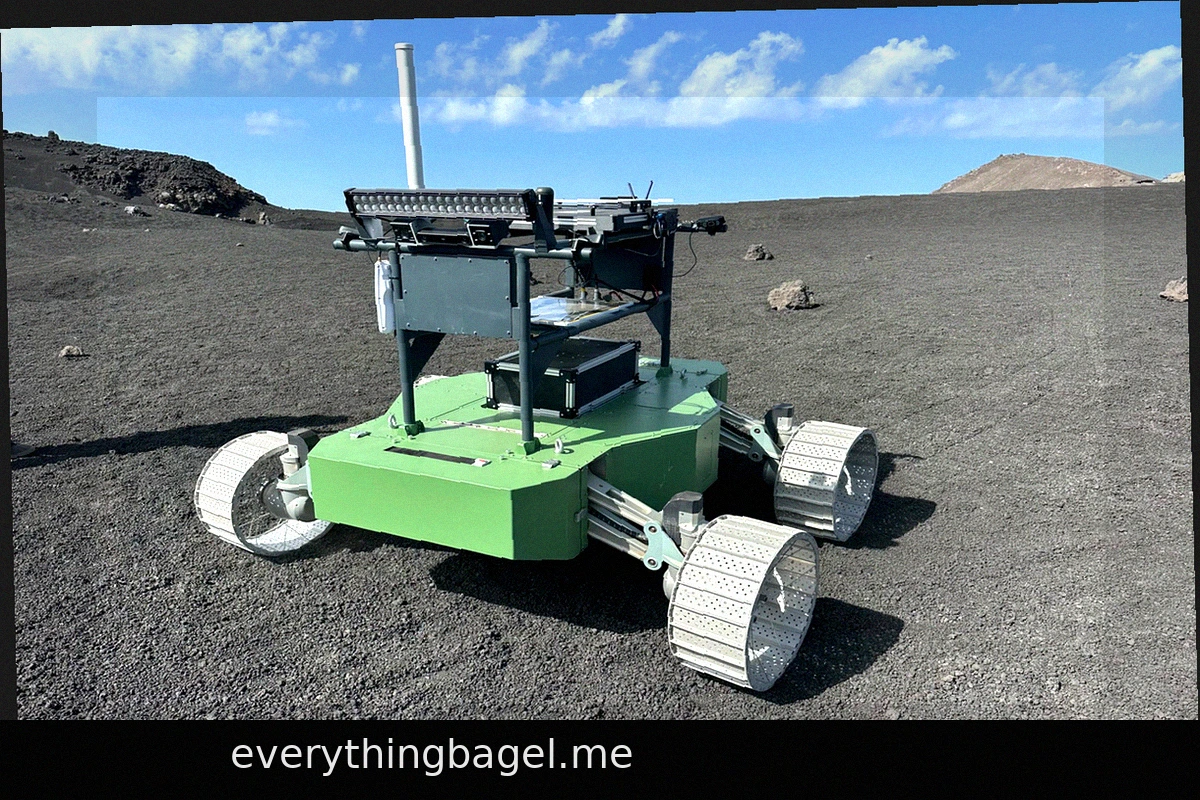
Italian Rover ETNA Completes Etna Tests for Future Lunar Missions
The testing campaign for the ETNA (Exploration Technology for Navigation & Autonomy) rover, developed as part of the Italian Space Agency (ASI) Universal Locomotion System program, has successfully concluded. For several weeks, the rover operated on the slopes of Mount Etna, tackling volcanic

Telespazio Inaugurates New Satellite Antenna in the Azores
Telespazio has unveiled a new S/X band satellite antenna on Santa Maria Island, located in the Portuguese archipelago of the Azores. This new infrastructure is a significant addition to the company's international ground station network and will be utilized for communications with low Earth or
20 July 1969: The Apollo 11 Mission and the Moment That Changed the World
On July 20, 1969, the world paused to witness an event that would forever alter our perception of our place in space. The Apollo 11 mission's Eagle module, with Neil Armstrong and Buzz Aldrin aboard, landed on the Moon, marking a turning point in the history of human exploration. As the words