ESA Launches First Two CELESTE LEO-PNT Satellites on Electron Rocket
On March 28, 2026, at 10:14 AM CET, the first two demonstrator satellites of ESA's CELESTE constellation lifted off from New Zealand aboard a Rocket Lab Electron vehicle, part of the "Daughter of the Stars" mission. The satellites, named IOD-1 and IOD-2 (In Orbit Demonstration), were successfully deployed into a near-polar orbit less than an hour after launch.
These satellites represent the initial phase of the CELESTE LEO-PNT program, an ESA initiative designed to test a novel approach to providing satellite navigation services from Low Earth Orbit. The goal is to complement existing systems like Galileo with closer-to-Earth satellites, transforming previously theoretical technologies into practical applications.
IOD-1 and IOD-2 were constructed by GMV and Thales Alenia Space, who served as prime contractors and are also responsible for operations and the ground segment. With this launch, the program now enters its crucial in-orbit testing phase.
Six Months of In-Orbit Testing
The two satellites are expected to operate for approximately six months. During this period, they will test technologies destined for the future CELESTE constellation. They will provide L-band links, already common in navigation systems, but more importantly, they will trial the use of S-band, an innovative step for ESA in this domain.

The primary objective is to evaluate how a Low Earth Orbit constellation can support Galileo, thereby enhancing the resilience of navigation services. Utilizing diverse orbits and multiple frequency bands aims to mitigate risks associated with interference, spoofing, or potential attacks on satellites. CELESTE is a key component of ESA's European Resilience from Space (ERS) program, pre-approved during the last ESA Ministerial meeting in Bremen.
Meanwhile, Thales Alenia Space has confirmed ongoing work on the next four satellites, slated for launch in 2027. Potential future applications for CELESTE include Direct-to-Device communication services for emergencies.
Fresh materials — Science News
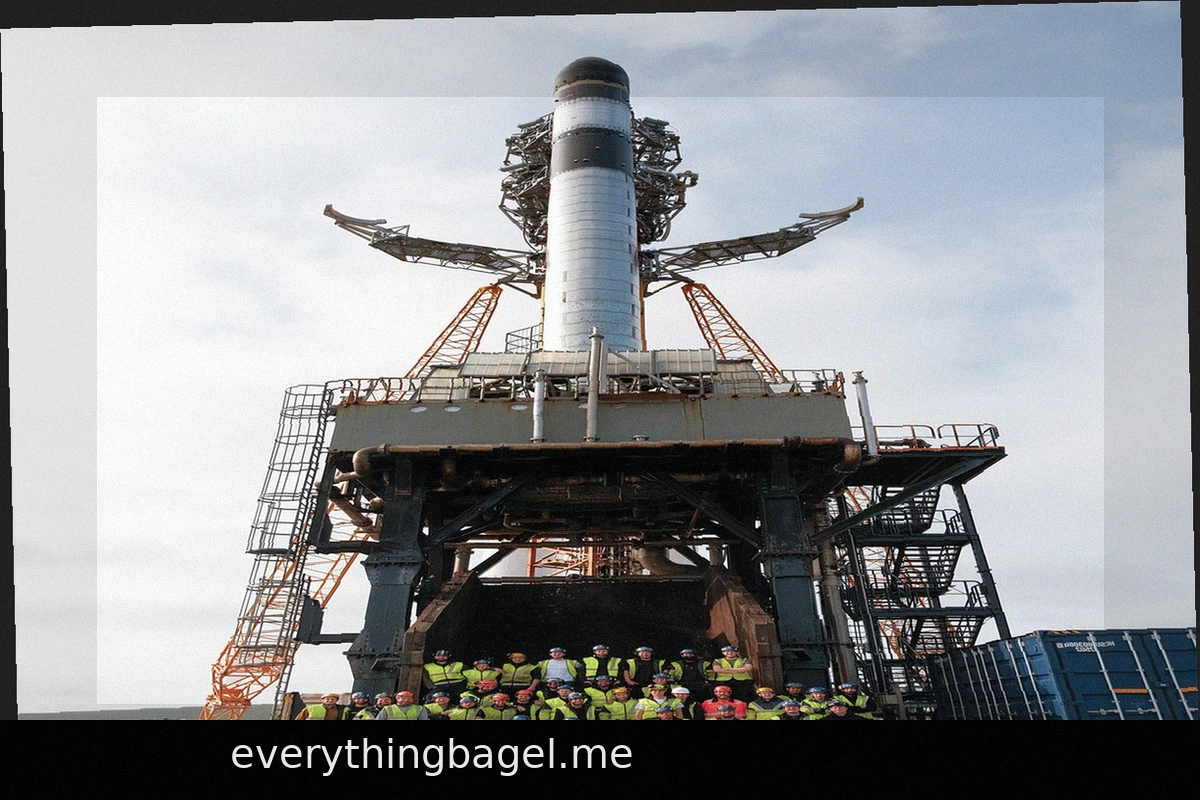
UK Invests £60 Million to Finalize SaxaVord Spaceport
The British government has announced an investment of £30 million in the SaxaVord spaceport, located in the Shetland Islands, Scotland. A portion of this funding will be public, supplemented by an anticipated £30 million from private investors, totaling £60 million to complete the launch site'
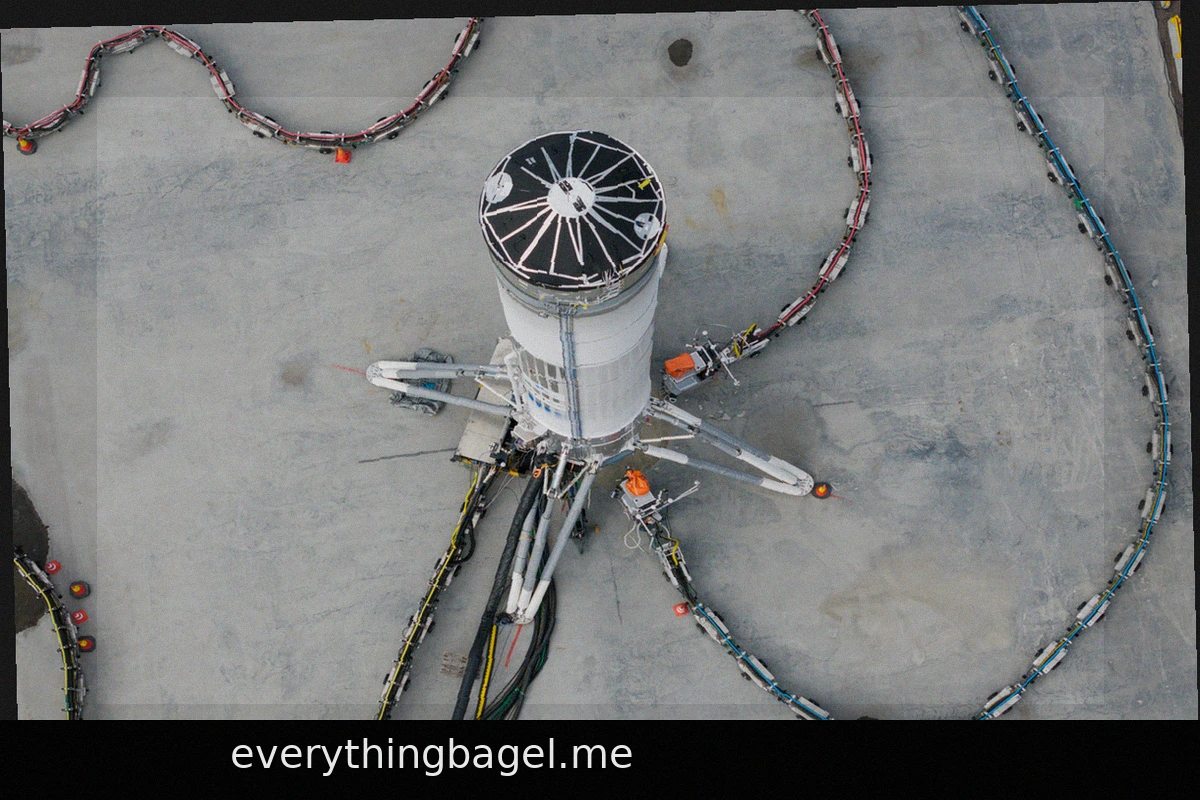
European Reusable Rocket Demonstrator Themis Completes Wet Dress Rehearsal Test
On July 23, 2026, the European demonstrator, Themis, successfully completed a wet dress rehearsal at the Esrange Space Center in northern Sweden. This test allowed teams from ArianeGroup and SSC Space (the company managing the Esrange spaceport) to simulate the full day's operational sequence
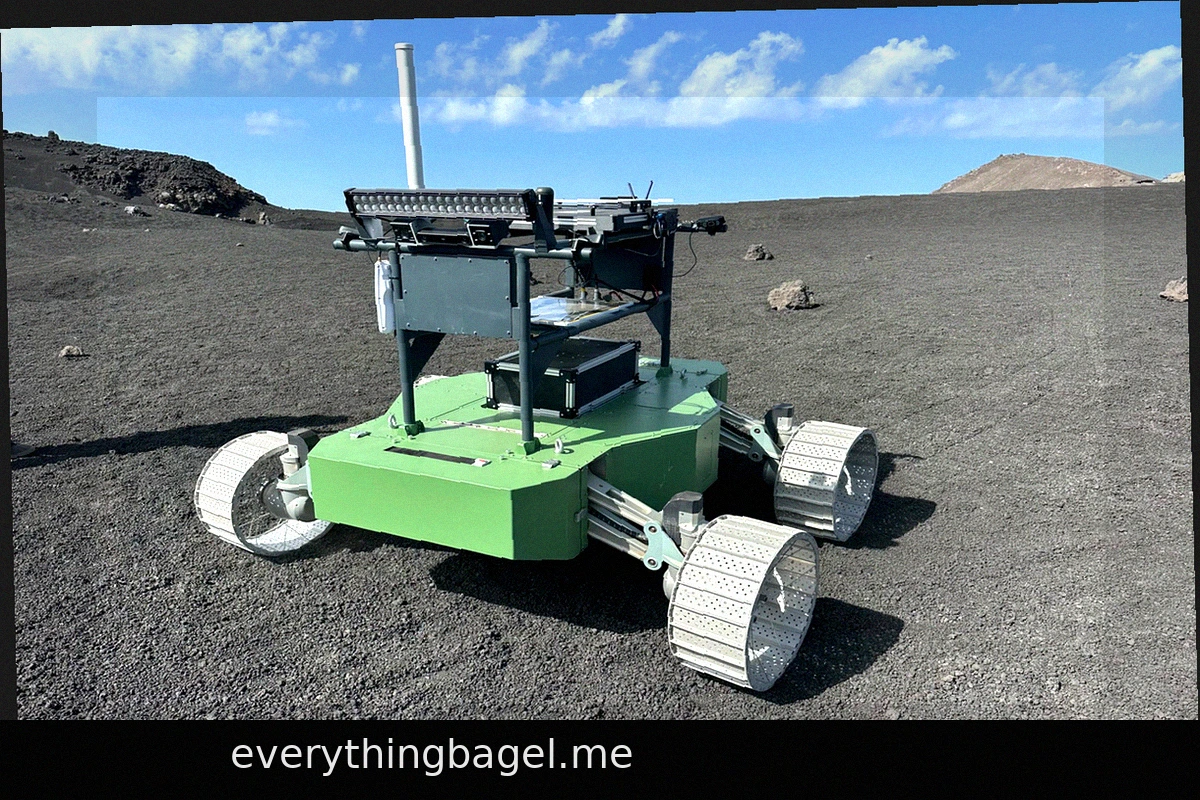
Italian Rover ETNA Completes Etna Tests for Future Lunar Missions
The testing campaign for the ETNA (Exploration Technology for Navigation & Autonomy) rover, developed as part of the Italian Space Agency (ASI) Universal Locomotion System program, has successfully concluded. For several weeks, the rover operated on the slopes of Mount Etna, tackling volcanic

Telespazio Inaugurates New Satellite Antenna in the Azores
Telespazio has unveiled a new S/X band satellite antenna on Santa Maria Island, located in the Portuguese archipelago of the Azores. This new infrastructure is a significant addition to the company's international ground station network and will be utilized for communications with low Earth or
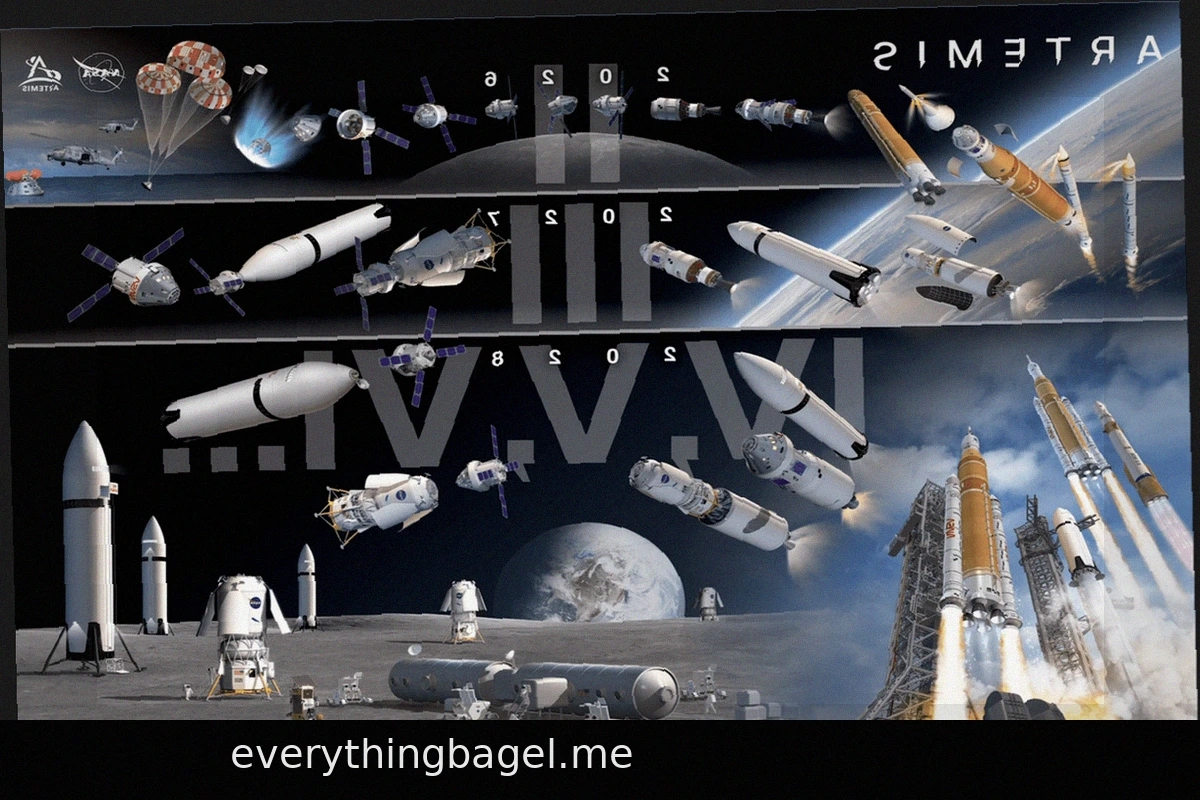
20 July 1969: The Apollo 11 Mission and the Moment That Changed the World
On July 20, 1969, the world paused to witness an event that would forever alter our perception of our place in space. The Apollo 11 mission's Eagle module, with Neil Armstrong and Buzz Aldrin aboard, landed on the Moon, marking a turning point in the history of human exploration. As the words

We Met Artemis Astronauts Reid Wiseman and Christina Koch
In April of this year, four individuals embarked on a journey to the Moon. This had not happened since 1972, when the Apollo 17 mission, the last of the previous lunar exploration program, was launched in December. Now, in 2026, we can finally say that the Artemis Program has begun, starting wi