Hubble Witnesses First-Ever Comet Rotation Reversal
Comets are among the most ancient objects in our Solar System, yet they rarely exhibit significant changes over periods as short as months or years. Comet 41P/Tuttle-Giacobini-Kresák, however, has become a unique case: astronomers have observed its rotation not only slow down but completely reverse direction. This marks the first time such a phenomenon has been documented.
This discovery was made possible through various observations, including those from the Hubble Space Telescope. The comet, approximately 1 km wide, belongs to the Jupiter family of comets and completes an orbit around the Sun every 5.4 years. It likely formed in the frigid Kuiper Belt, a distant region at the Solar System's edge, before being gravitationally nudged inward by Jupiter.
During its close approach to the Sun in 2017, astronomers began to notice unusual behavior: the comet's rotation rate was rapidly changing. Initially, it appeared to be merely decelerating, but subsequent observations revealed a more extreme process: its rotation nearly ceased before resuming in the opposite direction. This study, published on March 26, 2026, in The Astronomical Journal, represents a rare example of a comet evolving significantly over a very short timeframe.
Why the Reversal?
The underlying reason for this behavior is linked to the comet's surface activity. As it approaches the Sun, the heat causes ices on its nucleus to evaporate. This process, known as sublimation, creates jets of gas and dust that are expelled into space.
These jets function like small "natural thrusters." If they are not distributed uniformly, they can exert force on the comet and modify its rotation. In the case of 41P, this is precisely what happened. Observations from the Neil Gehrels Swift Observatory had already indicated a rapid deceleration of the comet between March and May 2017, compared to data collected by the Lowell Observatory.
However, images captured by Hubble months later unveiled an even more astonishing change: the comet had resumed rotating more rapidly, but in the opposite direction. Its rotation period had shifted from tens of hours to approximately 14 hours. The simplest hypothesis is that the jets initially slowed the rotation, nearly bringing it to a halt, and then propelled it in the reverse direction. This is feasible because the nucleus is very small, making it more susceptible to such influences.
A Rapidly Changing Comet
Beyond its rotation, the comet's overall activity has also evolved over time. In 2001, during a solar close approach, 41P was exceptionally active for its size. By 2017, however, the amount of gas emitted had decreased by roughly tenfold. This suggests a rapid transformation of the comet's surface, possibly due to the depletion of volatile materials or their concealment beneath layers of dust.
Typically, such changes unfold over very long timescales, often hundreds or thousands of years. In the case of 41P, however, these transformations are occurring within just a few solar passages. This provides astronomers with a unique opportunity to directly observe a comet's evolution.
Models also suggest a potentially unstable future for the comet. Should its rotation accelerate excessively, 41P might lose its structural integrity. Its weak internal forces might prove insufficient to hold it together, potentially leading to fragmentation or complete disintegration.
Fresh materials — Science News
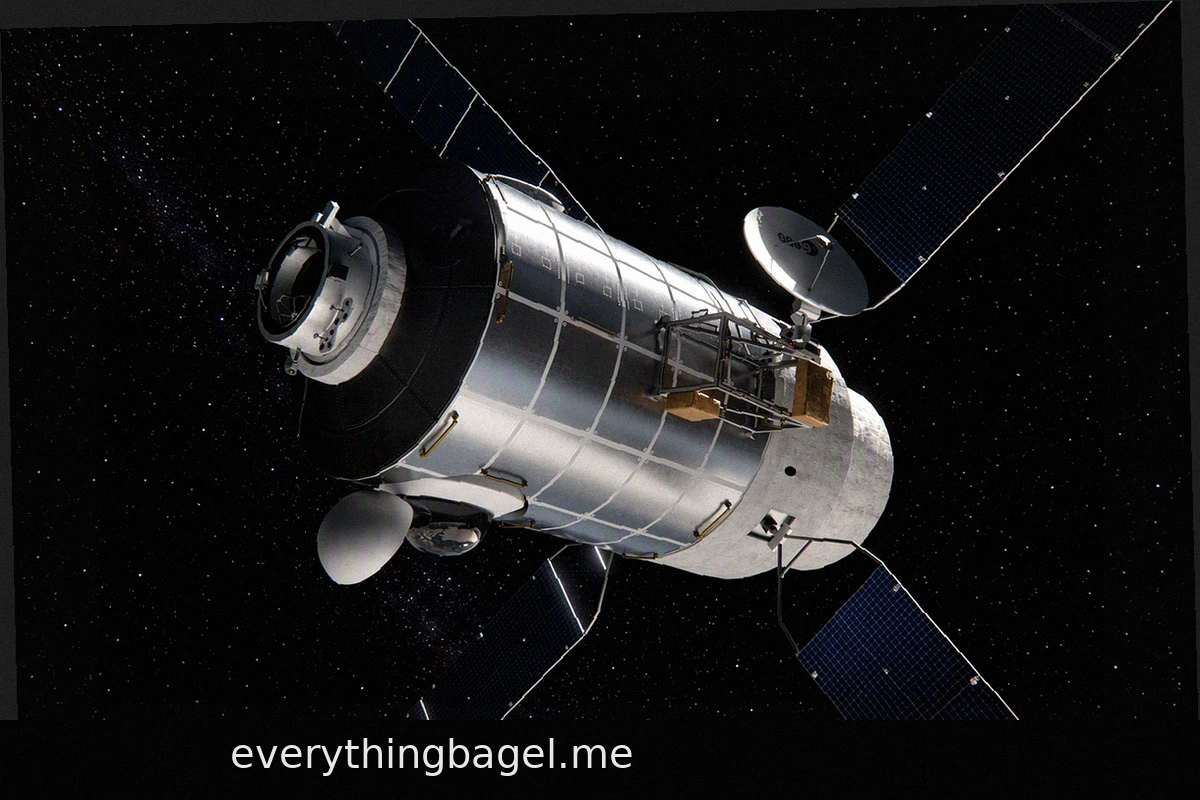
ESA Initiates European Space Station Feasibility Studies with Airbus and OHB
The European Space Agency (ESA) has commissioned parallel studies by Airbus Defence and Space and OHB to assess the feasibility of a future European-led space station in low Earth orbit. This initiative is part of ESA's preparations for the post-International Space Station (ISS) era. Currently
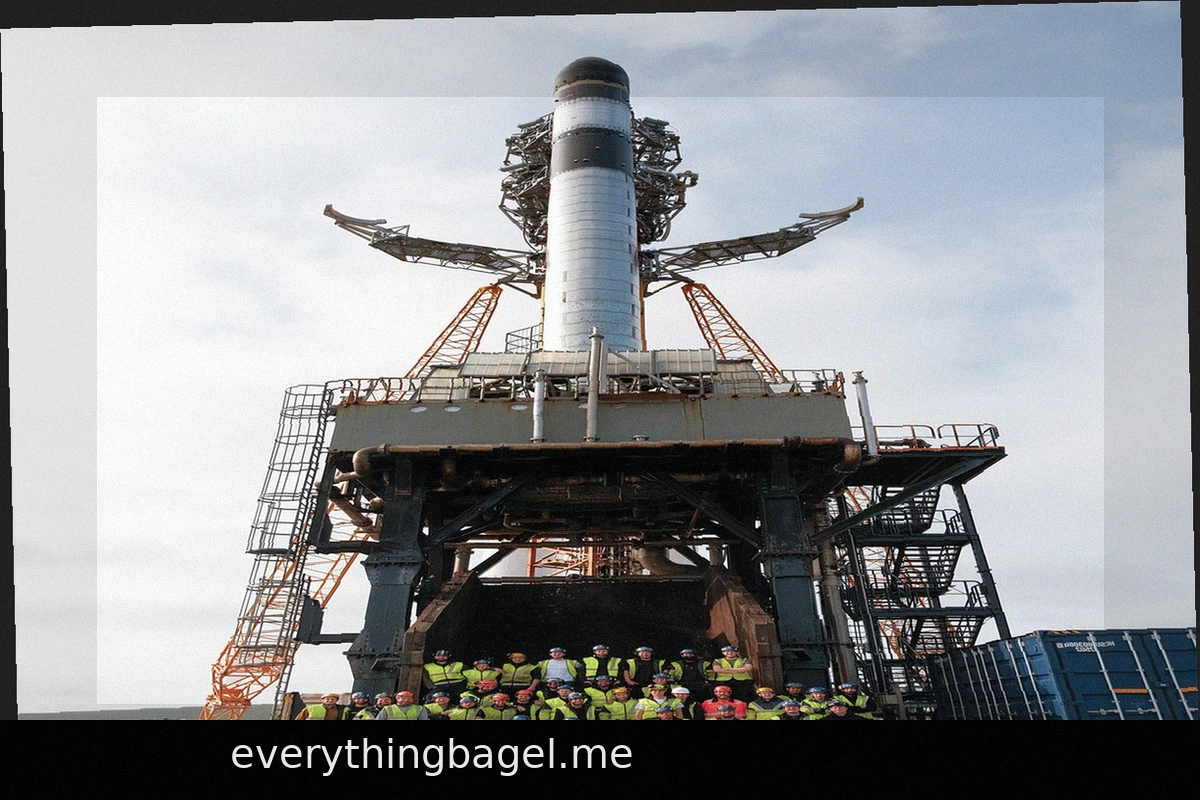
UK Invests £60 Million to Finalize SaxaVord Spaceport
The British government has announced an investment of £30 million in the SaxaVord spaceport, located in the Shetland Islands, Scotland. A portion of this funding will be public, supplemented by an anticipated £30 million from private investors, totaling £60 million to complete the launch site'
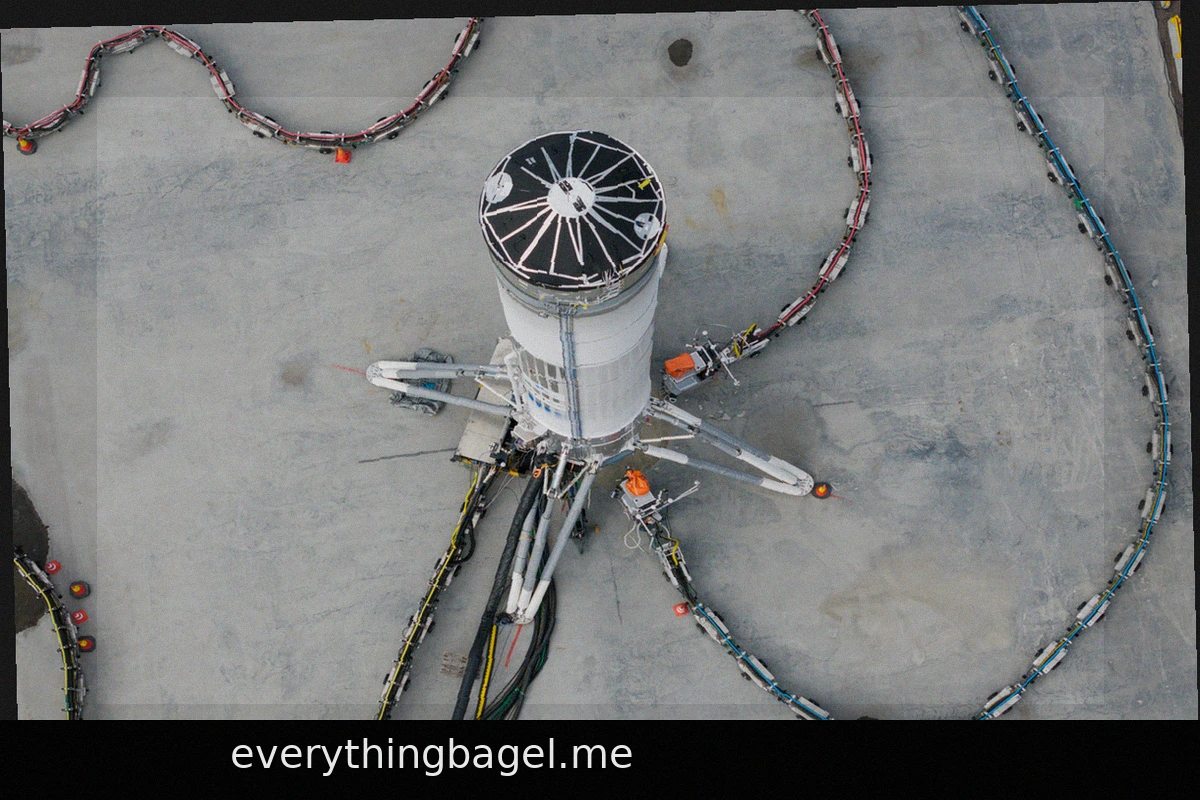
European Reusable Rocket Demonstrator Themis Completes Wet Dress Rehearsal Test
On July 23, 2026, the European demonstrator, Themis, successfully completed a wet dress rehearsal at the Esrange Space Center in northern Sweden. This test allowed teams from ArianeGroup and SSC Space (the company managing the Esrange spaceport) to simulate the full day's operational sequence
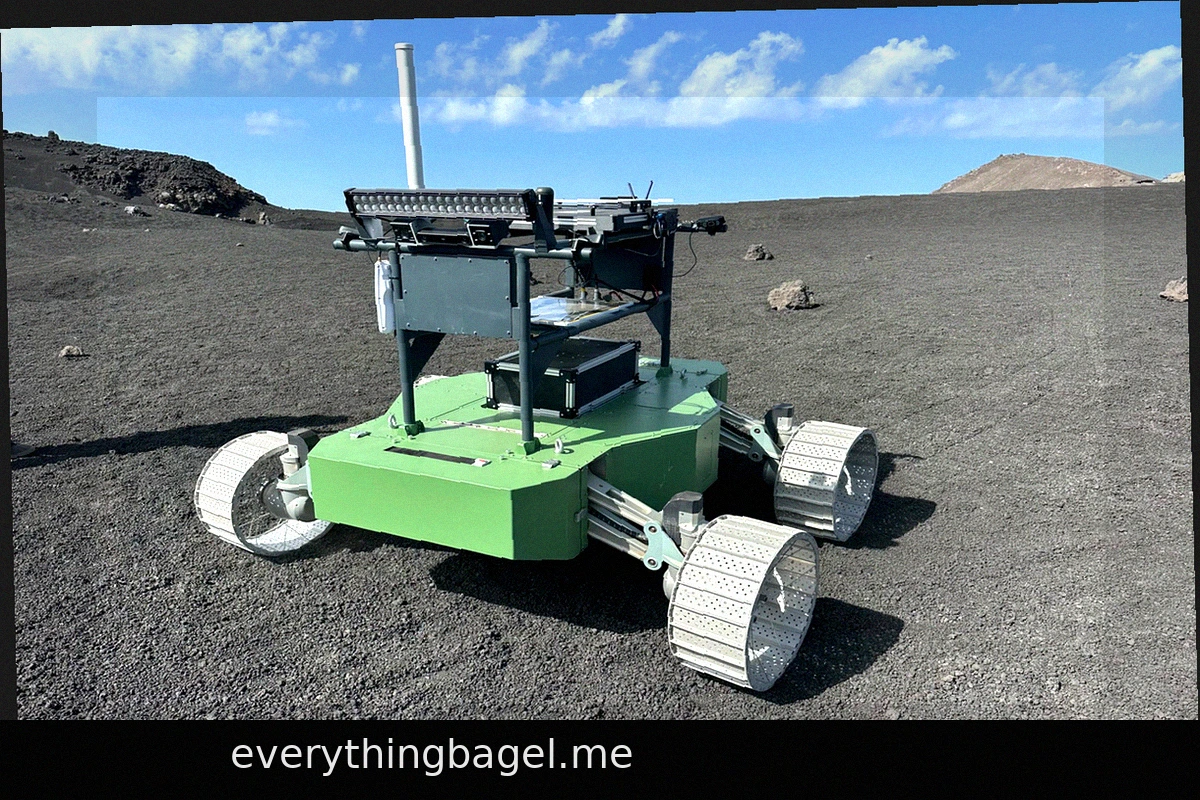
Italian Rover ETNA Completes Etna Tests for Future Lunar Missions
The testing campaign for the ETNA (Exploration Technology for Navigation & Autonomy) rover, developed as part of the Italian Space Agency (ASI) Universal Locomotion System program, has successfully concluded. For several weeks, the rover operated on the slopes of Mount Etna, tackling volcanic

Telespazio Inaugurates New Satellite Antenna in the Azores
Telespazio has unveiled a new S/X band satellite antenna on Santa Maria Island, located in the Portuguese archipelago of the Azores. This new infrastructure is a significant addition to the company's international ground station network and will be utilized for communications with low Earth or
20 July 1969: The Apollo 11 Mission and the Moment That Changed the World
On July 20, 1969, the world paused to witness an event that would forever alter our perception of our place in space. The Apollo 11 mission's Eagle module, with Neil Armstrong and Buzz Aldrin aboard, landed on the Moon, marking a turning point in the history of human exploration. As the words