Italy Signs Agreement with NASA to Supply Habitation Modules for Future Lunar Base
On March 31, 2026, in Washington, Italy, represented by the Minister of Enterprises and Made in Italy, Adolfo Urso, formalized an agreement with NASA Administrator Jared Isaacman for strategic cooperation on the lunar surface. Teodoro Valente, President of the Italian Space Agency (ASI), was also present at the signing.
This understanding, formalized as a Statement of Intent, covers the joint development of habitation modules, communication systems, and scientific activities. The overarching goal is to contribute to NASA's current lunar exploration plan, which aims for a safe and sustained human presence on the Moon's surface through the establishment of a lunar base.
According to Minister Urso, the agreement signifies recognition for Italian industry, which will play a crucial role in constructing the lunar habitats. Indeed, some of the habitation modules for astronauts will be developed using Italian technology and built by Italian companies.
The new lunar base will be an integral part of the Artemis program, which aims to return humans to the Moon with the Artemis IV mission and establish a stable, long-term surface presence. Furthermore, this agreement confirms the inclusion of at least one Italian astronaut in future Artemis program missions. This participation was initially hinted at in November 2025 during the European Space Agency Ministerial Council in Bremen, but previously only guaranteed aboard the Lunar Gateway, which has since been put on hold.
The future 'home' for astronauts on the Moon will be #MadeinItaly, built with Italian technologies and by Italian companies tasked with developing the habitation modules that will ensure a safe and prolonged presence on the lunar surface.
With the @NASA administrator,… pic.twitter.com/Ctn6GZWpIR
"Made in Italy" Habitation Modules
On March 24, NASA unveiled a new strategy, dubbed 'Ignition,' which, among other objectives, aims to establish a continuous presence on the Moon, including through a future lunar base. In this context, infrastructure becomes paramount; merely reaching the lunar surface is no longer enough. The goal is to remain there, work, and conduct activities over time. Consequently, elements such as habitation modules play a crucial role.
Indeed, at the core of the Statement of Intent with NASA are lunar habitation modules – essential components enabling astronauts to live and work on the Moon's surface for extended periods, despite challenging conditions like extreme temperature fluctuations and radiation.
This is where Italy's ongoing work on the MPH (Multi-Purpose Habitat) module fits in. The project, entrusted by ASI to Thales Alenia Space, represents one of Italy's primary contributions to lunar surface infrastructure and has seen further developments in recent months, including the definition of key components like the mobility system, which will be developed by Astrobotic.
Minister Urso affirmed: "We will return to the Moon, and this time, we will stay. We will achieve this thanks to Italian technology and with an Italian astronaut in one of the upcoming Artemis program missions. The companies in our aerospace districts, starting with Turin, possess the capabilities to ensure the success of these long-term missions."
The second mission of the Artemis program, Artemis II, which will be the first crewed mission, is scheduled to launch at 00:24 on April 2 (Italian time).

Fresh materials — Science News
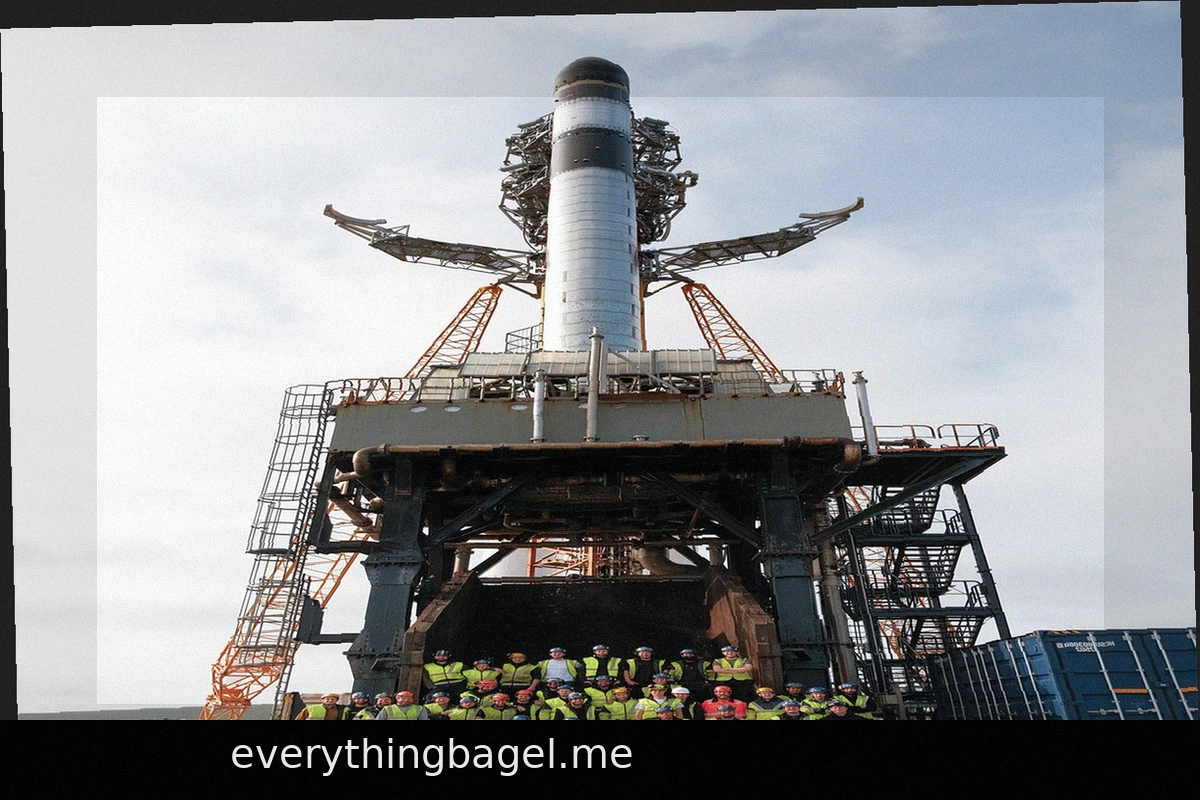
UK Invests £60 Million to Finalize SaxaVord Spaceport
The British government has announced an investment of £30 million in the SaxaVord spaceport, located in the Shetland Islands, Scotland. A portion of this funding will be public, supplemented by an anticipated £30 million from private investors, totaling £60 million to complete the launch site'
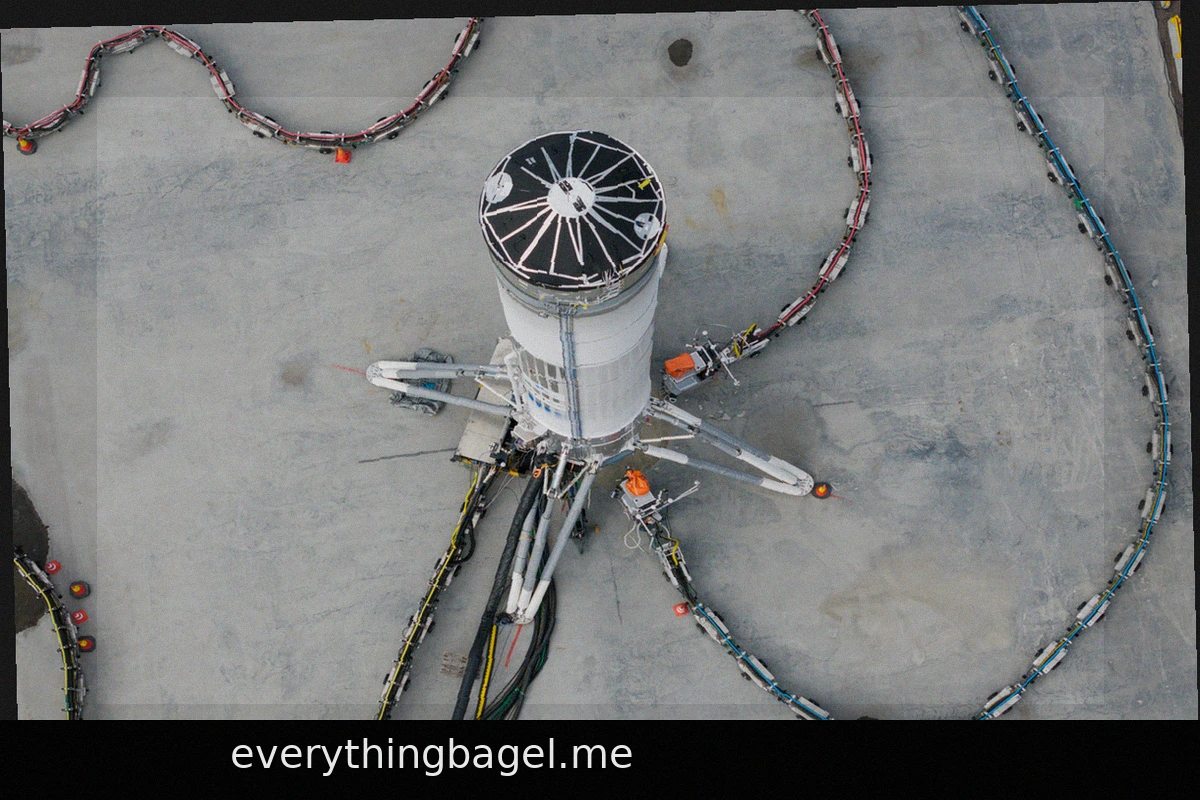
European Reusable Rocket Demonstrator Themis Completes Wet Dress Rehearsal Test
On July 23, 2026, the European demonstrator, Themis, successfully completed a wet dress rehearsal at the Esrange Space Center in northern Sweden. This test allowed teams from ArianeGroup and SSC Space (the company managing the Esrange spaceport) to simulate the full day's operational sequence
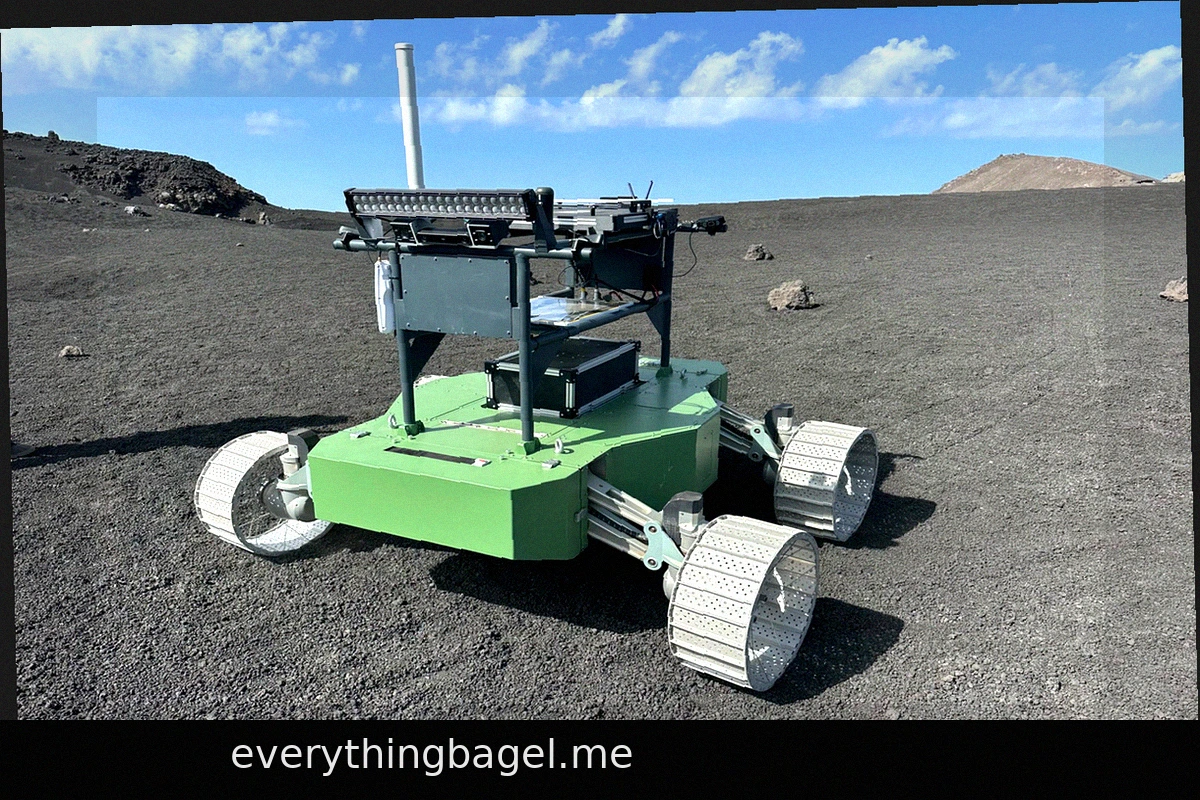
Italian Rover ETNA Completes Etna Tests for Future Lunar Missions
The testing campaign for the ETNA (Exploration Technology for Navigation & Autonomy) rover, developed as part of the Italian Space Agency (ASI) Universal Locomotion System program, has successfully concluded. For several weeks, the rover operated on the slopes of Mount Etna, tackling volcanic

Telespazio Inaugurates New Satellite Antenna in the Azores
Telespazio has unveiled a new S/X band satellite antenna on Santa Maria Island, located in the Portuguese archipelago of the Azores. This new infrastructure is a significant addition to the company's international ground station network and will be utilized for communications with low Earth or
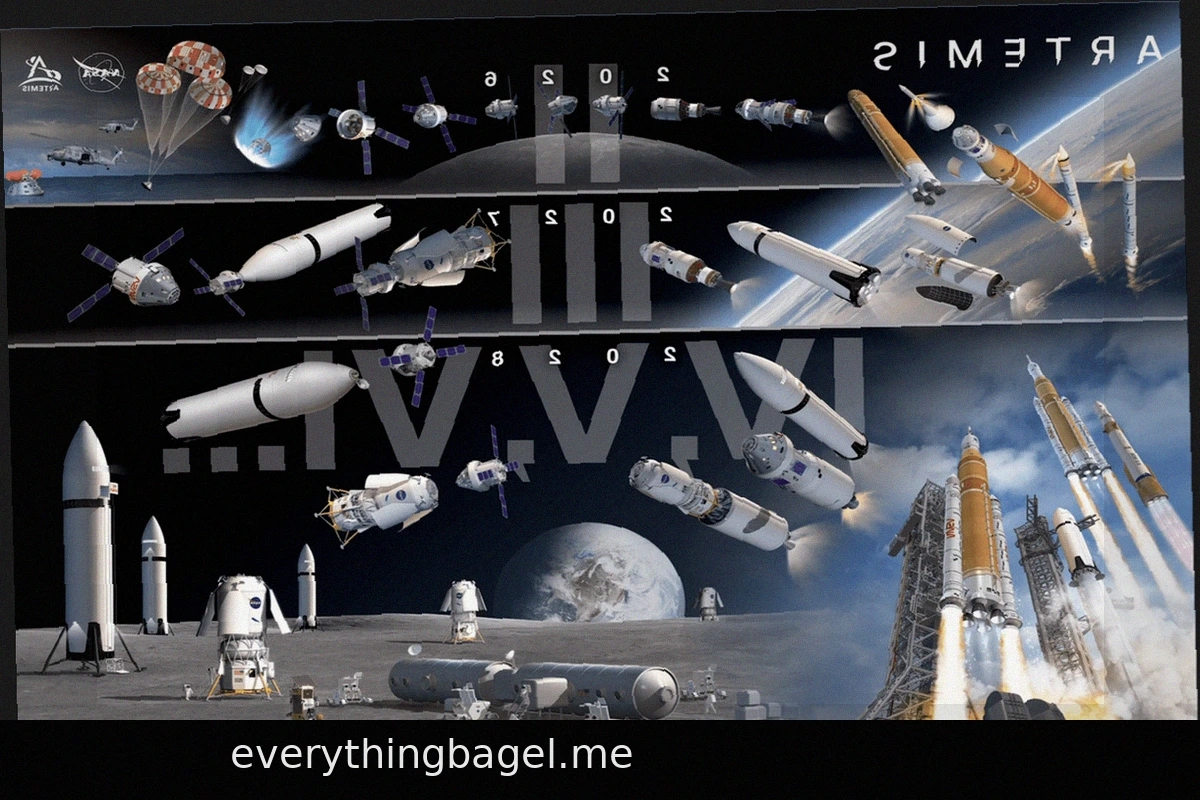
20 July 1969: The Apollo 11 Mission and the Moment That Changed the World
On July 20, 1969, the world paused to witness an event that would forever alter our perception of our place in space. The Apollo 11 mission's Eagle module, with Neil Armstrong and Buzz Aldrin aboard, landed on the Moon, marking a turning point in the history of human exploration. As the words
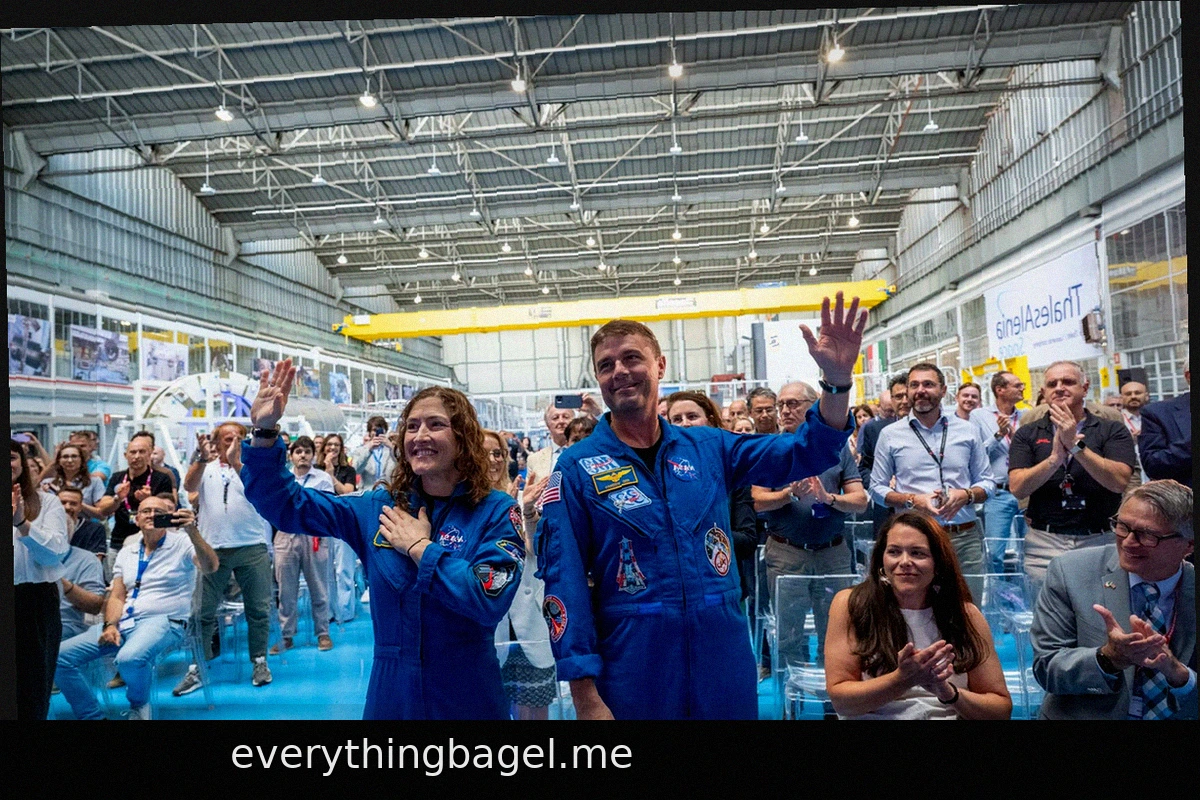
We Met Artemis Astronauts Reid Wiseman and Christina Koch
In April of this year, four individuals embarked on a journey to the Moon. This had not happened since 1972, when the Apollo 17 mission, the last of the previous lunar exploration program, was launched in December. Now, in 2026, we can finally say that the Artemis Program has begun, starting wi