NASA Awards Intuitive Machines Fifth Lunar Mission with New Nova-D Lander
NASA has awarded Intuitive Machines a new $180.4 million contract under the Commercial Lunar Payload Services (CLPS) program. This contract is for the IM-5 mission, which will transport seven scientific and technological instruments to the Moon's south pole. Notably, IM-5 will be the first mission to utilize Intuitive Machines' larger Nova-D lander, designed to enhance payload capacity and autonomous surface operations.
This award marks the fifth CLPS task order for Intuitive Machines and aligns with NASA's broader expansion of robotic lunar activities in the coming years. These efforts are focused on the long-term objective of establishing a permanent human outpost on the Moon, known as the Moon Base.
The CLPS program is a cornerstone of the Artemis strategy and crucial for the planned expansion towards a lunar base. Through CLPS, NASA aims to deliver infrastructure, experiments, and various assets to the Moon. The program involves commercial operators transporting scientific instruments and technology demonstrators, with total contract values potentially reaching $2.6 billion by 2028.
Recent updates to the Artemis strategy include a significant acceleration of the CLPS program. NASA now aims for up to 30 robotic missions starting from 2027, substantially increasing the frequency of deploying rovers, scientific instruments, and surface technologies.
From IM-1 and IM-2 Missions to Upcoming IM-3 and IM-4
Intuitive Machines has previously conducted two lunar missions under the CLPS program. The IM-1 mission in 2024 saw the Odysseus lander achieve the first soft landing by a commercial vehicle on the lunar surface, although it concluded shortly after when the lander tipped over onto its side.
The subsequent IM-2 (Athena) mission, in March 2025, also reached the lunar south pole but ended within hours due to an incorrect landing orientation that severely limited power generation and scientific operations.
Despite these challenges, both missions provided valuable data and contributed to the development of lunar exploration technologies. The upcoming IM-3 and IM-4 missions are slated for 2026 and 2027, respectively, and will continue to transport scientific instruments and technology demonstrators to the lunar surface.
The Nova-D is Intuitive Machines' lander designed to carry a significantly larger payload to the Moon compared to its predecessor, the Nova-C. The Nova-C focuses on transporting 100 kg of payload (hence the 'C'), while the Nova-D is expected to handle 500 kg. While the specific mass for the IM-5 mission hasn't been announced, Intuitive Machines has previously stated that the upgraded Nova-D version will be capable of delivering up to 3000 kg of payload.
IM-5: Rovers and Instruments Heading to Mons Malapert
The IM-5 mission will target Mons Malapert, a ridge near the lunar south pole known for its relatively stable lighting conditions and continuous visibility of Earth. These attributes make it a strategic location for future communication and navigation infrastructure. Among the payloads are:
- Multifunctional Nanosensor Platform (MNP) – An extremely compact and sensitive chemical analysis instrument designed to enhance understanding of plume-surface interactions and their effects. It will provide data useful for designing safer and more sustainable landing systems and surface operations, directly supporting NASA's broader lunar exploration objectives. The MNP will be integrated into the Australian Space Agency's lunar rover (Roo-ver).
- Lunar Vehicle Radiation Dosimeter system (LVRad) – A suite of four radiation detectors designed to quantify the radiation environment on the lunar surface and assess its potential impacts on human activities on the Moon.
- NASA’s Laser Retroreflector Array (LRA) – A small device that reflects laser beams transmitted from lunar orbiters or landing spacecraft, aiding in determining their orbital position or navigating to the surface.
- Stereo Cameras for Lunar Plume Surface Studies (SCALPSS) – A stereo imaging system that captures high-resolution images of lunar surface and plume interactions during descent and landing.
- Sanctuary – A passive, time-capsule-shaped payload containing sapphire disks that preserve examples of humanity's achievements.
- Mass Spectrometer Observing Lunar Operations (MSolo) – A quadrupole mass spectrometer designed to characterize the lunar exosphere and monitor volatile species.
- Near InfraRed Volatiles Spectrometer System (NIRVSS) – A suite of modular instruments used to detect and map volatiles and analyze regolith composition.
Additionally, a rover developed by Honeybee Robotics (Blue Origin) will be deployed to support in-situ exploration, sampling, and analysis operations.
Fresh materials — Science News
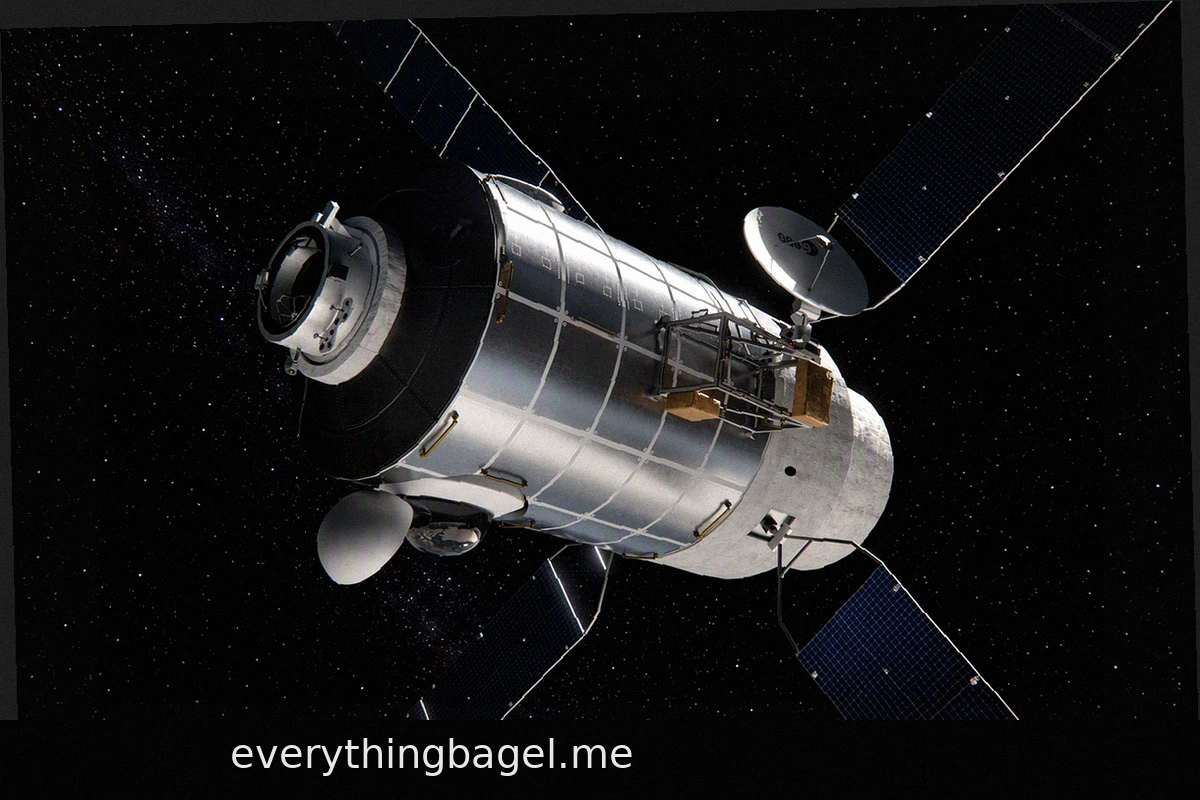
ESA Initiates European Space Station Feasibility Studies with Airbus and OHB
The European Space Agency (ESA) has commissioned parallel studies by Airbus Defence and Space and OHB to assess the feasibility of a future European-led space station in low Earth orbit. This initiative is part of ESA's preparations for the post-International Space Station (ISS) era. Currently
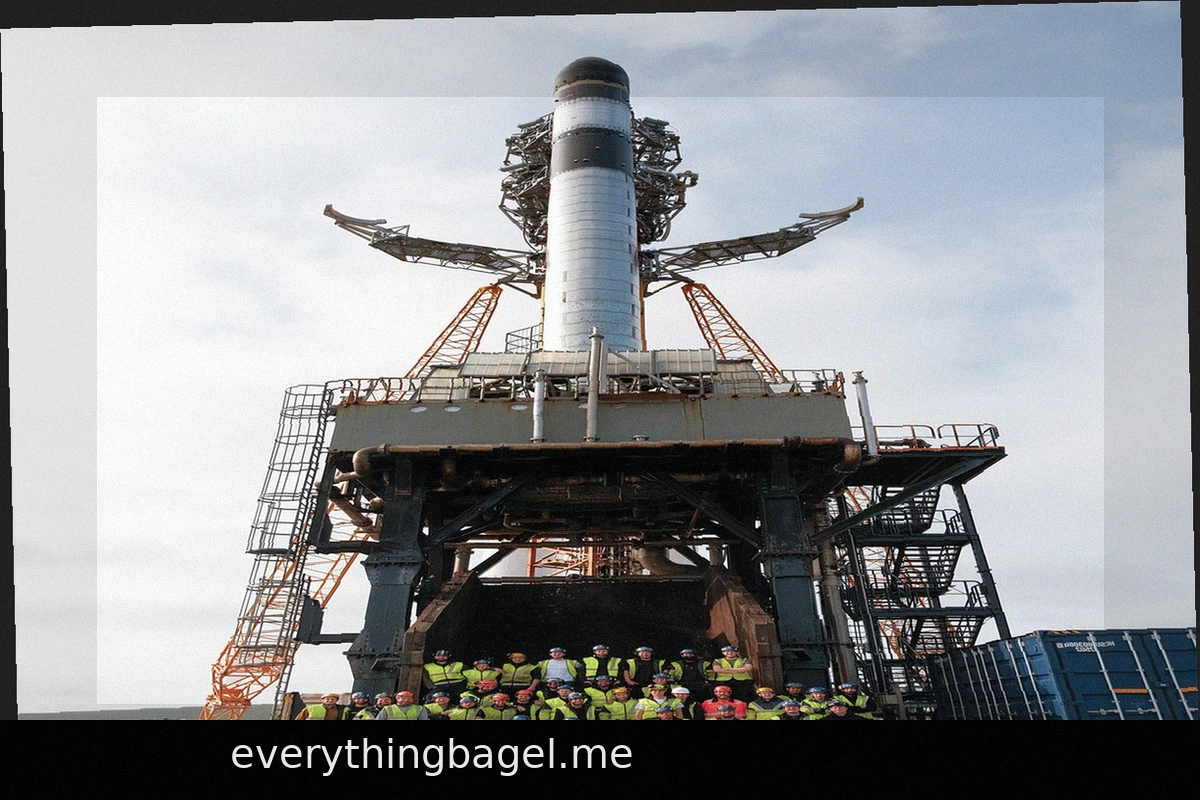
UK Invests £60 Million to Finalize SaxaVord Spaceport
The British government has announced an investment of £30 million in the SaxaVord spaceport, located in the Shetland Islands, Scotland. A portion of this funding will be public, supplemented by an anticipated £30 million from private investors, totaling £60 million to complete the launch site'
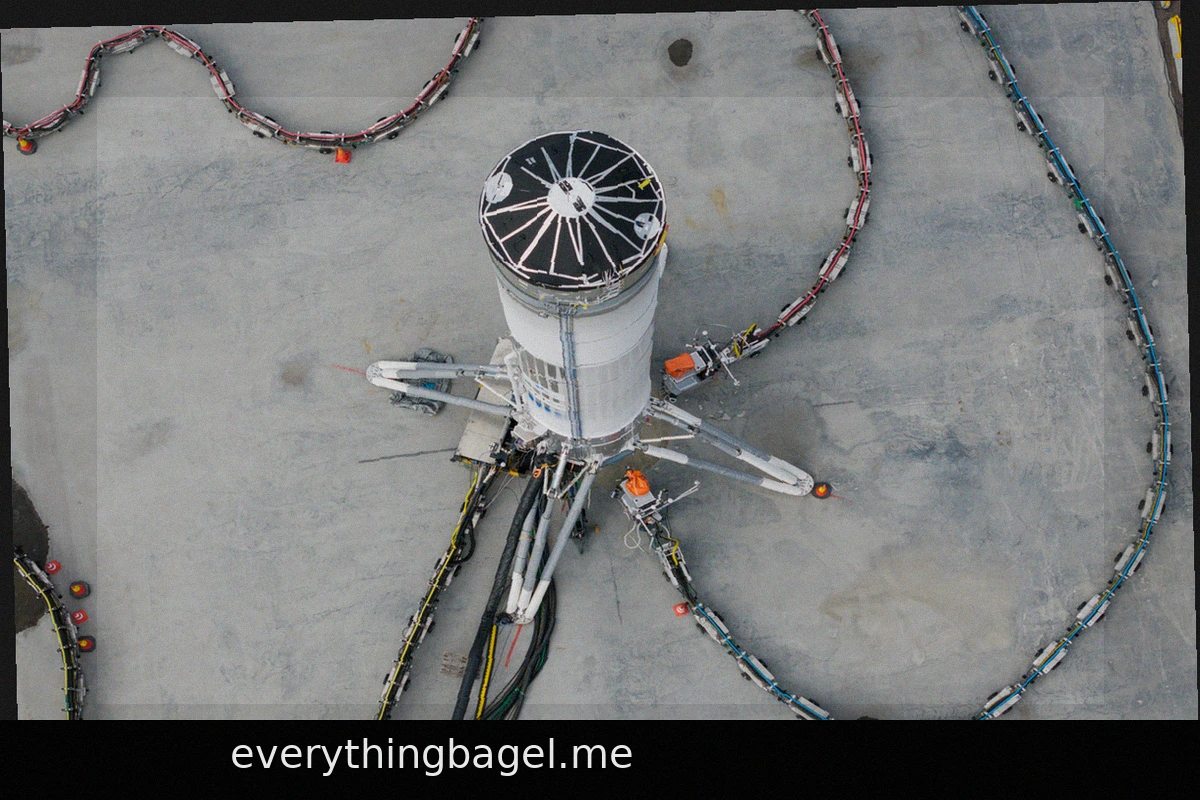
European Reusable Rocket Demonstrator Themis Completes Wet Dress Rehearsal Test
On July 23, 2026, the European demonstrator, Themis, successfully completed a wet dress rehearsal at the Esrange Space Center in northern Sweden. This test allowed teams from ArianeGroup and SSC Space (the company managing the Esrange spaceport) to simulate the full day's operational sequence
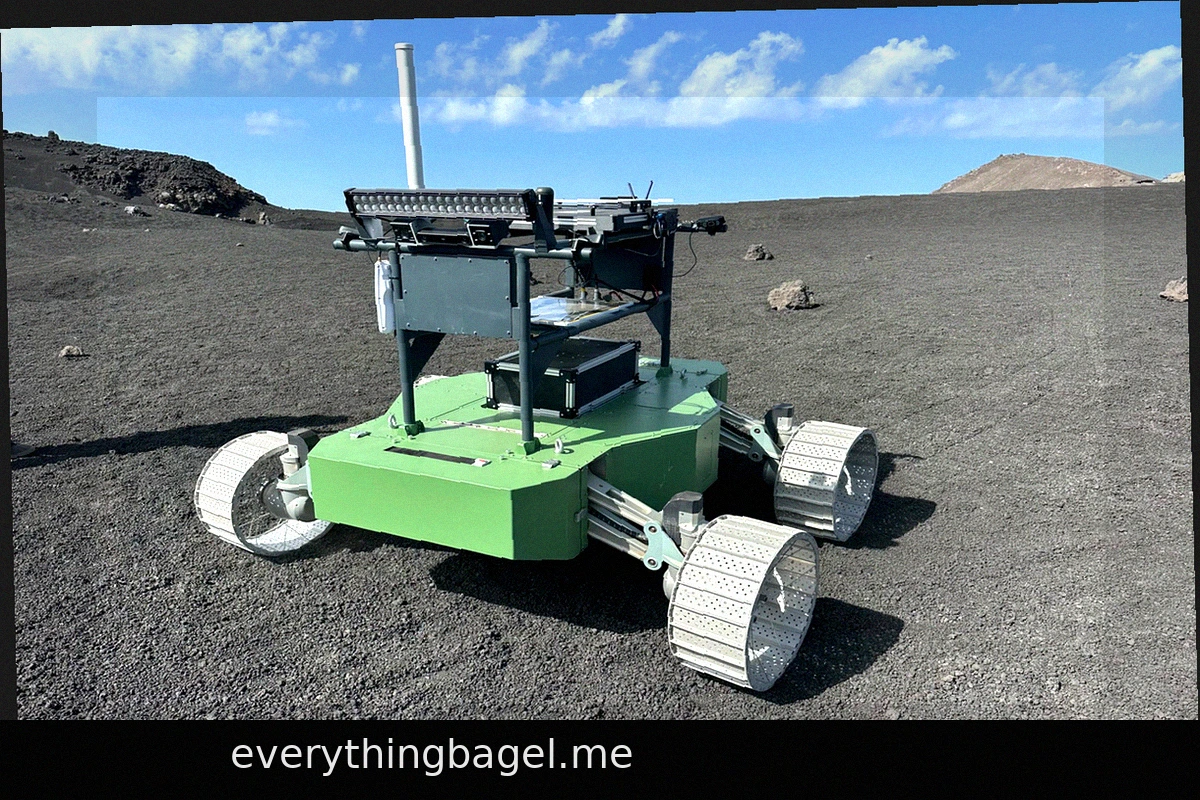
Italian Rover ETNA Completes Etna Tests for Future Lunar Missions
The testing campaign for the ETNA (Exploration Technology for Navigation & Autonomy) rover, developed as part of the Italian Space Agency (ASI) Universal Locomotion System program, has successfully concluded. For several weeks, the rover operated on the slopes of Mount Etna, tackling volcanic

Telespazio Inaugurates New Satellite Antenna in the Azores
Telespazio has unveiled a new S/X band satellite antenna on Santa Maria Island, located in the Portuguese archipelago of the Azores. This new infrastructure is a significant addition to the company's international ground station network and will be utilized for communications with low Earth or
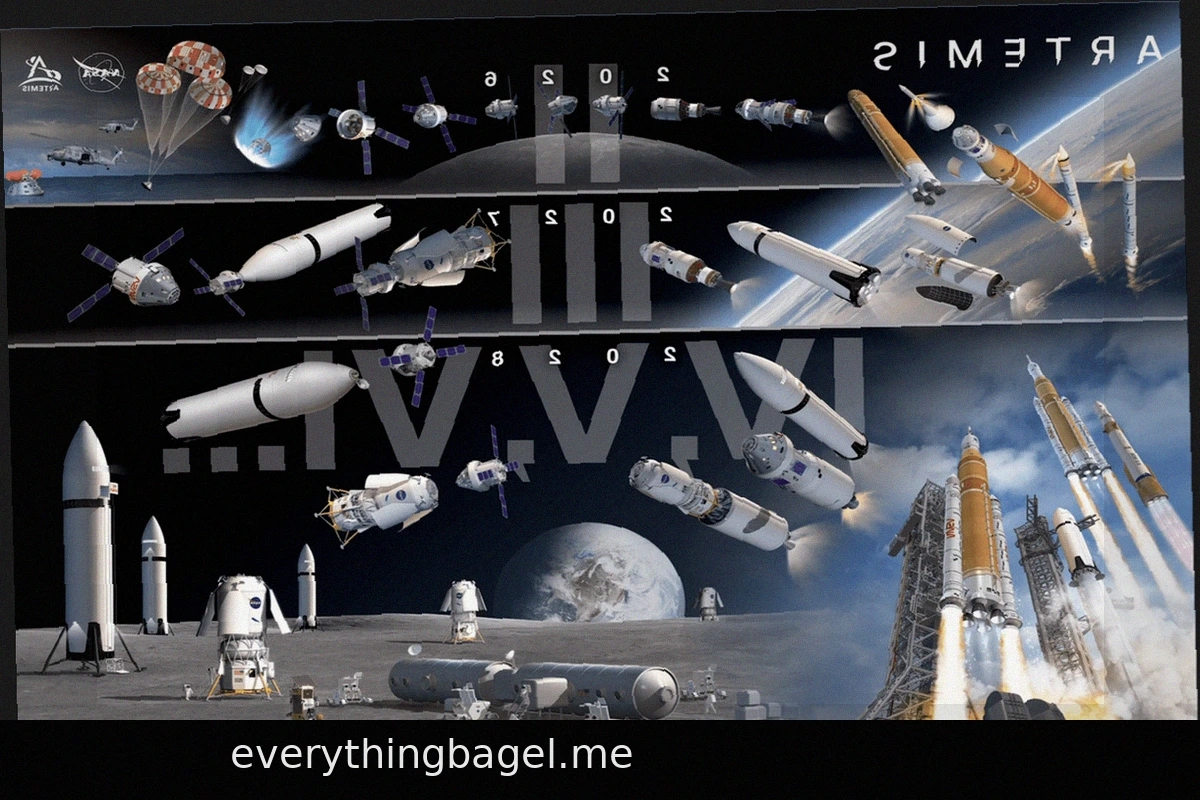
20 July 1969: The Apollo 11 Mission and the Moment That Changed the World
On July 20, 1969, the world paused to witness an event that would forever alter our perception of our place in space. The Apollo 11 mission's Eagle module, with Neil Armstrong and Buzz Aldrin aboard, landed on the Moon, marking a turning point in the history of human exploration. As the words