NASA Considers Using Starship for Lunar Orbit Instead of SLS
NASA's Artemis Program may undergo further changes. After already revising mission planning in early March, including an Artemis III mission in low Earth orbit, NASA is now reportedly considering, according to Bloomberg sources, an alternative configuration for Artemis missions. This new proposal would involve greater use of Starship and reduced reliance on the SLS rocket.
In this revised configuration, the Orion capsule and Starship would rendezvous in Earth orbit. From there, Starship would be tasked with propelling Orion towards lunar orbit. Previously, this role was assigned to the SLS's second stage and subsequently to Orion's main engine. With this change, SLS's role as a lunar propulsion system would be entirely eliminated; the rocket would only be responsible for bringing Orion into Earth orbit.
A Lockheed spokesperson emphasized Orion's importance to Bloomberg, stating, "Orion is the only vehicle capable of returning astronauts from the Moon and is fundamental to the Artemis program." They added, "We are already well underway with assembling spacecraft for Artemis missions III, IV, and V, all versatile and capable of adapting to NASA's evolving missions." No statements were released by Boeing or SpaceX.
It remains unclear which Artemis mission this change would apply to, whether starting from Artemis IV or subsequent ones. According to recent program revisions, the first lunar landing mission, Artemis IV, is now scheduled for early 2028. It's important to note that even this mission will use a standardized version of the SLS rocket, equipped with the Centaur V upper stage. This stage is more powerful than the ICPS used in the first three flights but less powerful than the EUS, which was initially planned for flights after the third and has now been canceled.
Uncertainty Surrounding the First Lunar Landing
The current contract stipulates the use of Starship as NASA's lunar lander. However, significant doubts persist within the entire space sector regarding the readiness of a lander by 2028, especially if NASA aims to advance the first lunar landing from late to early that year.
Should Starship not be ready, an alternative could be a scaled-down version of Blue Origin's Blue Moon lander. It remains to be clarified which specific mission this new lunar journey configuration, with Starship replacing SLS's second stage, will apply to. The new strategy for SLS appears designed to maximize the rocket's use as long as it receives Congressional funding, which currently covers a total of five missions, including the already completed Artemis I.
Bloomberg reports that NASA will hold a meeting with all industrial and institutional partners of the Artemis program the following Tuesday, March 24. Josef Aschbacher, ESA Director, confirmed this meeting during a press conference on March 19, stating that on March 24, he would have more details regarding the future of the Lunar Gateway, following the meeting with NASA.
This new proposal, as highlighted by Bloomberg's sources, is still under consideration. It will require Congressional approval and may be subject to modifications by NASA itself before any official announcement.
Fresh materials — Science News
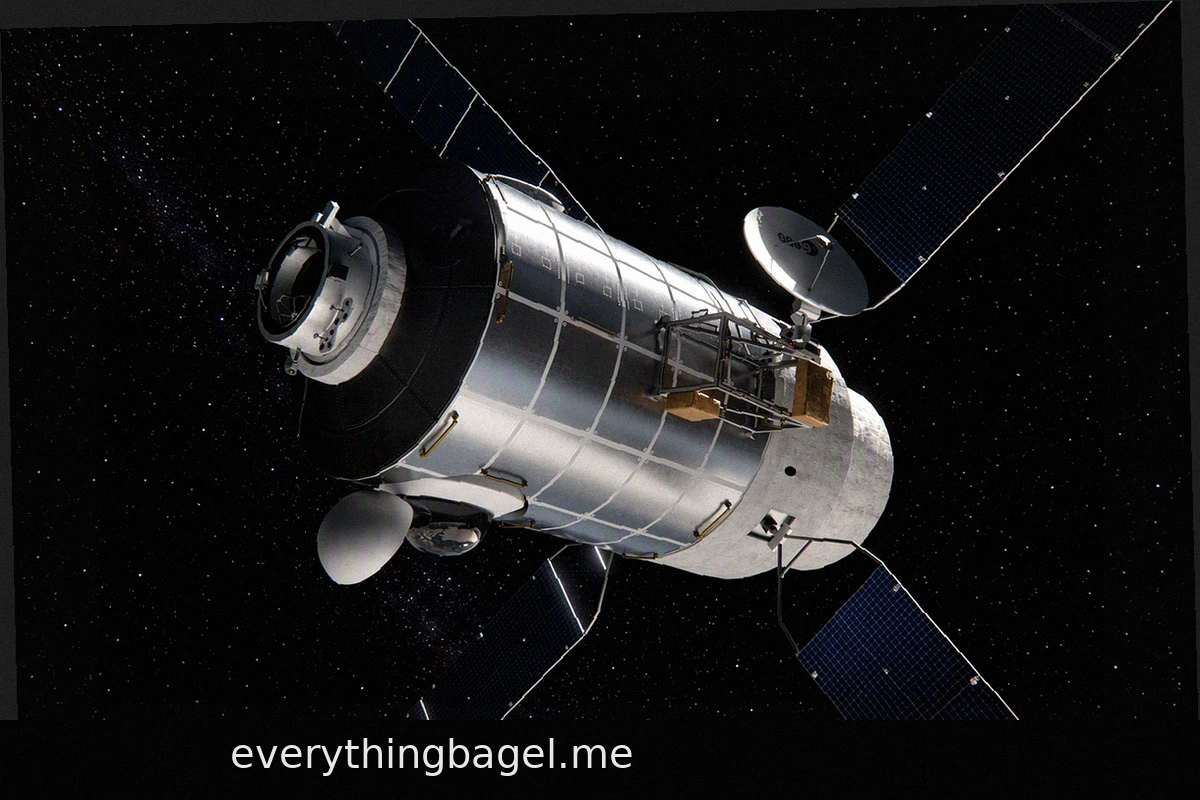
ESA Initiates European Space Station Feasibility Studies with Airbus and OHB
The European Space Agency (ESA) has commissioned parallel studies by Airbus Defence and Space and OHB to assess the feasibility of a future European-led space station in low Earth orbit. This initiative is part of ESA's preparations for the post-International Space Station (ISS) era. Currently

UK Invests £60 Million to Finalize SaxaVord Spaceport
The British government has announced an investment of £30 million in the SaxaVord spaceport, located in the Shetland Islands, Scotland. A portion of this funding will be public, supplemented by an anticipated £30 million from private investors, totaling £60 million to complete the launch site'
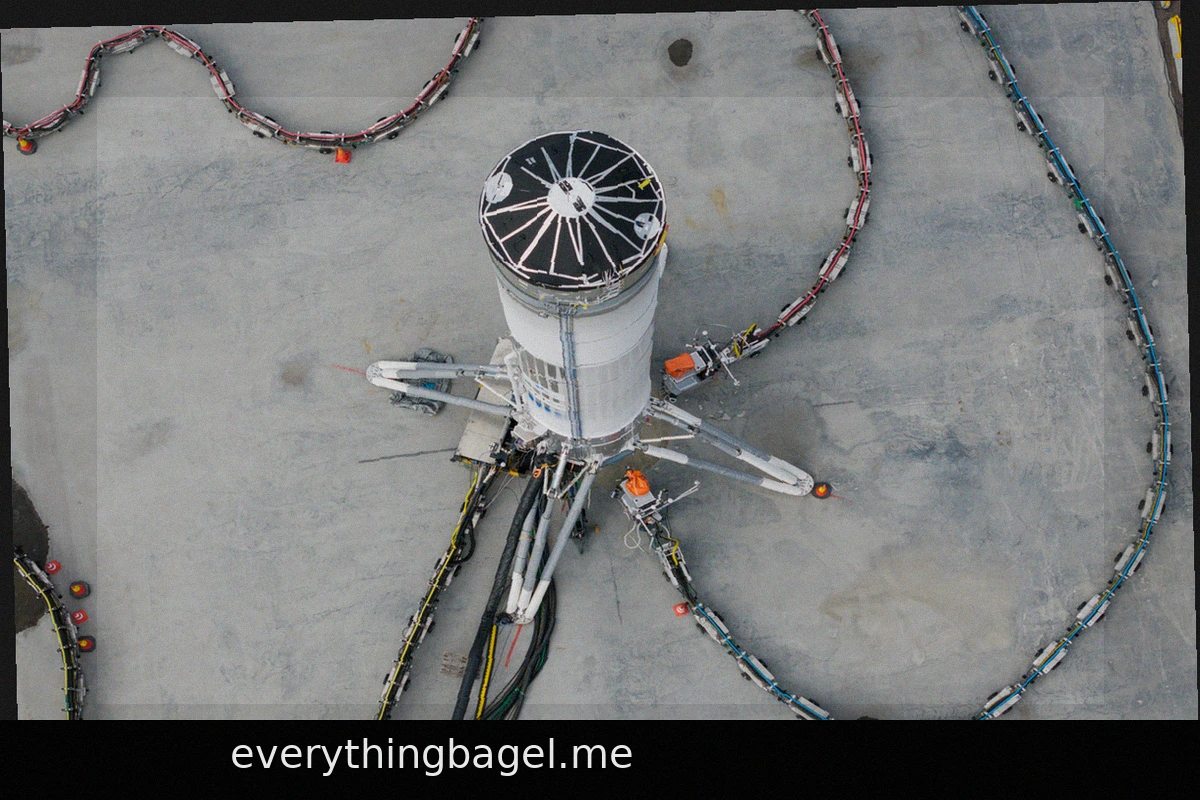
European Reusable Rocket Demonstrator Themis Completes Wet Dress Rehearsal Test
On July 23, 2026, the European demonstrator, Themis, successfully completed a wet dress rehearsal at the Esrange Space Center in northern Sweden. This test allowed teams from ArianeGroup and SSC Space (the company managing the Esrange spaceport) to simulate the full day's operational sequence

Italian Rover ETNA Completes Etna Tests for Future Lunar Missions
The testing campaign for the ETNA (Exploration Technology for Navigation & Autonomy) rover, developed as part of the Italian Space Agency (ASI) Universal Locomotion System program, has successfully concluded. For several weeks, the rover operated on the slopes of Mount Etna, tackling volcanic

Telespazio Inaugurates New Satellite Antenna in the Azores
Telespazio has unveiled a new S/X band satellite antenna on Santa Maria Island, located in the Portuguese archipelago of the Azores. This new infrastructure is a significant addition to the company's international ground station network and will be utilized for communications with low Earth or

20 July 1969: The Apollo 11 Mission and the Moment That Changed the World
On July 20, 1969, the world paused to witness an event that would forever alter our perception of our place in space. The Apollo 11 mission's Eagle module, with Neil Armstrong and Buzz Aldrin aboard, landed on the Moon, marking a turning point in the history of human exploration. As the words