Super-resolution Technique Demonstrated in Radio Observations with the Sardinia Radio Telescope
A team from the National Institute for Astrophysics (INAF) has made a significant discovery using the Sardinia Radio Telescope (SRT). They have successfully demonstrated a new technique that allows for observing the Universe with an unprecedented level of detail, without the need to build larger telescopes. This innovation overcomes the traditional diffraction limit, one of the main barriers in astronomical observation. The test was conducted with the 64-meter SRT radio telescope, located in Sardinia.
Traditionally, the resolution of a telescope – its ability to discern fine objects – is directly proportional to its size. Larger mirrors or dishes guarantee higher resolution. This physical limitation, intrinsically linked to the diffraction of electromagnetic waves, has long been considered an insurmountable obstacle in practical astronomy.
The research conducted by INAF, however, has challenged this convention, demonstrating that it is possible to circumvent this constraint. Without altering the physical dimensions of the SRT, scientists have artificially enhanced its resolving power. This means the telescope is now capable of detecting finer details, as if it had a larger diameter.
Although this "super-resolution" technique involves a slight decrease in sensitivity, this compromise is considered acceptable given its importance. The primary benefit lies in the ability to significantly improve observational performance without incurring the substantial costs and complexity associated with building new, larger astronomical infrastructures.
How Were More Detailed Images Obtained?
This remarkable achievement was made possible by leveraging a unique characteristic of the Sardinia Radio Telescope: its active surface. The radio telescope's dish is composed of hundreds of movable panels that can be oriented and adjusted with exceptional precision.
Using this sophisticated system, researchers modified the way the telescope receives cosmic radio waves. They configured the surface to emulate a theoretical arrangement conceived in 1952 by Italian physicist Giuliano Toraldo di Francia.
This specific configuration, based on concentric structures known as "Toraldo pupils," allows for the focusing and narrowing of the beam of waves collected by the instrument. A more concentrated beam translates into a superior ability to distinguish very closely spaced objects and details in the sky.
By successfully applying this principle to the SRT, the team achieved a resolution that exceeds the classical diffraction limit, confirming the technique's effectiveness in a real observational context.
The images display radio maps of the supernova remnant Cassiopeia A. The left panel illustrates the image acquired using the traditional observation method, while the central panel presents the enhanced image obtained through the new super-resolution technique. For comparison, the right panel shows an archive image of Cassiopeia A obtained with a radio interferometer (Very Large Array), with an angular resolution similar to that of the SRT's super-resolution mode. It is evident that both the interferometer map and the new SRT map reveal source details not visible in the standard SRT image.

An Innovation for Radio Astronomy
Until now, improving the resolution of radio telescopes required building larger antennas or interconnecting multiple antennas into complex systems known as arrays. Both options involve high costs and the need for advanced infrastructure.
The super-resolution technique offers a more efficient alternative: enhancing the capabilities of existing operational instruments. This method could also be extended to other INAF radio telescopes, such as those in Medicina and Noto, improving their performance without requiring structural modifications.
The outcome achieved with the Sardinia Radio Telescope marks a crucial moment in the evolution of radio astronomy. New technologies, including wavefront control and the use of innovative materials, are now complementing traditional approaches, paving the way for the creation of more versatile and effective instruments for observing the cosmos.
The details of this research have been published in the scientific journal Experimental Astronomy.
Fresh materials — Science News
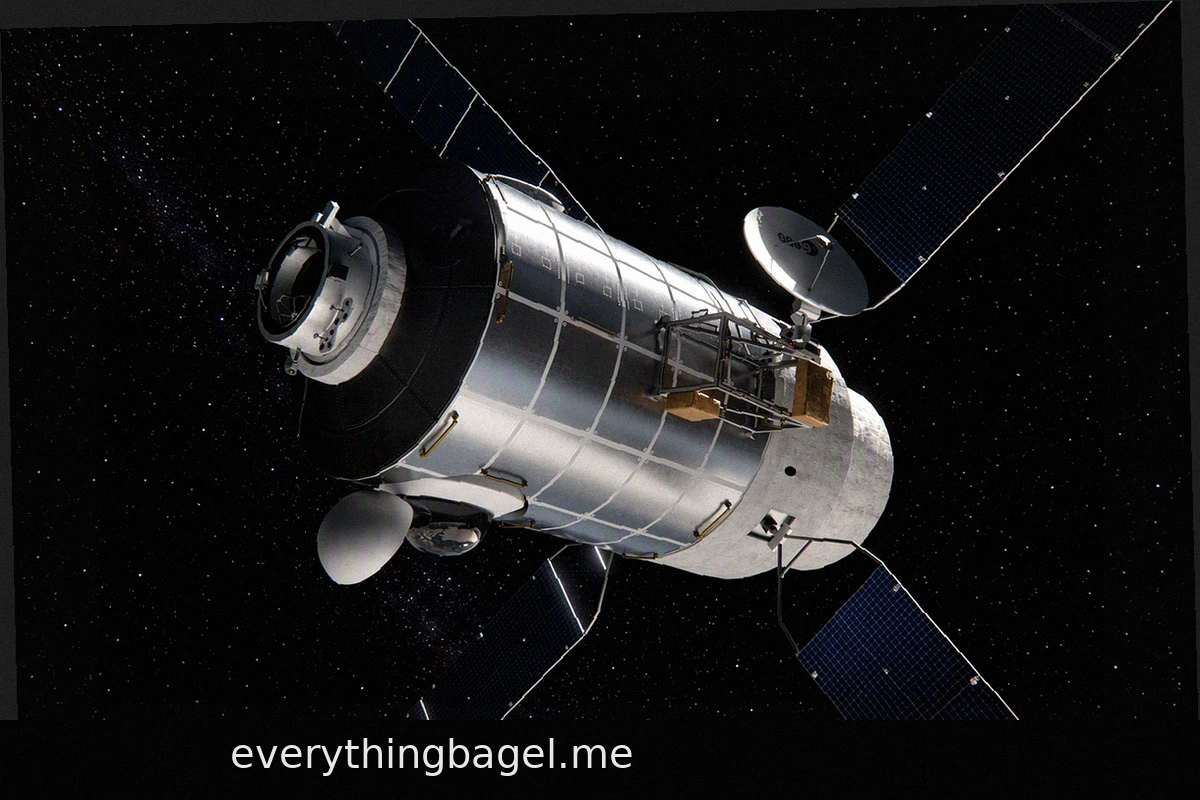
ESA Initiates European Space Station Feasibility Studies with Airbus and OHB
The European Space Agency (ESA) has commissioned parallel studies by Airbus Defence and Space and OHB to assess the feasibility of a future European-led space station in low Earth orbit. This initiative is part of ESA's preparations for the post-International Space Station (ISS) era. Currently
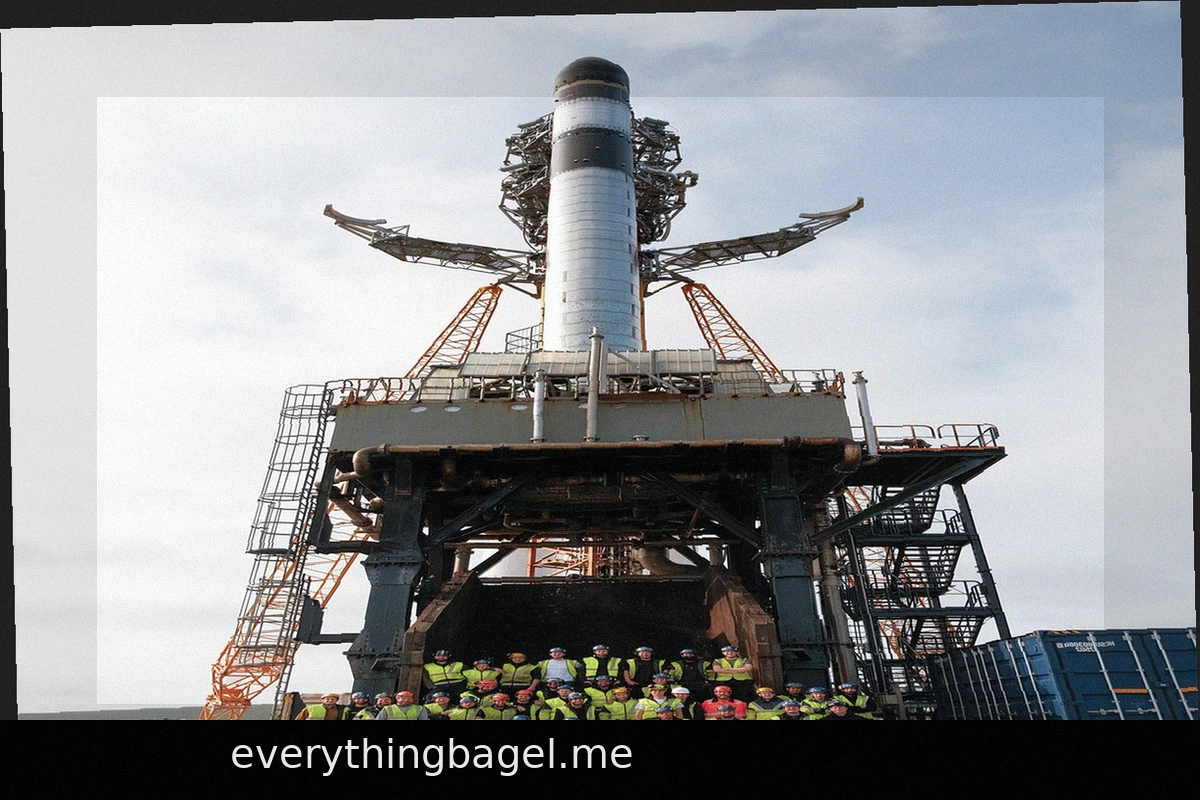
UK Invests £60 Million to Finalize SaxaVord Spaceport
The British government has announced an investment of £30 million in the SaxaVord spaceport, located in the Shetland Islands, Scotland. A portion of this funding will be public, supplemented by an anticipated £30 million from private investors, totaling £60 million to complete the launch site'
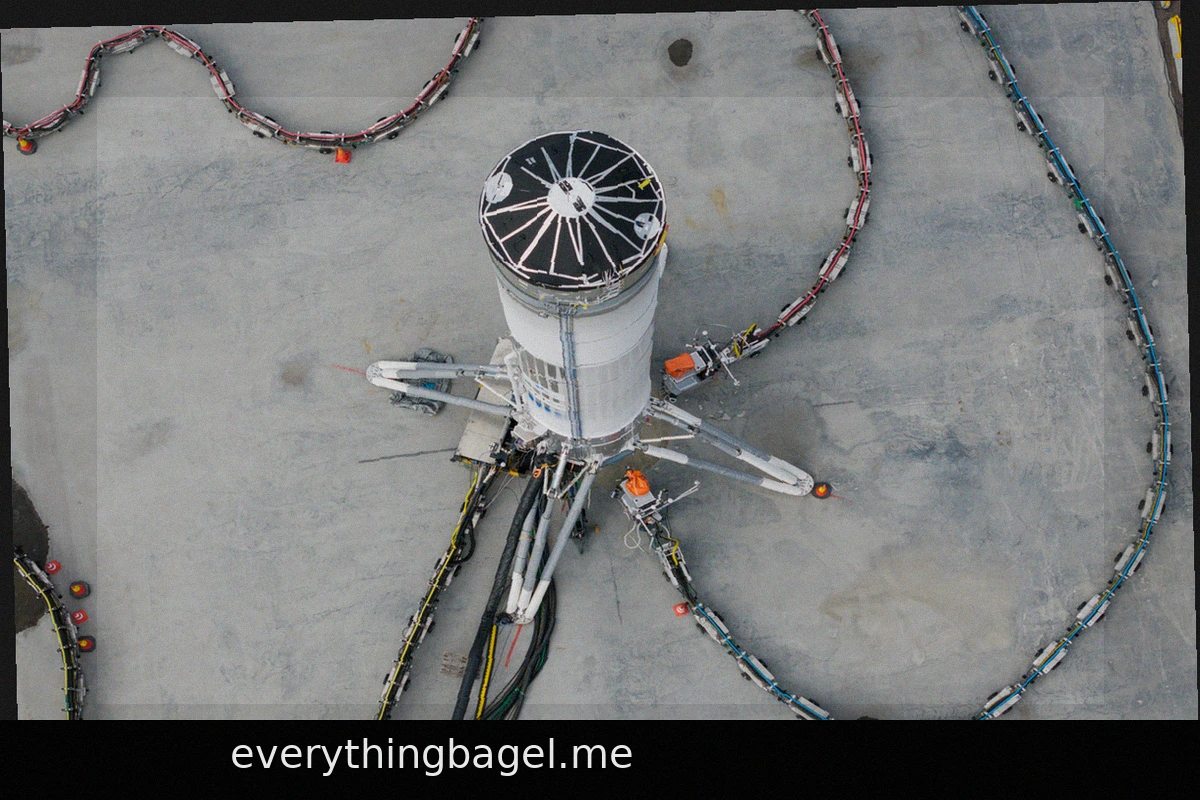
European Reusable Rocket Demonstrator Themis Completes Wet Dress Rehearsal Test
On July 23, 2026, the European demonstrator, Themis, successfully completed a wet dress rehearsal at the Esrange Space Center in northern Sweden. This test allowed teams from ArianeGroup and SSC Space (the company managing the Esrange spaceport) to simulate the full day's operational sequence
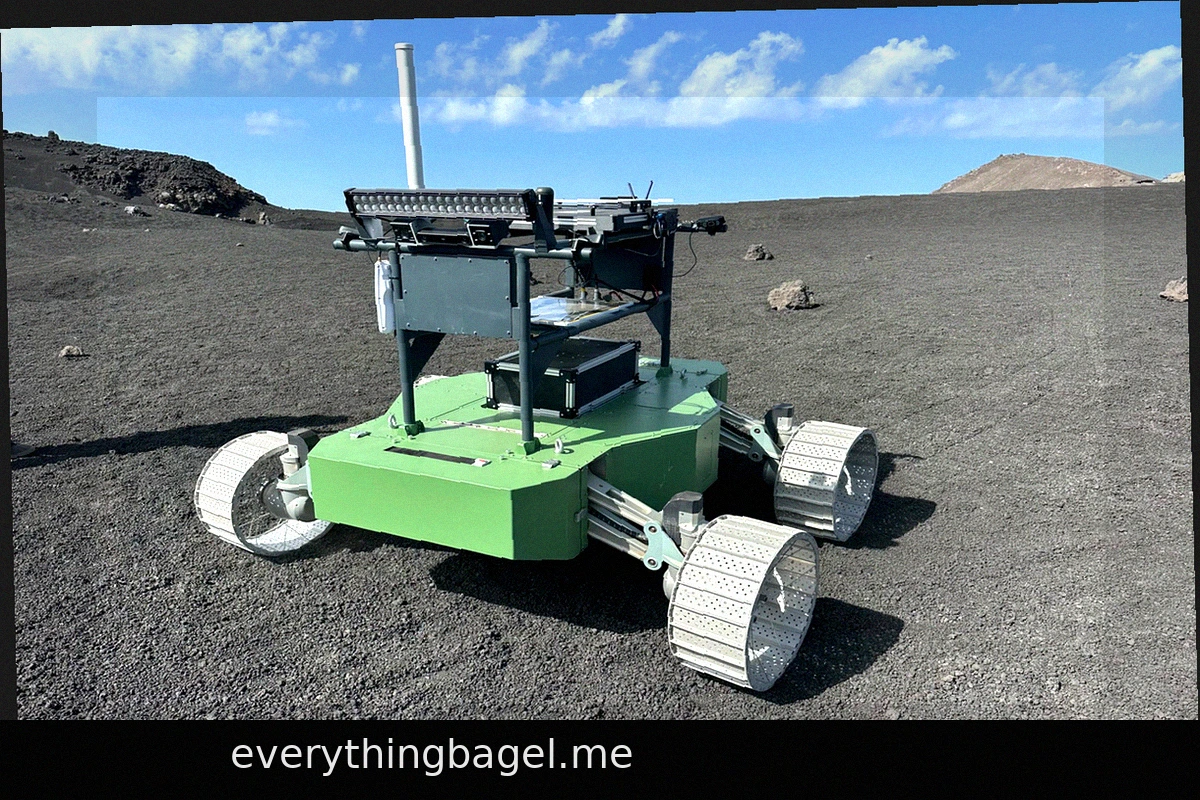
Italian Rover ETNA Completes Etna Tests for Future Lunar Missions
The testing campaign for the ETNA (Exploration Technology for Navigation & Autonomy) rover, developed as part of the Italian Space Agency (ASI) Universal Locomotion System program, has successfully concluded. For several weeks, the rover operated on the slopes of Mount Etna, tackling volcanic
Telespazio Inaugurates New Satellite Antenna in the Azores
Telespazio has unveiled a new S/X band satellite antenna on Santa Maria Island, located in the Portuguese archipelago of the Azores. This new infrastructure is a significant addition to the company's international ground station network and will be utilized for communications with low Earth or
20 July 1969: The Apollo 11 Mission and the Moment That Changed the World
On July 20, 1969, the world paused to witness an event that would forever alter our perception of our place in space. The Apollo 11 mission's Eagle module, with Neil Armstrong and Buzz Aldrin aboard, landed on the Moon, marking a turning point in the history of human exploration. As the words