ESA Initiates European Space Station Feasibility Studies with Airbus and OHB
The European Space Agency (ESA) has commissioned parallel studies by Airbus Defence and Space and OHB to assess the feasibility of a future European-led space station in low Earth orbit. This initiative is part of ESA's preparations for the post-International Space Station (ISS) era. Currently, this does not signify a decision to develop a new station.
These two studies, launched in June 2026 under the European Exploration Envelope Programme, will each run for approximately nine months. Airbus Defence and Space and OHB, through their German divisions, are leading these efforts. Each consortium includes six other European industrial and institutional entities, though ESA has not publicly named them.
The core objective is to analyze the technical and programmatic viability of a European orbital outpost capable of supporting astronauts, scientific research, and technological demonstrations. The teams will examine potential station architectures, necessary transport systems, operational services, and technologies requiring European development or continued maintenance.
These contracts cover Pre-Phase A studies, among the earliest stages in developing space missions or infrastructure. This phase focuses on analyzing and comparing potential architectures, requirements, necessary technologies, and key program risks, rather than defining a construction project.
The study outcomes will primarily provide ESA member states with information for future decision-making. Consequently, the renderings released by the agency should not be viewed as the definitive design for a future European station.
ESA aims to build upon the expertise European industry has gained through its participation in the ISS. Europe's primary contribution to the current station is the Columbus laboratory, and it also builds the European Service Module for Orion, which provides propulsion, power, and essential systems for NASA's crewed missions.
In recent years, European industry has also been developing new capabilities in orbital transport, life support systems, robotics, and in-orbit services. The Exploration Company's Nyx, selected by ESA for a demonstration cargo mission to the ISS in 2028 under the ALADDIN program, is one such development.
A European-led station is just one of several options ESA is considering to maintain a European presence in low Earth orbit after the ISS ceases operations. Concurrently, the agency is collaborating with companies developing future commercial space stations.
In September 2026, ESA signed preliminary agreements with Axiom Space and Starlab to explore future European astronaut missions, the use of their laboratories, and the potential integration of European infrastructure. These are preparatory agreements, not yet contracts for purchasing flights or services.
These two pathways are not mutually exclusive. A potential European-led outpost could still involve cooperation with international institutional or commercial partners. A key task for the Airbus and OHB studies will be to determine the capabilities and infrastructure needed for its long-term creation and operation.
ESA's upcoming months will be dedicated to establishing whether a European-led orbital station is a technically and programmatically realistic option for the post-ISS period. Any decisions regarding the project's future will be made by the agency's member states only after these studies are completed.
Fresh materials — Science News
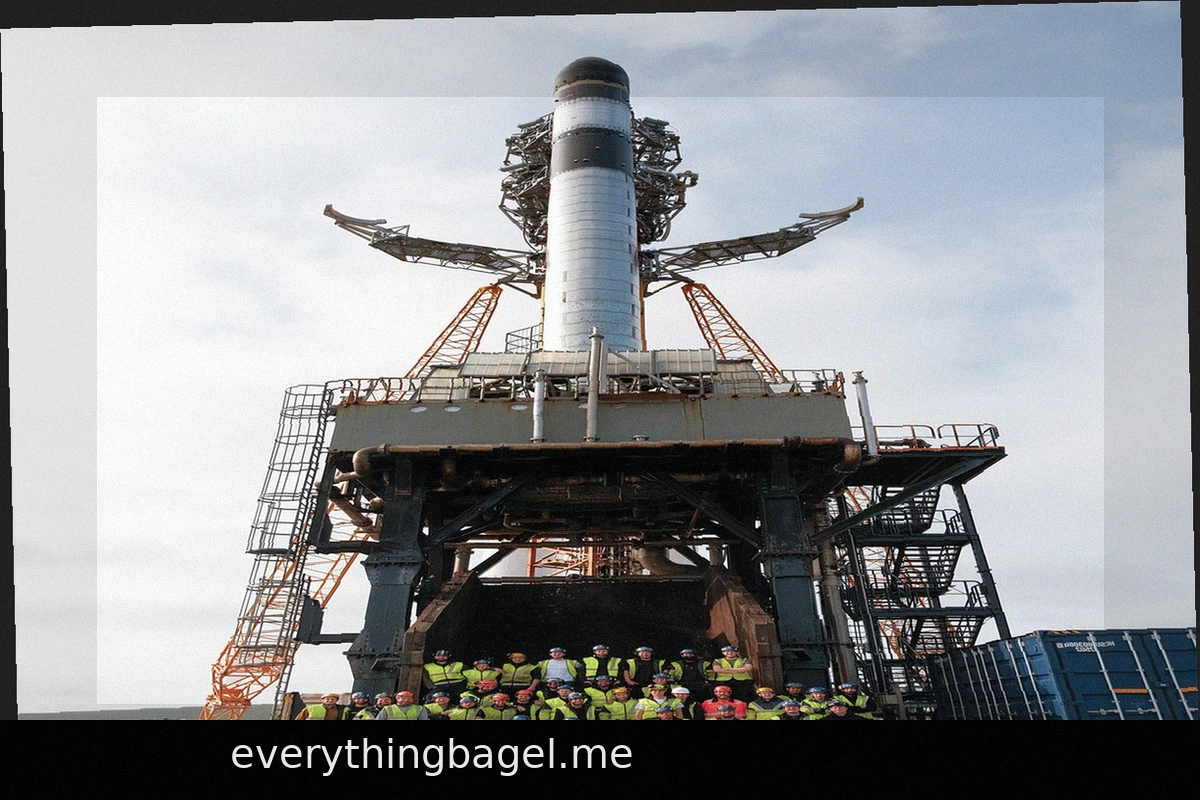
UK Invests £60 Million to Finalize SaxaVord Spaceport
The British government has announced an investment of £30 million in the SaxaVord spaceport, located in the Shetland Islands, Scotland. A portion of this funding will be public, supplemented by an anticipated £30 million from private investors, totaling £60 million to complete the launch site'
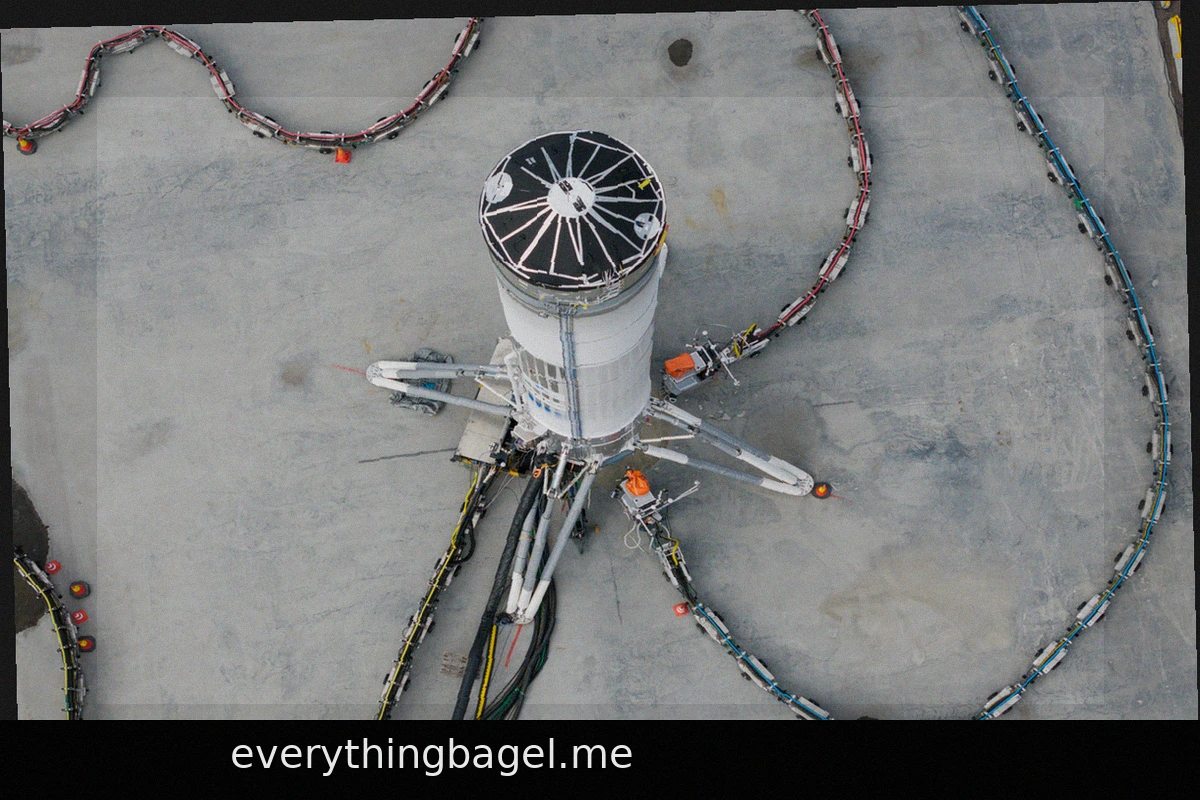
European Reusable Rocket Demonstrator Themis Completes Wet Dress Rehearsal Test
On July 23, 2026, the European demonstrator, Themis, successfully completed a wet dress rehearsal at the Esrange Space Center in northern Sweden. This test allowed teams from ArianeGroup and SSC Space (the company managing the Esrange spaceport) to simulate the full day's operational sequence
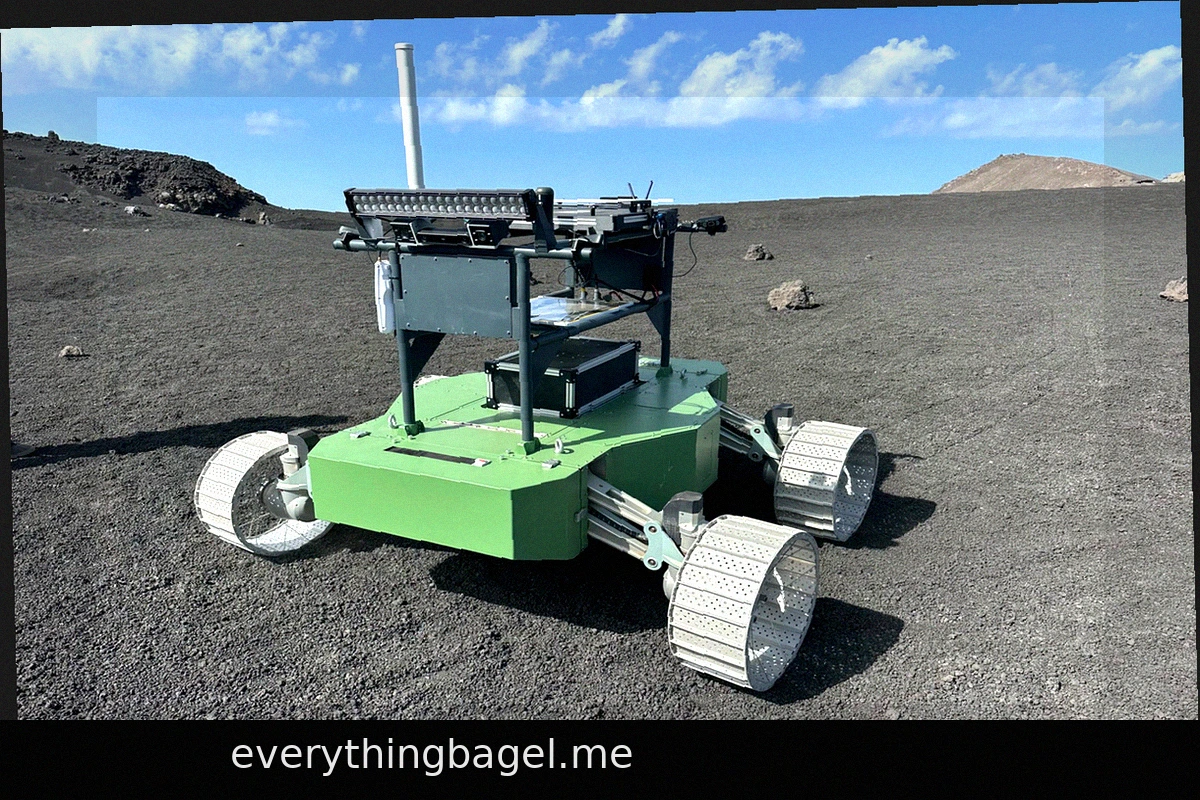
Italian Rover ETNA Completes Etna Tests for Future Lunar Missions
The testing campaign for the ETNA (Exploration Technology for Navigation & Autonomy) rover, developed as part of the Italian Space Agency (ASI) Universal Locomotion System program, has successfully concluded. For several weeks, the rover operated on the slopes of Mount Etna, tackling volcanic

Telespazio Inaugurates New Satellite Antenna in the Azores
Telespazio has unveiled a new S/X band satellite antenna on Santa Maria Island, located in the Portuguese archipelago of the Azores. This new infrastructure is a significant addition to the company's international ground station network and will be utilized for communications with low Earth or
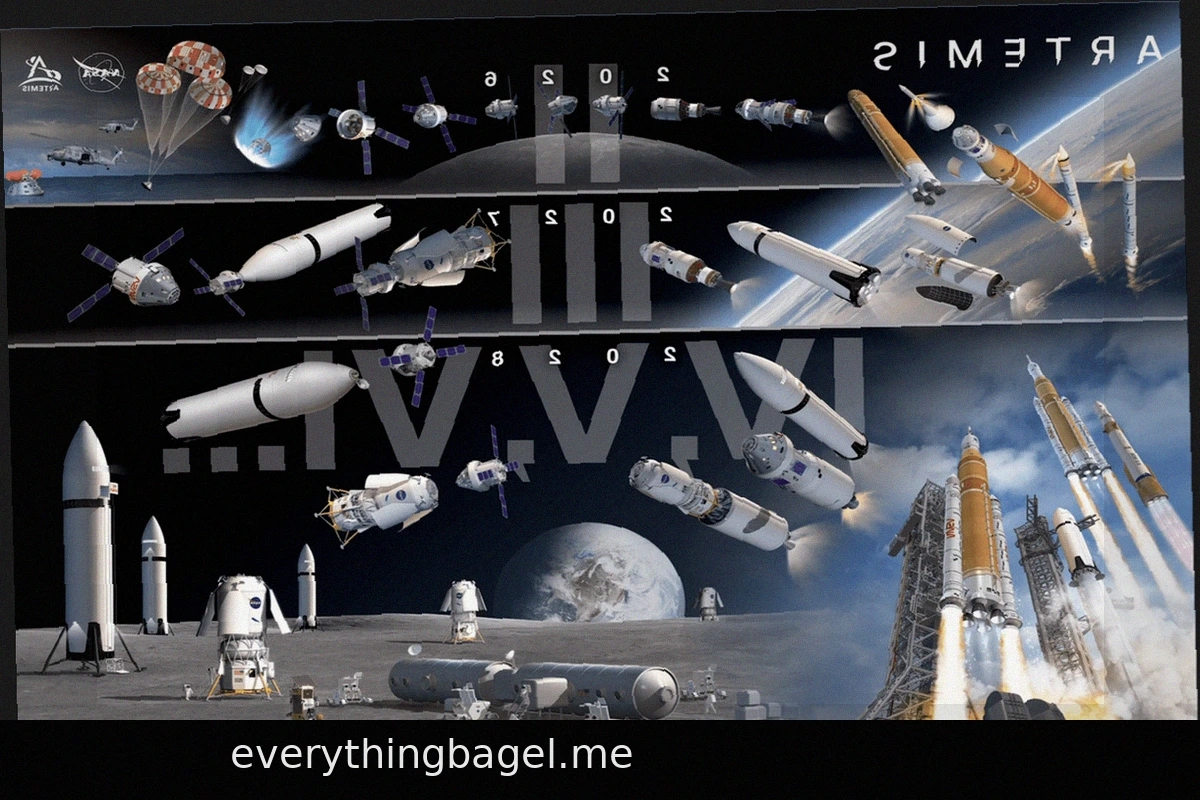
20 July 1969: The Apollo 11 Mission and the Moment That Changed the World
On July 20, 1969, the world paused to witness an event that would forever alter our perception of our place in space. The Apollo 11 mission's Eagle module, with Neil Armstrong and Buzz Aldrin aboard, landed on the Moon, marking a turning point in the history of human exploration. As the words
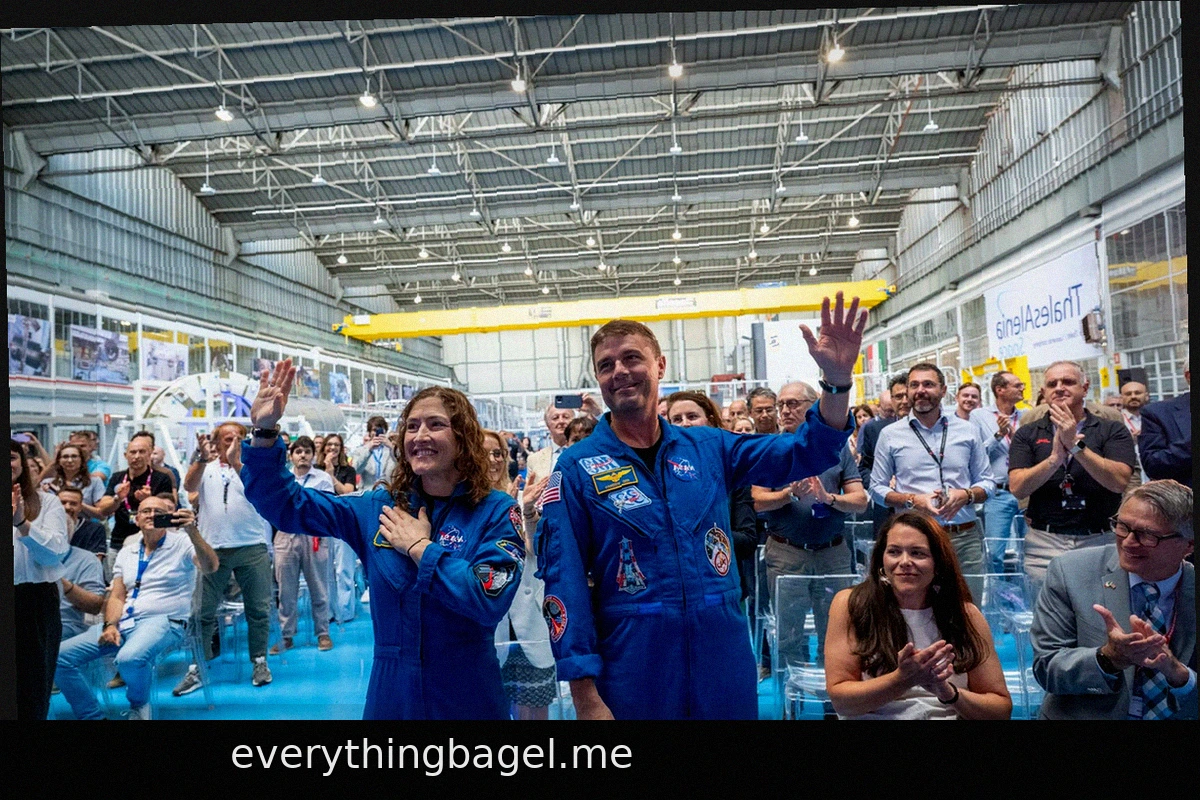
We Met Artemis Astronauts Reid Wiseman and Christina Koch
In April of this year, four individuals embarked on a journey to the Moon. This had not happened since 1972, when the Apollo 17 mission, the last of the previous lunar exploration program, was launched in December. Now, in 2026, we can finally say that the Artemis Program has begun, starting wi