20 July 1969: The Apollo 11 Mission and the Moment That Changed the World
On July 20, 1969, the world paused to witness an event that would forever alter our perception of our place in space. The Apollo 11 mission's Eagle module, with Neil Armstrong and Buzz Aldrin aboard, landed on the Moon, marking a turning point in the history of human exploration. As the words "That's one small step for a man, one giant leap for mankind" were spoken 300,000 km away, hundreds of millions of people, glued to their TV screens, were forever changed.
For the first time in history, a human being set foot on a celestial body outside our planet. This was a frontier of exploration that has yet to be surpassed. Today, July 20, 2026, 57 years have passed since that day. No human has landed on the lunar surface since the Apollo Program.
Before the Next Lunar Landing
The Apollo 11 mission represented an unprecedented technological feat. The lunar module Eagle, designed and built by Grumman Aircraft, had to be light enough to be launched into space and, at the same time, robust enough to land on the lunar surface and protect its occupants. This required significant innovations in materials, design, and engineering.
In the Artemis program, the role that the Eagle lunar module played during Apollo will be entrusted to one of the Human Landing System (HLS) landers developed by NASA's commercial partners. Unlike the Apollo lunar module, the Artemis lander will be launched separately from the vehicle that will carry astronauts from Earth, the Orion capsule.
During Artemis III, which was intended to be humanity's return to the Moon until February and is currently still scheduled for the second half of 2027, docking and rendezvous maneuvers with Orion will be tested in low Earth orbit with both HLS landers: Blue Origin's Blue Moon and SpaceX's Starship, though in versions not exactly identical to those that would be used for a lunar landing.
Artemis IV, currently planned for 2028, will be the first true mission of humanity's return to the lunar surface.
For Apollo 11, the command module Columbia, designed by North American Aviation, had to be capable of sustaining life aboard for several days. This is where Michael Collins remained while Armstrong and Aldrin descended to the Moon.
This task, during Artemis IV, will be performed by the Orion capsule, which will transport four astronauts from Earth to lunar orbit and then bring all four back home. A similar task was accomplished by the Orion "Integrity" during the Artemis II mission, which in April 2026 took Reid Wiseman, Christina Koch, Victor Glover, and Jeremy Hansen on a flyby around the Moon before returning to Earth, a mission that lasted approximately 9 days.
Finally, the Saturn V, the rocket that launched Apollo 11 into space. With its 110 meters in height and the ability to generate over 3500 tons of thrust, the Saturn V remained the most powerful launch vehicle ever built until the ignition of the Space Launch System (SLS) in November 2022, the launcher for all Orion capsules in the Artemis program. It was then surpassed by the first Super Heavy prototype in 2023, which will launch Starship into space and produces more than double the thrust of the previous two rockets.
The Political Aspect
The Apollo 11 mission was not only a technological triumph but also a highly significant political event. In the midst of the Cold War, the space race between the United States and the Soviet Union was seen as a symbolic, and not only symbolic, battlefield for global supremacy. The challenge to reach the Moon first was so intense that several analyses have indicated the Soviet Union's unsuccessful spending on space technologies as one of the causes of its economic collapse in the 1970s and 1980s.
The Soviet Union had initially taken the lead, launching the first artificial satellite, Sputnik, in 1957, and sending the first man, Yuri Gagarin, into space in 1961. However, with the landing on the Moon, the United States claimed the most important and decisive victory.
The achievement of Apollo 11 was seen as a demonstration of the technological and organizational, and even ideological, superiority of the United States. President John F. Kennedy's promise at the beginning of the decade, that the United States would send a man to the Moon by the end of the 1960s, was fulfilled.
The Impact on Space Exploration
The Moon landing had a profound impact on society. For the first time, humanity had left its planet and set foot on another celestial body. This event broadened our horizons and changed our perception of ourselves and our place in the Solar System, as well as in the Universe. It's worth remembering that in the 1960s, millions of Americans still believed in the existence of Martians, a belief widespread in the first half of the last century.
The Apollo 11 mission, while marking the victory in the space race, paved the way for further space exploration. Six more Apollo missions followed, five of which successfully landed on the Moon. These missions gathered a vast amount of scientific data and lunar samples that continue to be studied today.
Furthermore, the Moon landing stimulated interest in science and technology, leading to increased investment in research and development and inspiring generations of scientists and engineers. Employing over 400,000 people in the USA alone, the Apollo Program transformed the country, and indirectly the entire world. It represented a triumph of technology and engineering, a turning point in the Cold War, and a moment of profound transformation for American society. As we celebrate its anniversary, it is important to remember the political and social context in which it unfolded, but also the audacity, courage, and ingenuity that made this incredible journey possible.
Today, more than half a century after that day, the legacy of Apollo 11 continues to live on. Artemis II, which just a few months ago returned humans to deep space after more than fifty years, has demonstrated that lunar exploration does not belong only to the past: if Apollo showed us that reaching another world was possible, the Artemis program aims to transform that achievement into an increasingly stable and lasting human presence, paving the way for a new generation of explorers.
Fresh materials — Science News
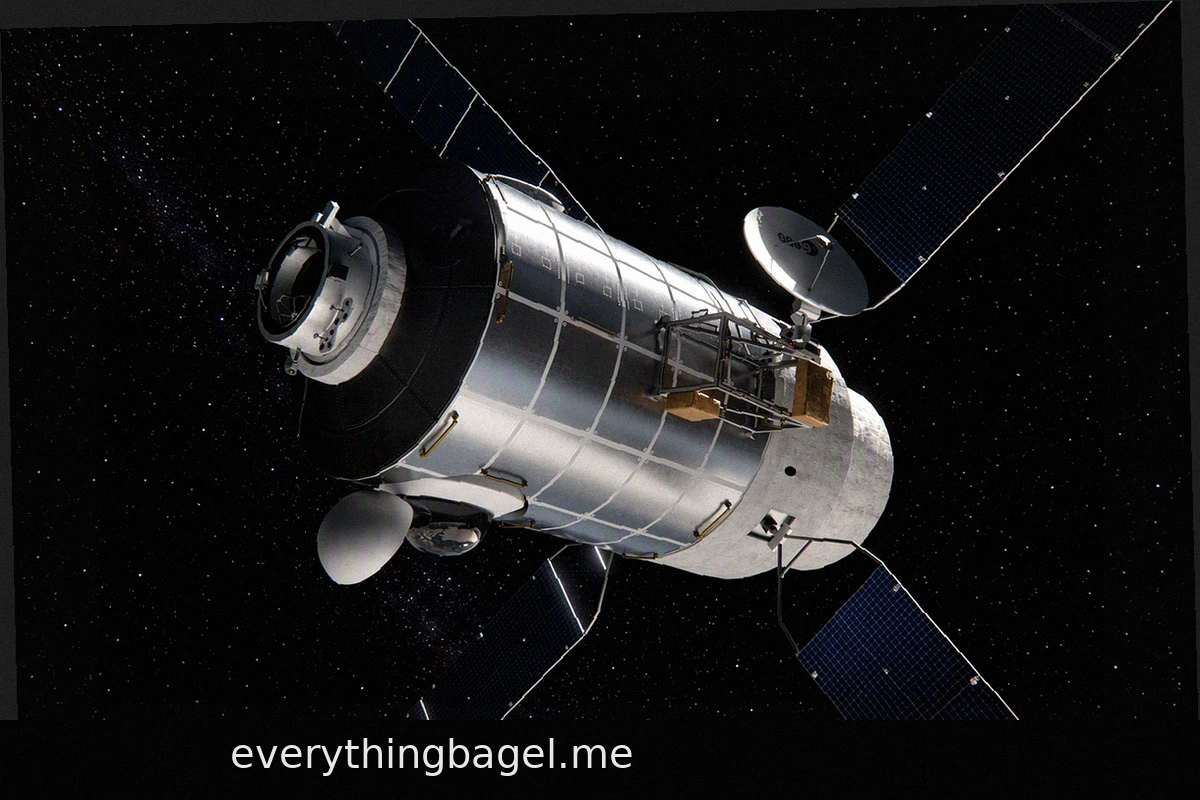
ESA Initiates European Space Station Feasibility Studies with Airbus and OHB
The European Space Agency (ESA) has commissioned parallel studies by Airbus Defence and Space and OHB to assess the feasibility of a future European-led space station in low Earth orbit. This initiative is part of ESA's preparations for the post-International Space Station (ISS) era. Currently
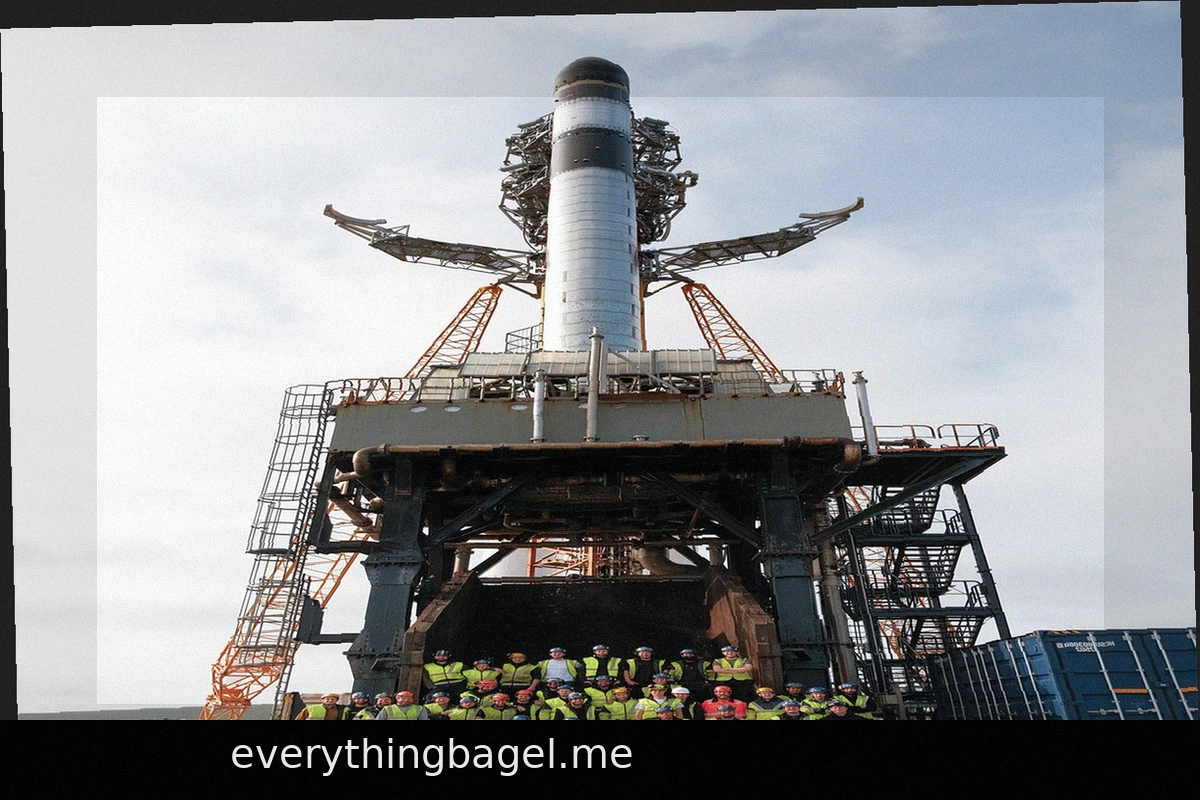
UK Invests £60 Million to Finalize SaxaVord Spaceport
The British government has announced an investment of £30 million in the SaxaVord spaceport, located in the Shetland Islands, Scotland. A portion of this funding will be public, supplemented by an anticipated £30 million from private investors, totaling £60 million to complete the launch site'
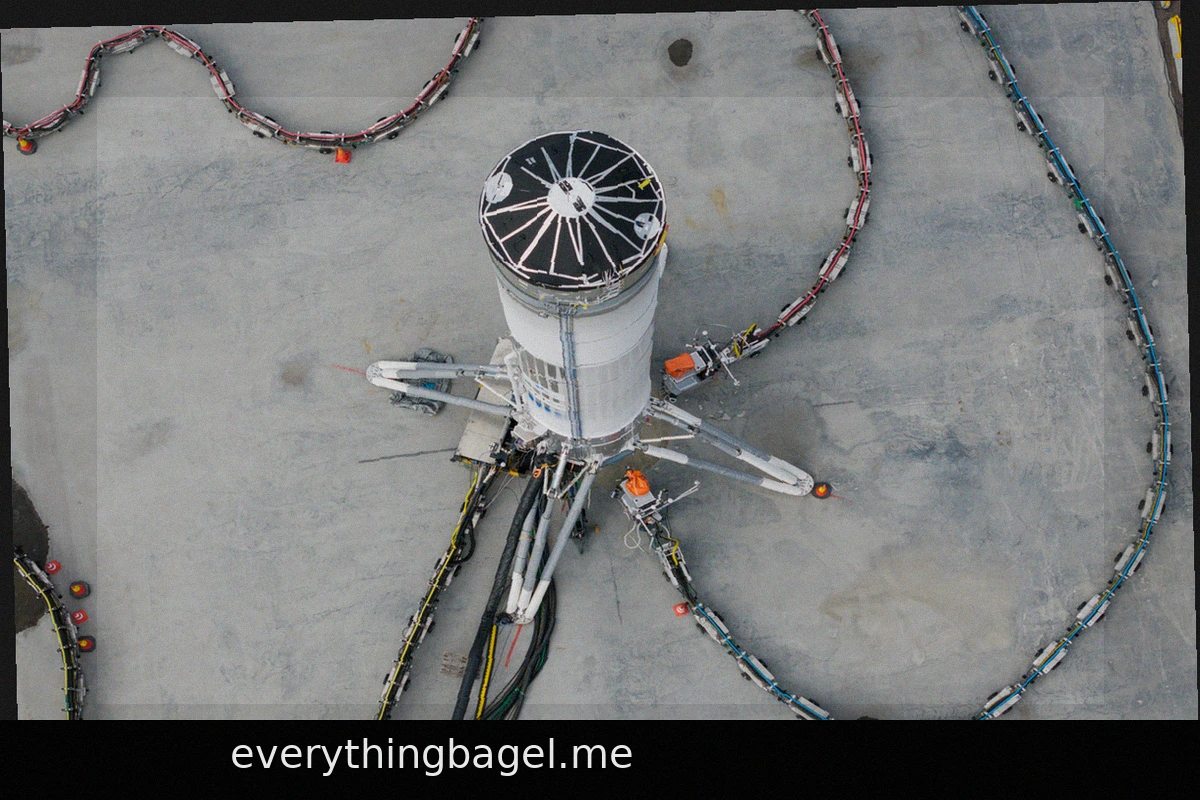
European Reusable Rocket Demonstrator Themis Completes Wet Dress Rehearsal Test
On July 23, 2026, the European demonstrator, Themis, successfully completed a wet dress rehearsal at the Esrange Space Center in northern Sweden. This test allowed teams from ArianeGroup and SSC Space (the company managing the Esrange spaceport) to simulate the full day's operational sequence

Italian Rover ETNA Completes Etna Tests for Future Lunar Missions
The testing campaign for the ETNA (Exploration Technology for Navigation & Autonomy) rover, developed as part of the Italian Space Agency (ASI) Universal Locomotion System program, has successfully concluded. For several weeks, the rover operated on the slopes of Mount Etna, tackling volcanic

Telespazio Inaugurates New Satellite Antenna in the Azores
Telespazio has unveiled a new S/X band satellite antenna on Santa Maria Island, located in the Portuguese archipelago of the Azores. This new infrastructure is a significant addition to the company's international ground station network and will be utilized for communications with low Earth or
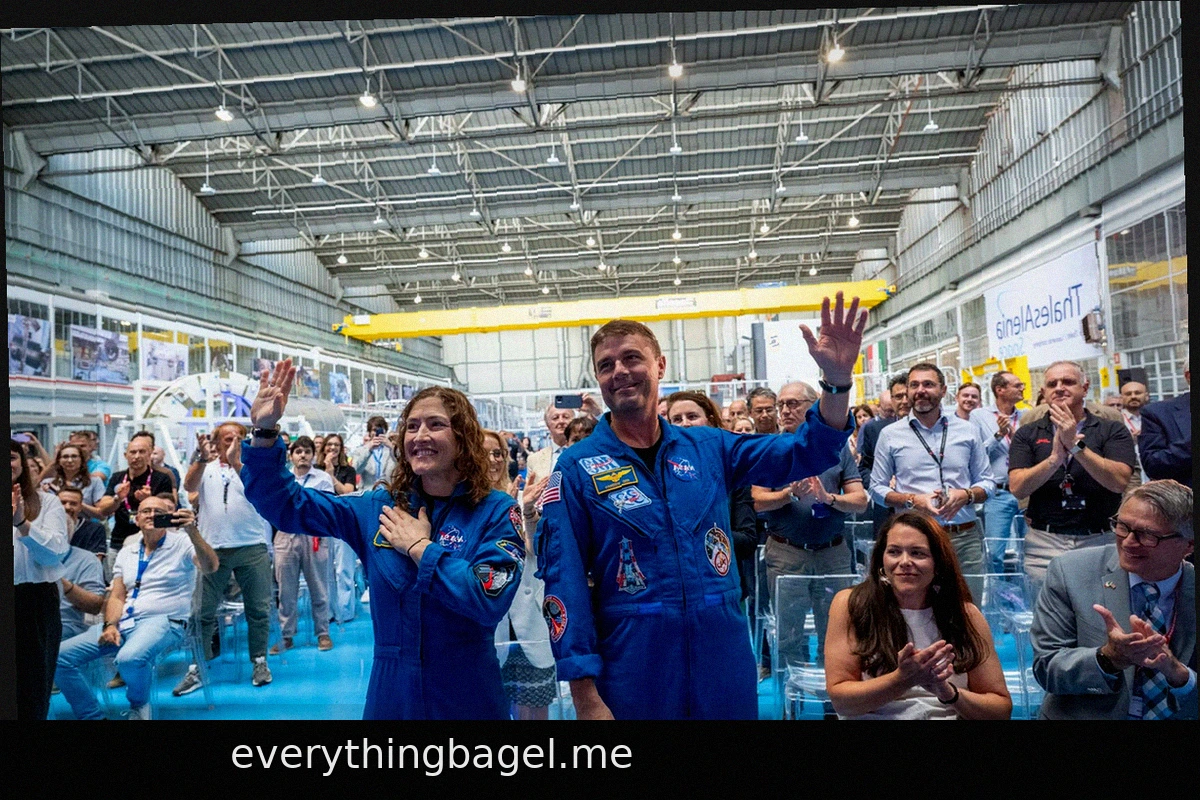
We Met Artemis Astronauts Reid Wiseman and Christina Koch
In April of this year, four individuals embarked on a journey to the Moon. This had not happened since 1972, when the Apollo 17 mission, the last of the previous lunar exploration program, was launched in December. Now, in 2026, we can finally say that the Artemis Program has begun, starting wi