Italian Rover ETNA Completes Etna Tests for Future Lunar Missions
The testing campaign for the ETNA (Exploration Technology for Navigation & Autonomy) rover, developed as part of the Italian Space Agency (ASI) Universal Locomotion System program, has successfully concluded. For several weeks, the rover operated on the slopes of Mount Etna, tackling volcanic
The testing campaign for the ETNA (Exploration Technology for Navigation & Autonomy) rover, developed as part of the Italian Space Agency (ASI) Universal Locomotion System program, has successfully concluded. For several weeks, the rover operated on the slopes of Mount Etna, tackling volcanic terrain chosen for its similarities to certain areas of the lunar surface.
The campaign aimed to verify the functionality of the mobility and navigation systems in a particularly challenging natural environment. ASI announced today that the rover successfully completed the trials, proving its ability to handle uneven surfaces and loosely compacted terrain, conditions similar to those that might be encountered in future missions to the Moon's South Pole.
The project is coordinated and funded by ASI. The rover's development is led by Thales Alenia Space Italia, with contributions from Leonardo, IIT, ALTEC, AIKO, Politecnico di Torino, and Volta Structural Energy.
Why Was the Rover Tested on Etna?
Before being used in space, rovers are tested in terrestrial environments that replicate, at least partially, the characteristics of extraterrestrial terrain. Mount Etna is one of the most frequently chosen sites in Europe because its lava flows, volcanic material deposits, and significant elevation changes provide a good testbed for verifying how a vehicle moves over difficult surfaces.
During the campaign, the locomotion systems, autonomous navigation, and the rover's ability to operate without continuous operator control were put to the test. These technologies will be crucial for future lunar missions, where communication delays with Earth necessitate delegating an increasing portion of operational decisions to the rovers.
ETNA was developed to validate technologies that can be employed in upcoming lunar exploration missions. The goal of the Universal Locomotion System program is to develop a robotic platform capable of carrying scientific instruments, supporting astronaut activities, and operating autonomously in the extreme environments of the lunar surface.
Fresh materials — Science News
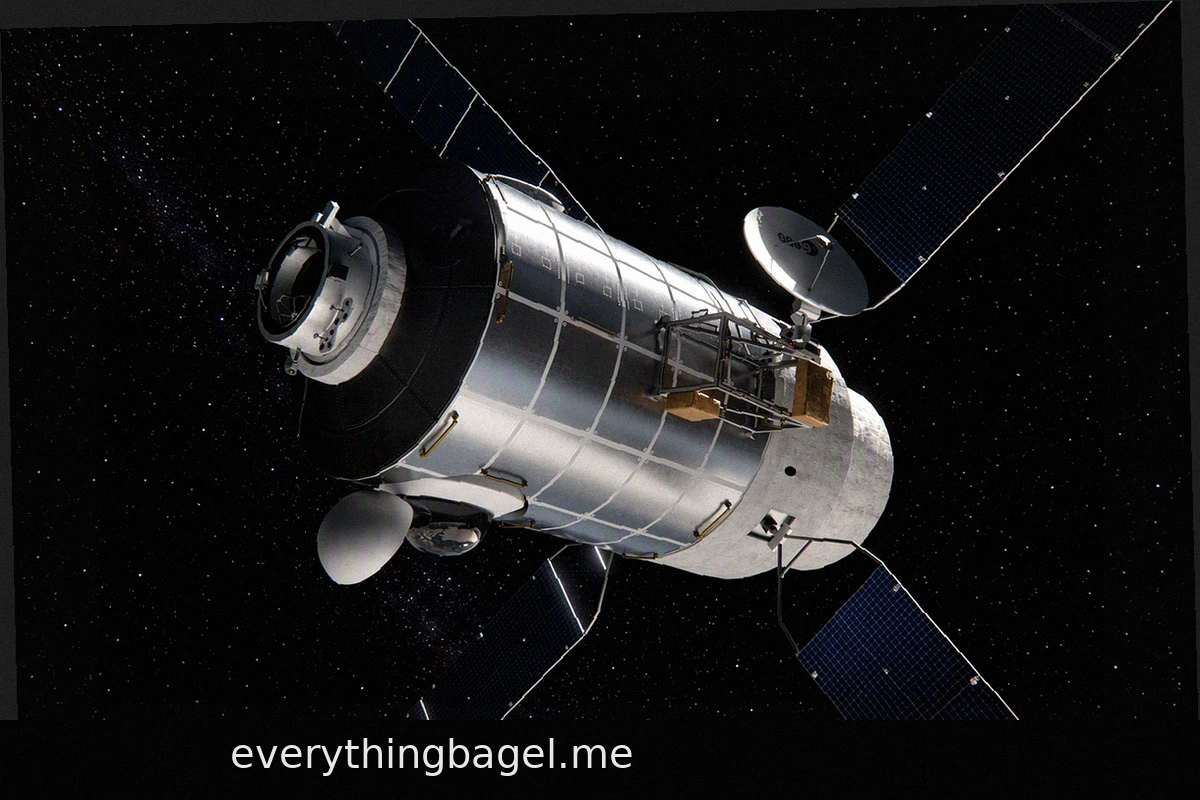
ESA Initiates European Space Station Feasibility Studies with Airbus and OHB
The European Space Agency (ESA) has commissioned parallel studies by Airbus Defence and Space and OHB to assess the feasibility of a future European-led space station in low Earth orbit. This initiative is part of ESA's preparations for the post-International Space Station (ISS) era. Currently
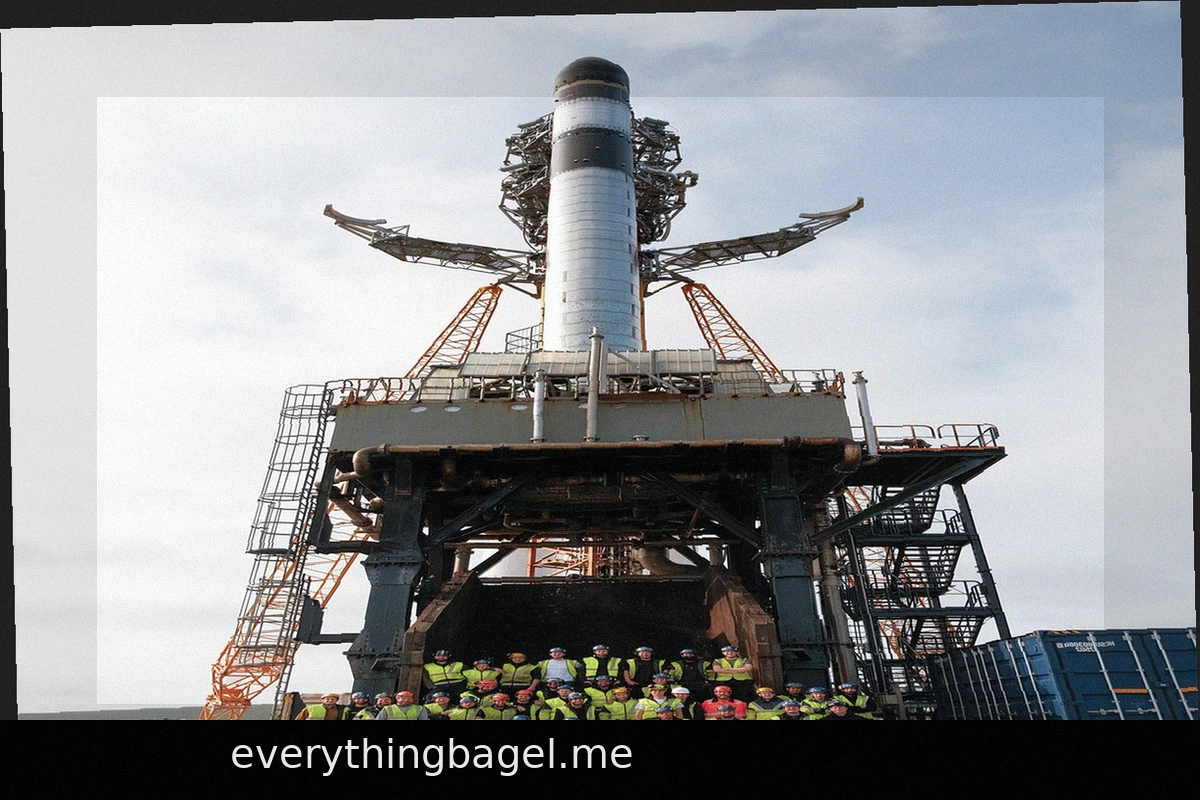
UK Invests £60 Million to Finalize SaxaVord Spaceport
The British government has announced an investment of £30 million in the SaxaVord spaceport, located in the Shetland Islands, Scotland. A portion of this funding will be public, supplemented by an anticipated £30 million from private investors, totaling £60 million to complete the launch site'
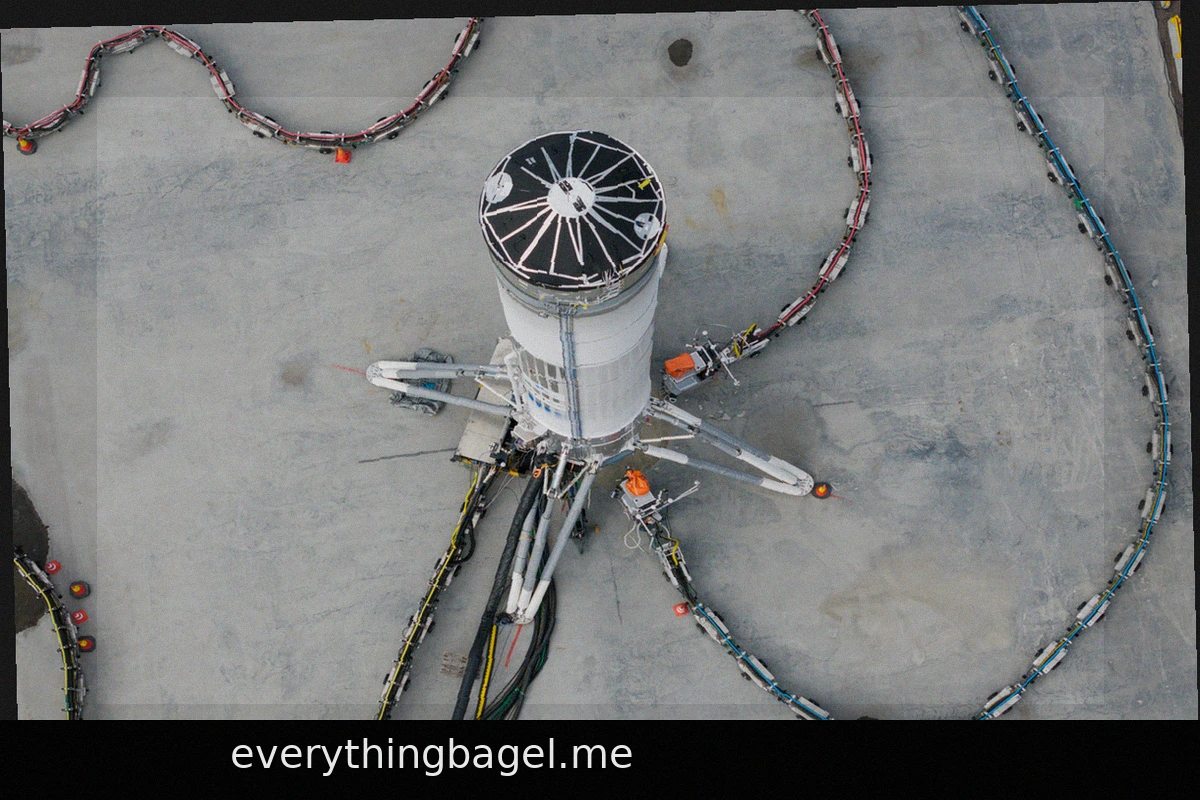
European Reusable Rocket Demonstrator Themis Completes Wet Dress Rehearsal Test
On July 23, 2026, the European demonstrator, Themis, successfully completed a wet dress rehearsal at the Esrange Space Center in northern Sweden. This test allowed teams from ArianeGroup and SSC Space (the company managing the Esrange spaceport) to simulate the full day's operational sequence

Telespazio Inaugurates New Satellite Antenna in the Azores
Telespazio has unveiled a new S/X band satellite antenna on Santa Maria Island, located in the Portuguese archipelago of the Azores. This new infrastructure is a significant addition to the company's international ground station network and will be utilized for communications with low Earth or
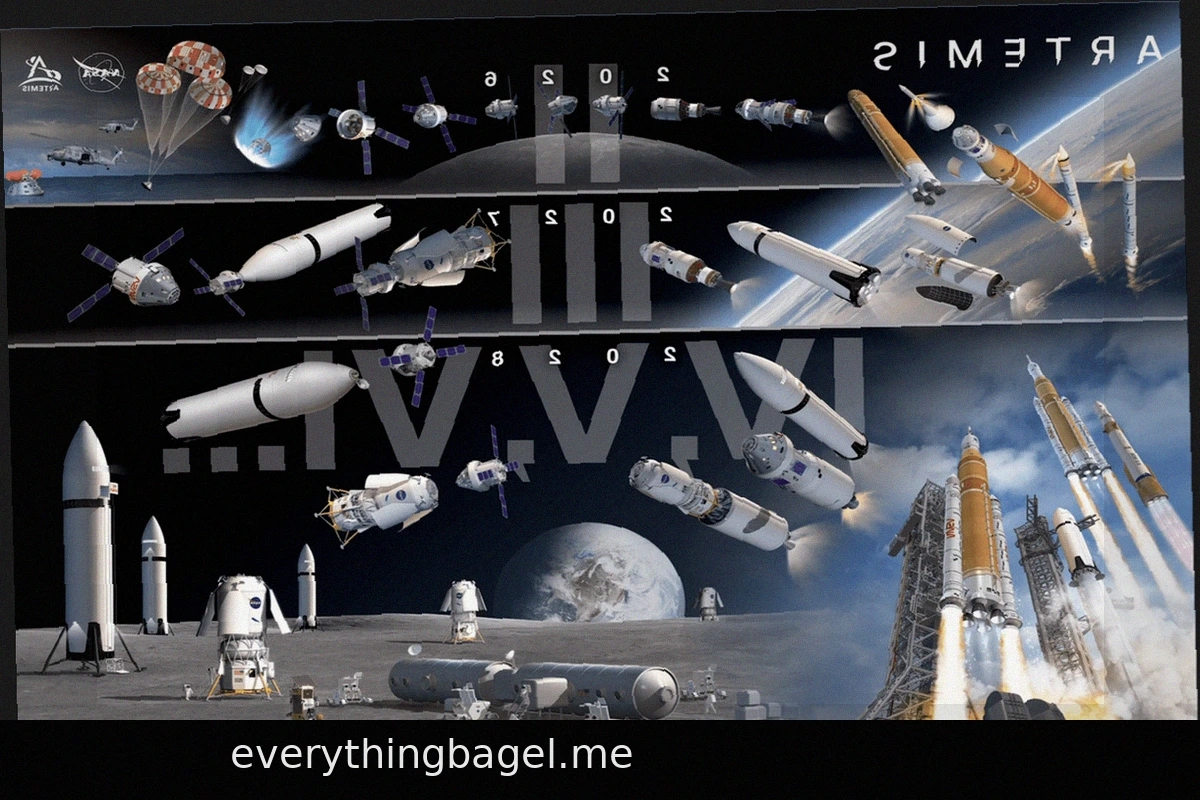
20 July 1969: The Apollo 11 Mission and the Moment That Changed the World
On July 20, 1969, the world paused to witness an event that would forever alter our perception of our place in space. The Apollo 11 mission's Eagle module, with Neil Armstrong and Buzz Aldrin aboard, landed on the Moon, marking a turning point in the history of human exploration. As the words
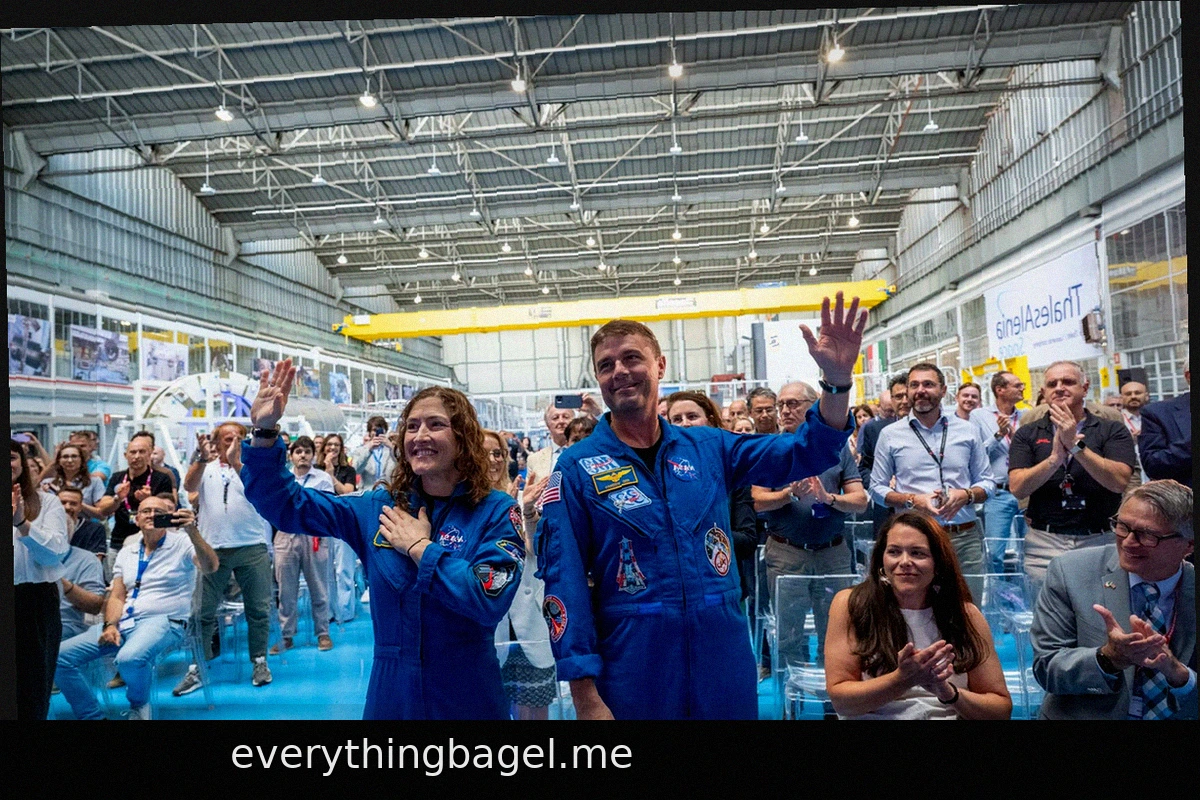
We Met Artemis Astronauts Reid Wiseman and Christina Koch
In April of this year, four individuals embarked on a journey to the Moon. This had not happened since 1972, when the Apollo 17 mission, the last of the previous lunar exploration program, was launched in December. Now, in 2026, we can finally say that the Artemis Program has begun, starting wi