We Met Artemis Astronauts Reid Wiseman and Christina Koch
In April of this year, four individuals embarked on a journey to the Moon. This had not happened since 1972, when the Apollo 17 mission, the last of the previous lunar exploration program, was launched in December. Now, in 2026, we can finally say that the Artemis Program has begun, starting with the Artemis II mission, the first with humans on board.
Inside the Orion capsule, carried into space by the SLS rocket and propelled towards the Moon by the European-built ESM service module, were Reid Wiseman, Christina Koch, Victor Glover, and Jeremy Hansen. An crew among the most incredible that space exploration has ever seen, and this is something the whole world recognized after witnessing their mission to the Moon.
On July 16, 2026, during a European tour, Reid Wiseman and Christina Koch arrived in Italy, at the Thales Alenia Space facility, where they thanked and met employees and technicians of the company, who effectively built the ESM module. This structure begins its journey right here in Turin, where the hull and basic components are constructed. It then moves to Bremen, to Airbus facilities, which is the prime contractor and completes its construction. The ESM module is then shipped to the United States for integration with the main engine and then with the Orion capsule.
During the July 16 event, representatives from the European Space Agency also confirmed that NASA is about to sign a contract with Airbus for two new ESM service modules, those that will be used for Artemis 7 and 8 missions. The modules up to Artemis 6 are already in production. This is an important confirmation that NASA is truly aiming to use SLS and the Orion capsule beyond the Artemis 5 mission.
Meeting the Astronauts
Inside the Thales Alenia Space production site, with space station modules and Cygnus capsules, and welding and thermal vacuum testing machinery behind them, about a hundred chairs were arranged. There, men and women who for years, mainly during Covid, had worked on a fundamental spacecraft for reaching the Moon, welcomed two people who had actually used it.

But it's not just about utility, a utilitarian thank you. Reid Wiseman and Christina Koch were visibly aware that their lives were in the hands of these hundred people, as well as thousands of others across Europe and the United States, who contributed to sending them to the Moon and bringing them back to Earth.
Once on stage, they recounted their journey to the Moon once more, commenting on a summary video with the main moments of the Artemis II mission. They highlighted the parts where the separation from the SLS second stage occurred, and when the service module was ignited.

Interview with Christina Koch and Reid Wiseman
At the end of their account, I had the opportunity to ask the two Artemis II astronauts two questions. The first was to ask them what the Moon looked like seeing it from the other side, from the side hidden from us. Did it seem like a place where we could actually live in the future, or did it still seem like a beautiful desert even up close, as it does from Earth?
Christina Koch:
Yes. I was actually thinking about that today, when I saw the mountains as we were arriving at this facility. I thought about how beautiful the Moon is, with all its topography, the mountains and canyons formed by craters, only it appeared in a sharp contrast between black and white.
So, if you can imagine it, yes, I would have wanted to land on the Moon. I would have wanted to explore it. But at the same time, it remained something otherworldly, a completely different place. I had the feeling that if I went down there, I would have become black and white too. It was a totally alien environment, but at the same time it seemed to be calling us. It was incredible.
Reid Wiseman:
I really like the idea of the call you just described. That's exactly what I felt. Everything appeared three-dimensional. It seemed like we could just step out of the spacecraft and go explore the surface of the Moon. It all seemed so real, so concrete.
Then, I asked them how they felt seeing the Universe from inside the Orion capsule, being the four astronauts furthest from Earth in history. Did they feel small in the face of the Universe, or were they aware of what Humanity had managed to achieve?
Christina Koch:
I would say you feel both. And the interesting thing, talking among the four of us, is that each person perceived something slightly different. Jeremy Hansen, for example, says the experience gave him a sense of power, because he realized we were there due to a collective choice: we decided together to explore beyond our home planet.
The simple fact of being there is already something powerful. At the same time, however, you can't help but notice how small our planet is compared to everything you see around you.
Reid Wiseman:
That’s Good!
It was a huge emotion to see and meet two of the most incredible people in modern space exploration. Two humble astronauts, happy and honored by their role. An opportunity for which we thank Thales Alenia Space and the European Space Agency, and which we hope to repeat soon, with many more astronauts of the Artemis Era!
Fresh materials — Science News
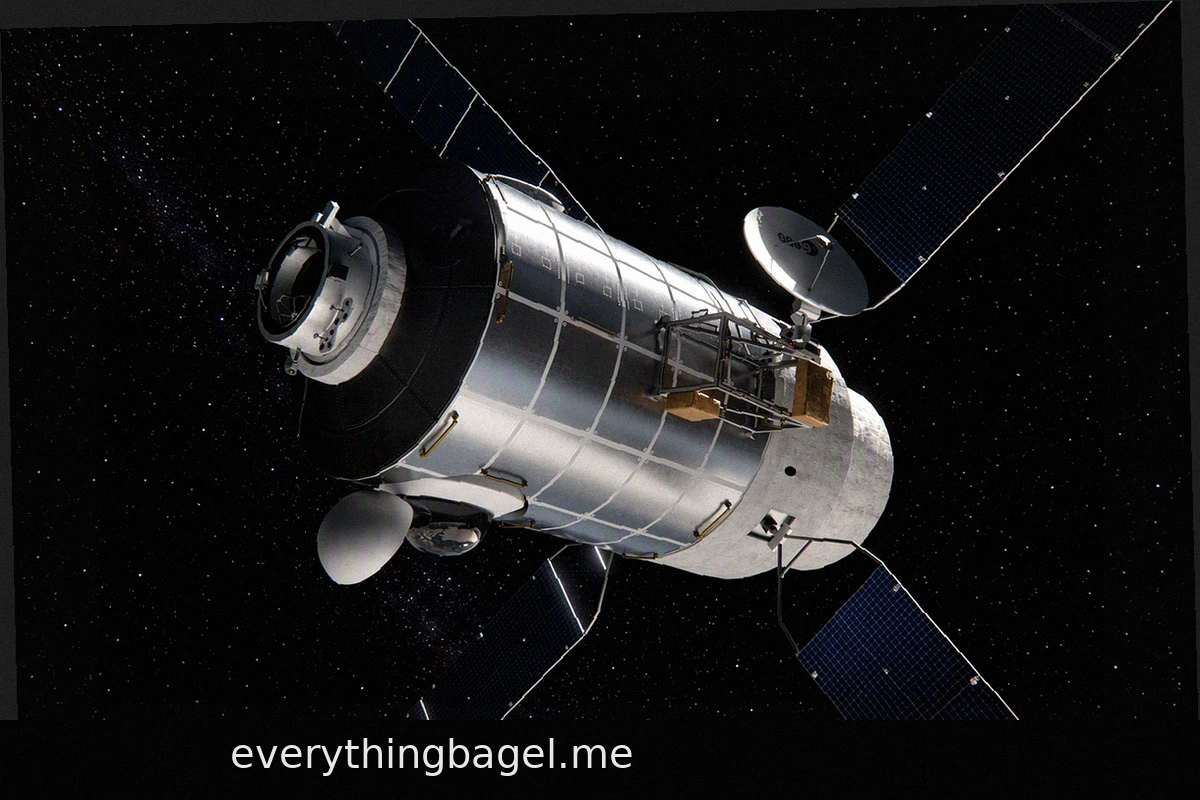
ESA Initiates European Space Station Feasibility Studies with Airbus and OHB
The European Space Agency (ESA) has commissioned parallel studies by Airbus Defence and Space and OHB to assess the feasibility of a future European-led space station in low Earth orbit. This initiative is part of ESA's preparations for the post-International Space Station (ISS) era. Currently
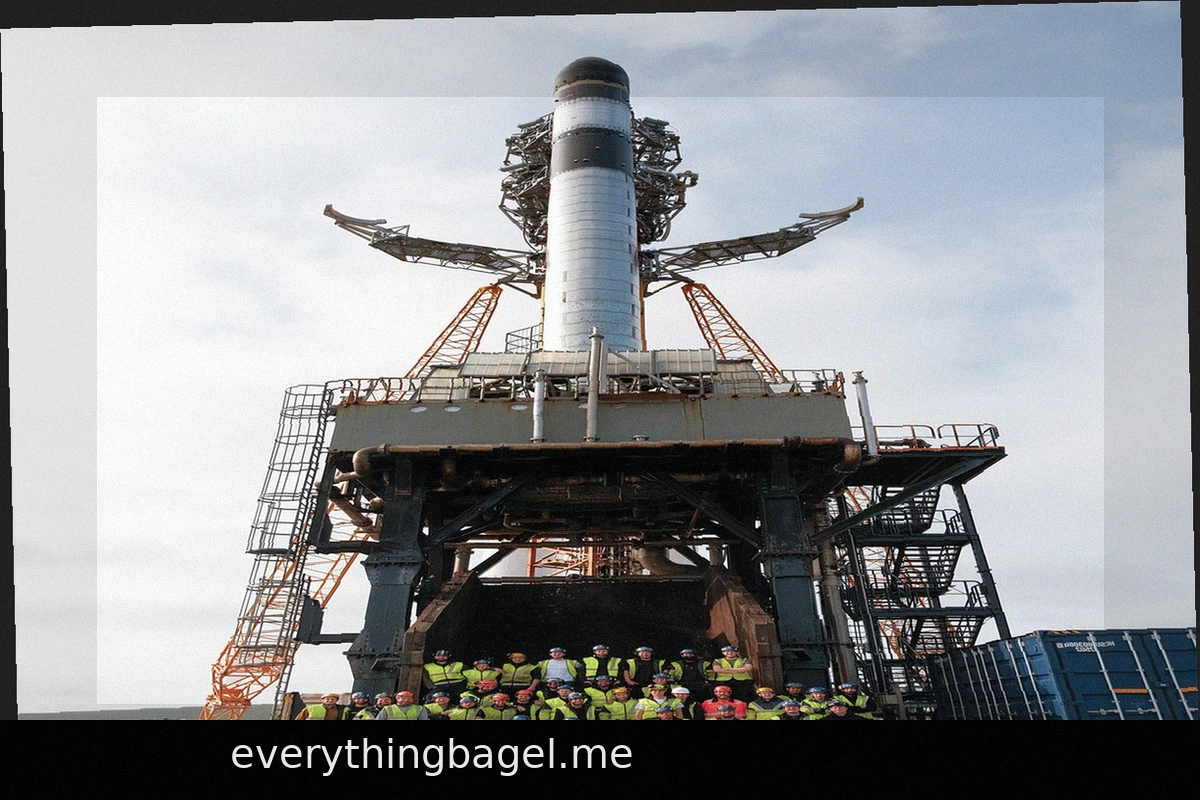
UK Invests £60 Million to Finalize SaxaVord Spaceport
The British government has announced an investment of £30 million in the SaxaVord spaceport, located in the Shetland Islands, Scotland. A portion of this funding will be public, supplemented by an anticipated £30 million from private investors, totaling £60 million to complete the launch site'
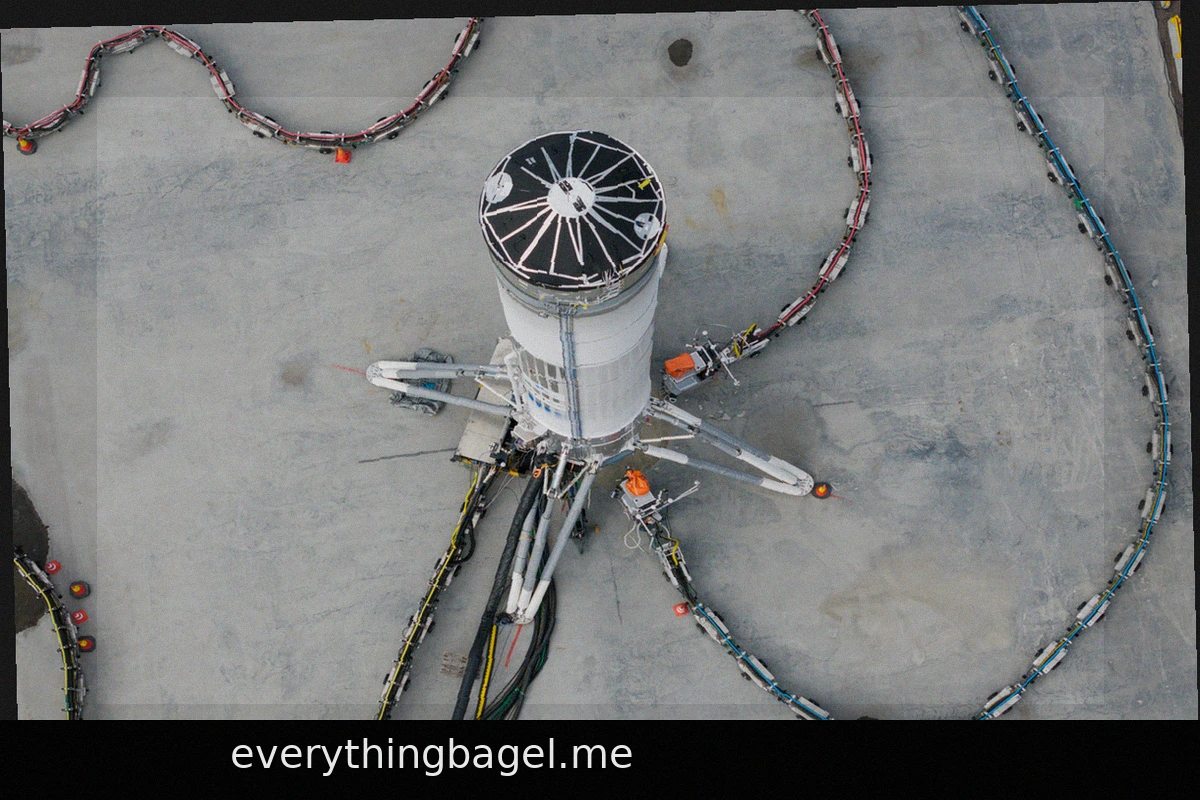
European Reusable Rocket Demonstrator Themis Completes Wet Dress Rehearsal Test
On July 23, 2026, the European demonstrator, Themis, successfully completed a wet dress rehearsal at the Esrange Space Center in northern Sweden. This test allowed teams from ArianeGroup and SSC Space (the company managing the Esrange spaceport) to simulate the full day's operational sequence
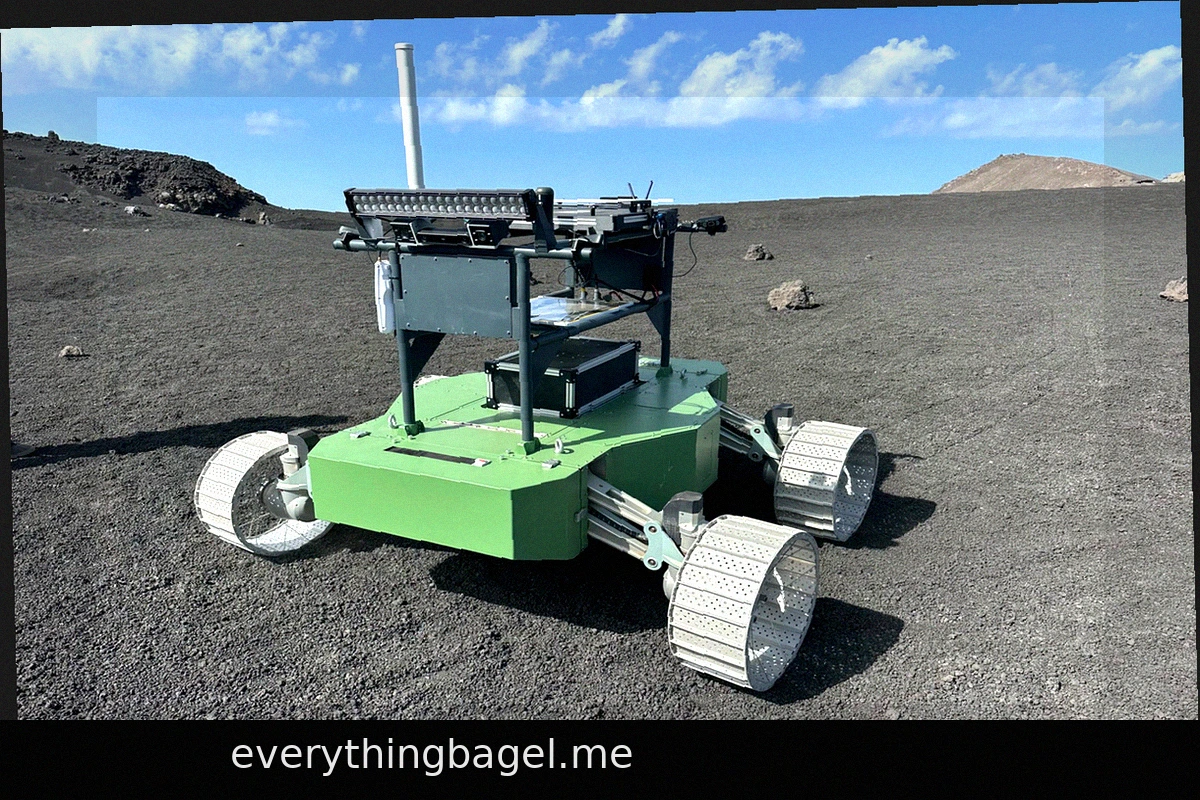
Italian Rover ETNA Completes Etna Tests for Future Lunar Missions
The testing campaign for the ETNA (Exploration Technology for Navigation & Autonomy) rover, developed as part of the Italian Space Agency (ASI) Universal Locomotion System program, has successfully concluded. For several weeks, the rover operated on the slopes of Mount Etna, tackling volcanic
Telespazio Inaugurates New Satellite Antenna in the Azores
Telespazio has unveiled a new S/X band satellite antenna on Santa Maria Island, located in the Portuguese archipelago of the Azores. This new infrastructure is a significant addition to the company's international ground station network and will be utilized for communications with low Earth or
20 July 1969: The Apollo 11 Mission and the Moment That Changed the World
On July 20, 1969, the world paused to witness an event that would forever alter our perception of our place in space. The Apollo 11 mission's Eagle module, with Neil Armstrong and Buzz Aldrin aboard, landed on the Moon, marking a turning point in the history of human exploration. As the words