UK Invests £60 Million to Finalize SaxaVord Spaceport
The British government has announced an investment of £30 million in the SaxaVord spaceport, located in the Shetland Islands, Scotland. A portion of this funding will be public, supplemented by an anticipated £30 million from private investors, totaling £60 million to complete the launch site'
The British government has announced an investment of £30 million in the SaxaVord spaceport, located in the Shetland Islands, Scotland. A portion of this funding will be public, supplemented by an anticipated £30 million from private investors, totaling £60 million to complete the launch site's infrastructure.
The public funding was revealed on September 8th as part of the new UK Space Strategy, but it awaits final approval. SaxaVord has indicated that further details regarding the investment program will be shared once the agreement is finalized.
The funds will be utilized to complete the necessary infrastructure for future launch activities. This includes work on the three planned launch pads, mission control facilities, and the construction of a second hangar for integrating rockets and payloads.
SaxaVord is situated on the island of Unst, in the northern part of Shetland, and is currently the only British spaceport licensed for vertical launches. This authorization permits up to 30 launches annually, and the site has been designed to accommodate multiple operators simultaneously.
The £30 million investment is part of the new British space strategy, which outlines a total public expenditure of £7.8 billion by 2030. This is not the first direct government involvement for SaxaVord; in 2024, £10 million was already announced to support the spaceport's development.
SaxaVord Awaits Its First Launch
Despite infrastructure development commencing several years ago, no rocket has yet been launched into space from SaxaVord. The first orbital flight from the site is expected to be by RFA ONE, the launcher developed by Germany's Rocket Factory Augsburg.
RFA had initially planned the inaugural launch for August or September 2026, following the reconstruction of the first stage that was destroyed during a static fire test conducted at SaxaVord in August 2024. However, the campaign has been postponed again due to an issue encountered during the flight preparation phase.
Germany's HyImpulse is also active at the site and has confirmed its intention to conduct a suborbital launch campaign from SaxaVord. If successful before RFA ONE, this could mark the first rocket launch from the spaceport, albeit not to reach orbit.
The completion of the additional launch pads and the second hangar will primarily serve to enable SaxaVord to handle multiple operators and launch campaigns. The site was designed with a configuration distinct from a spaceport built for a single vehicle, intending to serve various companies with their own rockets and integration procedures.
The first launch from SaxaVord will hold broader significance for the British space sector. No vertical launch to orbit has ever been conducted from UK territory. The previous British orbital launch attempt was in January 2023 from Cornwall with Virgin Orbit's LauncherOne, which involved a rocket released in flight from an aircraft; that mission did not succeed in reaching orbit.
The United Kingdom is preparing to invest £60 million to complete the SaxaVord spaceport. The government has announced an initial £30 million, with an additional £30 million expected from private investors, to finalize the infrastructure at the Shetland Islands site. This funding is part of a larger UK space strategy aiming to boost the nation's capabilities in space exploration and commercial launches. SaxaVord, currently licensed for vertical launches, is poised to become a key hub for multiple operators and diverse launch missions, marking a significant step for the UK's orbital launch ambitions.
Fresh materials — Science News
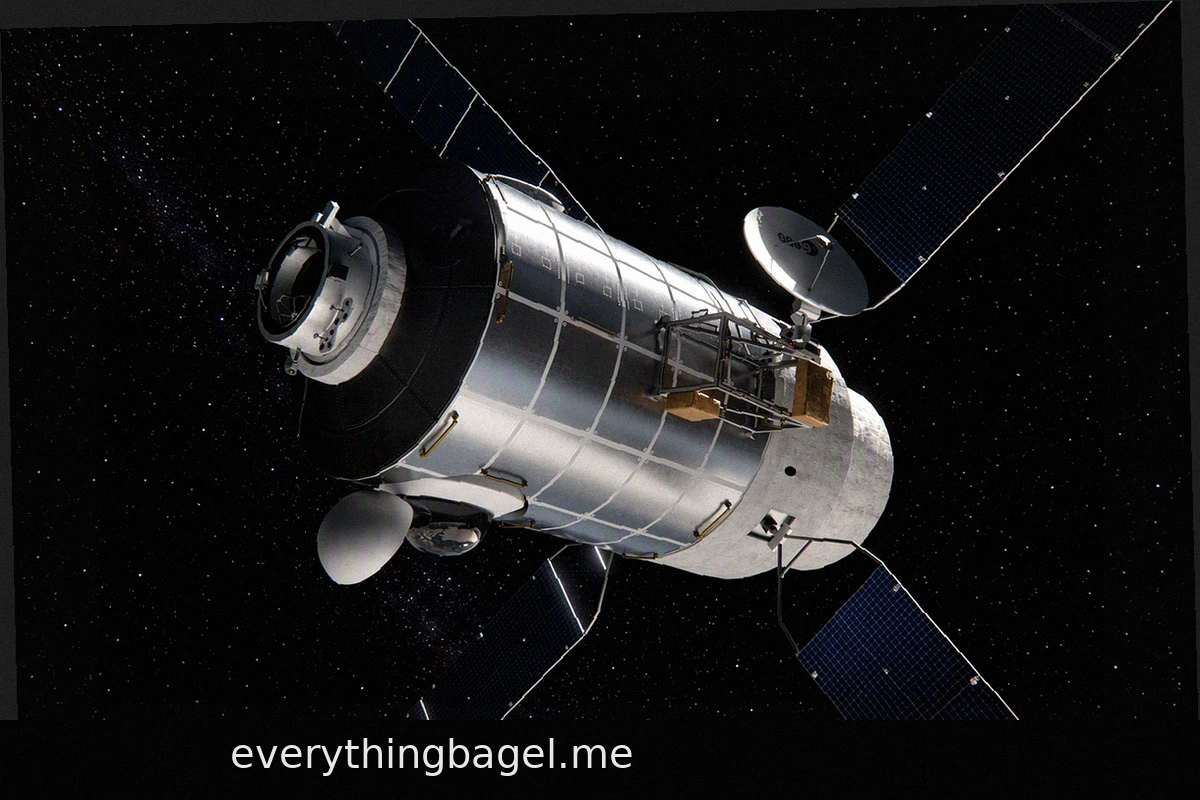
ESA Initiates European Space Station Feasibility Studies with Airbus and OHB
The European Space Agency (ESA) has commissioned parallel studies by Airbus Defence and Space and OHB to assess the feasibility of a future European-led space station in low Earth orbit. This initiative is part of ESA's preparations for the post-International Space Station (ISS) era. Currently
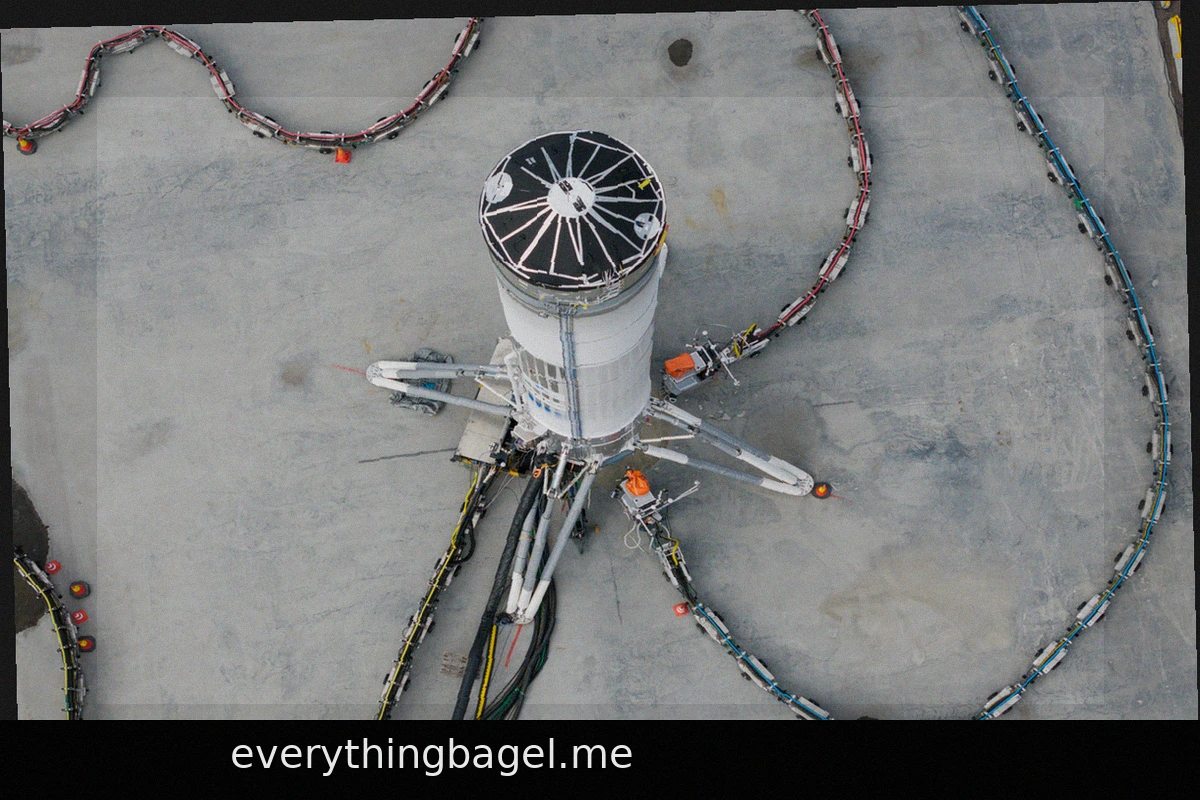
European Reusable Rocket Demonstrator Themis Completes Wet Dress Rehearsal Test
On July 23, 2026, the European demonstrator, Themis, successfully completed a wet dress rehearsal at the Esrange Space Center in northern Sweden. This test allowed teams from ArianeGroup and SSC Space (the company managing the Esrange spaceport) to simulate the full day's operational sequence
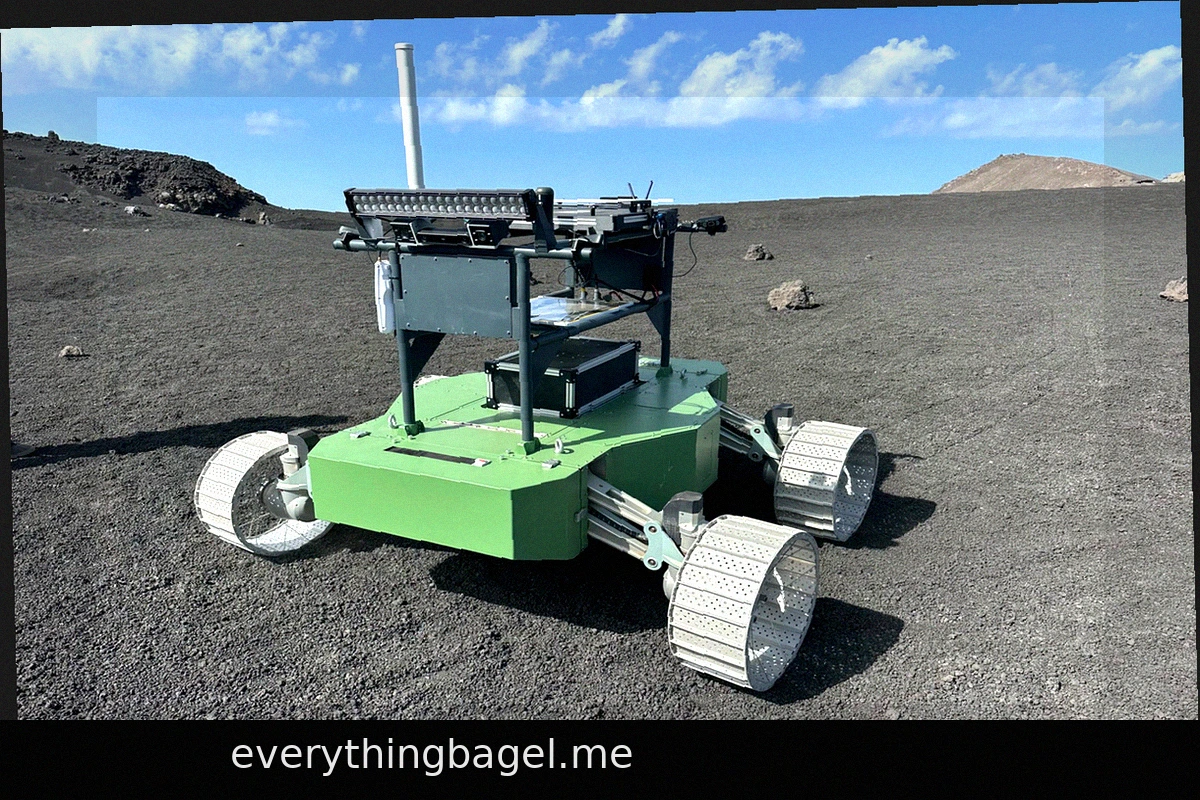
Italian Rover ETNA Completes Etna Tests for Future Lunar Missions
The testing campaign for the ETNA (Exploration Technology for Navigation & Autonomy) rover, developed as part of the Italian Space Agency (ASI) Universal Locomotion System program, has successfully concluded. For several weeks, the rover operated on the slopes of Mount Etna, tackling volcanic
Telespazio Inaugurates New Satellite Antenna in the Azores
Telespazio has unveiled a new S/X band satellite antenna on Santa Maria Island, located in the Portuguese archipelago of the Azores. This new infrastructure is a significant addition to the company's international ground station network and will be utilized for communications with low Earth or
20 July 1969: The Apollo 11 Mission and the Moment That Changed the World
On July 20, 1969, the world paused to witness an event that would forever alter our perception of our place in space. The Apollo 11 mission's Eagle module, with Neil Armstrong and Buzz Aldrin aboard, landed on the Moon, marking a turning point in the history of human exploration. As the words

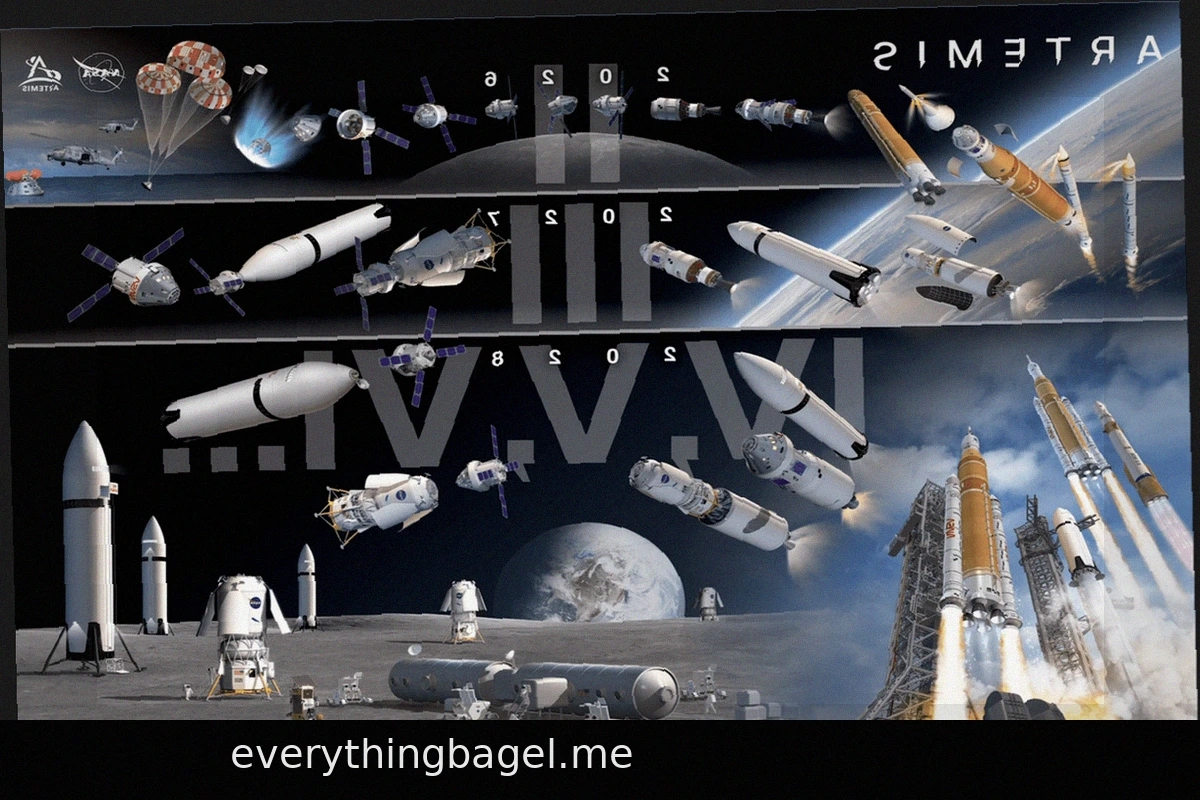
We Met Artemis Astronauts Reid Wiseman and Christina Koch
In April of this year, four individuals embarked on a journey to the Moon. This had not happened since 1972, when the Apollo 17 mission, the last of the previous lunar exploration program, was launched in December. Now, in 2026, we can finally say that the Artemis Program has begun, starting wi