Amazon Project Kuiper: Accelerating Satellite Production & Launch Rate
Amazon recently provided an update on its plans for the growth and deployment of its Project Kuiper (Amazon LEO) satellite constellation. This satellite network aims to provide satellite internet services, similar to SpaceX's Starlink. To date, 212 Project Kuiper satellites have been launched into orbit, with the most recent launch on February 12th using an Ariane 64 rocket.
With launches commencing in April 2025, just over 200 satellites have been deployed in the past year across 11 missions. Amazon intends to more than double this rate, planning over 20 launches in the next 365 days and increasing the number of satellites per rocket. While these figures remain modest compared to Starlink, Amazon highlights that Project Kuiper is already the third-largest satellite network in orbit by satellite count.
The next Project Kuiper satellite launch is scheduled for March 29th using an Atlas V rocket, with another Atlas V mission planned for the following month. Currently, ULA is believed to have four Atlas V rockets remaining, as production for this vehicle ceased in 2024.
Amazon has also stated that approximately 200 satellites are already produced and undergoing pre-launch preparations, particularly in Florida and French Guiana. Another Ariane 64 launch, the four-booster configuration of the European rocket, is anticipated in the coming weeks for the LE-02 mission.
Updates to Launches and Launch Vehicles
To accelerate the launch and deployment of its satellites, Amazon has ramped up production, now capable of producing up to 30 satellites per week. However, this production rate aligns with the current launch frequency, which is not yet high. To boost it, Amazon has invested in integration infrastructure to speed up pre-launch preparations and collaborated with launch providers to enhance their vehicle performance.
Specifically, a recent upgrade to the RL10 engine in the Atlas V's second stage will increase the number of Project Kuiper satellites carried from 27 to 29 for the upcoming launch. This particular mission will carry the heaviest payload ever launched by an Atlas V rocket. The number of satellites launched by Ariane 64 will also increase in the future, once the P160C solid rocket boosters, replacing the current P120C units produced by Avio, enter service.
Furthermore, the number of satellites launched by Blue Origin's New Glenn is expected to increase from the current 48. Renders from Amazon suggest that New Glenn's fairing still has spare capacity, being larger than ULA's Vulcan fairing, which will carry 40 satellites. Blue Origin has already announced an updated version of the New Glenn, named New Glenn 9x4, designed to deliver 25% more payload to low Earth orbit, with its debut anticipated in 2027.
New Investments
In addition to these launch vehicle upgrades, Amazon has announced a $200 million investment to modernize ULA's launch infrastructure at Cape Canaveral. These improvements include a new fairing integration tower, a new rail system for transporting rockets to the launchpad, and other minor infrastructure enhancements. According to Amazon, these investments are expected to double ULA's annual launch capacity.
Furthermore, Amazon confirmed extending its contract with Blue Origin, bringing the total number of acquired launches to 25. In late 2025, they also secured an additional 10 launches aboard SpaceX's Falcon 9. With these recent additions, Amazon has now secured over 100 launches for its Project Kuiper constellation. To date, 8 of these 100+ launches have been completed.
Amazon was required to deploy at least half of its constellation by July 2026 to maintain its communication frequency rights. This target has not been met, as the full constellation comprises 3200 satellites, meaning over 1600 should have been launched. Consequently, a waiver has been requested from the FCC, which has not yet been confirmed. However, significant issues are not anticipated, as Amazon has already secured approval for the future deployment of a second generation of satellites.
Fresh materials — Science News
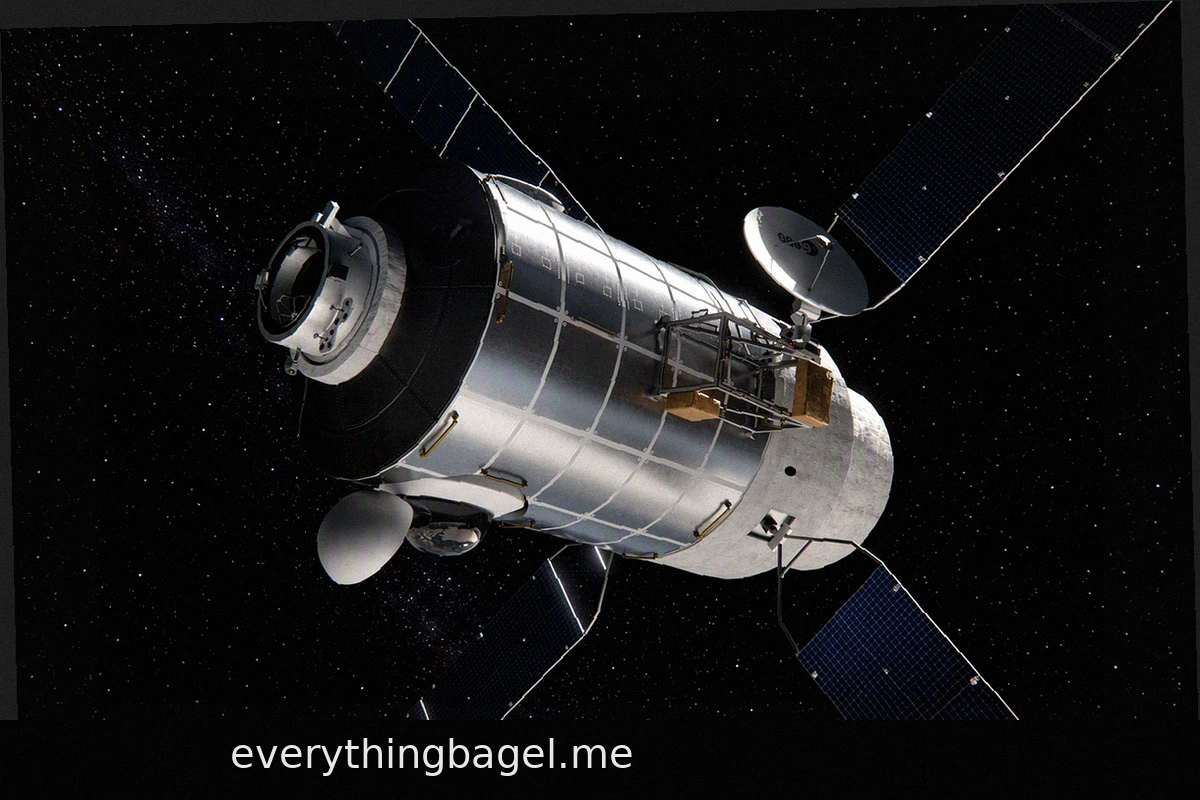
ESA Initiates European Space Station Feasibility Studies with Airbus and OHB
The European Space Agency (ESA) has commissioned parallel studies by Airbus Defence and Space and OHB to assess the feasibility of a future European-led space station in low Earth orbit. This initiative is part of ESA's preparations for the post-International Space Station (ISS) era. Currently
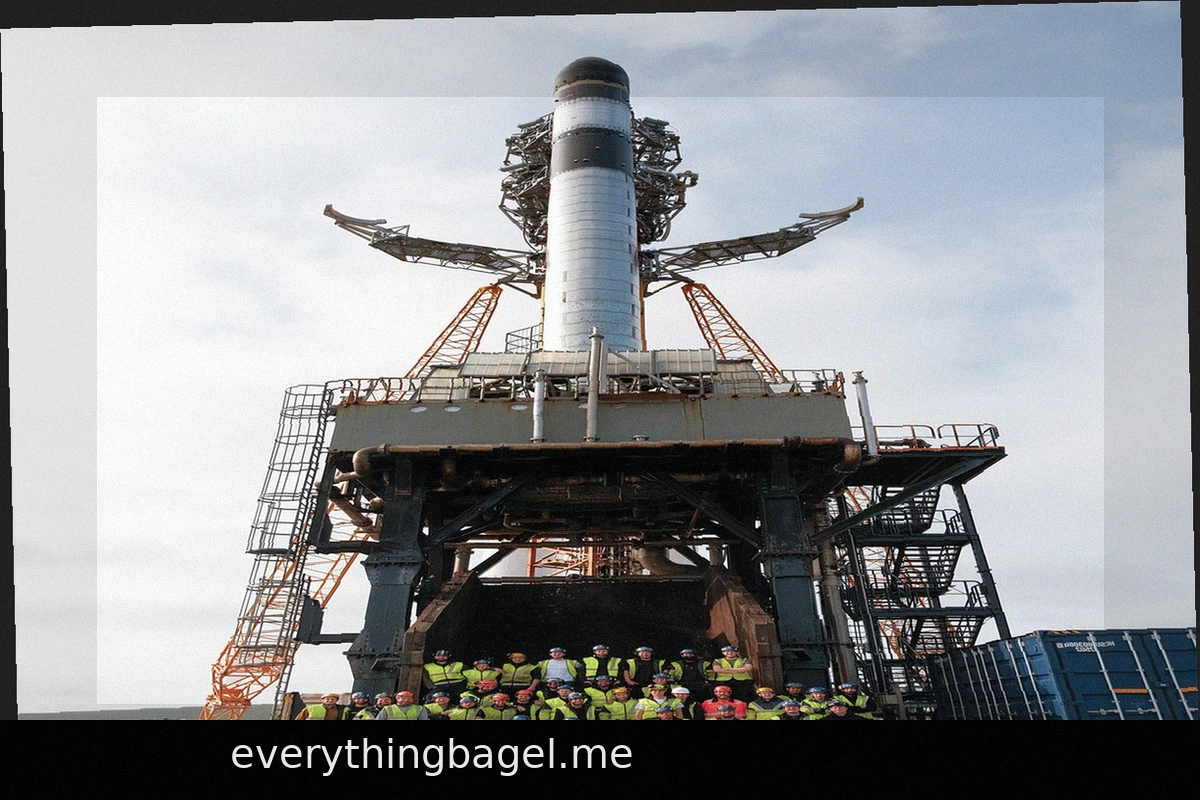
UK Invests £60 Million to Finalize SaxaVord Spaceport
The British government has announced an investment of £30 million in the SaxaVord spaceport, located in the Shetland Islands, Scotland. A portion of this funding will be public, supplemented by an anticipated £30 million from private investors, totaling £60 million to complete the launch site'
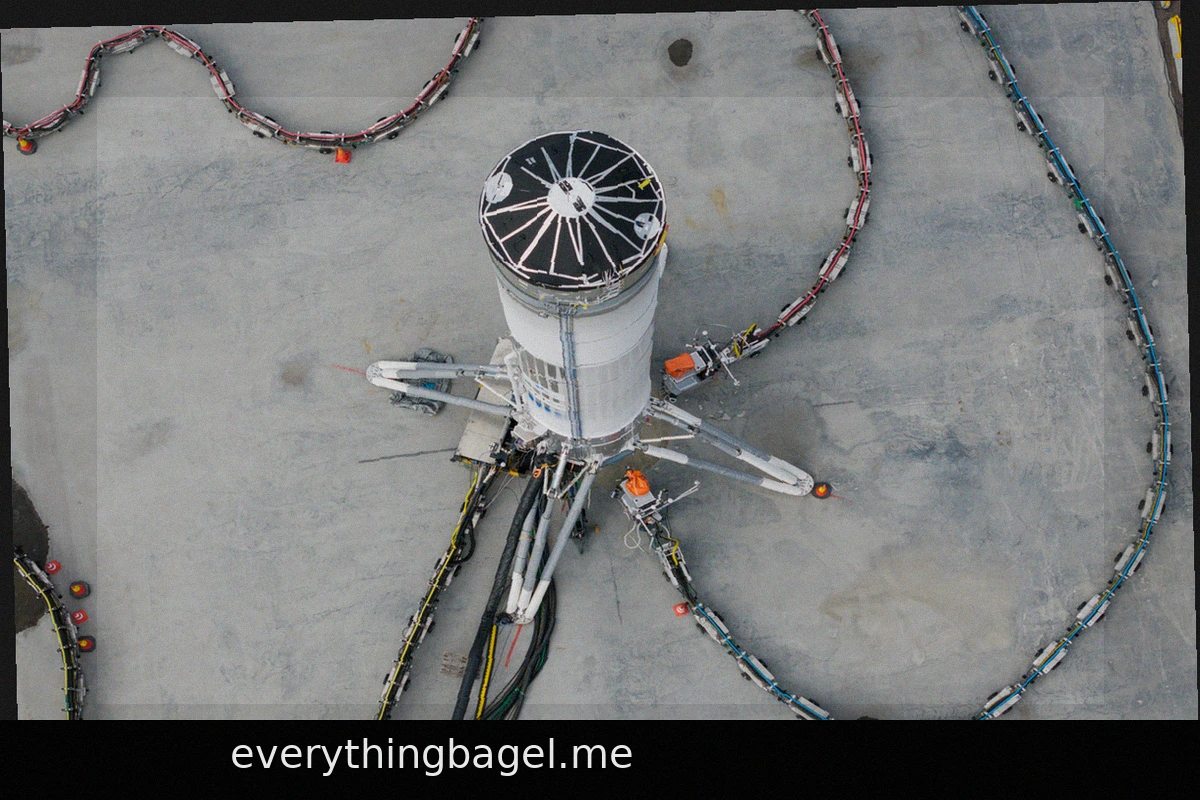
European Reusable Rocket Demonstrator Themis Completes Wet Dress Rehearsal Test
On July 23, 2026, the European demonstrator, Themis, successfully completed a wet dress rehearsal at the Esrange Space Center in northern Sweden. This test allowed teams from ArianeGroup and SSC Space (the company managing the Esrange spaceport) to simulate the full day's operational sequence
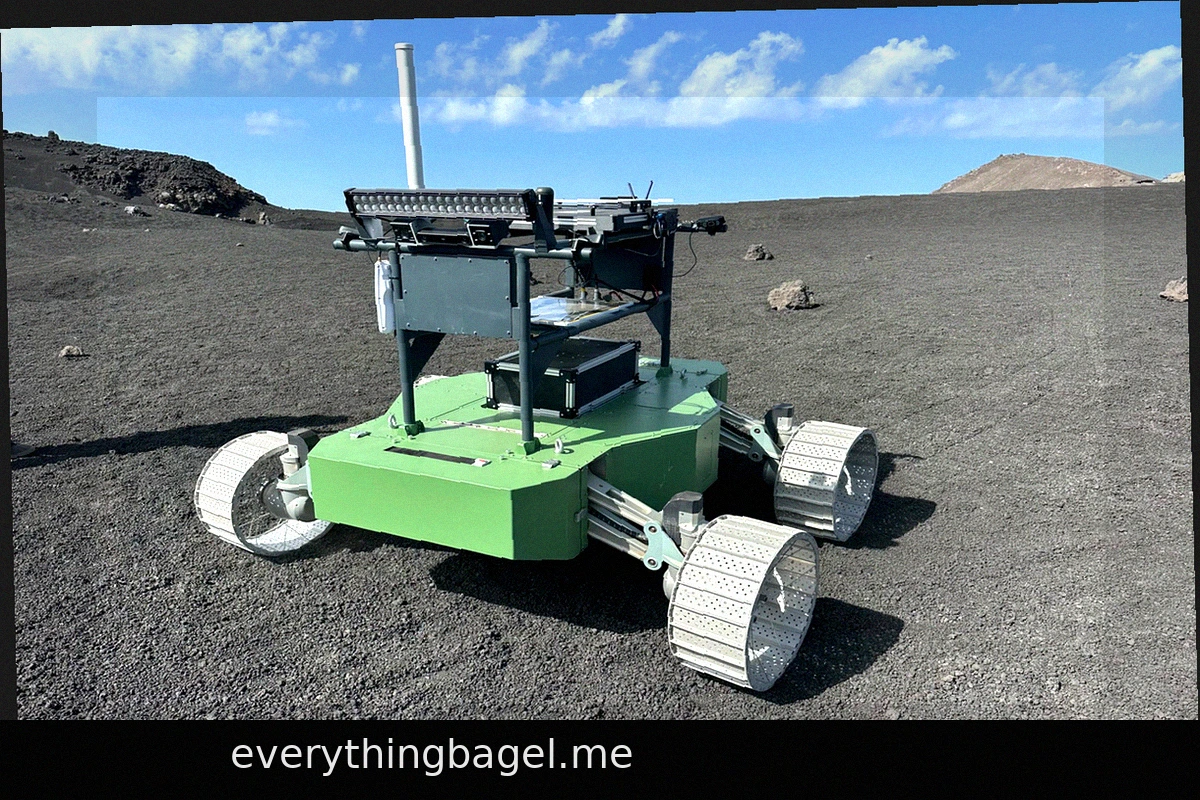
Italian Rover ETNA Completes Etna Tests for Future Lunar Missions
The testing campaign for the ETNA (Exploration Technology for Navigation & Autonomy) rover, developed as part of the Italian Space Agency (ASI) Universal Locomotion System program, has successfully concluded. For several weeks, the rover operated on the slopes of Mount Etna, tackling volcanic
Telespazio Inaugurates New Satellite Antenna in the Azores
Telespazio has unveiled a new S/X band satellite antenna on Santa Maria Island, located in the Portuguese archipelago of the Azores. This new infrastructure is a significant addition to the company's international ground station network and will be utilized for communications with low Earth or
20 July 1969: The Apollo 11 Mission and the Moment That Changed the World
On July 20, 1969, the world paused to witness an event that would forever alter our perception of our place in space. The Apollo 11 mission's Eagle module, with Neil Armstrong and Buzz Aldrin aboard, landed on the Moon, marking a turning point in the history of human exploration. As the words