Artemis II: TLI Maneuver Completed, Orion Leaves Earth Orbit for Moon
The Artemis II mission has successfully completed a critical phase of its journey: the Trans-Lunar Injection (TLI) maneuver. With this main engine burn of the European Service Module (ESM), the Orion "Integrity" capsule departed Earth's orbit and began its trajectory towards the Moon.
The burn commenced at 1:49 AM Italian time on April 3rd, lasting just under 6 minutes. During this period, Orion accelerated sufficiently to escape Earth's gravitational pull and establish a direct path to the Moon. Without this maneuver, the capsule would have remained in terrestrial orbit.
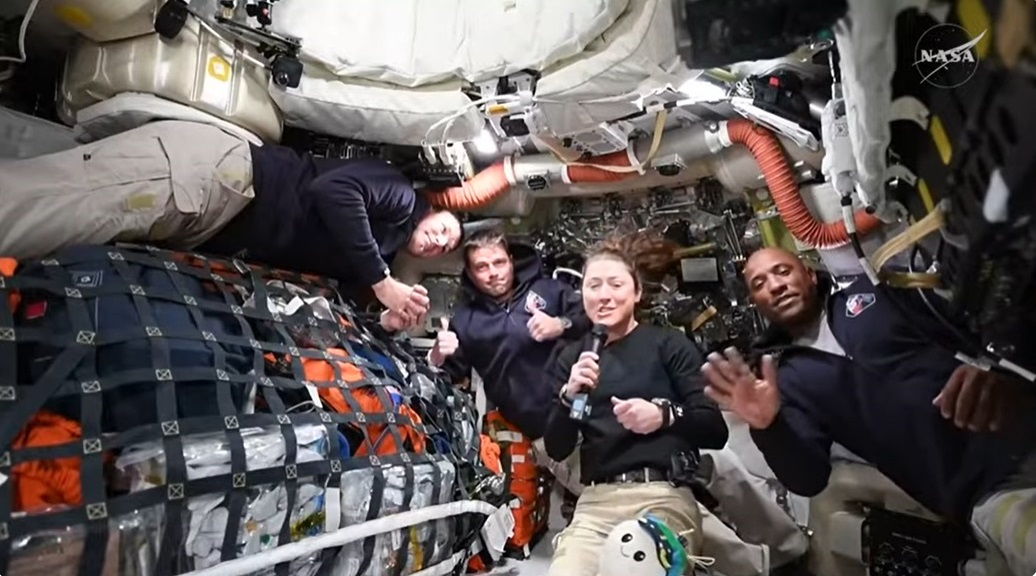
Aboard, heading towards our natural satellite and now farther than any human in the past 54 years, are astronauts Reid Wiseman, Victor Glover, Christina Koch, and Jeremy Hansen. Since launch, the crew has been engaged in initial system checks and adapting to life in space, including physical exercise crucial for maintaining their health during the flight.
Ground teams are continuously monitoring all capsule systems, including those responsible for maintaining breathable air within the cabin. A brief communication interruption occurred in the mission's early hours but was quickly resolved without impact. With the TLI now complete, Artemis II has officially entered its lunar transit phase.
The TLI Maneuver: Propelling Orion Towards the Moon
Trans-Lunar Injection is the maneuver that enables a spacecraft to depart Earth's orbit and journey to the Moon. For Artemis II, Orion's main engine fired for 5 minutes and 50 seconds, providing the precise thrust required to alter its trajectory.
The ESM engine can generate approximately 27,000 Newtons of thrust (for comparison, this would be enough to accelerate a car from 0 to about 97 km/h in just under 3 seconds). At the time of the maneuver, the capsule had a mass of approximately 26.3 metric tons and consumed about 450 kg of propellant during the burn. While these figures may seem substantial, achieving desired results in space requires continuous and highly precise thrust.
This was a highly delicate phase; the direction and duration of the burn had to be calculated with extreme precision. Even minor errors could have sent Orion off course. Consequently, numerous checks were performed before the maneuver, and clearance was given only when all systems were confirmed ready (on the evening of April 3rd, Italian time).
Meanwhile, the astronauts have begun utilizing an onboard exercise device. This compact, suitcase-like system uses a cable and flywheel to create resistance, allowing for exercises such as squats or rowing-like motions. It is significantly smaller than the equipment found on the International Space Station but is sufficient for a mission of this nature.
Next Steps
Now that Orion "Integrity" is en route to the Moon, the mission will proceed in anticipation of the lunar flyby, a close pass around our satellite, which, if all goes well, is expected to occur on the evening/night of Monday, April 6th.
During this period, the crew will have several hours to observe the lunar surface and collect data. The astronauts will follow a plan prepared by the scientific team, specifying which areas to observe.
All these activities also serve to prepare for future Artemis program missions. Artemis II is a crewed test mission, aiming to verify that all systems function correctly before returning humans to the lunar surface with the Artemis IV mission in 2028.
Fresh materials — Science News
UK Invests £60 Million to Finalize SaxaVord Spaceport
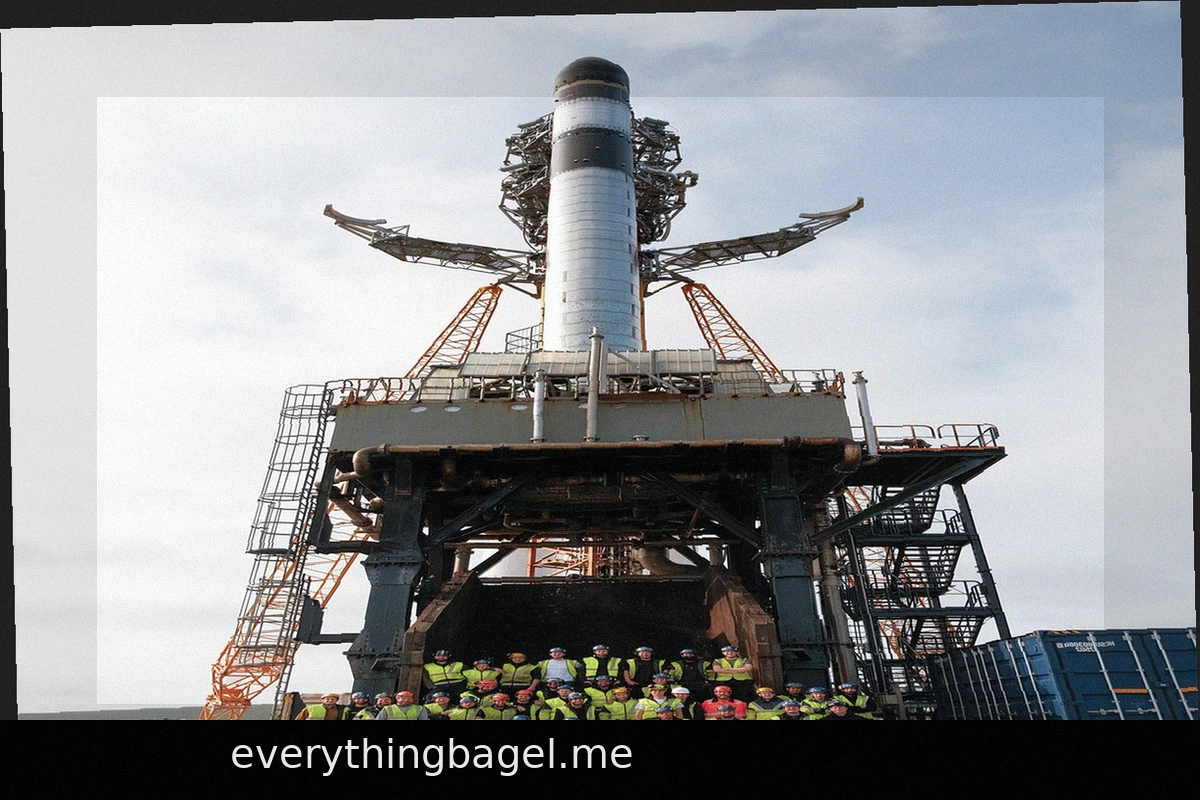
The British government has announced an investment of £30 million in the SaxaVord spaceport, located in the Shetland Islands, Scotland. A portion of this funding will be public, supplemented by an anticipated £30 million from private investors, totaling £60 million to complete the launch site'
European Reusable Rocket Demonstrator Themis Completes Wet Dress Rehearsal Test
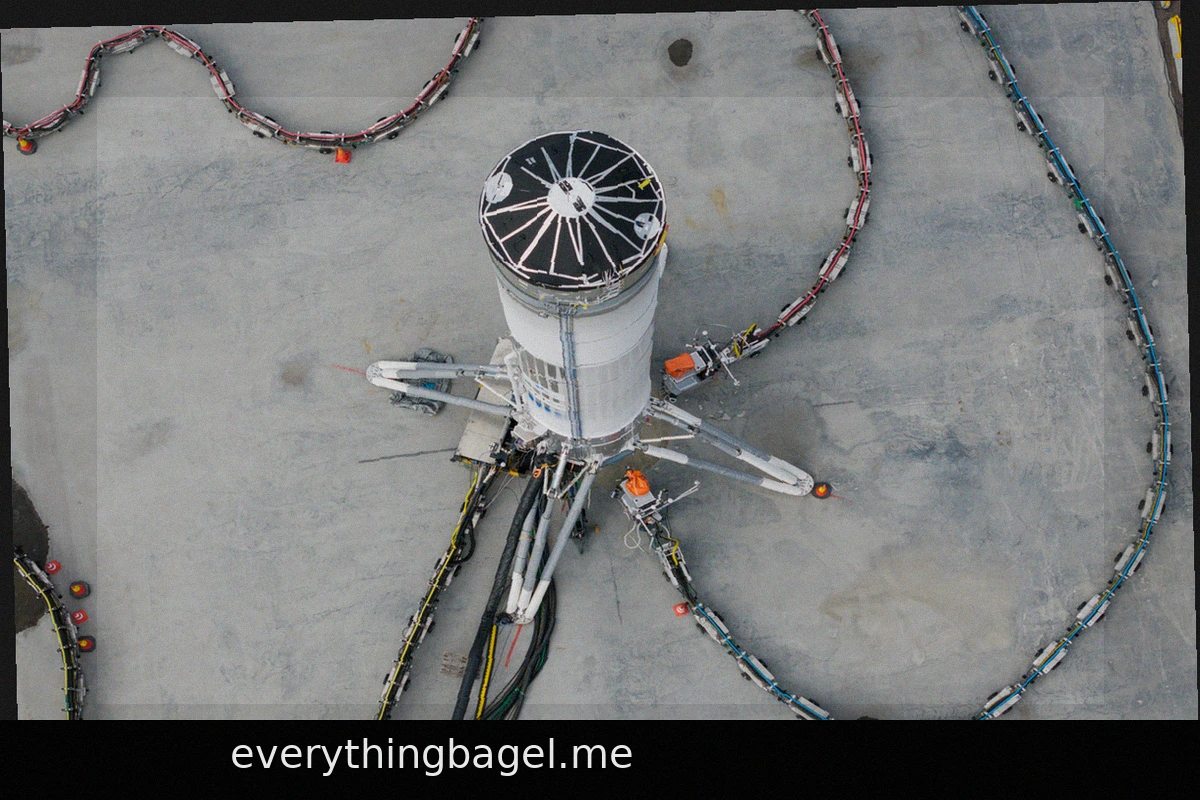
On July 23, 2026, the European demonstrator, Themis, successfully completed a wet dress rehearsal at the Esrange Space Center in northern Sweden. This test allowed teams from ArianeGroup and SSC Space (the company managing the Esrange spaceport) to simulate the full day's operational sequence
Italian Rover ETNA Completes Etna Tests for Future Lunar Missions
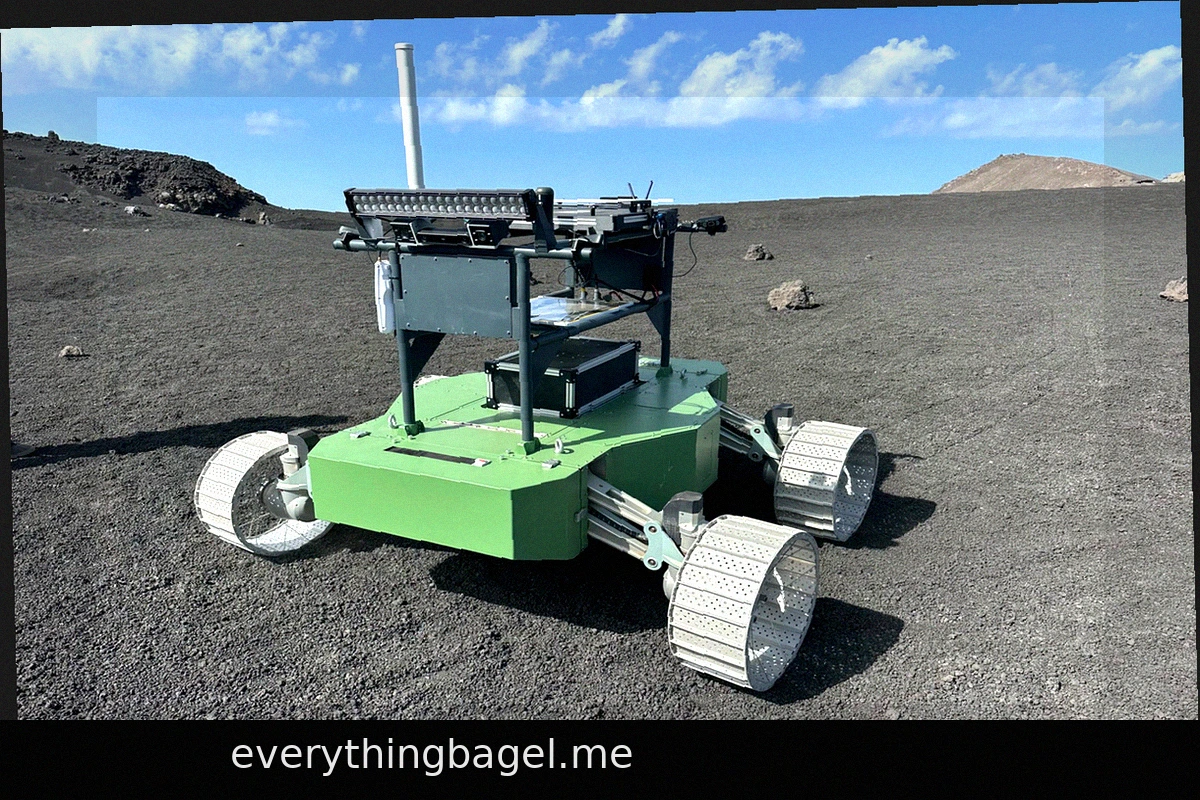
The testing campaign for the ETNA (Exploration Technology for Navigation & Autonomy) rover, developed as part of the Italian Space Agency (ASI) Universal Locomotion System program, has successfully concluded. For several weeks, the rover operated on the slopes of Mount Etna, tackling volcanic

Telespazio Inaugurates New Satellite Antenna in the Azores
Telespazio has unveiled a new S/X band satellite antenna on Santa Maria Island, located in the Portuguese archipelago of the Azores. This new infrastructure is a significant addition to the company's international ground station network and will be utilized for communications with low Earth or
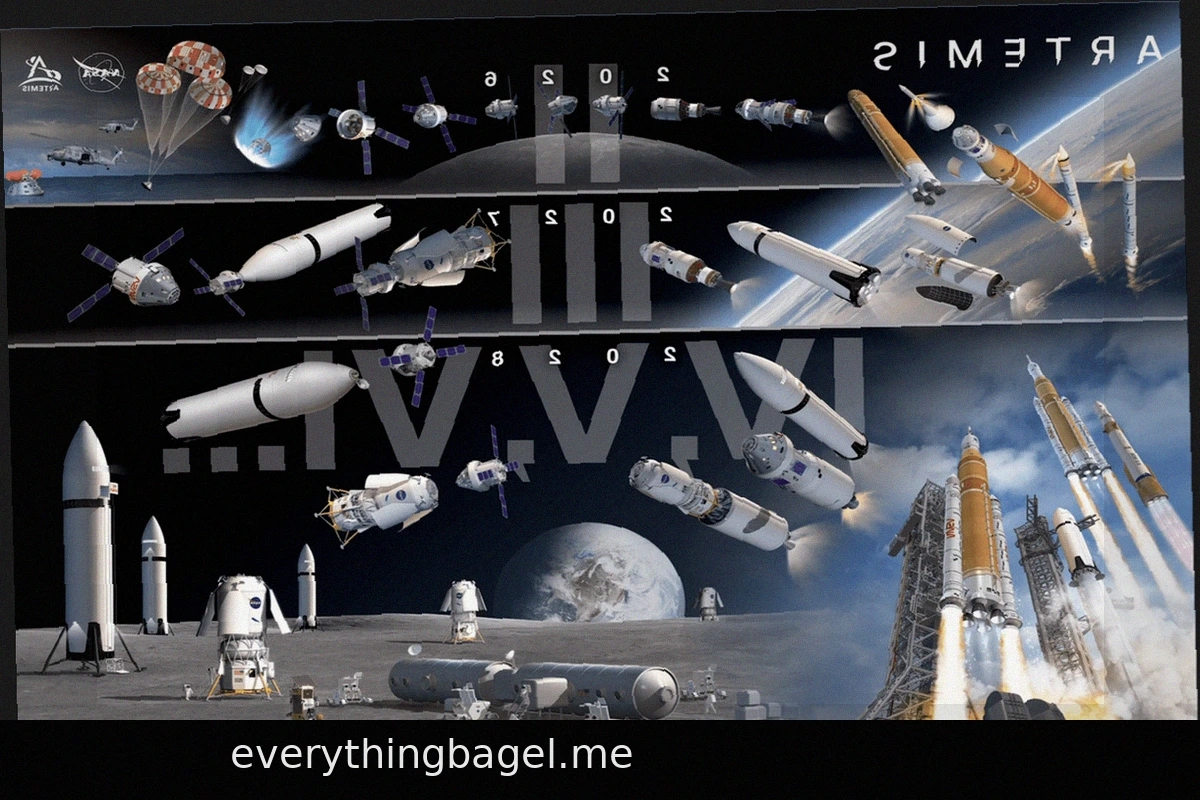
20 July 1969: The Apollo 11 Mission and the Moment That Changed the World
On July 20, 1969, the world paused to witness an event that would forever alter our perception of our place in space. The Apollo 11 mission's Eagle module, with Neil Armstrong and Buzz Aldrin aboard, landed on the Moon, marking a turning point in the history of human exploration. As the words
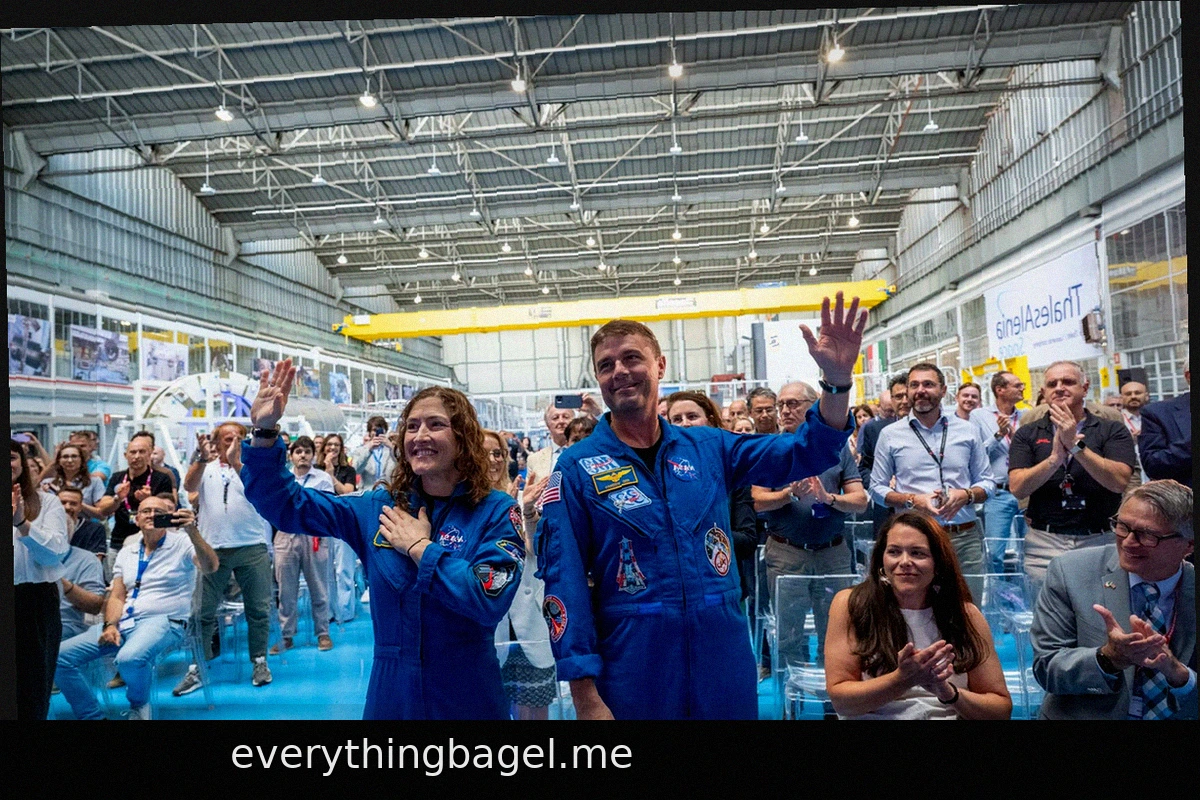
We Met Artemis Astronauts Reid Wiseman and Christina Koch
In April of this year, four individuals embarked on a journey to the Moon. This had not happened since 1972, when the Apollo 17 mission, the last of the previous lunar exploration program, was launched in December. Now, in 2026, we can finally say that the Artemis Program has begun, starting wi