China's Kinetica-2 Rocket Achieves Successful Maiden Flight
On March 30, 2026, at 13:00 Italian time, CAS Space's Kinetica-2 rocket successfully completed its inaugural flight from the Jiuquan Satellite Launch Center. This significant milestone ushers the Chinese company into a new era of orbital launch operations.
The Kinetica-2 (also known commercially as Lijian-2) is a 53-meter-tall launch vehicle designed to deliver up to 12 metric tons to Low Earth Orbit (LEO) or 8 metric tons to a 500 km Sun-Synchronous Orbit (SSO). Its first stage is powered by three cores, each equipped with three YF-102 engines, totaling nine engines. The decision to use these previously tested engines aimed to mitigate risks during its maiden voyage. While currently non-reusable, CAS Space intends to develop a reusable version in the coming years.
This inaugural flight was more than just a test; it successfully deployed three satellites into orbit: the New March 01 Technology Demonstration Satellite, the New March 02 Satellite (Xinzhengcheng 01/02), and the TS 01 (Tianshi 01) Educational Satellite.
Future Endeavors for CAS Space
Following this successful launch, CAS Space has several missions planned. Notably, a mission scheduled for later in 2026 aims to deploy 18 satellites for the Qianfan constellation.
The company is also actively developing new in-house engines, named Kinecore. These propellants are currently undergoing testing and may eventually be integrated into future Kinetica-2 launches. The goal is to enhance performance and gain greater control over their core technologies.
Alongside Kinetica-2's operations, the Kinetica-1 rocket, which has been in service since 2022, will continue its activities. CAS Space plans to increase launch frequency, potentially aiming for a mission per month, though a bi-monthly cadence might be more realistic. A debut launch from a sea platform is also anticipated within the year, offering greater flexibility in orbit selection.
Finally, the Lihong-1 program, focused on suborbital flights, is crucial for testing future technologies, particularly those related to re-entry and rocket reusability. The data gathered from this program will be instrumental in refining upcoming projects.
Fresh materials — Science News
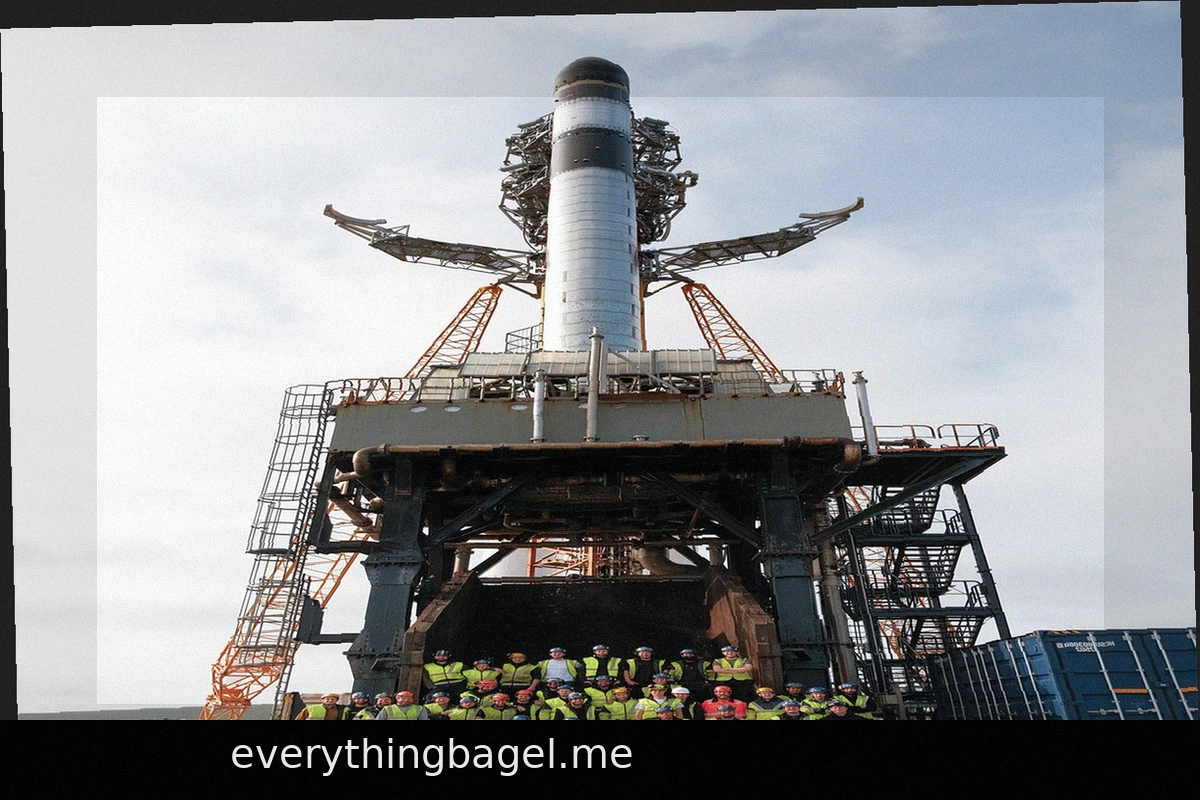
UK Invests £60 Million to Finalize SaxaVord Spaceport
The British government has announced an investment of £30 million in the SaxaVord spaceport, located in the Shetland Islands, Scotland. A portion of this funding will be public, supplemented by an anticipated £30 million from private investors, totaling £60 million to complete the launch site'
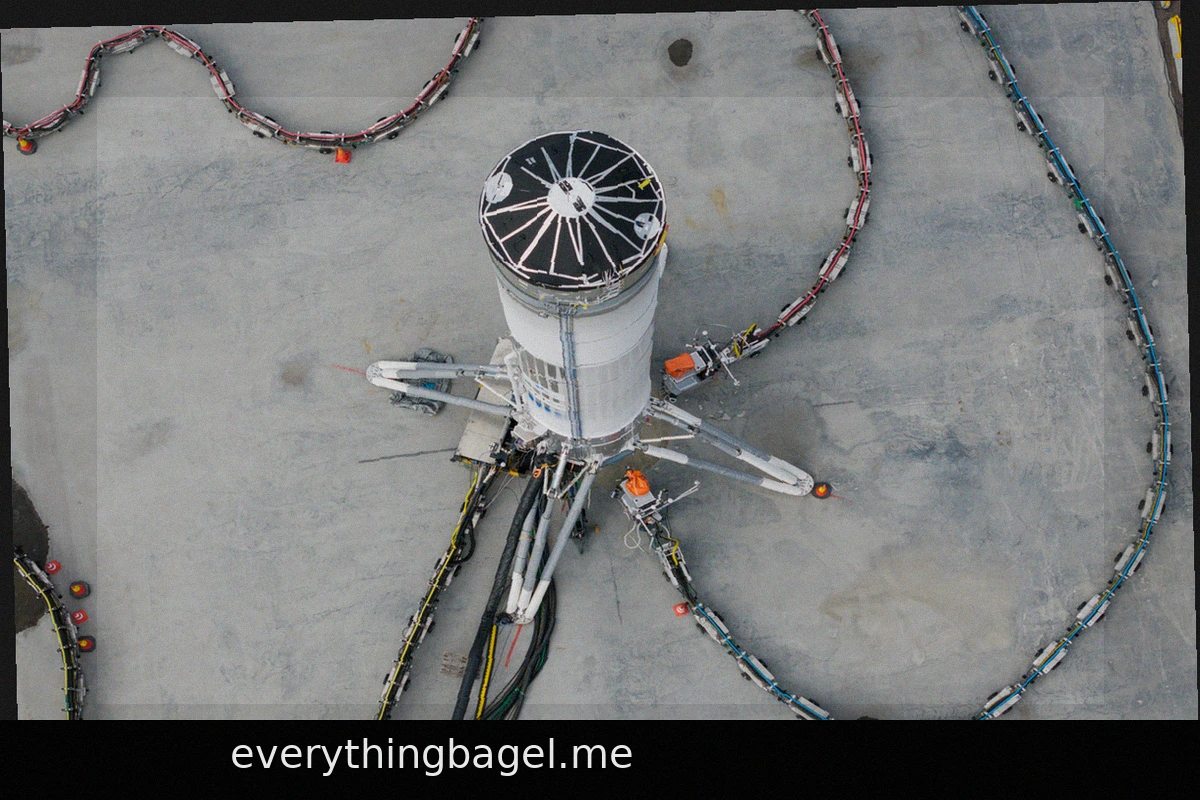
European Reusable Rocket Demonstrator Themis Completes Wet Dress Rehearsal Test
On July 23, 2026, the European demonstrator, Themis, successfully completed a wet dress rehearsal at the Esrange Space Center in northern Sweden. This test allowed teams from ArianeGroup and SSC Space (the company managing the Esrange spaceport) to simulate the full day's operational sequence
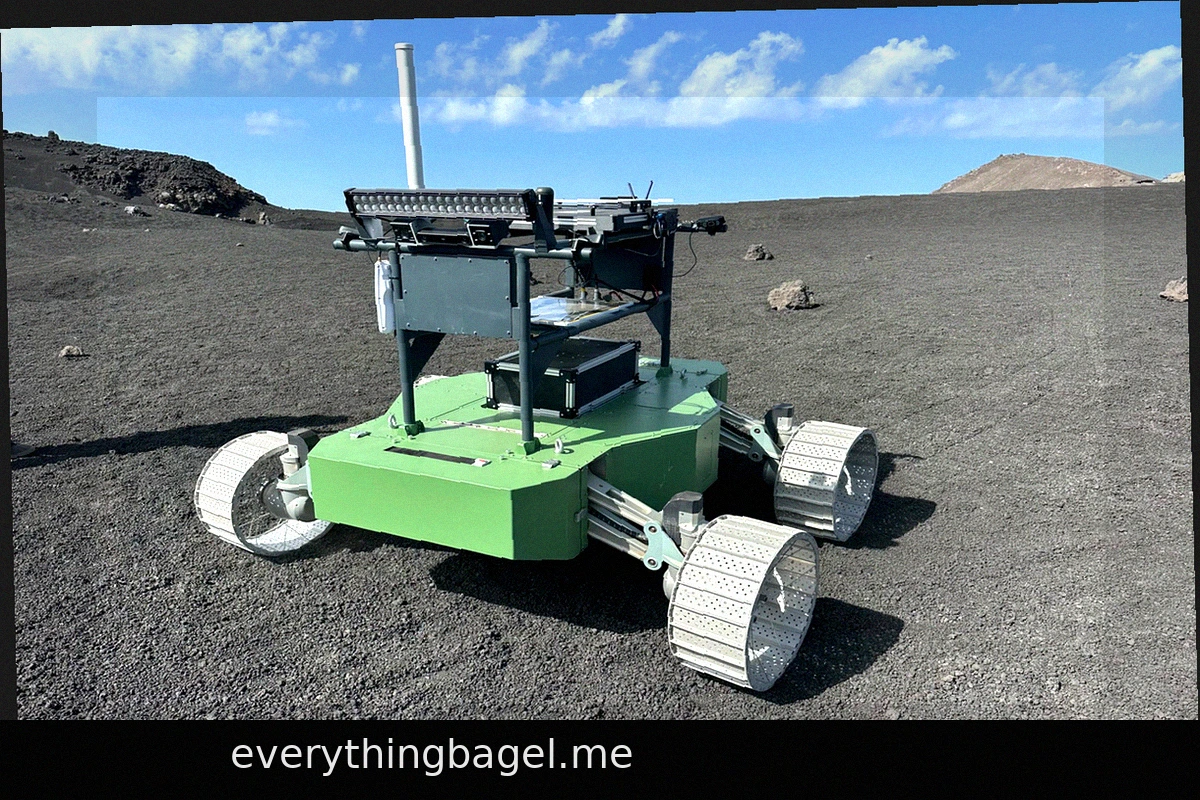
Italian Rover ETNA Completes Etna Tests for Future Lunar Missions
The testing campaign for the ETNA (Exploration Technology for Navigation & Autonomy) rover, developed as part of the Italian Space Agency (ASI) Universal Locomotion System program, has successfully concluded. For several weeks, the rover operated on the slopes of Mount Etna, tackling volcanic
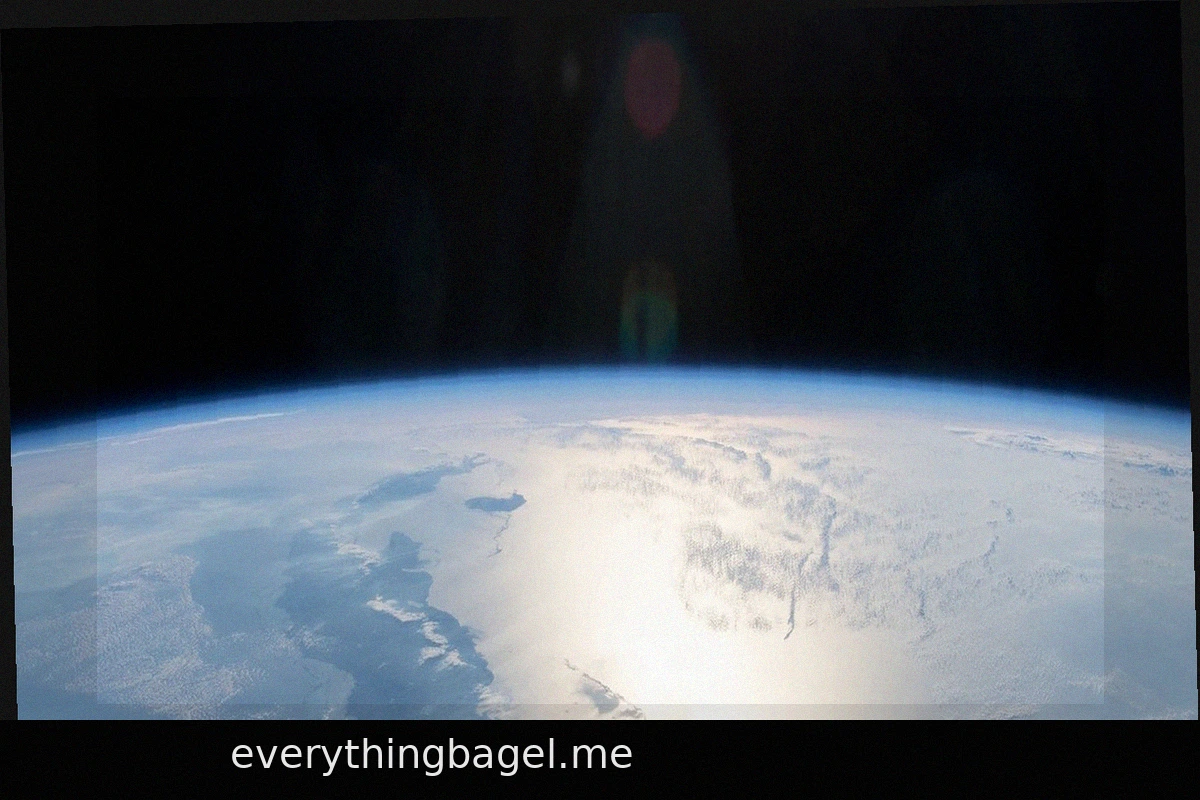
Telespazio Inaugurates New Satellite Antenna in the Azores
Telespazio has unveiled a new S/X band satellite antenna on Santa Maria Island, located in the Portuguese archipelago of the Azores. This new infrastructure is a significant addition to the company's international ground station network and will be utilized for communications with low Earth or
20 July 1969: The Apollo 11 Mission and the Moment That Changed the World
On July 20, 1969, the world paused to witness an event that would forever alter our perception of our place in space. The Apollo 11 mission's Eagle module, with Neil Armstrong and Buzz Aldrin aboard, landed on the Moon, marking a turning point in the history of human exploration. As the words
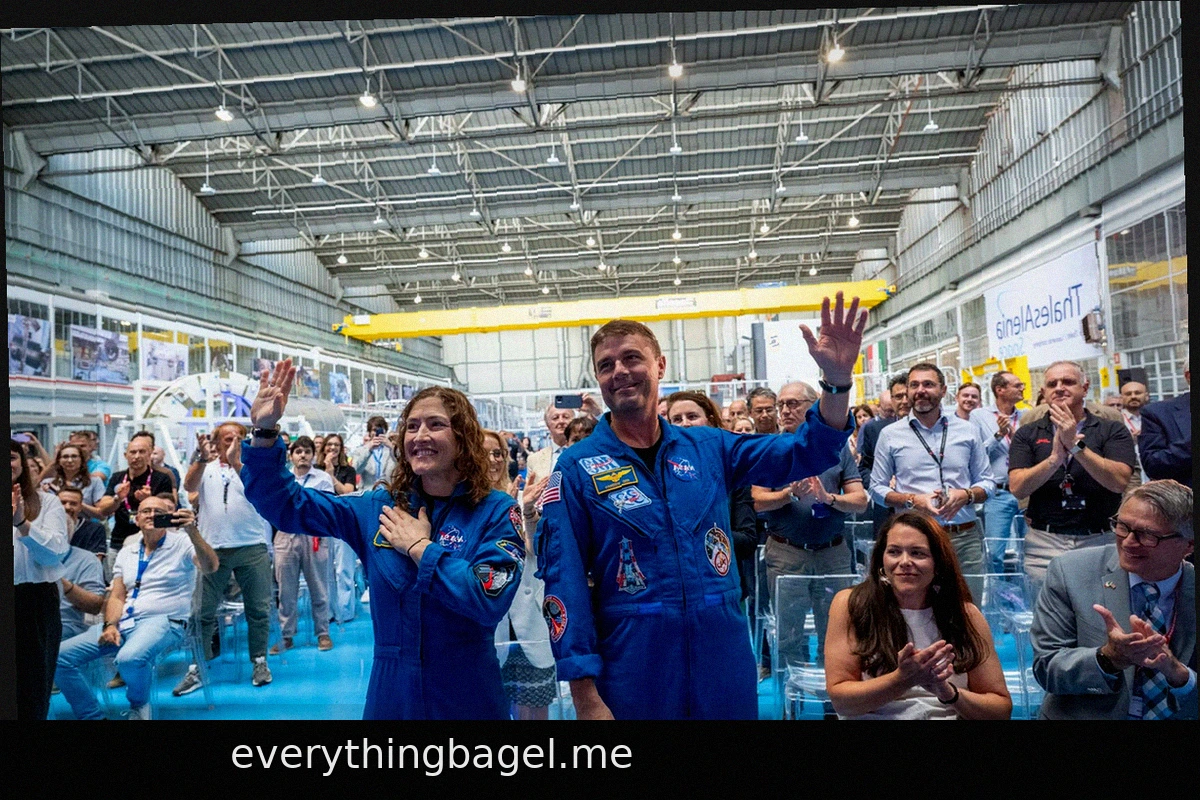
We Met Artemis Astronauts Reid Wiseman and Christina Koch
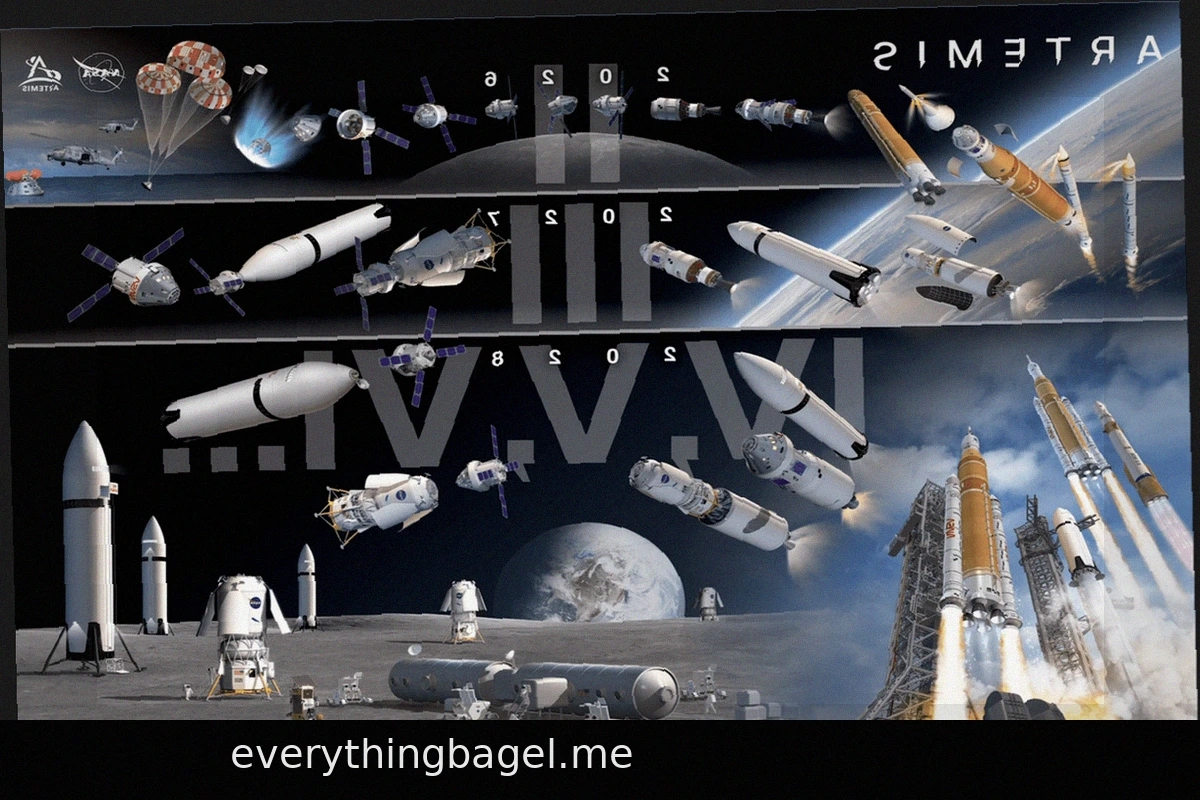
In April of this year, four individuals embarked on a journey to the Moon. This had not happened since 1972, when the Apollo 17 mission, the last of the previous lunar exploration program, was launched in December. Now, in 2026, we can finally say that the Artemis Program has begun, starting wi