Fallito il primo volo di test del razzo cinese Tianlong-3
Il 3 aprile 2026, alle 6:17 italiane, la startup privata cinese Space Pioneer ha effettuato il volo inaugurale del suo razzo Tianlong-3. Purtroppo, la missione si è conclusa con un fallimento a causa di un problema verificatosi poco dopo il lancio, le cui cause sono ancora sotto indagine.
Alcune fonti suggeriscono che il primo stadio del vettore potrebbe aver completato lo spegnimento dei motori (MECO, Main Engine Cut-Off), ma che l'anomalia si sarebbe manifestata durante la separazione tra il primo e il secondo stadio. Questa informazione, tuttavia, non è stata ancora ufficialmente confermata.
Il Tianlong-3 è considerato uno dei razzi più significativi tra quelli in sviluppo da parte di aziende private in Cina. È stato progettato per trasportare un gran numero di satelliti in orbita, con l'obiettivo di potenziare la capacità di lancio del Paese e supportare la creazione di ampie reti satellitari per internet, simili a quelle già operative a livello globale, come Starlink.
Per le sue ambizioni e capacità previste, il Tianlong-3 viene spesso paragonato al Falcon 9 della statunitense SpaceX, uno dei razzi più utilizzati al mondo per il lancio di migliaia di satelliti Starlink. La Cina mira a sviluppare capacità analoghe per il proprio settore spaziale.
Negli ultimi mesi erano emerse indicazioni sulla possibilità di lanciare fino a 36 satelliti in una singola missione con il Tianlong-3, nell'ambito del progetto "Thousand Sails" per le costellazioni cinesi in orbita bassa (NGSO). Non è stato specificato se questo primo test includesse già un carico utile operativo.
Un precedente per il Tianlong-3
Il razzo Tianlong-3 era già stato protagonista di un incidente nel 2024, quando, durante un test statico del primo stadio, si sollevò dalla rampa di lancio per poi schiantarsi contro una collina vicina. Ufficialmente, non furono registrate vittime.
Implicazioni per il futuro dei lanci commerciali cinesi
Questo fallimento rappresenta un ulteriore ostacolo per Space Pioneer in un momento in cui la Cina sta intensificando lo sviluppo del suo settore spaziale commerciale. Negli ultimi anni, sono nate diverse aziende private con l'intento di aumentare la frequenza dei lanci e supportare nuovi progetti spaziali, in particolare la creazione di grandi costellazioni di satelliti per telecomunicazioni.
Per raggiungere tali obiettivi, sono indispensabili razzi affidabili e capaci di trasportare carichi significativi in una sola missione. Il Tianlong-3 è stato concepito proprio per aumentare la quantità di carico utile in orbita e migliorare la frequenza dei lanci. I tecnici stanno ora analizzando i dati raccolti dal volo per comprendere le cause del problema e preparare i prossimi test.
Chinese Tianlong-3 Rocket's Maiden Flight Fails for Space Pioneer
On April 3, 2026, at 6:17 AM Italian time, the private Chinese startup Space Pioneer conducted the inaugural flight of its Tianlong-3 rocket. Unfortunately, the mission ended in failure due to a problem that occurred shortly after liftoff, the causes of which are still under investigation.
Some sources suggest that the rocket's first stage might have completed its Main Engine Cut-Off (MECO), but the anomaly may have manifested during the separation between the first and second stages. This information, however, has not yet been officially confirmed.
The Tianlong-3 is considered one of the most significant rockets under development by private companies in China. It was designed to carry a large number of satellites into orbit, with the goal of boosting the country's launch capacity and supporting the creation of extensive internet satellite networks, similar to those already operational globally, such as Starlink.
Due to its ambitions and projected capabilities, the Tianlong-3 is often compared to SpaceX's Falcon 9, one of the most widely used rockets globally for launching thousands of Starlink satellites. China aims to develop similar capabilities for its space sector.
In recent months, indications had emerged about the possibility of launching up to 36 satellites in a single mission with the Tianlong-3, as part of the "Thousand Sails" project for Chinese low-Earth orbit (NGSO) constellations. It was not specified whether this maiden flight included an operational payload.
A Prior Incident for Tianlong-3
The Tianlong-3 rocket had previously been involved in an incident in 2024 when, during a static fire test of its first stage, it lifted off the launch pad before crashing into a nearby hill. Officially, no fatalities were reported.
Implications for the Future of Chinese Commercial Launches
This failure represents a further setback for Space Pioneer at a time when China is intensifying the development of its commercial space sector. In recent years, several private companies have emerged with the aim of increasing launch frequency and supporting new space projects, particularly the creation of large telecommunications satellite constellations.
To achieve these goals, reliable rockets capable of carrying significant payloads in a single mission are essential. The Tianlong-3 was specifically designed to increase orbital payload and improve launch frequency. Technical teams are now analyzing the flight data to understand the cause of the problem and prepare for future tests.
Fresh materials — Science News

UK Invests £60 Million to Finalize SaxaVord Spaceport
The British government has announced an investment of £30 million in the SaxaVord spaceport, located in the Shetland Islands, Scotland. A portion of this funding will be public, supplemented by an anticipated £30 million from private investors, totaling £60 million to complete the launch site'
European Reusable Rocket Demonstrator Themis Completes Wet Dress Rehearsal Test
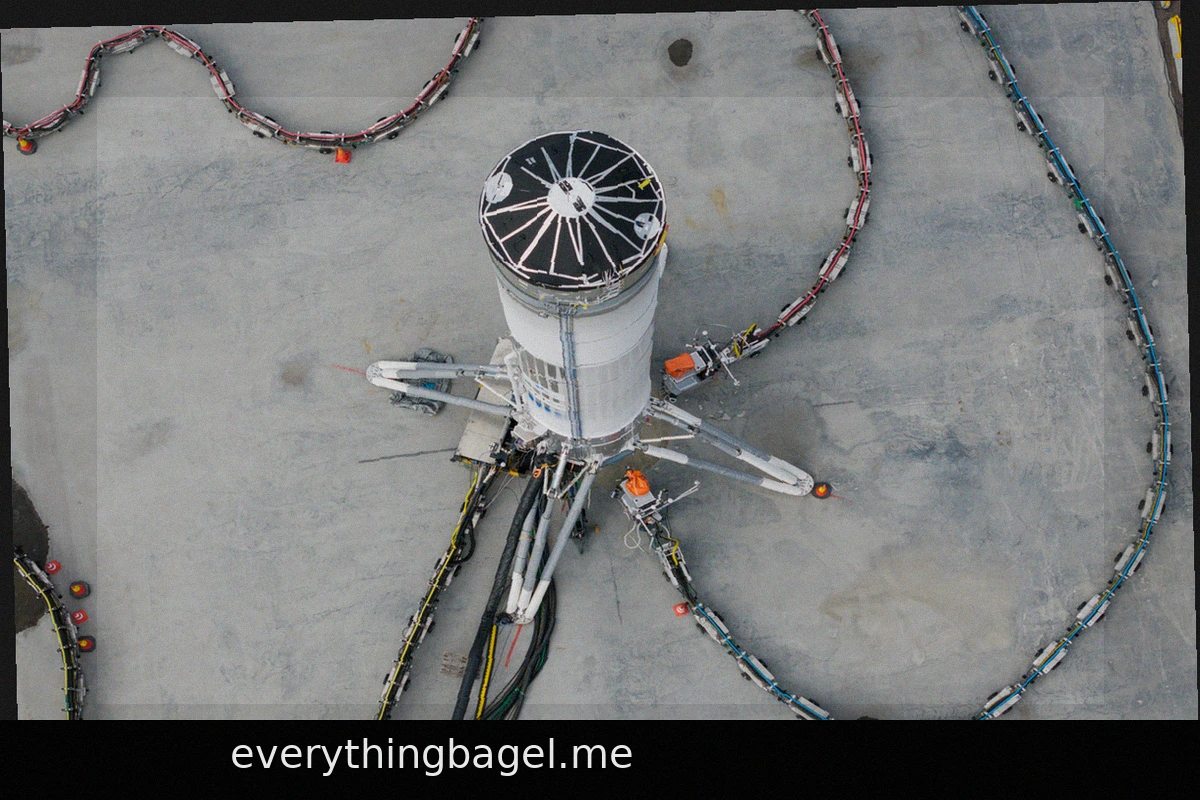
On July 23, 2026, the European demonstrator, Themis, successfully completed a wet dress rehearsal at the Esrange Space Center in northern Sweden. This test allowed teams from ArianeGroup and SSC Space (the company managing the Esrange spaceport) to simulate the full day's operational sequence
Italian Rover ETNA Completes Etna Tests for Future Lunar Missions
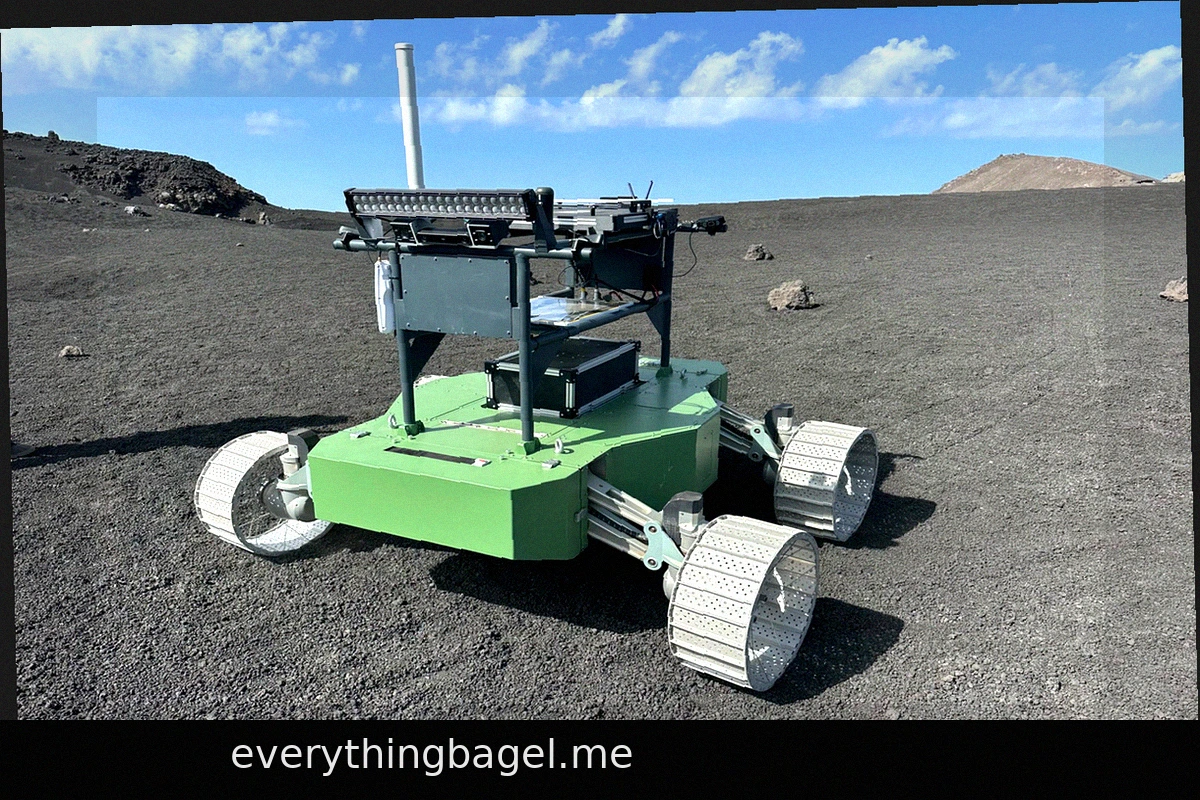
The testing campaign for the ETNA (Exploration Technology for Navigation & Autonomy) rover, developed as part of the Italian Space Agency (ASI) Universal Locomotion System program, has successfully concluded. For several weeks, the rover operated on the slopes of Mount Etna, tackling volcanic

Telespazio Inaugurates New Satellite Antenna in the Azores
Telespazio has unveiled a new S/X band satellite antenna on Santa Maria Island, located in the Portuguese archipelago of the Azores. This new infrastructure is a significant addition to the company's international ground station network and will be utilized for communications with low Earth or

20 July 1969: The Apollo 11 Mission and the Moment That Changed the World
On July 20, 1969, the world paused to witness an event that would forever alter our perception of our place in space. The Apollo 11 mission's Eagle module, with Neil Armstrong and Buzz Aldrin aboard, landed on the Moon, marking a turning point in the history of human exploration. As the words

We Met Artemis Astronauts Reid Wiseman and Christina Koch
In April of this year, four individuals embarked on a journey to the Moon. This had not happened since 1972, when the Apollo 17 mission, the last of the previous lunar exploration program, was launched in December. Now, in 2026, we can finally say that the Artemis Program has begun, starting wi