Firefly's Alpha Rocket Successfully Completes Seventh Launch
Firefly Aerospace has successfully returned to flight with its Alpha rocket after nearly a year-long hiatus. The Alpha Flight 7 mission, named "Stairway to Seven," was successfully launched on March 11, 2026, from Space Launch Complex-2 at Vandenberg Space Force Base, California, at 8:50 PM local time (1:50 AM CET on March 12).
The rocket executed its flight profile as planned. Approximately 2 minutes and 40 seconds after liftoff, the first stage separated successfully. Shortly thereafter, the fairing was jettisoned, and the second stage continued to propel the payload into orbit. The engine shut down roughly eight minutes post-launch, having reached an altitude of approximately 243 km. A significant achievement during this mission was the successful in-space restart of the second stage engine, a maneuver performed to validate new operational capabilities of the launcher.
This flight carried a demonstrative payload for Lockheed Martin, designed for technology testing. Firefly declared the mission a success, stating that the rocket demonstrated nominal performance across all key flight phases. This launch was particularly significant for Firefly, especially following previous setbacks with the Alpha vehicle, and served as preparation for planned rocket upgrades, anticipated to begin with Flight 8.
Recovery After Two Incidents
The Alpha rocket had been out of service for several months following two incidents in 2025. In April of last year, the "Message in a Booster" mission failed to reach orbit due to an anomaly during stage separation. Later, in September, the first stage intended for the "Stairway to Seven" mission exploded during a ground test.
During testing at Firefly Aerospace’s facilities in Briggs, TX, an Alpha booster designated for Flight 7 exploded on the test stand. Firefly reports there were no injuries, but the booster was lost. A security camera at nearby Harold’s Auto Parts captured the incident. pic.twitter.com/ZcJguqWtY1
— Spaceflight Now (@SpaceflightNow) September 29, 2025
The subsequent investigation concluded that the explosion was caused by hydrocarbon contamination resulting from a process error during the integration of the first stage, effectively ruling out design flaws in the rocket.
Following these incidents, Firefly adjusted the objectives for the March 11 "Stairway to Seven" mission. The launch was treated as a test flight, with its primary goal being to verify the nominal functioning of both the first and second stages of the rocket.
A Test Flight Paving the Way for Block II
Beyond the technology demonstration for Lockheed Martin, the mission was crucial for validating various launcher systems prior to the introduction of the new Alpha Block II configuration, which is anticipated for the next flight.
The Block II version will introduce several structural and technical modifications to the rocket. Alpha will become approximately 2.13 meters taller than its current version, which stands just under 30 meters. This upgrade will also include new internally developed avionics and power systems, along with an improved thermal protection system.
According to Firefly, these changes are designed to enhance both the vehicle's reliability and its production processes. The new configuration is expected to debut with Alpha Flight 8, the rocket's upcoming mission.
The success of this seventh flight therefore represents a significant milestone for the Alpha program. To date, the launcher has successfully completed three orbital launch missions out of seven attempts.
Fresh materials — Science News
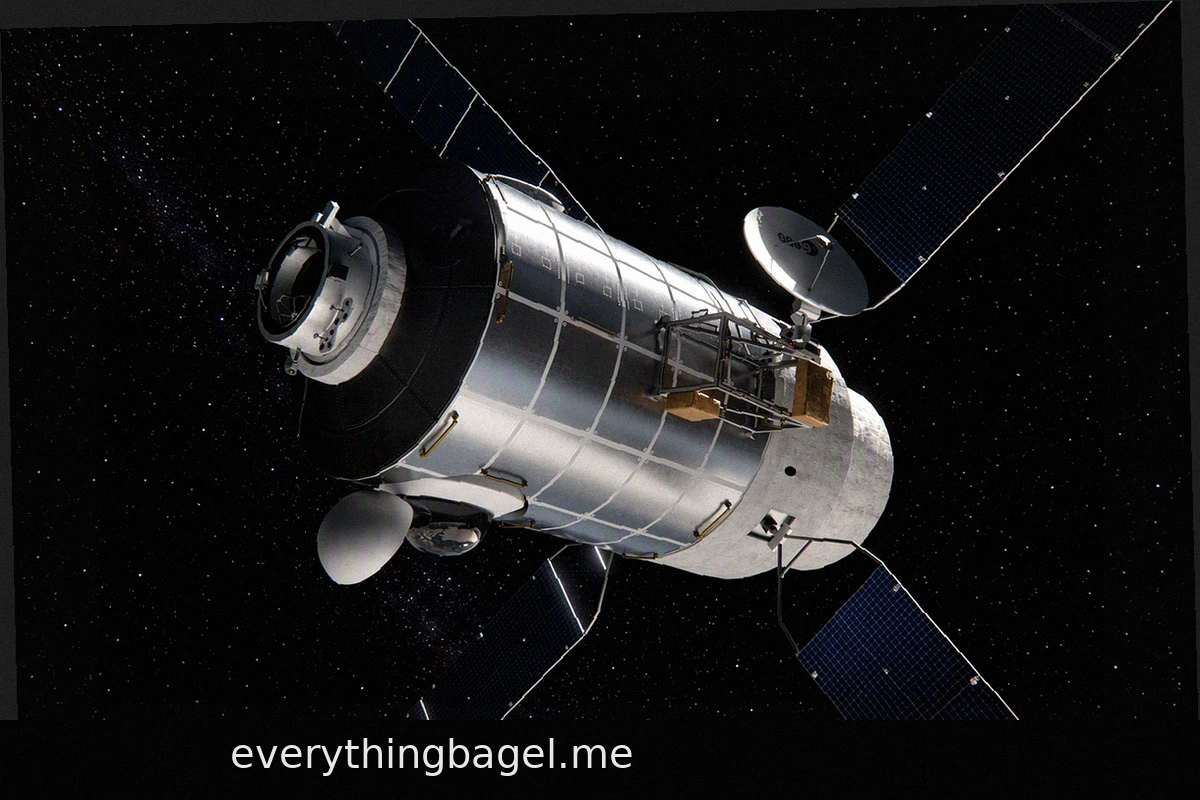
ESA Initiates European Space Station Feasibility Studies with Airbus and OHB
The European Space Agency (ESA) has commissioned parallel studies by Airbus Defence and Space and OHB to assess the feasibility of a future European-led space station in low Earth orbit. This initiative is part of ESA's preparations for the post-International Space Station (ISS) era. Currently
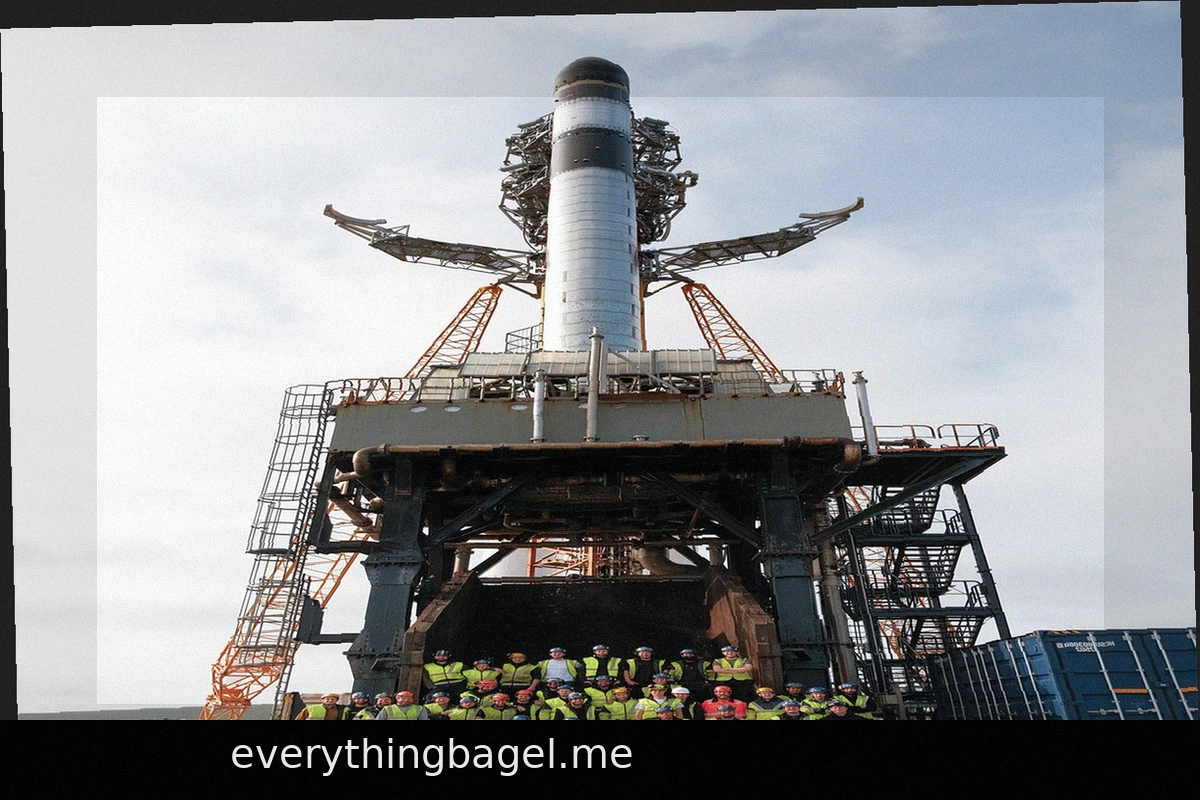
UK Invests £60 Million to Finalize SaxaVord Spaceport
The British government has announced an investment of £30 million in the SaxaVord spaceport, located in the Shetland Islands, Scotland. A portion of this funding will be public, supplemented by an anticipated £30 million from private investors, totaling £60 million to complete the launch site'
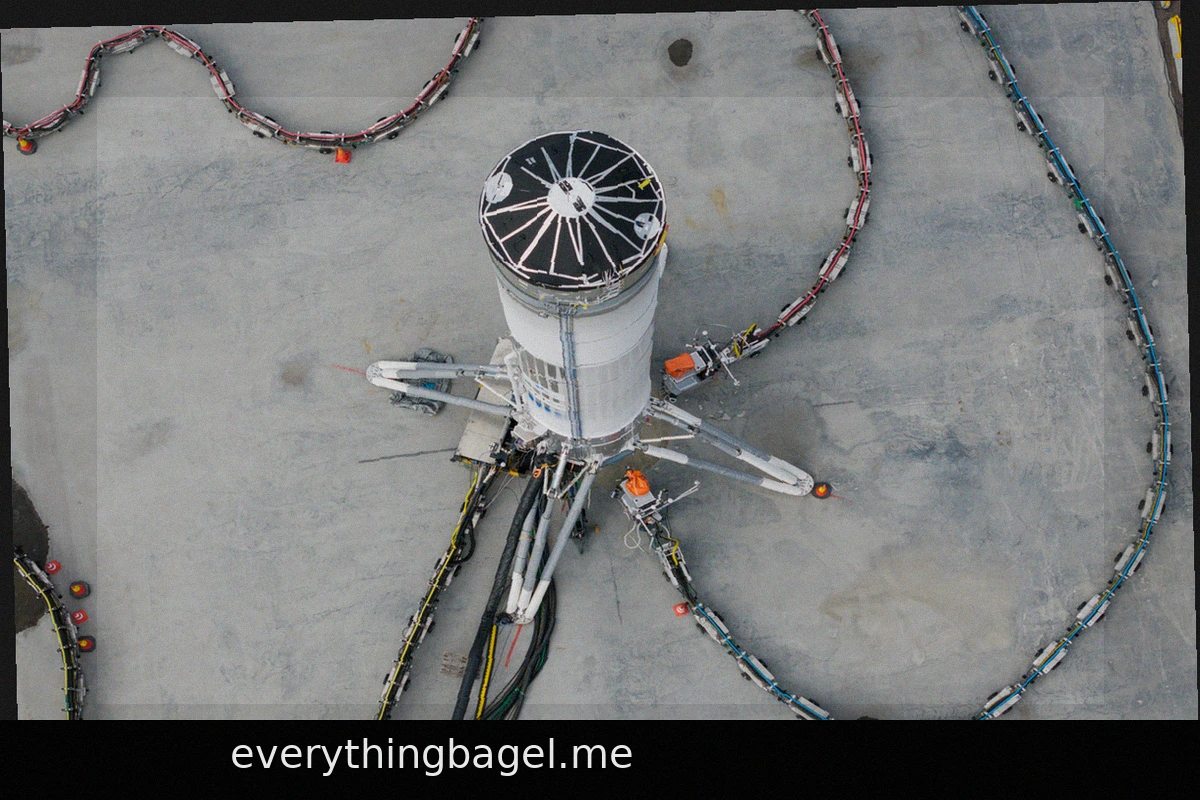
European Reusable Rocket Demonstrator Themis Completes Wet Dress Rehearsal Test
On July 23, 2026, the European demonstrator, Themis, successfully completed a wet dress rehearsal at the Esrange Space Center in northern Sweden. This test allowed teams from ArianeGroup and SSC Space (the company managing the Esrange spaceport) to simulate the full day's operational sequence
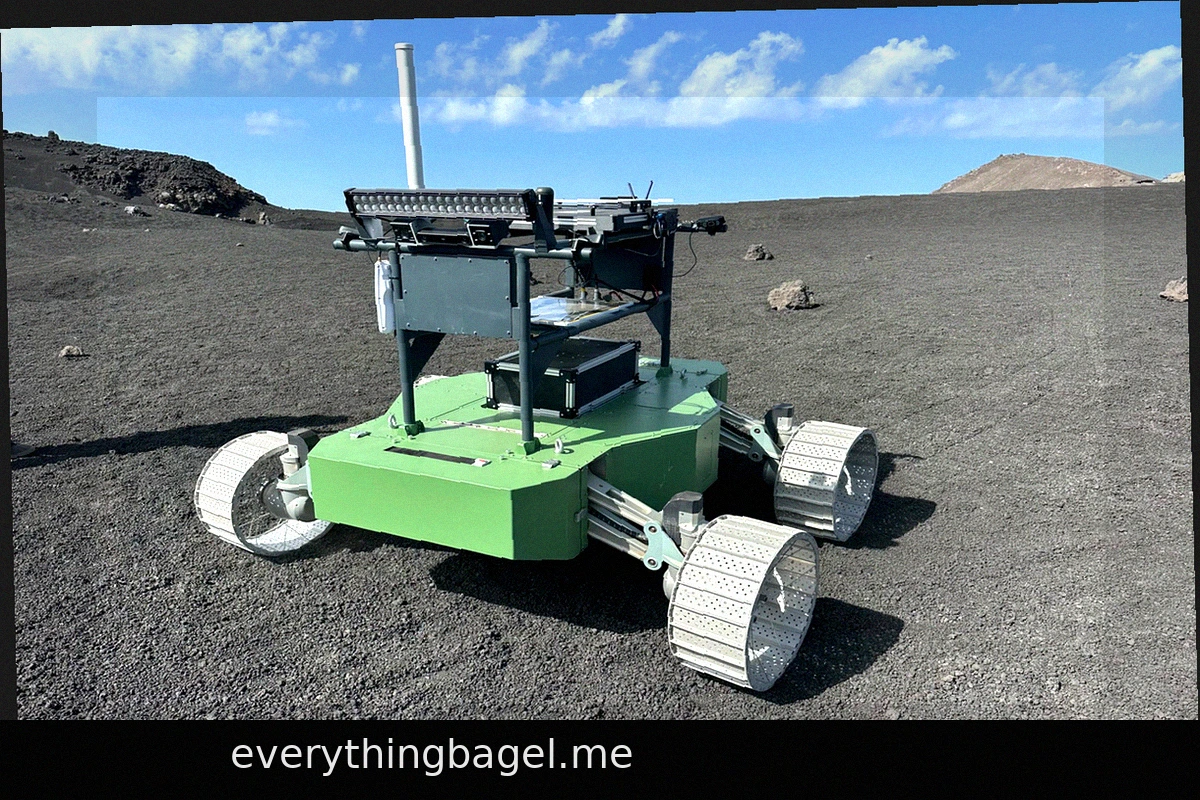
Italian Rover ETNA Completes Etna Tests for Future Lunar Missions
The testing campaign for the ETNA (Exploration Technology for Navigation & Autonomy) rover, developed as part of the Italian Space Agency (ASI) Universal Locomotion System program, has successfully concluded. For several weeks, the rover operated on the slopes of Mount Etna, tackling volcanic
Telespazio Inaugurates New Satellite Antenna in the Azores
Telespazio has unveiled a new S/X band satellite antenna on Santa Maria Island, located in the Portuguese archipelago of the Azores. This new infrastructure is a significant addition to the company's international ground station network and will be utilized for communications with low Earth or
20 July 1969: The Apollo 11 Mission and the Moment That Changed the World
On July 20, 1969, the world paused to witness an event that would forever alter our perception of our place in space. The Apollo 11 mission's Eagle module, with Neil Armstrong and Buzz Aldrin aboard, landed on the Moon, marking a turning point in the history of human exploration. As the words