ispace Unveils ULTRA Lunar Lander and Targets 2030 Lunar Satellite Network
ispace announced a significant overhaul of its lunar exploration strategy today, March 27, 2026. The company unveiled a new lunar lander named ULTRA and a project for a constellation of communication satellites in lunar orbit.
The ULTRA lander results from the integration of two models, Series 3 and APEX 1.0, previously developed independently in Japan and the United States. This new design incorporates technologies from both platforms, including propellant tanks and a communication system specifically engineered to operate with lunar-orbiting satellites.
This strategic revision, however, introduces a delay for ispace's first U.S.-built mission, Mission 5, part of NASA's CLPS program, now slated for 2030. The next mission, not under the CLPS program, will be Mission 3 in 2028, followed by a second lander, Mission 4, in 2029. All future missions will utilize the new ULTRA lander.
These announcements follow the conclusion of the failure analysis for the HAKUTO-R Mission 2 in June 2025, which ended with an unsuccessful landing of the RESILIENCE lander on the lunar surface. An independent task force issued seven recommendations, including the adoption of Terrain Relative Navigation (TRN), increased testing, and enhanced risk management, all of which have been integrated into ispace's future plans.
A Unified Lander for Enhanced Reliability and Development
ispace explained that the decision to merge the Series 3 and APEX 1.0 lander designs stems from the need to improve mission reliability and simplify management in response to growing demand for lunar services. The new ULTRA lander primarily builds upon the Japanese Series 3 model but incorporates key technologies developed in the United States, allowing for a single, unified platform across all missions.
Central to this strategic shift is also the decision to replace the VoidRunner engine, developed with Agile Space Industries, due to delays in achieving required performance. The new engine, supplied by an undisclosed company, boasts prior flight experience, including on lunar missions, and was specifically chosen to mitigate technical risks associated with the VoidRunner. While this decision has led to some delays, it is intended to significantly increase the probability of mission success.
Simultaneously, ispace has reorganized its internal operations by establishing a single global team. Design and development will be managed collaboratively, while assembly and testing phases will remain split between Japan and the United States. The company has also committed to increasing testing, following recommendations from the RESILIENCE mission review. These changes aim to better control costs and timelines through more efficient resource management.
A Lunar Orbit Satellite Network
In addition to the lander, ispace also announced the Lunar Connect Service, a project envisioning a network of satellites in lunar orbit to provide communication, navigation, and observation capabilities. The goal is to launch at least five satellites by 2030, with the first slated for deployment in 2027 as part of Mission 2.5. To deliver this satellite to lunar orbit, ispace will utilize an Orbital Transfer Vehicle (OTV) developed by the U.S. company Argo Space.
These satellites will facilitate communications between the lunar surface, lunar orbit, and Earth, and will also provide positioning data and imagery of the lunar surface. Furthermore, they will be used to monitor objects in space around the Moon.
This project will be developed in collaboration with the Japanese company KDDI, which will manage the ground infrastructure for data handling. The system will be compatible with LunaNet, the international lunar communication program promoted by NASA, the European Space Agency (ESA), and the Japan Aerospace Exploration Agency (JAXA). ispace estimates that these services could generate approximately $3 billion annually by 2040.
Similar systems are also under development by other companies focused on creating lunar communication networks, such as Intuitive Machines in the United States for NASA and Telespazio in Europe with the Moonlight network for ESA.
ispace stated its intention to integrate into this evolving landscape and specifically to support NASA's new plans, announced on March 24, for the construction of a future lunar base, by adapting its services to the anticipated growth of lunar activities in the coming years.
Fresh materials — Science News
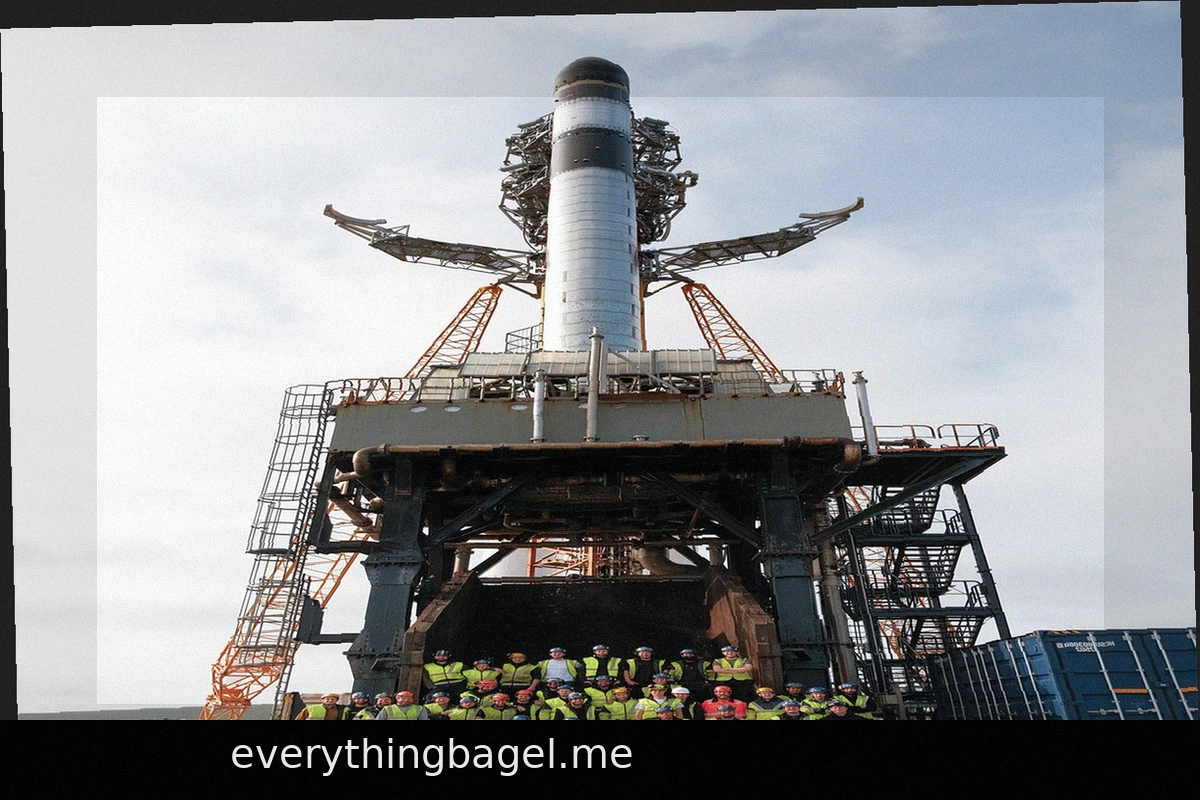
UK Invests £60 Million to Finalize SaxaVord Spaceport
The British government has announced an investment of £30 million in the SaxaVord spaceport, located in the Shetland Islands, Scotland. A portion of this funding will be public, supplemented by an anticipated £30 million from private investors, totaling £60 million to complete the launch site'
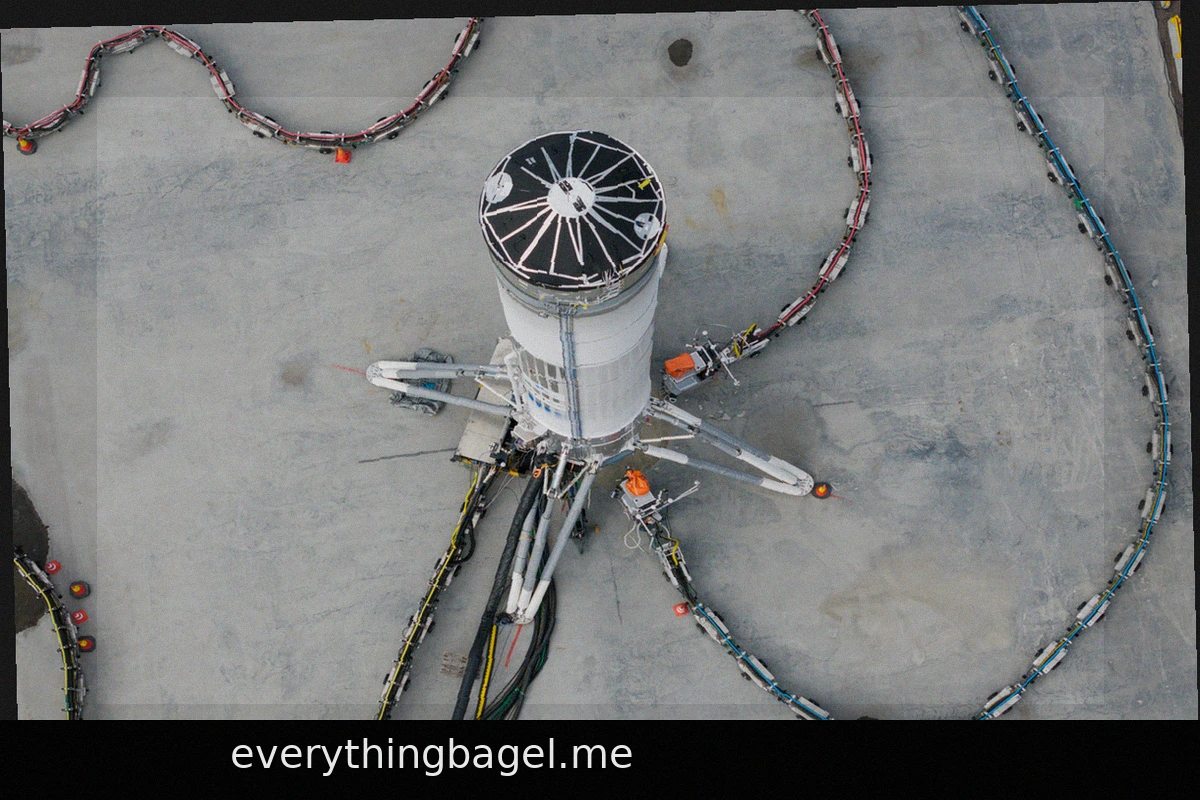
European Reusable Rocket Demonstrator Themis Completes Wet Dress Rehearsal Test
On July 23, 2026, the European demonstrator, Themis, successfully completed a wet dress rehearsal at the Esrange Space Center in northern Sweden. This test allowed teams from ArianeGroup and SSC Space (the company managing the Esrange spaceport) to simulate the full day's operational sequence
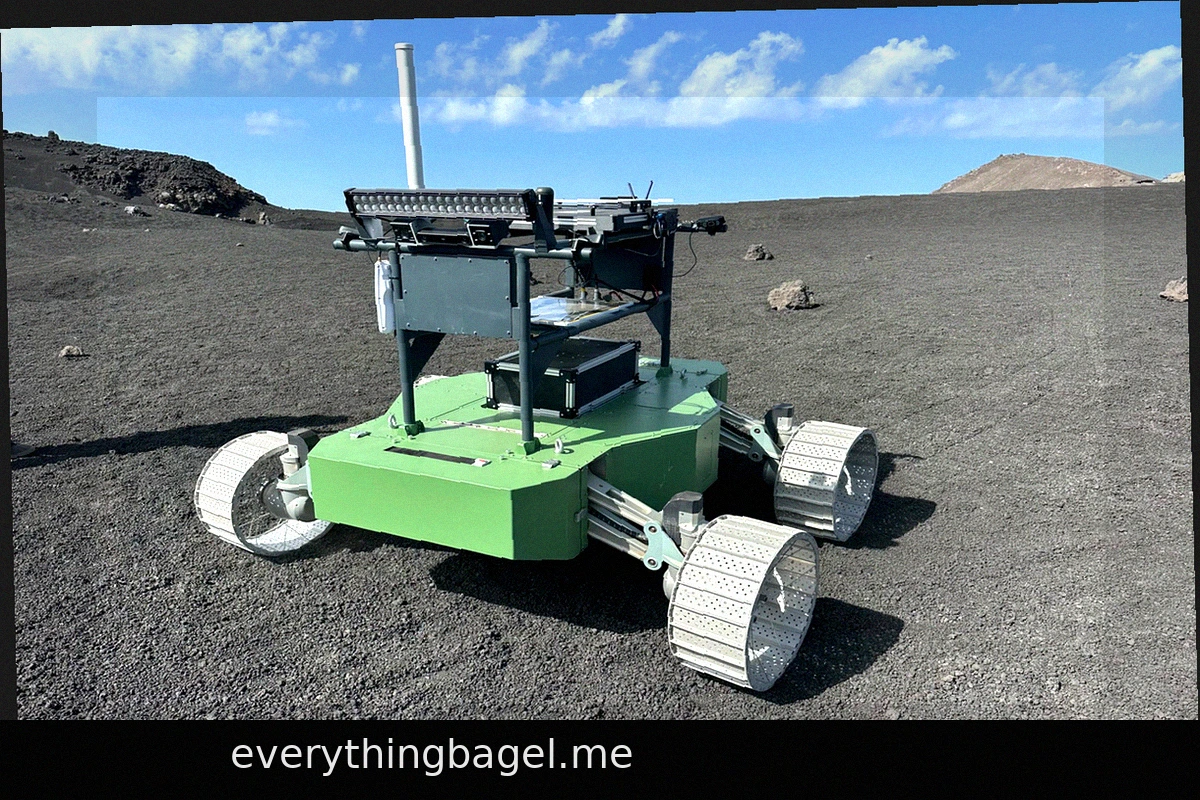
Italian Rover ETNA Completes Etna Tests for Future Lunar Missions
The testing campaign for the ETNA (Exploration Technology for Navigation & Autonomy) rover, developed as part of the Italian Space Agency (ASI) Universal Locomotion System program, has successfully concluded. For several weeks, the rover operated on the slopes of Mount Etna, tackling volcanic

Telespazio Inaugurates New Satellite Antenna in the Azores
Telespazio has unveiled a new S/X band satellite antenna on Santa Maria Island, located in the Portuguese archipelago of the Azores. This new infrastructure is a significant addition to the company's international ground station network and will be utilized for communications with low Earth or
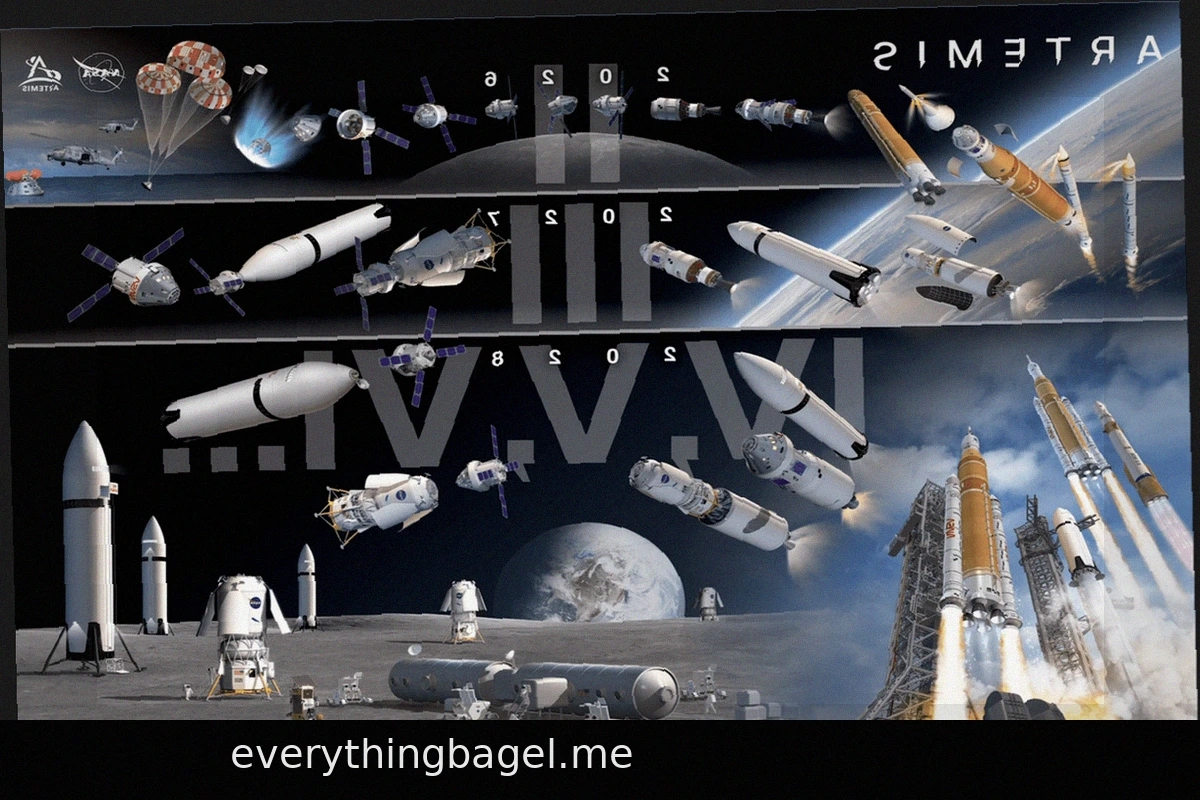
20 July 1969: The Apollo 11 Mission and the Moment That Changed the World
On July 20, 1969, the world paused to witness an event that would forever alter our perception of our place in space. The Apollo 11 mission's Eagle module, with Neil Armstrong and Buzz Aldrin aboard, landed on the Moon, marking a turning point in the history of human exploration. As the words
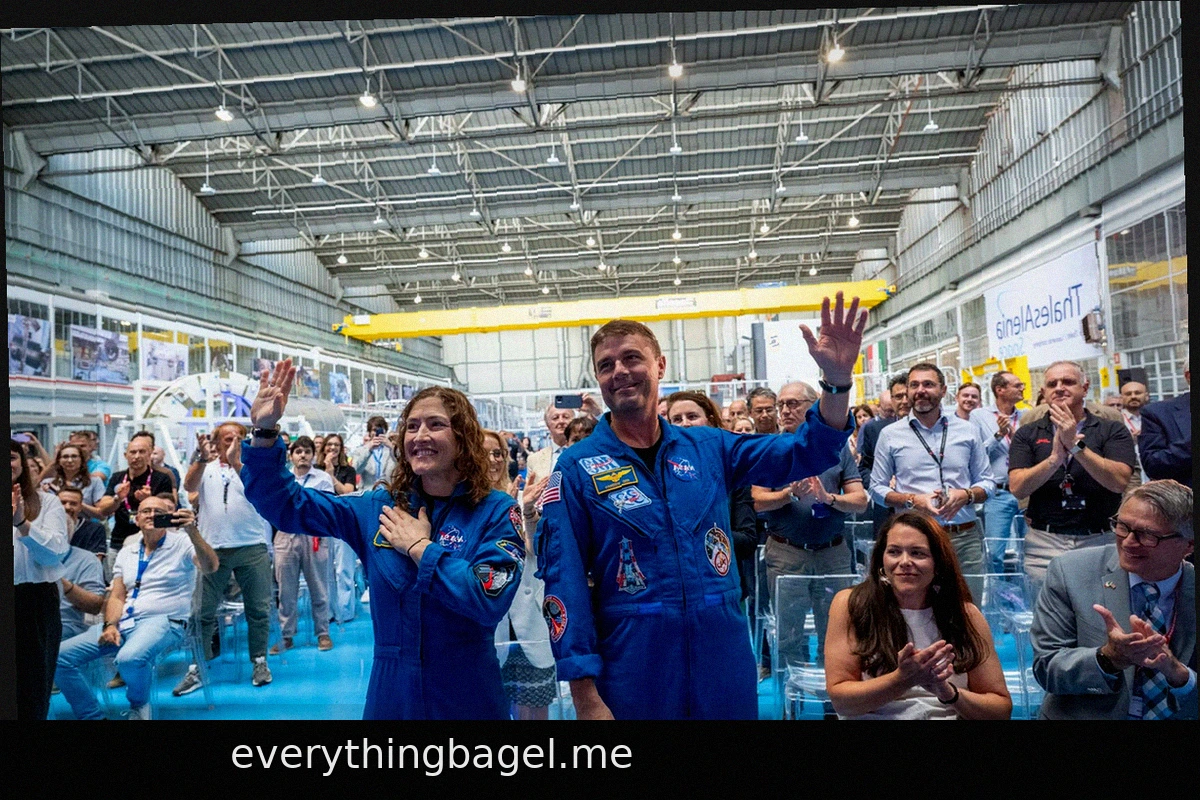
We Met Artemis Astronauts Reid Wiseman and Christina Koch
In April of this year, four individuals embarked on a journey to the Moon. This had not happened since 1972, when the Apollo 17 mission, the last of the previous lunar exploration program, was launched in December. Now, in 2026, we can finally say that the Artemis Program has begun, starting wi