NASA Aims to Maximize ISS Utilization as a Transition to Commercial Space Stations
On March 24, 2026, during a series of press conferences, NASA unveiled a new strategic direction called "Ignition." This initiative not only redefines the Artemis program, aiming to accelerate humanity's return to the Moon and establish a permanent base there, but also includes several other significant announcements regarding space exploration in low-Earth orbit (LEO).
Among these announcements, NASA presented an alternative approach to the decommissioning of the International Space Station (ISS). This strategy involves maximizing the ISS's operational life by utilizing it as a transitional platform for commercial space stations. The plan suggests attaching a core module, developed with NASA's support, followed by commercial modules. These commercial additions could eventually evolve into independent space stations.
From ISS to Commercial Stations
Dana Weigel, NASA's program manager for the International Space Station, summarized the ISS's key achievements over more than 25 years of operation. However, she also pointed out that there's still a lack of products or services generating significant commercial demand. Specifically, there's no substantial market for long-duration commercial missions from either private companies or governments.
Amit Kshatriya, NASA's associate administrator, also weighed in on the subject, explaining that maintaining a human presence in low-Earth orbit is considered crucial. However, he emphasized that the transition to commercial stations must be grounded in realistic conditions. He highlighted that key elements are currently missing: a self-sustaining market independent of substantial NASA support, robust economic models, and adequate funding. Technical difficulties and risks associated with developing new stations further complicate this transition.
According to Kshatriya, these factors make the transition phase delicate. The shift from the International Space Station to commercial platforms is not guaranteed and requires careful management to prevent any disruption in continuous human presence in low-Earth orbit.
The Alternative Approach
Weigel then outlined a potential alternative path for the future of commercial low-Earth orbit stations. The core idea is to leverage the International Space Station while it remains operational, using it as a foundation to gradually develop new infrastructure.
Practically, the plan involves initially attaching a core module, developed with NASA's support, equipped with essential systems such as propulsion, power, and life support. Subsequently, commercial modules, built by private companies for research activities and crew habitation, would be added.
This phase would allow leveraging the ISS's existing capabilities, including its continuous astronaut presence, robotic systems, and logistics, to gradually foster the new commercial ecosystem and mitigate technical risks.
Over time, as industrial capabilities mature and demand increases, these modules could detach from the ISS and become autonomous stations. In this scenario, NASA would transition from being the primary operator to one of many clients purchasing services in low-Earth orbit.
Weigel emphasized that this "gradual" approach would enable a safer transition: first, everything would be built and tested while connected to the ISS, and then it would transition to independent platforms. Furthermore, the model proposes an initial public-private partnership for development, followed by a shift towards a more market-oriented system.
NASA's ultimate goal, as explained, is to establish multiple commercial stations in orbit, featuring a flexible and scalable architecture, thus avoiding an "abrupt" transition after the ISS's operational end.
Fresh materials — Science News
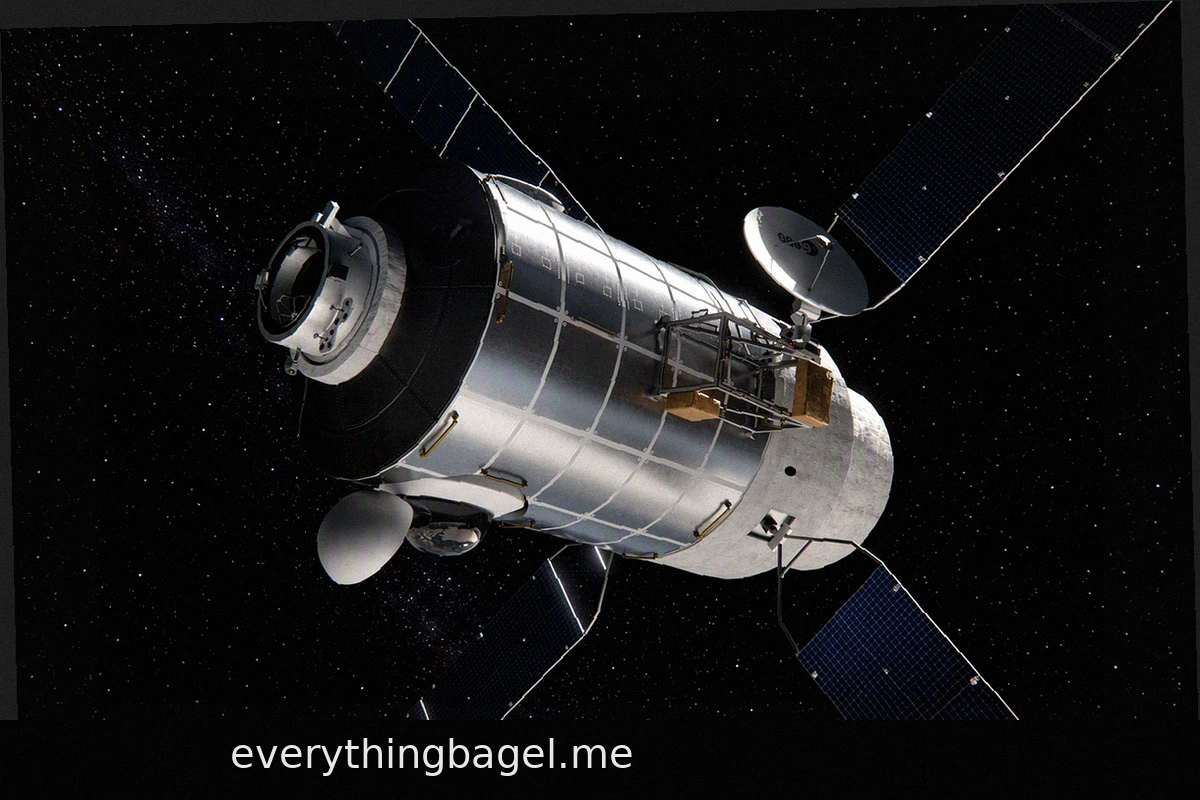
ESA Initiates European Space Station Feasibility Studies with Airbus and OHB
The European Space Agency (ESA) has commissioned parallel studies by Airbus Defence and Space and OHB to assess the feasibility of a future European-led space station in low Earth orbit. This initiative is part of ESA's preparations for the post-International Space Station (ISS) era. Currently
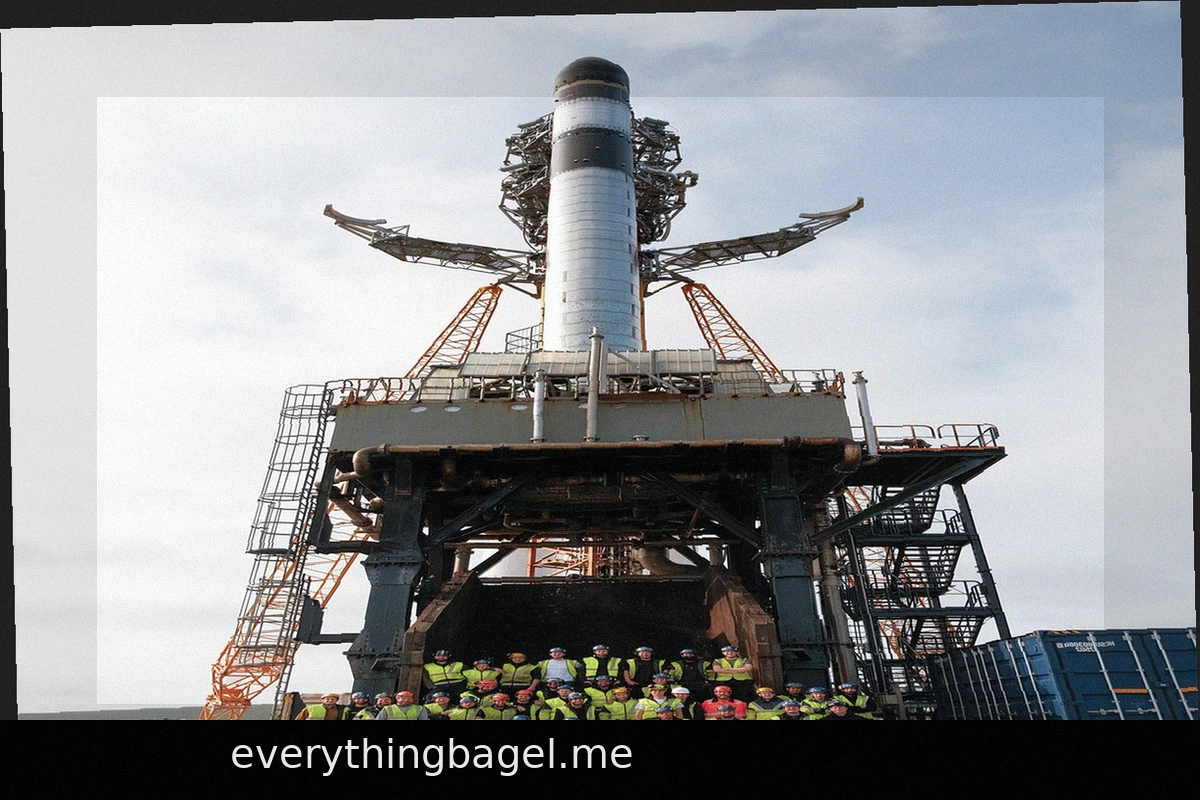
UK Invests £60 Million to Finalize SaxaVord Spaceport
The British government has announced an investment of £30 million in the SaxaVord spaceport, located in the Shetland Islands, Scotland. A portion of this funding will be public, supplemented by an anticipated £30 million from private investors, totaling £60 million to complete the launch site'
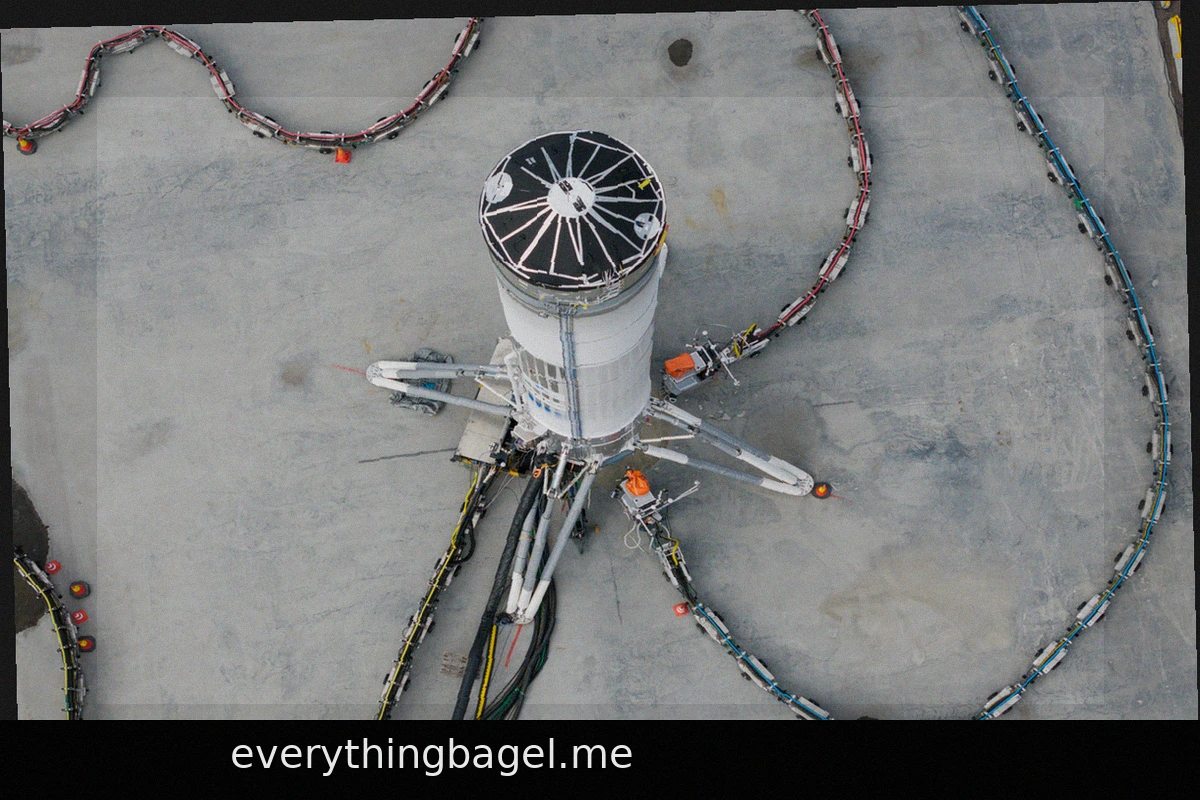
European Reusable Rocket Demonstrator Themis Completes Wet Dress Rehearsal Test
On July 23, 2026, the European demonstrator, Themis, successfully completed a wet dress rehearsal at the Esrange Space Center in northern Sweden. This test allowed teams from ArianeGroup and SSC Space (the company managing the Esrange spaceport) to simulate the full day's operational sequence
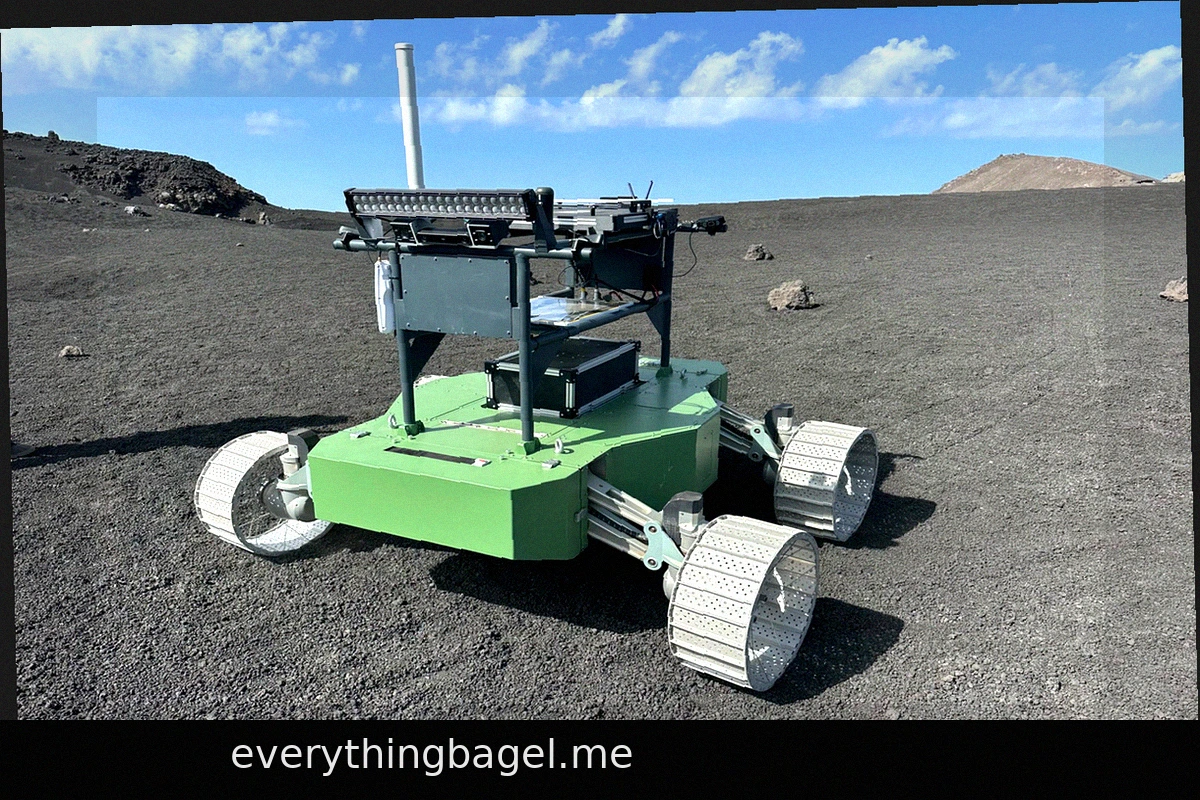
Italian Rover ETNA Completes Etna Tests for Future Lunar Missions
The testing campaign for the ETNA (Exploration Technology for Navigation & Autonomy) rover, developed as part of the Italian Space Agency (ASI) Universal Locomotion System program, has successfully concluded. For several weeks, the rover operated on the slopes of Mount Etna, tackling volcanic

Telespazio Inaugurates New Satellite Antenna in the Azores
Telespazio has unveiled a new S/X band satellite antenna on Santa Maria Island, located in the Portuguese archipelago of the Azores. This new infrastructure is a significant addition to the company's international ground station network and will be utilized for communications with low Earth or
20 July 1969: The Apollo 11 Mission and the Moment That Changed the World
On July 20, 1969, the world paused to witness an event that would forever alter our perception of our place in space. The Apollo 11 mission's Eagle module, with Neil Armstrong and Buzz Aldrin aboard, landed on the Moon, marking a turning point in the history of human exploration. As the words