NVIDIA Unveils Space-1 Vera Rubin Module for Orbital AI and Data Centers
NVIDIA has introduced a new generation of computing platforms specifically engineered for in-space operations. The primary objective is to power artificial intelligence (AI) applications directly in orbit and fundamentally redefine how satellite data is processed.
Unveiled at GTC 2026, this groundbreaking initiative features the Space-1 Vera Rubin module, alongside the IGX Thor and Jetson Orin platforms. These solutions are meticulously designed to function efficiently within the stringent size, weight, and power (SWaP) constraints inherent to space environments. The overarching aim is to extend the high-performance capabilities typically found in data centers directly to satellites and space stations.
Planet Labs has already announced a strategic partnership with NVIDIA to integrate these cutting-edge chips into its satellite fleet, with the goal of constructing an advanced Earth intelligence platform.
The Shift Towards In-Orbit Processing
Historically, satellites collected data that was then transmitted back to Earth for subsequent processing. This conventional method introduces inherent latency and demands substantial transmission bandwidth. While this approach continues for larger satellites, smaller satellite constellations have already begun implementing some level of in-orbit processing. NVIDIA now aims to significantly enhance these capabilities with new chips specifically optimized for space applications.
NVIDIA's latest solutions are designed to expand this paradigm, enabling sophisticated data processing directly in space, powered by Artificial Intelligence. This innovation dramatically reduces the necessity for constant downlink communications and facilitates real-time decision-making. This forward-thinking approach forms the fundamental basis for the concept of orbital data centers – infrastructures operating in orbit as a true extension of terrestrial data centers.
The Space-1 Vera Rubin module, in particular, integrates high-performance CPUs and GPUs within a high-bandwidth architecture. It is meticulously engineered to efficiently manage complex data streams originating from various sources, including optical sensors, radar systems, and other advanced observation platforms.
Edge Computing and Satellite Autonomy
In addition to the primary Space-1 module, NVIDIA also unveiled two dedicated platforms designed for distributed processing. The Jetson Orin is tailored for compact applications, enabling real-time AI inference directly onboard satellites. Conversely, the IGX Thor is oriented towards mission-critical environments, incorporating robust security features and providing comprehensive support for autonomous operations.
These advanced technologies empower spacecraft to analyze critical data such as navigation information, images, and signals without continuous reliance on ground control. The key objectives are to significantly enhance the level of autonomy for space vehicles, reduce response times for crucial operations, and optimize the utilization of available communication bandwidth.
Several leading companies within the aerospace industry are already actively integrating these new platforms into their existing architectures. Planet, which operates one of the largest constellations for Earth observation, aims to transform raw satellite imagery into actionable information almost in real-time. This groundbreaking approach holds immense relevance for critical applications such as environmental monitoring, efficient resource management, and rapid disaster response.
Meanwhile, Kepler Communications is leveraging AI to improve the management of its satellite networks, optimizing data routing and effectively reducing communication latency in orbit. Concurrently, innovative companies like Starcloud are actively developing full-fledged orbital data centers, specifically engineered to execute complex AI workloads directly in the vast expanse of space.
Fresh materials — Science News
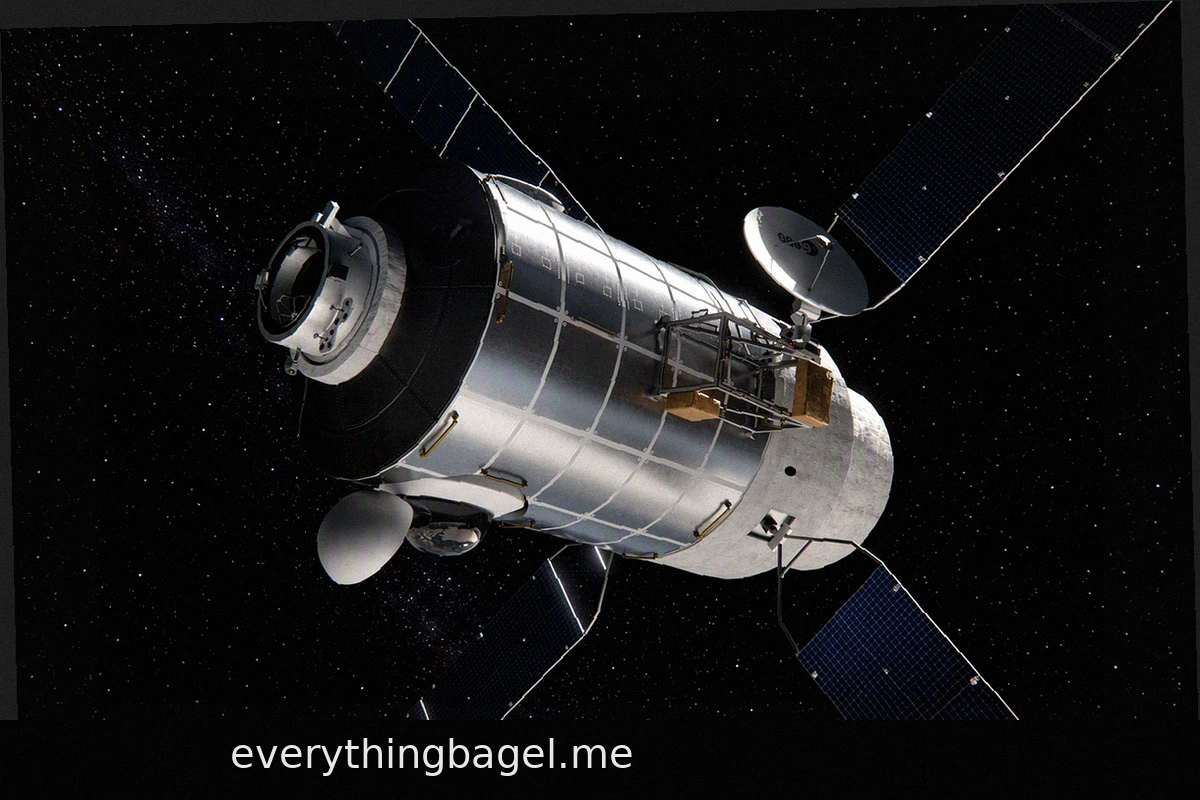
ESA Initiates European Space Station Feasibility Studies with Airbus and OHB
The European Space Agency (ESA) has commissioned parallel studies by Airbus Defence and Space and OHB to assess the feasibility of a future European-led space station in low Earth orbit. This initiative is part of ESA's preparations for the post-International Space Station (ISS) era. Currently
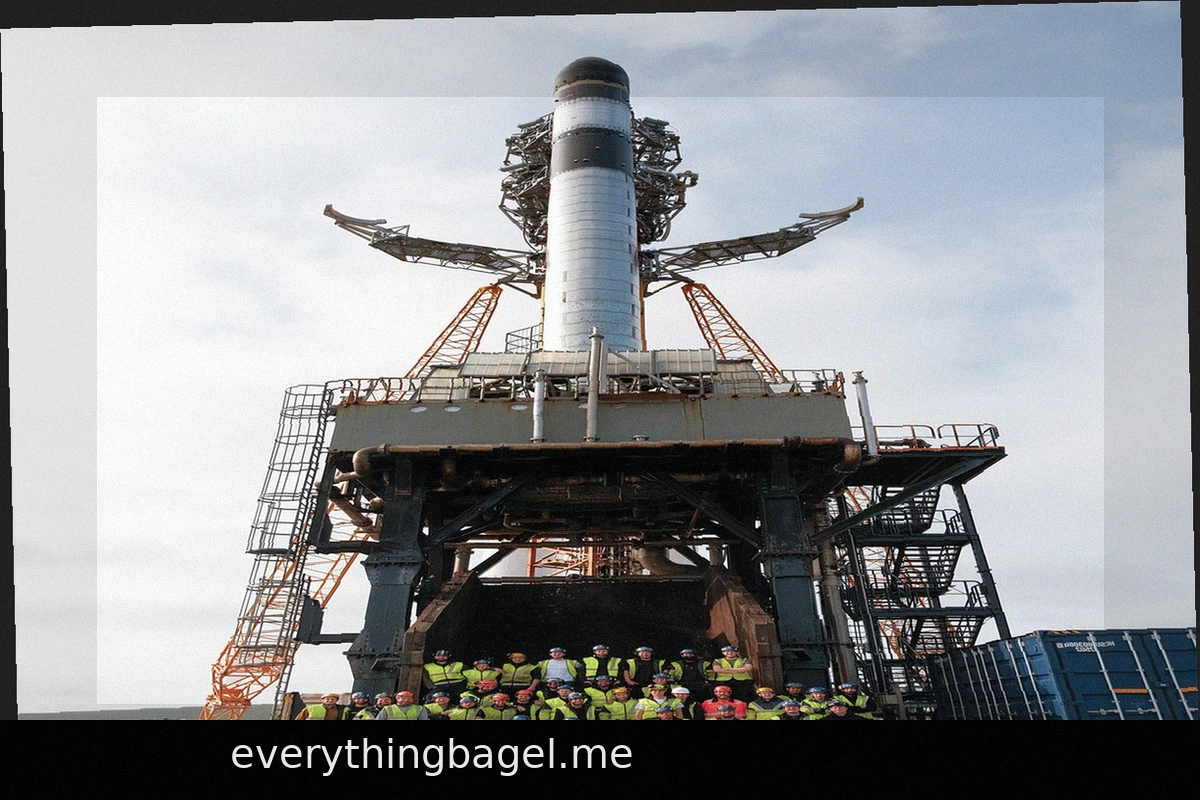
UK Invests £60 Million to Finalize SaxaVord Spaceport
The British government has announced an investment of £30 million in the SaxaVord spaceport, located in the Shetland Islands, Scotland. A portion of this funding will be public, supplemented by an anticipated £30 million from private investors, totaling £60 million to complete the launch site'
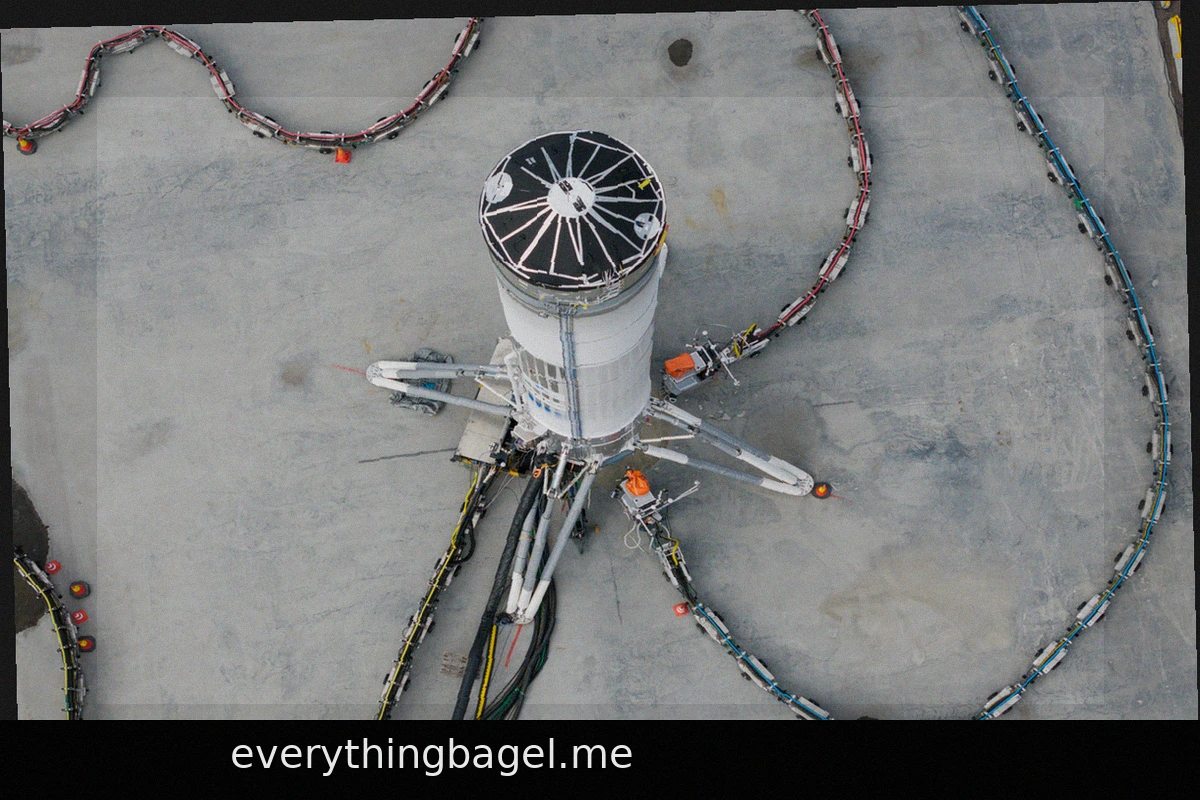
European Reusable Rocket Demonstrator Themis Completes Wet Dress Rehearsal Test
On July 23, 2026, the European demonstrator, Themis, successfully completed a wet dress rehearsal at the Esrange Space Center in northern Sweden. This test allowed teams from ArianeGroup and SSC Space (the company managing the Esrange spaceport) to simulate the full day's operational sequence
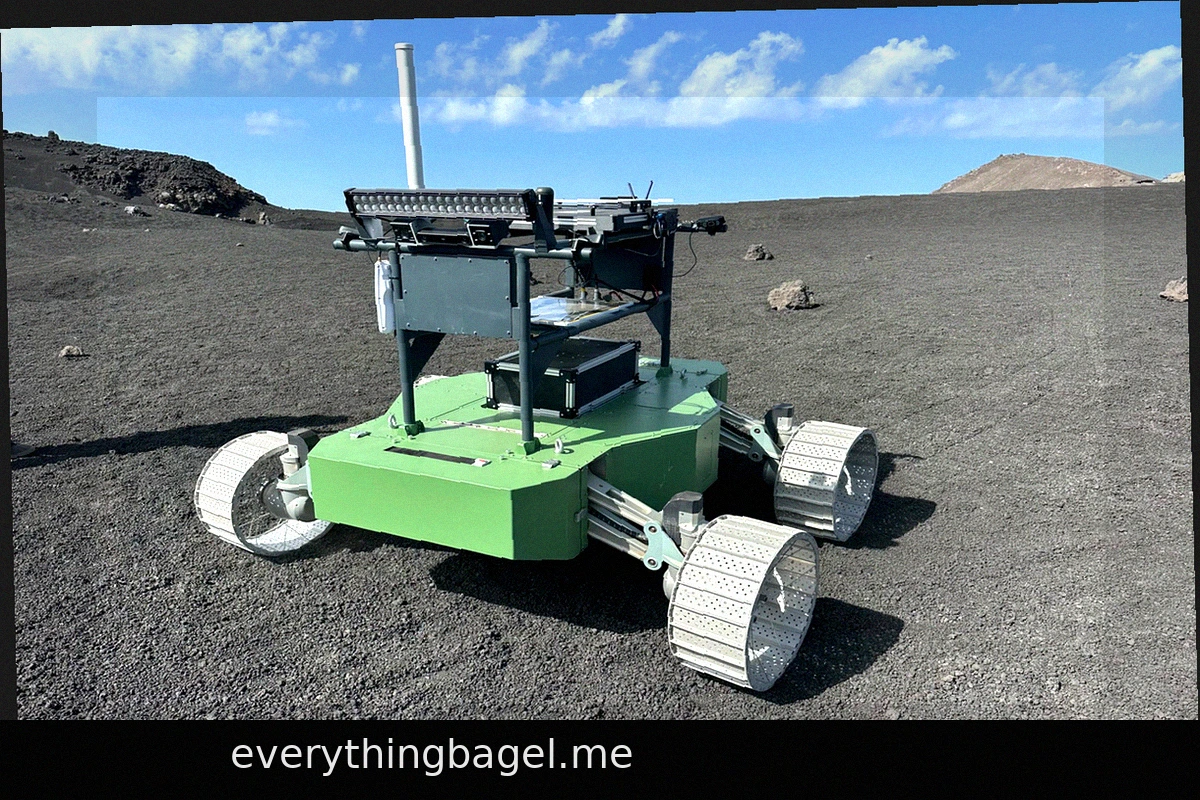
Italian Rover ETNA Completes Etna Tests for Future Lunar Missions
The testing campaign for the ETNA (Exploration Technology for Navigation & Autonomy) rover, developed as part of the Italian Space Agency (ASI) Universal Locomotion System program, has successfully concluded. For several weeks, the rover operated on the slopes of Mount Etna, tackling volcanic

Telespazio Inaugurates New Satellite Antenna in the Azores
Telespazio has unveiled a new S/X band satellite antenna on Santa Maria Island, located in the Portuguese archipelago of the Azores. This new infrastructure is a significant addition to the company's international ground station network and will be utilized for communications with low Earth or
20 July 1969: The Apollo 11 Mission and the Moment That Changed the World
On July 20, 1969, the world paused to witness an event that would forever alter our perception of our place in space. The Apollo 11 mission's Eagle module, with Neil Armstrong and Buzz Aldrin aboard, landed on the Moon, marking a turning point in the history of human exploration. As the words