Project Sunrise: Blue Origin Aims for Space Data Centers with a Constellation of Over 50,000 Satellites
On March 19, 2026, Blue Origin submitted an application to the Federal Communications Commission (FCC) to launch "Project Sunrise." This ambitious project involves deploying a vast constellation of low Earth orbit satellites, designed to function as orbital data centers. The primary goal is to support artificial intelligence (AI), machine learning, and cloud computing applications, addressing the escalating global demand for computing power while simultaneously reducing the energy consumption of traditional terrestrial data centers. The constellation will comprise up to 51,600 satellites, positioned in sun-synchronous orbits at altitudes ranging from 500 to 1800 km.
Blue Origin is entering a rapidly expanding sector for orbital data centers, where competition is already fierce. SpaceX is also active in this field, having submitted a proposal to the FCC for approximately one million satellites. Other companies like Axiom Space and Starcloud have already launched prototypes. Italy is also participating in this race with projects such as ASCEND by Thales Alenia Space and an initiative by D-Orbit in collaboration with Planetek and Aiko.
Two Constellations for Blue Origin
FCC documents reveal that the Sunrise constellation will operate across multiple orbital planes, with inclinations between 97° and 104°. Each plane is intended to host between 300 and 1,000 satellites. This configuration is engineered to ensure continuous global coverage and near-constant solar illumination, optimizing energy generation via solar panels. Blue Origin also plans to utilize various hardware configurations and antenna types to adapt to the system's specific operational requirements.
The system's core technology relies on inter-satellite optical links (lasers), enabling the transfer of massive amounts of data with low latency, thus avoiding radio spectrum congestion. Furthermore, Blue Origin will integrate the TeraWave constellation, announced in January and comprising 5,408 satellites, to serve as a supporting infrastructure for connectivity between network nodes and ground stations.
Processing data directly in space is an innovative aspect that can significantly reduce the need to transmit large volumes of data back to Earth. This translates into lower latencies and energy consumption, benefiting applications such as Earth observation, scientific research, and the management of complex AI-based systems.
Blue Origin highlights the project's environmental benefits, including the elimination of water for data center cooling and reduced strain on terrestrial power grids. However, such a high number of satellites raises significant questions about orbital sustainability and space traffic management.
The company has also requested several waivers from the FCC, arguing that the system's limited use of the radio spectrum and innovative architecture will not cause interference with other operators.
Fresh materials — Science News
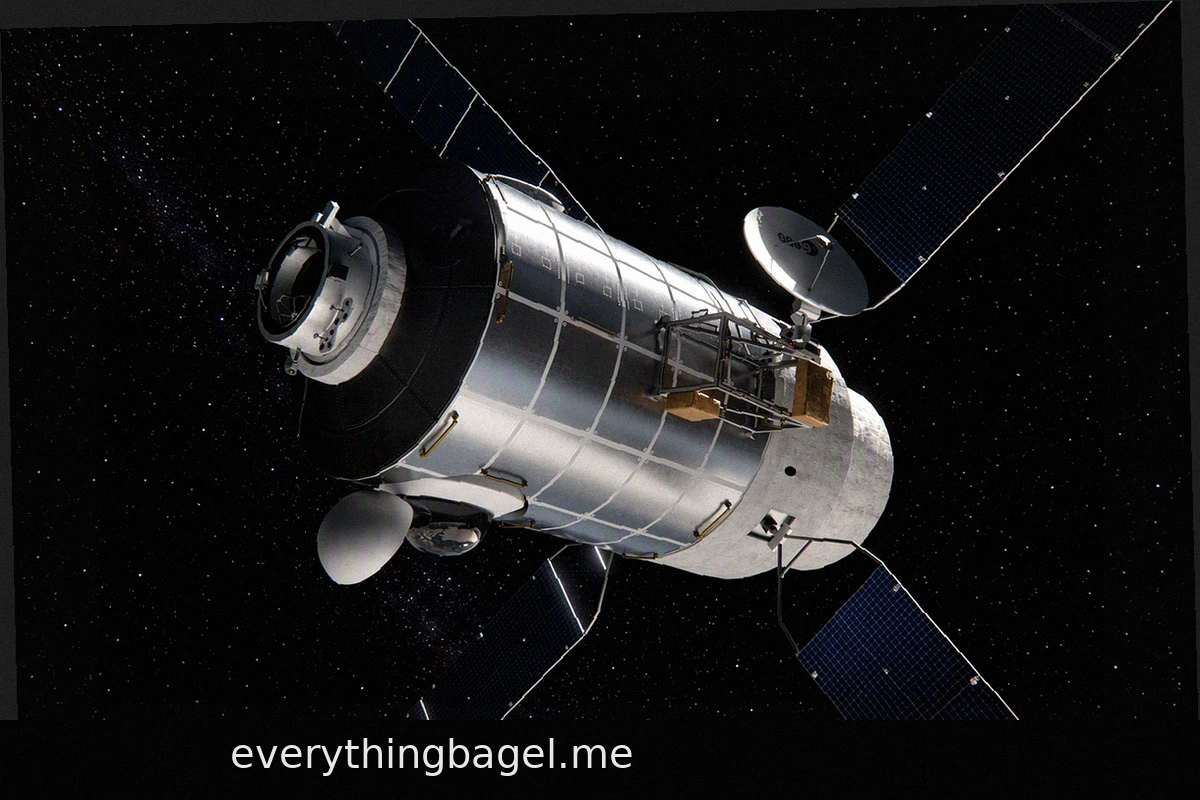
ESA Initiates European Space Station Feasibility Studies with Airbus and OHB
The European Space Agency (ESA) has commissioned parallel studies by Airbus Defence and Space and OHB to assess the feasibility of a future European-led space station in low Earth orbit. This initiative is part of ESA's preparations for the post-International Space Station (ISS) era. Currently

UK Invests £60 Million to Finalize SaxaVord Spaceport
The British government has announced an investment of £30 million in the SaxaVord spaceport, located in the Shetland Islands, Scotland. A portion of this funding will be public, supplemented by an anticipated £30 million from private investors, totaling £60 million to complete the launch site'
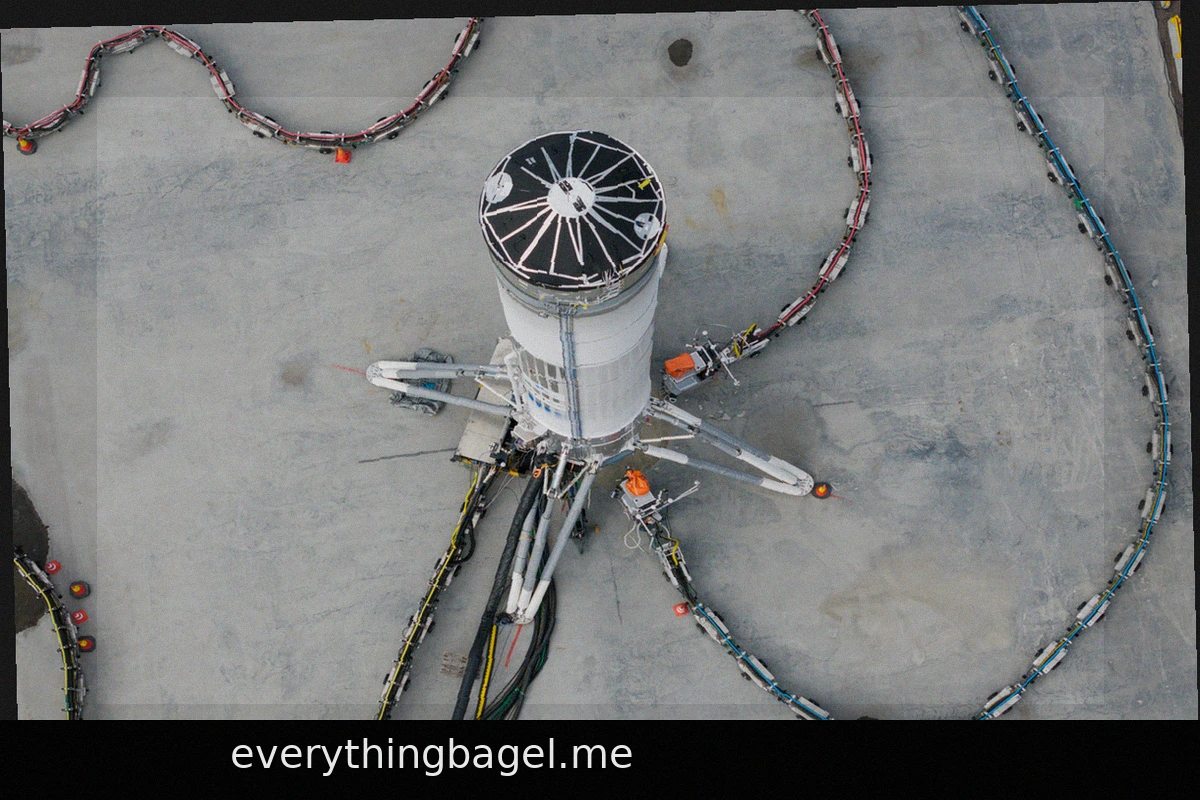
European Reusable Rocket Demonstrator Themis Completes Wet Dress Rehearsal Test
On July 23, 2026, the European demonstrator, Themis, successfully completed a wet dress rehearsal at the Esrange Space Center in northern Sweden. This test allowed teams from ArianeGroup and SSC Space (the company managing the Esrange spaceport) to simulate the full day's operational sequence
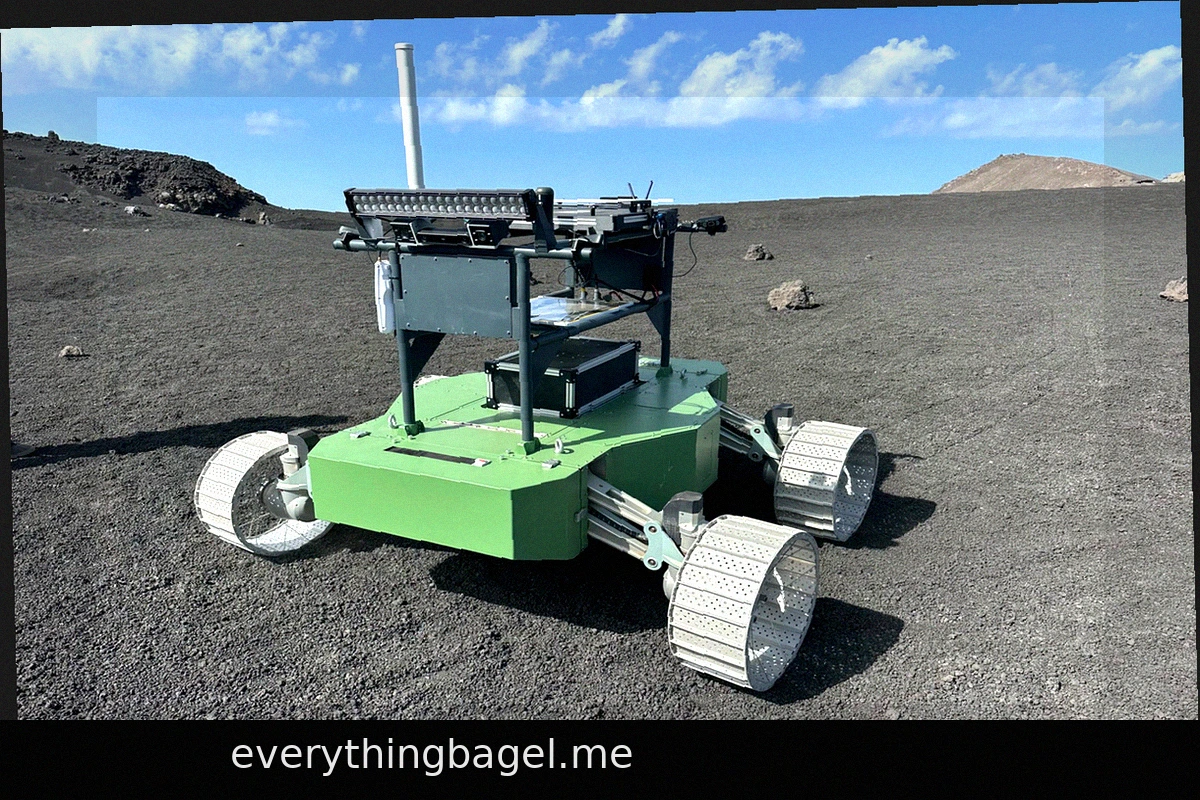
Italian Rover ETNA Completes Etna Tests for Future Lunar Missions
The testing campaign for the ETNA (Exploration Technology for Navigation & Autonomy) rover, developed as part of the Italian Space Agency (ASI) Universal Locomotion System program, has successfully concluded. For several weeks, the rover operated on the slopes of Mount Etna, tackling volcanic

Telespazio Inaugurates New Satellite Antenna in the Azores
Telespazio has unveiled a new S/X band satellite antenna on Santa Maria Island, located in the Portuguese archipelago of the Azores. This new infrastructure is a significant addition to the company's international ground station network and will be utilized for communications with low Earth or
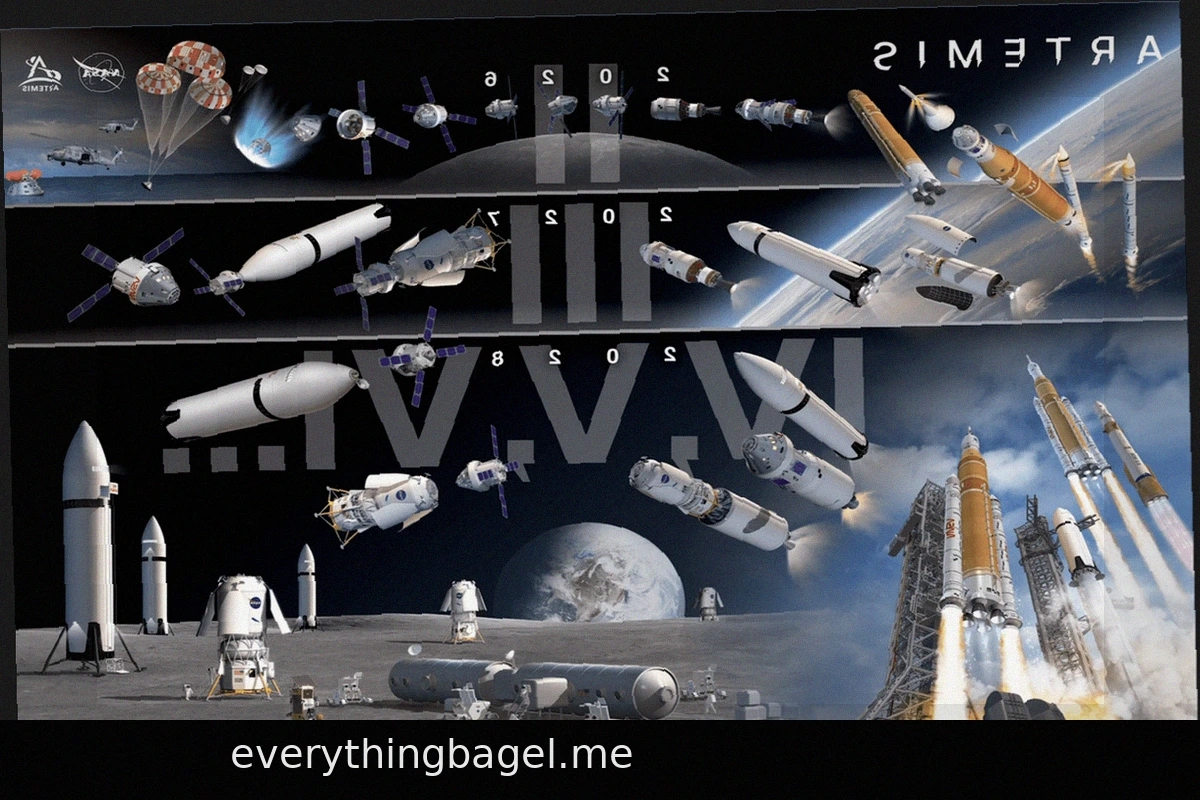
20 July 1969: The Apollo 11 Mission and the Moment That Changed the World
On July 20, 1969, the world paused to witness an event that would forever alter our perception of our place in space. The Apollo 11 mission's Eagle module, with Neil Armstrong and Buzz Aldrin aboard, landed on the Moon, marking a turning point in the history of human exploration. As the words