SpaceX, Tesla, and xAI Unite for Project Terafab: Elon Musk's AI Chip Factory for Space Data Centers
For the first time, Elon Musk has unveiled a project that brings together his three primary companies: SpaceX, Tesla, and xAI, in an official collaboration. This initiative, named Terafab, aims to produce artificial intelligence chips, with the majority destined for use in space.
According to Musk, the internal, large-scale production of these chips represents the final missing piece required to establish a complete supply chain capable of supporting the development of space-based data centers. The project's name directly reflects its ambitious goal: to achieve one terawatt of computational power output annually. Musk stated that the entire global production of AI chips currently stands at approximately 20 gigawatts per year, which is merely 2% of Terafab's annual target.
Terafab is envisioned as a next-generation chip manufacturing facility, to be located in Austin, Texas. The project was announced on March 22nd in the Texan city during a surprise conference.
In recent months, an increasing number of companies have committed resources to establishing data centers in orbit. This trend is driven by the escalating demand for computational power, largely due to the widespread adoption of artificial intelligence. Among the companies engaged in such endeavors is SpaceX, which filed a request with the FCC on January 30th for authorization to launch a constellation of one million satellites. Blue Origin also submitted a similar request to the FCC on March 20th for a constellation of 50,000 satellites for its "Sunrise" project.
Project Terafab Details
Unlike other companies, Terafab will oversee the entire chip production lifecycle, from the initial masks required for fabrication to the testing phases and subsequent deployment. This comprehensive approach is expected to enable a recursive improvement cycle, accelerating its development.
The chips produced will fall into three main categories: a version optimized for Optimus humanoid robots, with a planned production scale of 1 to 10 billion units per year; a version for Tesla's robotaxis; and a version specifically designed for space applications. Terafab aims to develop space chips capable of withstanding high temperatures, thereby allowing for the use of smaller radiators for heat dissipation in satellites. Furthermore, these space-grade chips will need significantly enhanced radiation resistance.
Once orbital data center construction commences, Musk believes that within two to three years, launching satellites for these purposes will become more cost-effective than building dedicated infrastructure on Earth.
This cost-efficiency will largely stem from the highly effective utilization of solar energy in space. During the conference, Musk also presented a rendering of an AI-optimized satellite for space, featuring a design based on Starlink. The immense energy requirements will necessitate these satellites to incorporate solar panels that, once deployed, could extend up to 150 meters in length. This design is expected to enable each satellite to generate approximately 100 kilowatts of power.
Deploying this new class of satellites will require extensive use of Starship, encompassing both the V3 version, which is still awaiting its debut, and subsequent evolutionary designs.
Musk also reiterated plans for launching satellites directly from the surface of the Moon. This would be achieved using an electromagnetic accelerator, leveraging both the absence of an atmosphere and the Moon's reduced gravity (one-sixth of Earth's) to propel satellites into space. SpaceX previously shared an animation illustrating the functionality of this launch mechanism.
Fresh materials — Science News
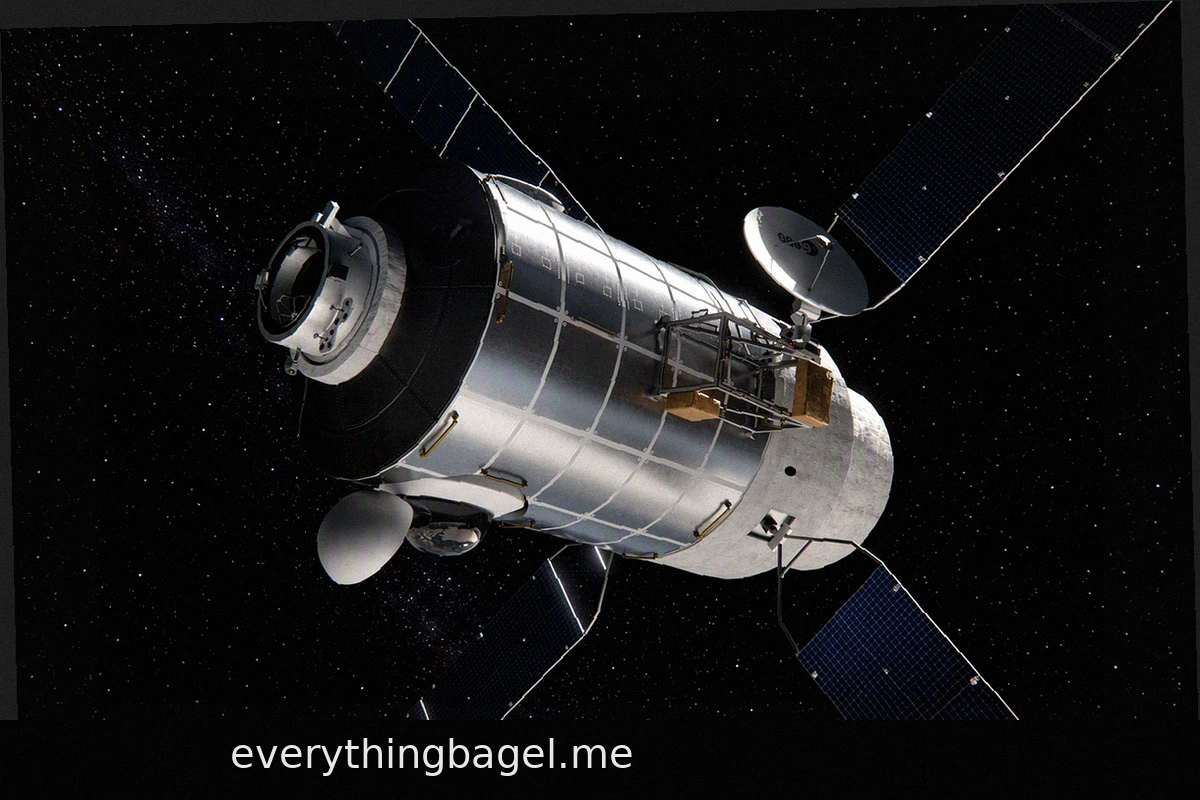
ESA Initiates European Space Station Feasibility Studies with Airbus and OHB
The European Space Agency (ESA) has commissioned parallel studies by Airbus Defence and Space and OHB to assess the feasibility of a future European-led space station in low Earth orbit. This initiative is part of ESA's preparations for the post-International Space Station (ISS) era. Currently
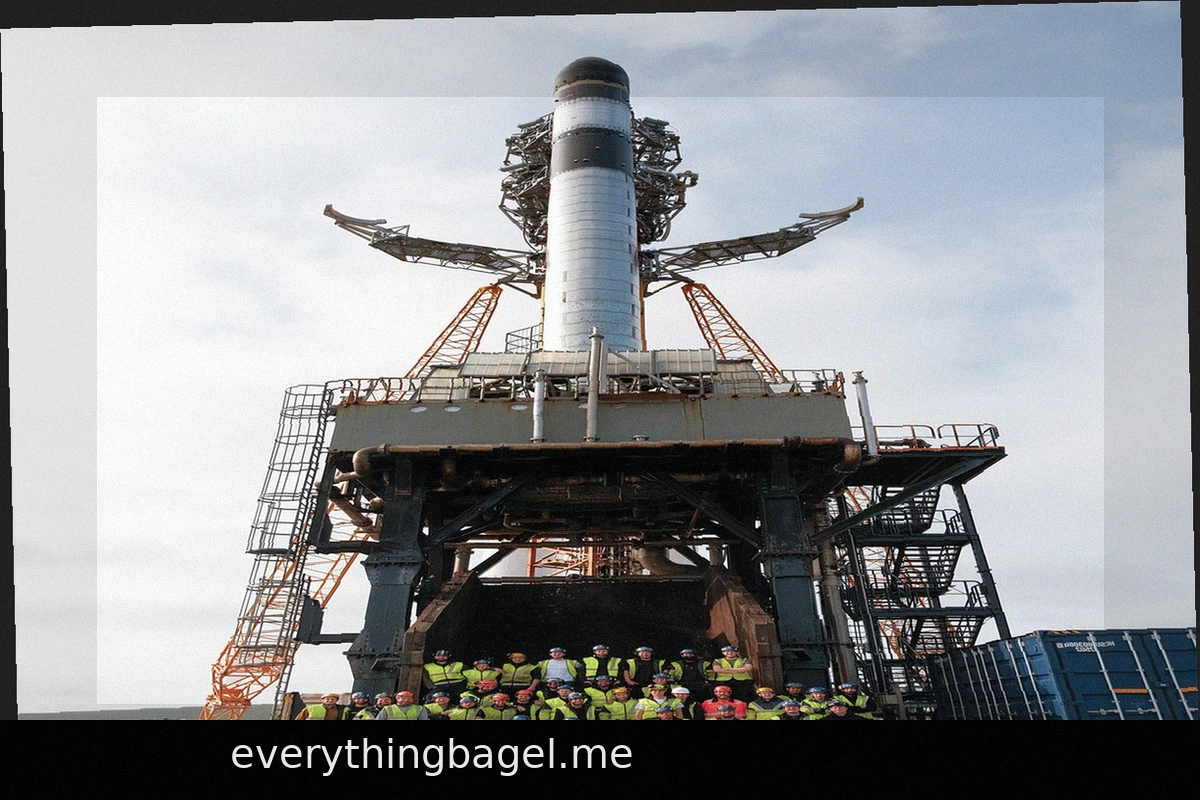
UK Invests £60 Million to Finalize SaxaVord Spaceport
The British government has announced an investment of £30 million in the SaxaVord spaceport, located in the Shetland Islands, Scotland. A portion of this funding will be public, supplemented by an anticipated £30 million from private investors, totaling £60 million to complete the launch site'
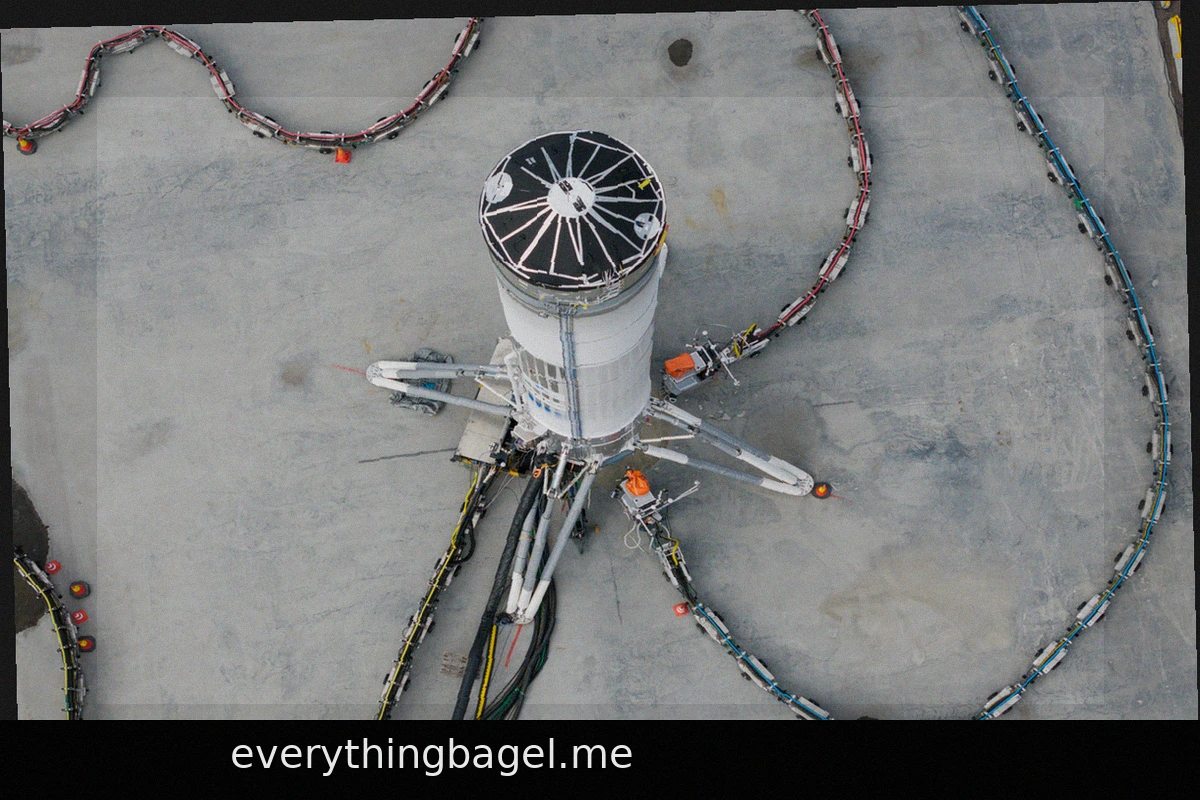
European Reusable Rocket Demonstrator Themis Completes Wet Dress Rehearsal Test
On July 23, 2026, the European demonstrator, Themis, successfully completed a wet dress rehearsal at the Esrange Space Center in northern Sweden. This test allowed teams from ArianeGroup and SSC Space (the company managing the Esrange spaceport) to simulate the full day's operational sequence
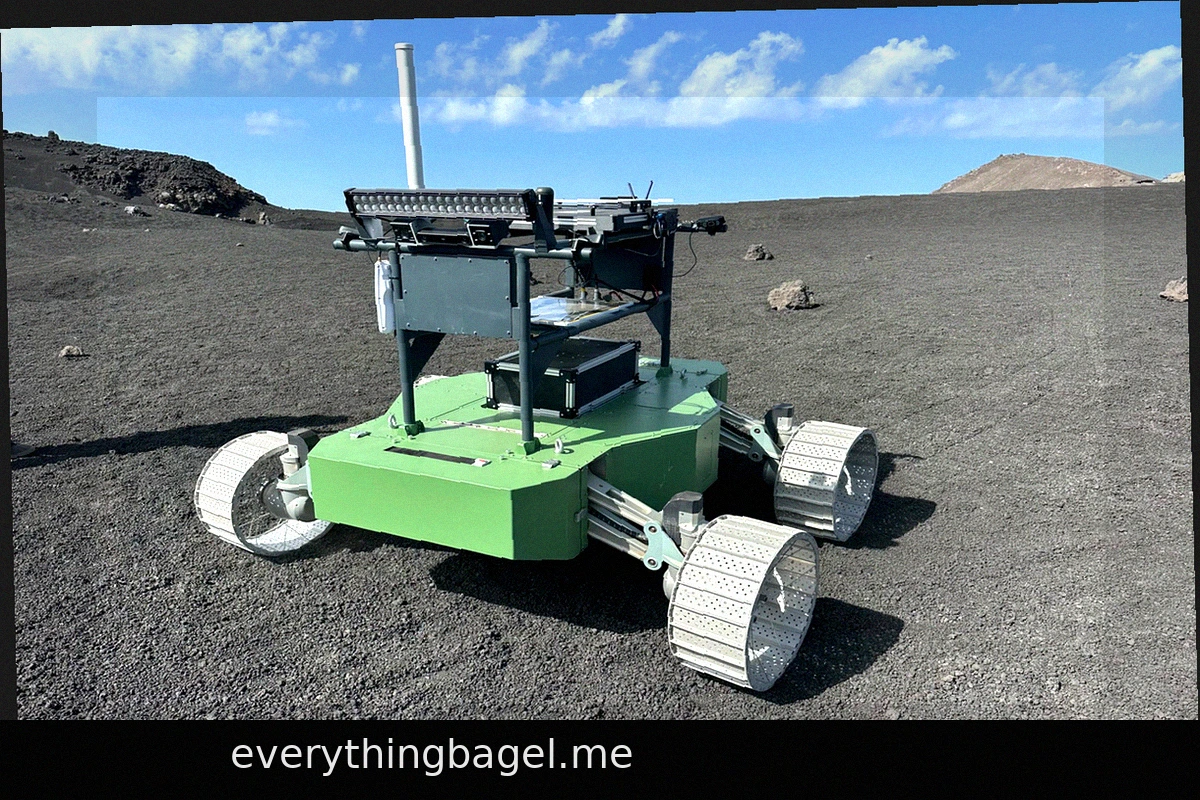
Italian Rover ETNA Completes Etna Tests for Future Lunar Missions
The testing campaign for the ETNA (Exploration Technology for Navigation & Autonomy) rover, developed as part of the Italian Space Agency (ASI) Universal Locomotion System program, has successfully concluded. For several weeks, the rover operated on the slopes of Mount Etna, tackling volcanic
Telespazio Inaugurates New Satellite Antenna in the Azores
Telespazio has unveiled a new S/X band satellite antenna on Santa Maria Island, located in the Portuguese archipelago of the Azores. This new infrastructure is a significant addition to the company's international ground station network and will be utilized for communications with low Earth or
20 July 1969: The Apollo 11 Mission and the Moment That Changed the World
On July 20, 1969, the world paused to witness an event that would forever alter our perception of our place in space. The Apollo 11 mission's Eagle module, with Neil Armstrong and Buzz Aldrin aboard, landed on the Moon, marking a turning point in the history of human exploration. As the words