Vera C. Rubin Observatory's Preliminary Data Uncovers Over 11,000 New Asteroids
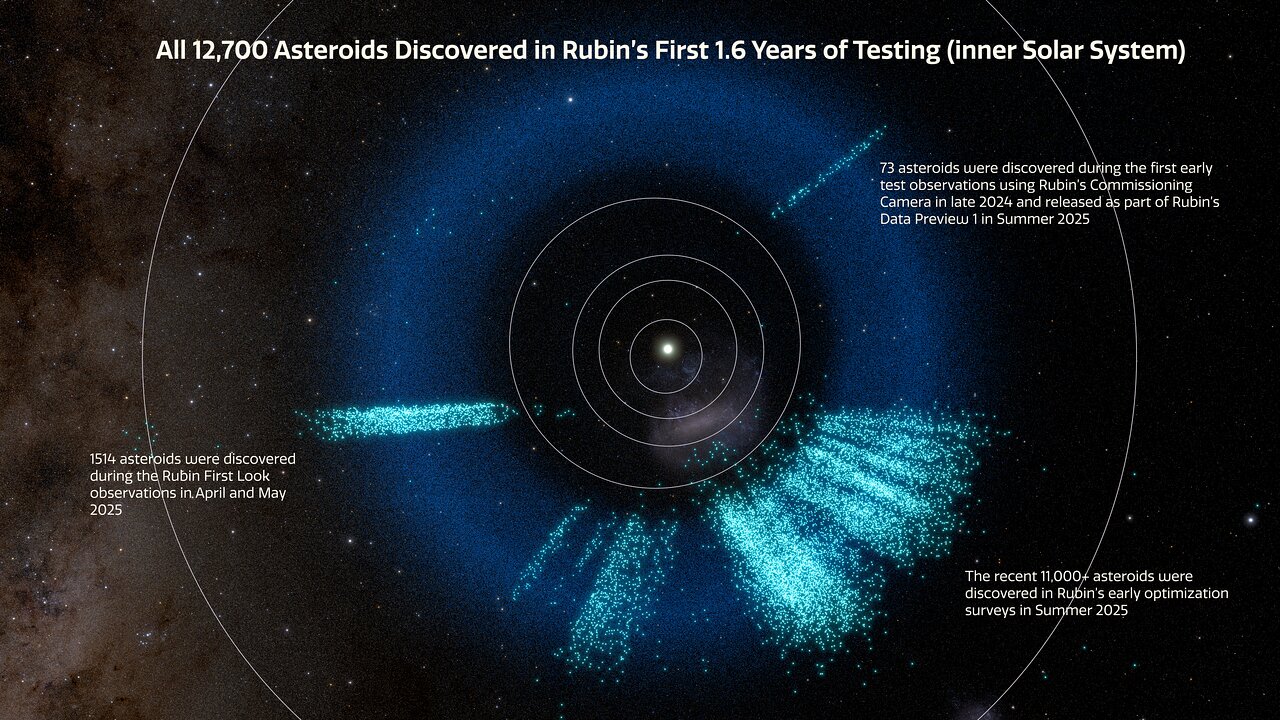
The Vera C. Rubin Observatory is already yielding significant results, even before the official commencement of its scientific observations. In just a month and a half of preliminary data collection, researchers have identified over 11,000 new asteroids (specifically 11,097 of them), submitting their findings to the Minor Planet Center, the international body responsible for cataloging and verifying such discoveries.
This marks the largest series of new asteroid discoveries reported in the past year. The collected data encompasses approximately one million observations and includes more than 80,000 already known asteroids. In numerous instances, Rubin has refined information about their orbits, even successfully "recovering" objects that had been considered lost due to imprecise positional knowledge.
Among the new discoveries are 33 Near-Earth Objects (NEOs), asteroids that pass relatively close to Earth. None of these currently pose an impact risk, with the largest measuring approximately 500 meters across. Nevertheless, these early findings clearly demonstrate the critical role Rubin will play in identifying and monitoring potentially hazardous objects in the future.
Expanding Our View of the Outer Solar System
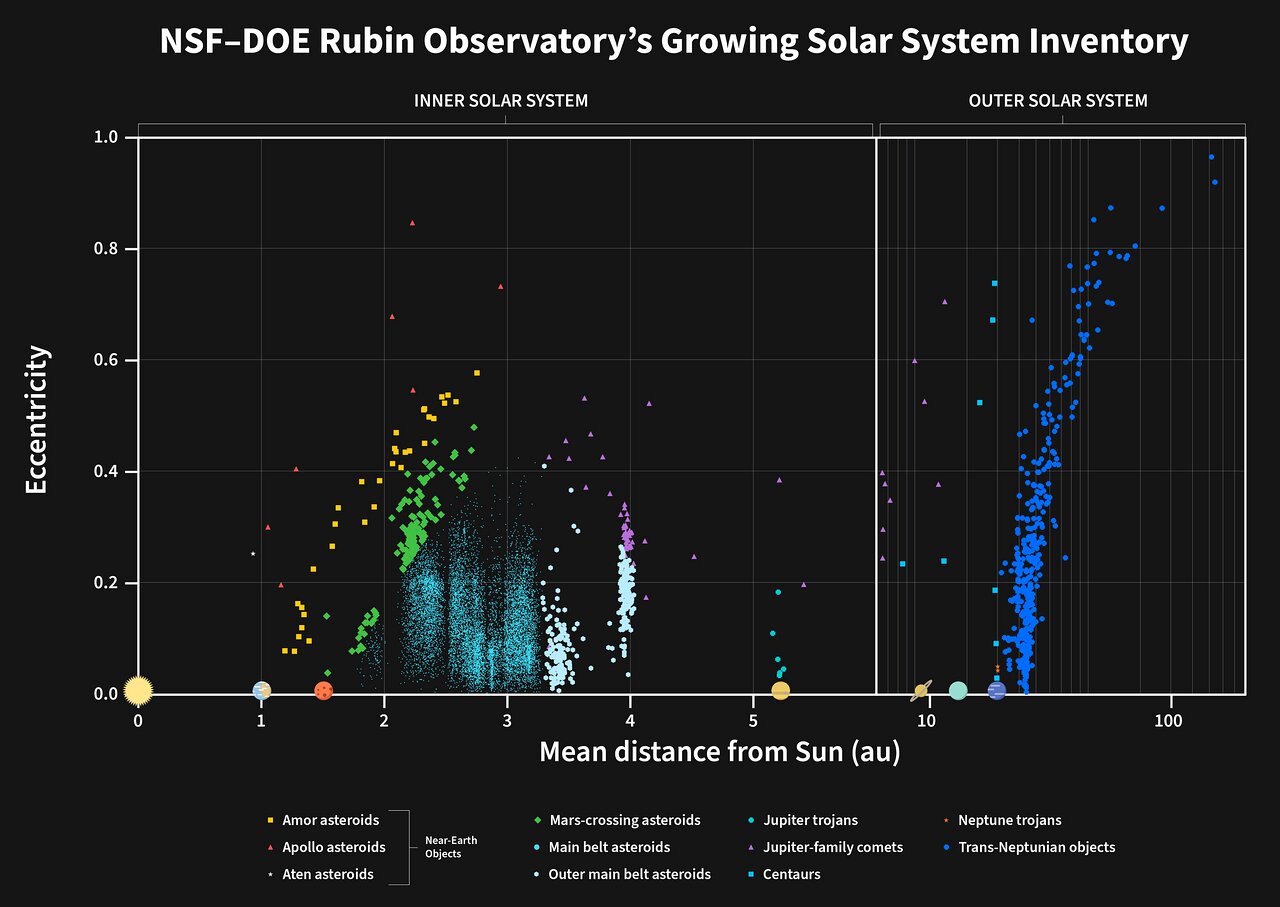
Beyond the asteroids closer to Earth, Rubin has also identified approximately 380 trans-Neptunian objects (TNOs), which are icy bodies orbiting beyond Neptune. This is a remarkable achievement, considering that only slightly over 5,000 such objects have been discovered in the past three decades.
Two of these newly found objects, temporarily designated 2025 LS2 and 2025 MX348, exhibit highly elongated orbits. At their farthest point from the Sun, they reach a distance of about 1,000 times that between Earth and the Sun, placing them among the most distant objects ever observed in our solar system.
Studying these remote bodies is crucial as they can provide invaluable insights into the formation and evolution of the Solar System. Specifically, they could help scientists understand how planets migrated in their early stages and if there are still massive, undiscovered objects lurking in the outermost regions.
To detect such faint and distant objects, Rubin employs a sophisticated combination of advanced instruments: a massive telescope, an exceptionally powerful camera (the most potent ever constructed for astronomy), and specialized software designed to pinpoint moving objects amidst millions of light sources.
Thousands of New Discoveries Every Few Days
What has been observed so far is merely the beginning. Once the Legacy Survey of Space and Time (LSST) commences, Rubin will be capable of discovering thousands of new asteroids every few days. In its initial operational phases, it could potentially identify over 11,000 objects every two to three nights.
Over the projected ten years of observations, the total number of known asteroids could triple. Trans-Neptunian objects will also increase significantly, offering a far more comprehensive understanding of the Solar System's most distant regions.
Regarding objects close to Earth, Rubin is expected to discover approximately 90,000 new NEOs. This will significantly enhance our ability to identify any potentially hazardous bodies well in advance.
The collected data is openly shared with the international scientific community, enabling continuous analysis and improvement of orbital information. In this way, Rubin not only expands the inventory of known objects but also contributes to a deeper understanding of them.
These preliminary results unequivocally demonstrate that Rubin will become an indispensable tool for studying the Solar System, providing an unprecedented wealth of data.
Fresh materials — Science News
UK Invests £60 Million to Finalize SaxaVord Spaceport
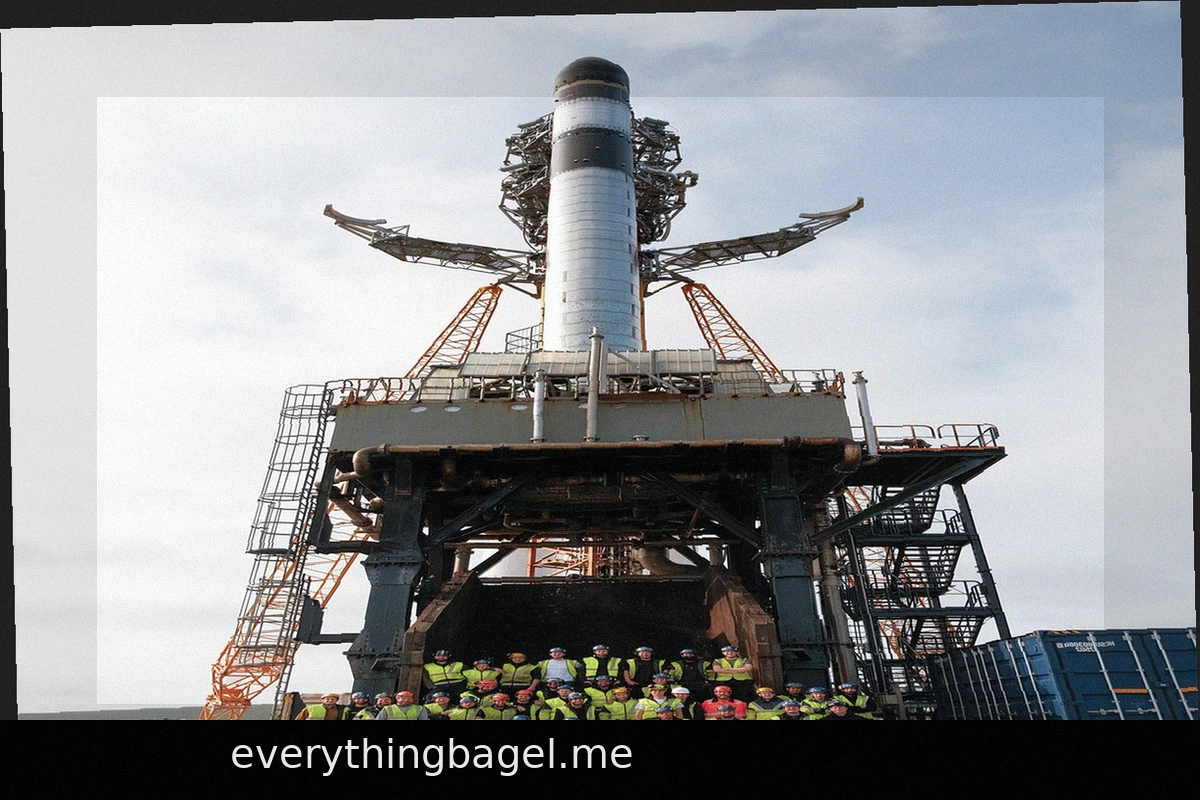
The British government has announced an investment of £30 million in the SaxaVord spaceport, located in the Shetland Islands, Scotland. A portion of this funding will be public, supplemented by an anticipated £30 million from private investors, totaling £60 million to complete the launch site'
European Reusable Rocket Demonstrator Themis Completes Wet Dress Rehearsal Test
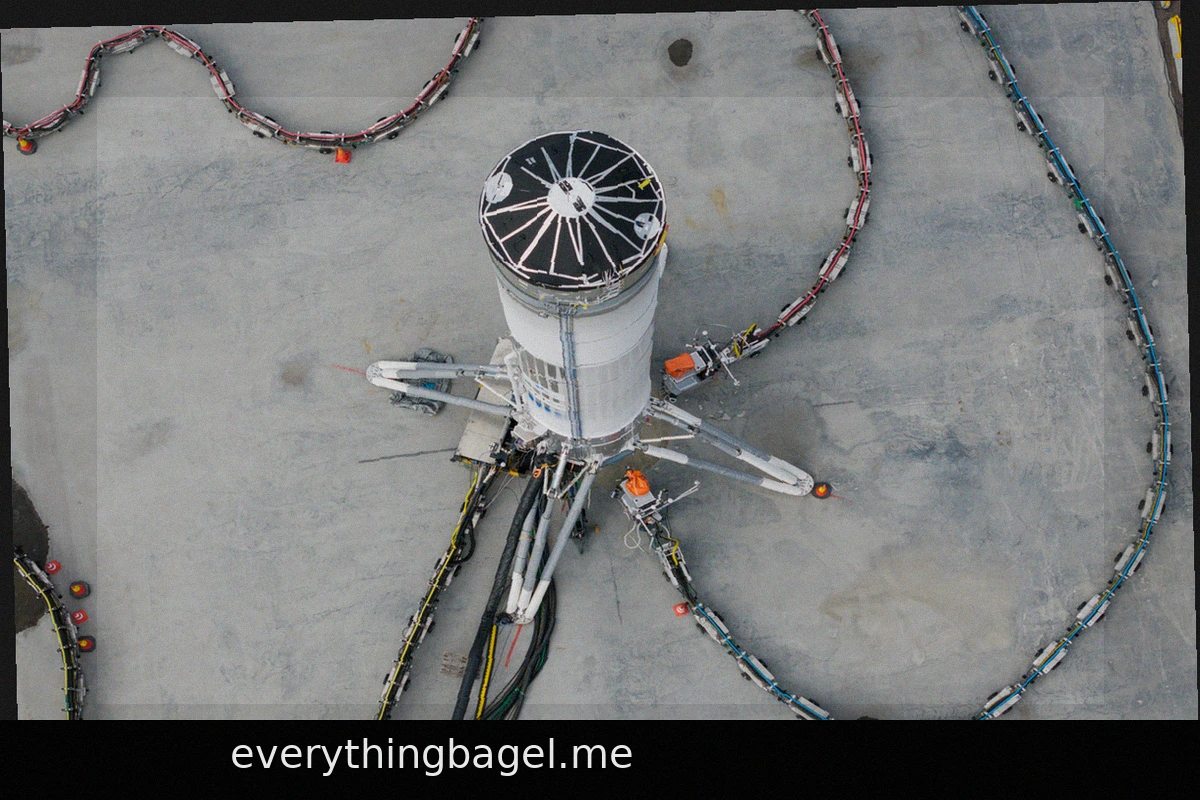
On July 23, 2026, the European demonstrator, Themis, successfully completed a wet dress rehearsal at the Esrange Space Center in northern Sweden. This test allowed teams from ArianeGroup and SSC Space (the company managing the Esrange spaceport) to simulate the full day's operational sequence
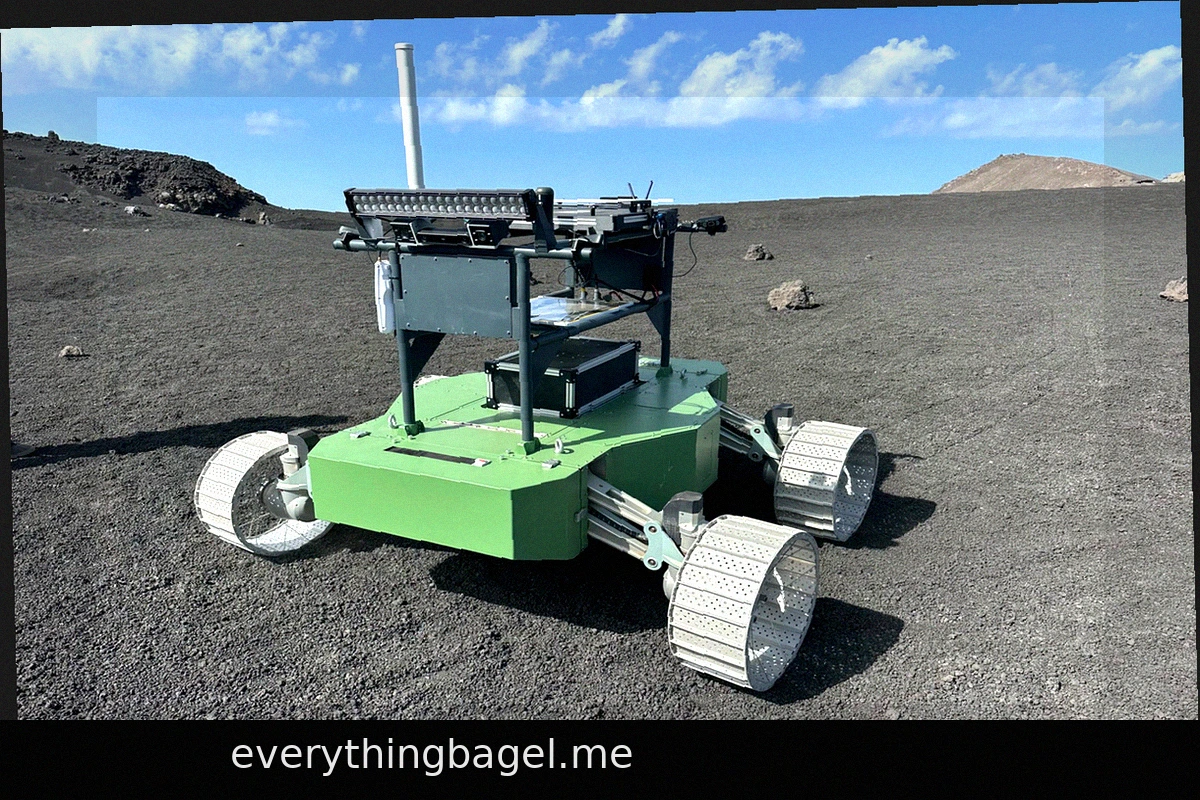
Italian Rover ETNA Completes Etna Tests for Future Lunar Missions
The testing campaign for the ETNA (Exploration Technology for Navigation & Autonomy) rover, developed as part of the Italian Space Agency (ASI) Universal Locomotion System program, has successfully concluded. For several weeks, the rover operated on the slopes of Mount Etna, tackling volcanic

Telespazio Inaugurates New Satellite Antenna in the Azores
Telespazio has unveiled a new S/X band satellite antenna on Santa Maria Island, located in the Portuguese archipelago of the Azores. This new infrastructure is a significant addition to the company's international ground station network and will be utilized for communications with low Earth or
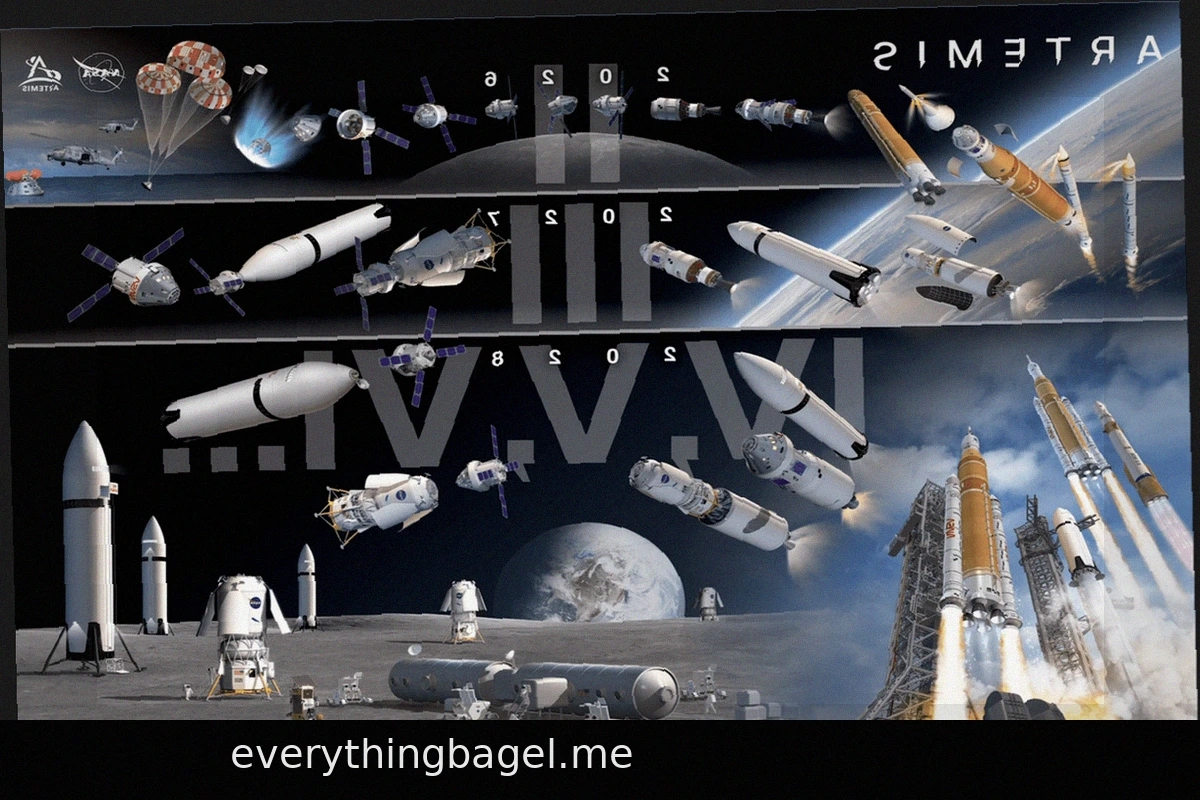
20 July 1969: The Apollo 11 Mission and the Moment That Changed the World
On July 20, 1969, the world paused to witness an event that would forever alter our perception of our place in space. The Apollo 11 mission's Eagle module, with Neil Armstrong and Buzz Aldrin aboard, landed on the Moon, marking a turning point in the history of human exploration. As the words
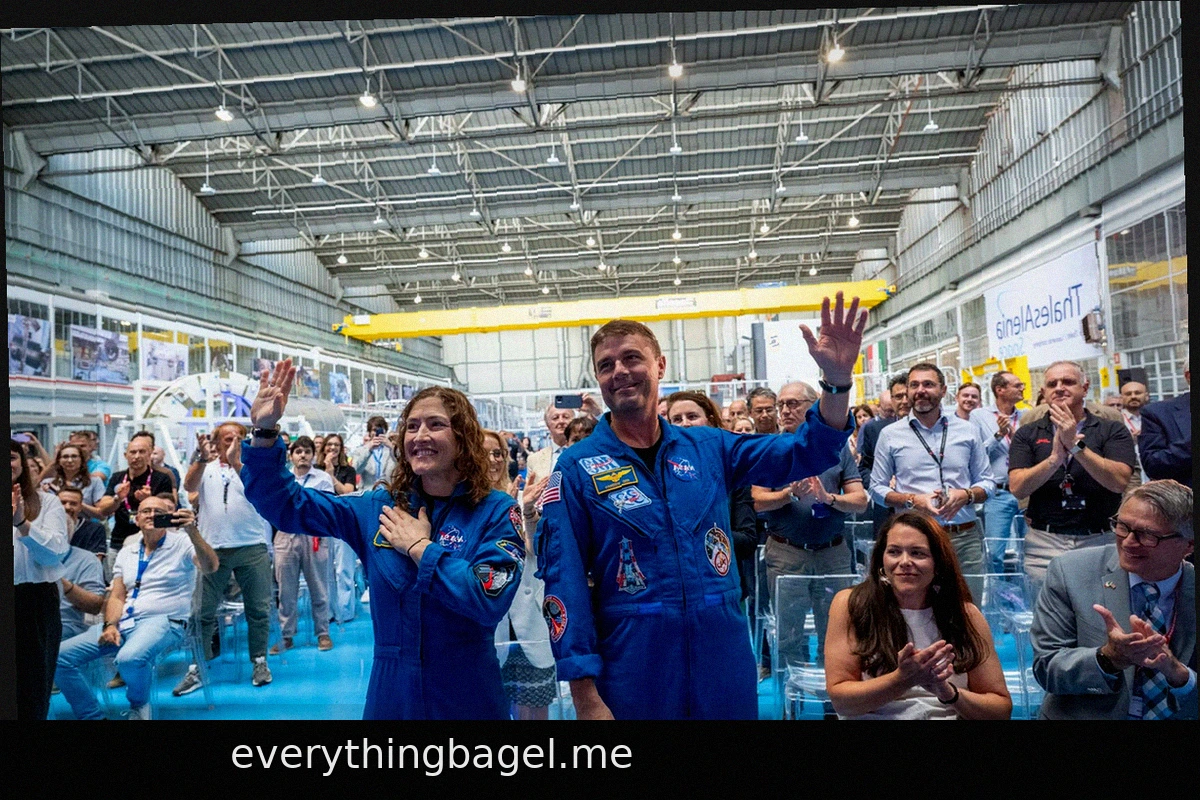
We Met Artemis Astronauts Reid Wiseman and Christina Koch
In April of this year, four individuals embarked on a journey to the Moon. This had not happened since 1972, when the Apollo 17 mission, the last of the previous lunar exploration program, was launched in December. Now, in 2026, we can finally say that the Artemis Program has begun, starting wi