Artemis II Launch Now Expected April 1st
NASA announced on March 12th the successful completion of the Flight Readiness Review (FRR) for Artemis II. This final verification process certified the readiness of the mission's systems and teams, with all lead personnel giving their "go." The Space Launch System (SLS) rocket will now be returned to the Kennedy Space Center launch pad for final preparations.
The rollout to Launch Complex 39B is scheduled for March 19th. The first launch opportunity is set for April 1st in Florida. The launch window will open at 22:22 UTC on April 1st, which will be 00:22 AM on April 2nd in Italy.
Crew Preparations
The mission's crew virtually participated in the FRR. NASA confirmed the astronauts are flight-ready, and their quarantine will commence on March 18th, exactly 14 days before launch. They will transfer to Kennedy Space Center on March 27th for final preparations before boarding Orion and SLS on April 1st.
Furthermore, NASA stated that a new Wet Dress Rehearsal (WDR) with the rocket on the pad is not planned. The vehicle will be fueled with propellants directly during the launch attempt.
During the review, a technical issue concerning the helium flow system was addressed. Engineers removed and analyzed a suspected component, revealing that a seal had obstructed the passage of helium through a quick disconnect. The problem was successfully replicated and precisely identified.
The component was modified by removing the problematic seal and reinforcing another, designed to be less prone to displacement or detachment. Program officials deem the adopted solution adequate and do not foresee the need to replace other seals in the hydrogen fueling system once the rocket is back on the pad.
Artemis II will be the first crewed mission of the Artemis program and marks humanity's return to cislunar space exploration after over fifty years since the Apollo missions. The Orion capsule will carry four astronauts into an orbit around the Moon, without landing, with the objective of testing the complete system under operational conditions before future crewed lunar missions.
Fresh materials — Science News
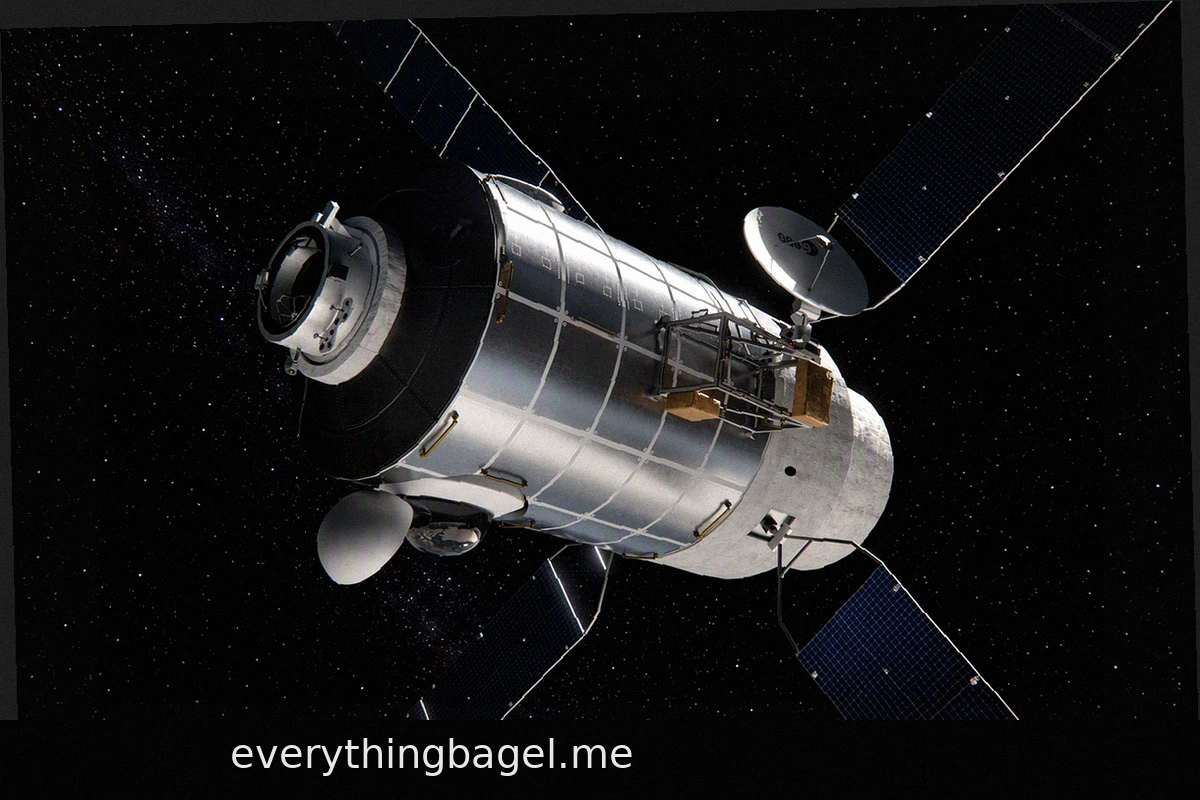
ESA Initiates European Space Station Feasibility Studies with Airbus and OHB
The European Space Agency (ESA) has commissioned parallel studies by Airbus Defence and Space and OHB to assess the feasibility of a future European-led space station in low Earth orbit. This initiative is part of ESA's preparations for the post-International Space Station (ISS) era. Currently
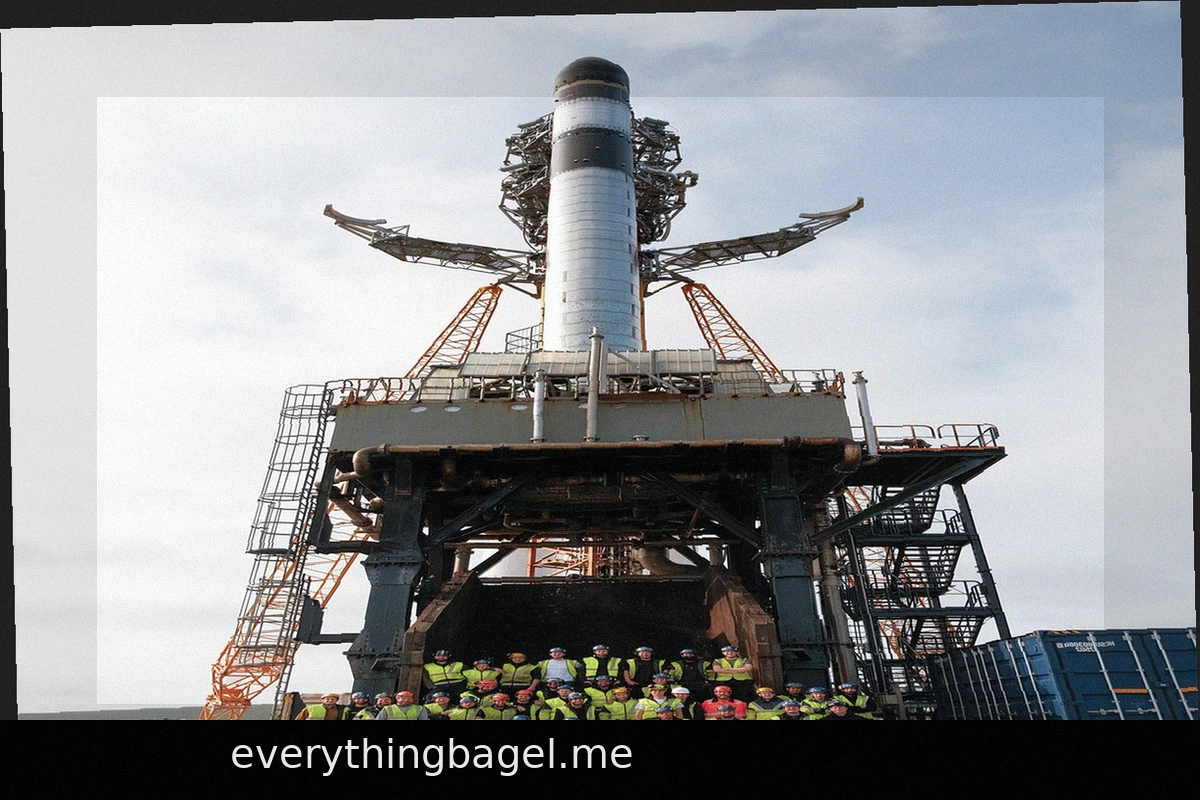
UK Invests £60 Million to Finalize SaxaVord Spaceport
The British government has announced an investment of £30 million in the SaxaVord spaceport, located in the Shetland Islands, Scotland. A portion of this funding will be public, supplemented by an anticipated £30 million from private investors, totaling £60 million to complete the launch site'
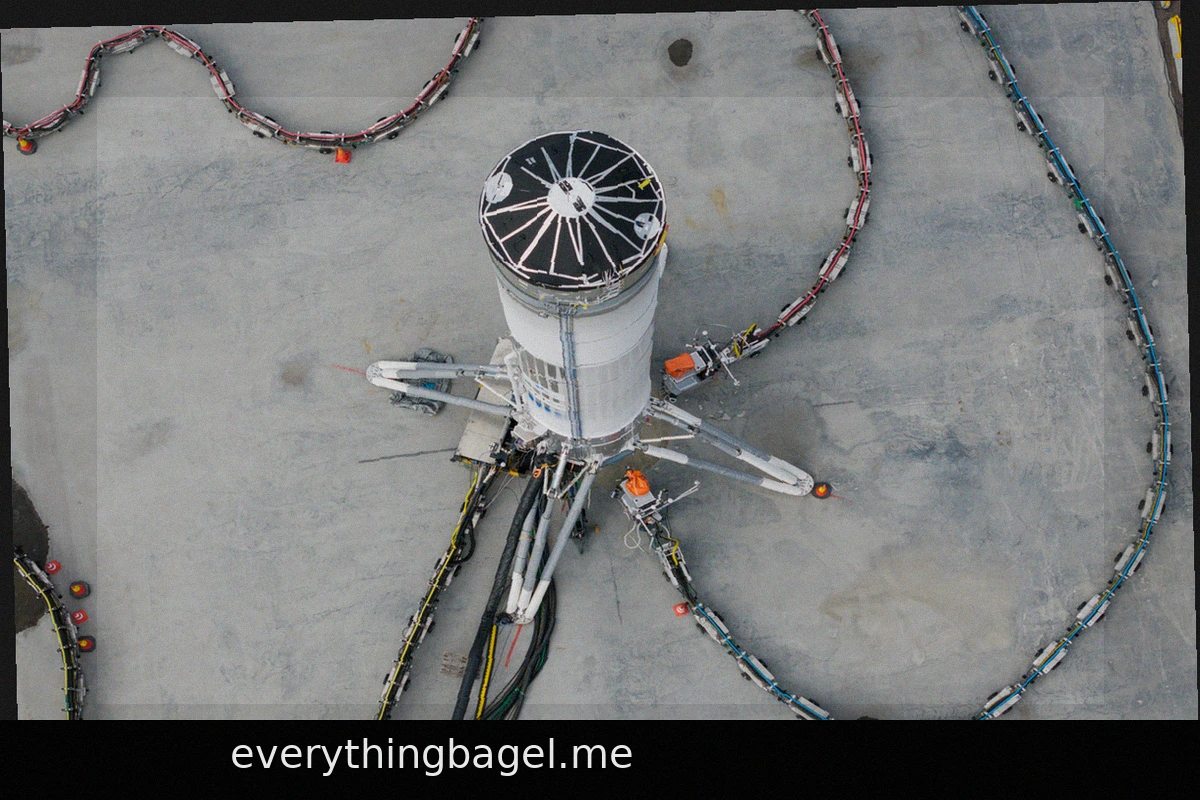
European Reusable Rocket Demonstrator Themis Completes Wet Dress Rehearsal Test
On July 23, 2026, the European demonstrator, Themis, successfully completed a wet dress rehearsal at the Esrange Space Center in northern Sweden. This test allowed teams from ArianeGroup and SSC Space (the company managing the Esrange spaceport) to simulate the full day's operational sequence
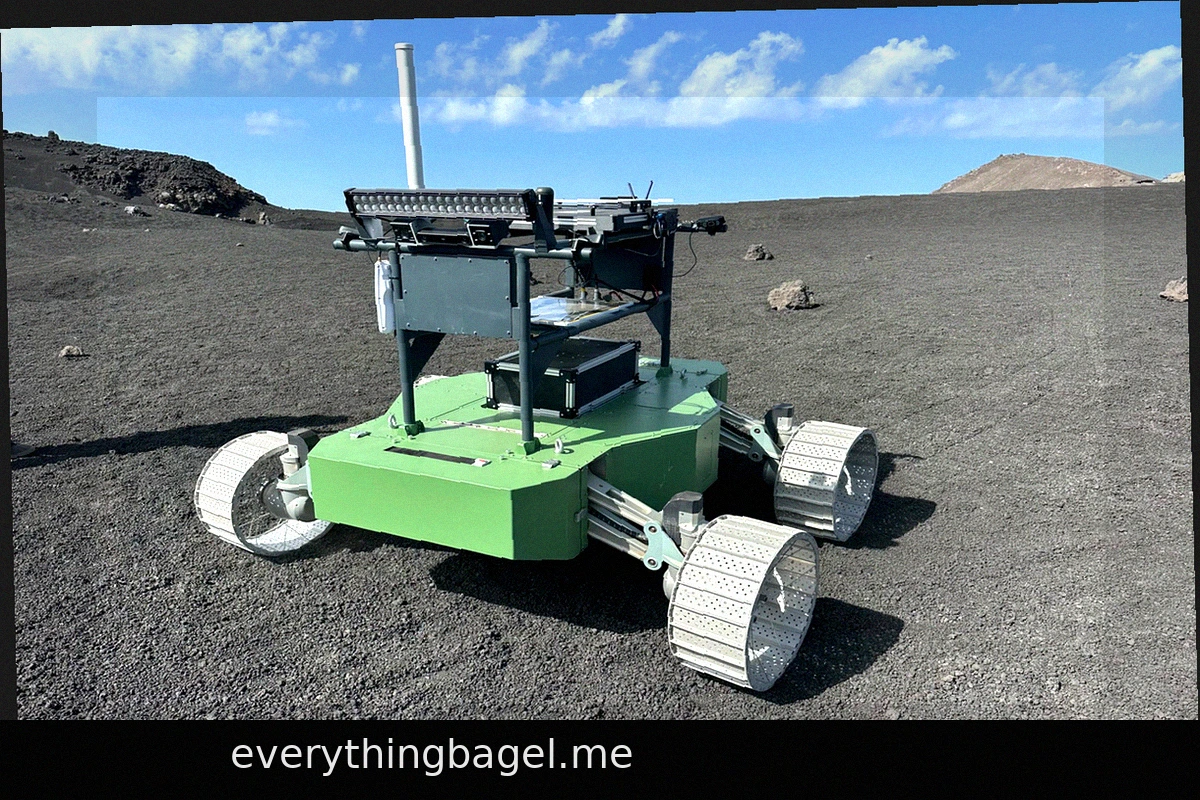
Italian Rover ETNA Completes Etna Tests for Future Lunar Missions
The testing campaign for the ETNA (Exploration Technology for Navigation & Autonomy) rover, developed as part of the Italian Space Agency (ASI) Universal Locomotion System program, has successfully concluded. For several weeks, the rover operated on the slopes of Mount Etna, tackling volcanic
Telespazio Inaugurates New Satellite Antenna in the Azores
Telespazio has unveiled a new S/X band satellite antenna on Santa Maria Island, located in the Portuguese archipelago of the Azores. This new infrastructure is a significant addition to the company's international ground station network and will be utilized for communications with low Earth or
20 July 1969: The Apollo 11 Mission and the Moment That Changed the World
On July 20, 1969, the world paused to witness an event that would forever alter our perception of our place in space. The Apollo 11 mission's Eagle module, with Neil Armstrong and Buzz Aldrin aboard, landed on the Moon, marking a turning point in the history of human exploration. As the words