Nancy Grace Roman Space Telescope Clears Final Pre-Launch Tests
NASA's Nancy Grace Roman Space Telescope has successfully completed its final pre-launch tests in recent weeks. These rigorous tests were designed to simulate the extreme conditions of liftoff and the harsh space environment. The primary objective was to ensure that all systems, both structural and electronic, can function correctly without sustaining any damage.
The tests took place at NASA's Goddard Space Flight Center, where the Roman telescope was built and integrated. They covered electromagnetic interference and conditions during launch. All results were positive in every phase, confirming that the telescope is ready for its upcoming operations in preparation for a launch no earlier than Fall 2026.
The Roman telescope is one of NASA's principal scientific projects, dedicated to studying the infrared universe and conducting large-scale analysis of cosmic structure. It is currently the only major space observatory the U.S. agency is actively developing.
Environmental and Launch Resilience Tests
The first test addressed electromagnetic interference: engineers powered up all the telescope's electronics to ensure that internally generated signals would not interfere with the scientific instruments. This is particularly crucial because Roman will be observing very faint infrared signals.
Another delicate aspect in preparing a space telescope is its ability to withstand launch conditions. During this phase, the vehicle is subjected to intense vibrations and significant acoustic stress. For this reason, the Roman team performed specific tests to verify the solidity of the structure and internal connections. The telescope was placed on a vibrating platform that simulated the frequencies and intensities generated by the rocket during ascent.
Additionally, an acoustic test was conducted in a special chamber, where sound levels reached approximately 138 decibels. This is an extremely high value, comparable to the noise produced by a jet engine at close range. These sound waves can exert significant pressure on the telescope's surfaces, thoroughly testing its panels, instruments, and support systems.
During every movement between the different test facilities, Roman was kept inside a portable clean room. This measure prevented dust or particles from settling on the optical instruments, which could compromise future observations.
Next Steps Towards Launch
Now, having completed the main tests, the telescope will return to a large clean room for a series of final verifications. Among these is a test simulating the mechanical shock that occurs shortly after launch, when the telescope separates from the rocket. This event produces a brief but intense stress that must be absorbed without consequences for the structure and instruments.
Another important phase will be the deployment of movable components. During launch, some parts of the telescope remain folded to occupy less space and for protection. Once in space, these elements, including solar panels, the antenna, and protective shields, must deploy correctly. Ground tests are specifically designed to verify that these mechanisms function properly even after being subjected to vibrations and stress.
In the coming months, Roman will be transferred to the Kennedy Space Center in Florida. Here, final pre-launch preparations will begin, including new checks to ensure the telescope arrived without damage. The launch will take place aboard a SpaceX Falcon Heavy. If all proceeds as planned, the telescope will be ready for departure in Fall 2026.
Fresh materials — Science News
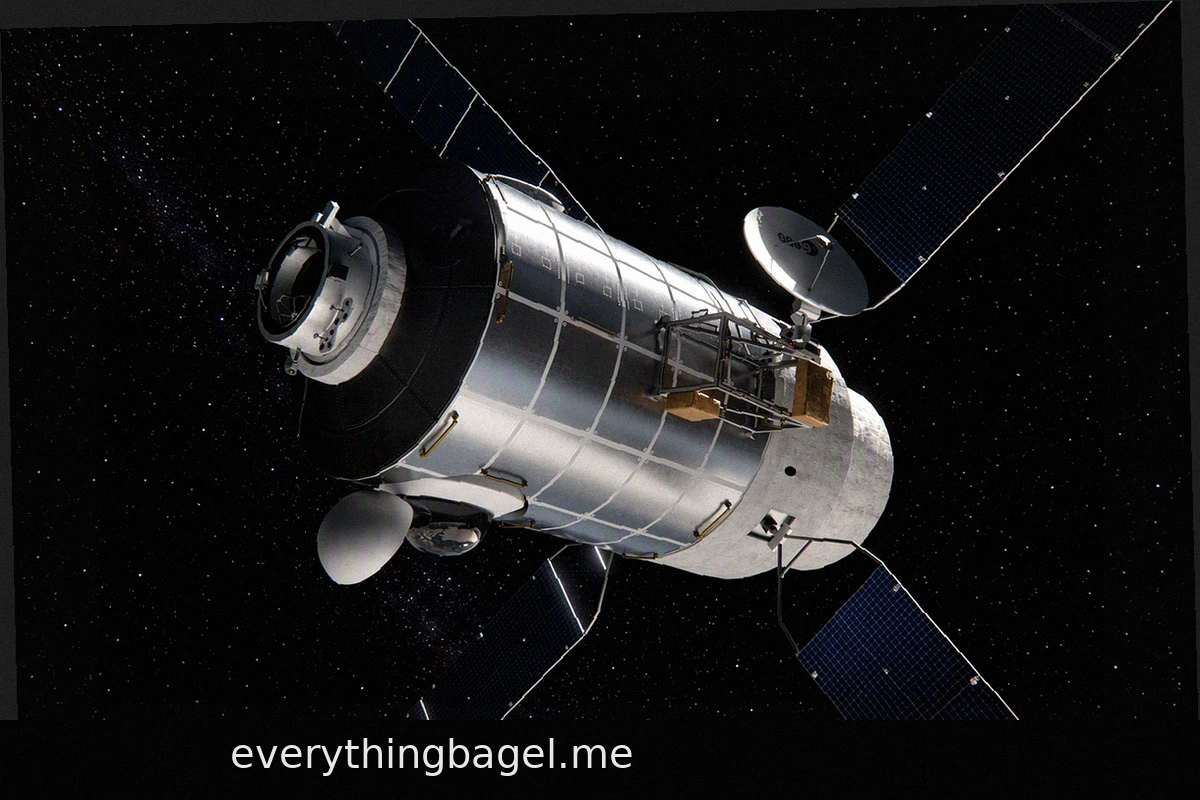
ESA Initiates European Space Station Feasibility Studies with Airbus and OHB
The European Space Agency (ESA) has commissioned parallel studies by Airbus Defence and Space and OHB to assess the feasibility of a future European-led space station in low Earth orbit. This initiative is part of ESA's preparations for the post-International Space Station (ISS) era. Currently
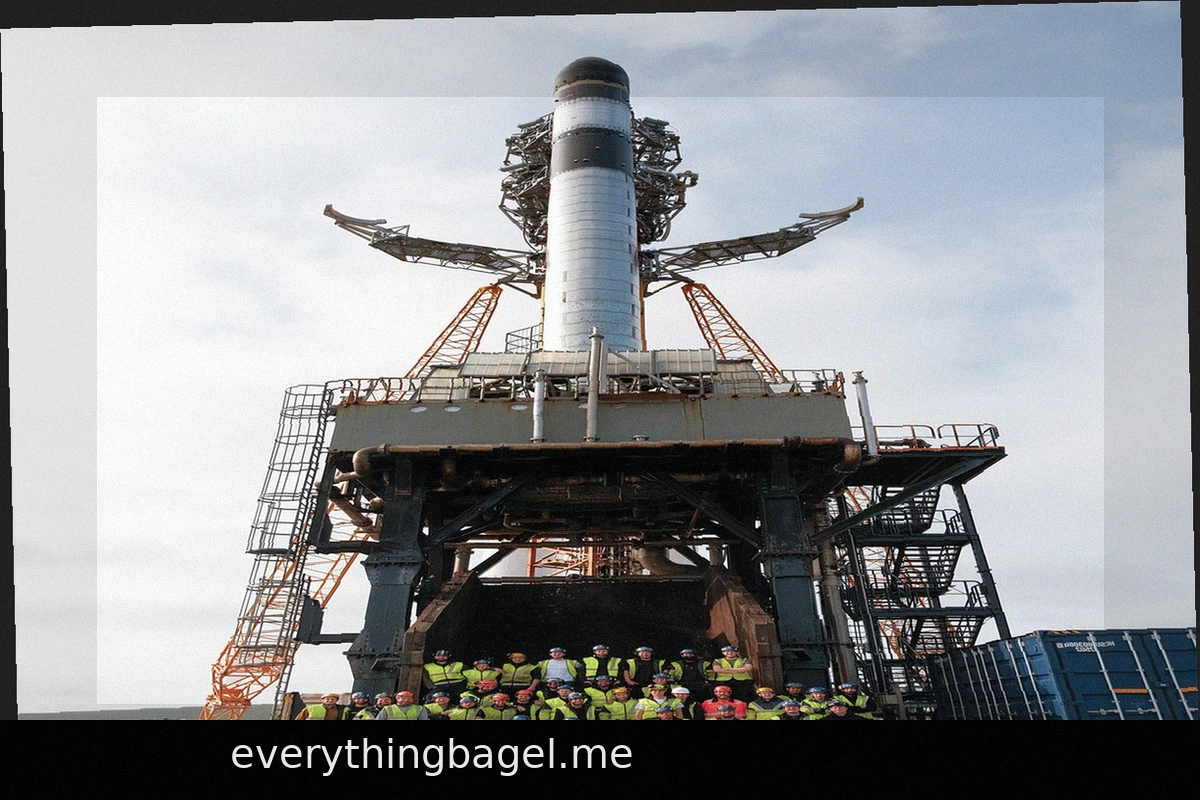
UK Invests £60 Million to Finalize SaxaVord Spaceport
The British government has announced an investment of £30 million in the SaxaVord spaceport, located in the Shetland Islands, Scotland. A portion of this funding will be public, supplemented by an anticipated £30 million from private investors, totaling £60 million to complete the launch site'
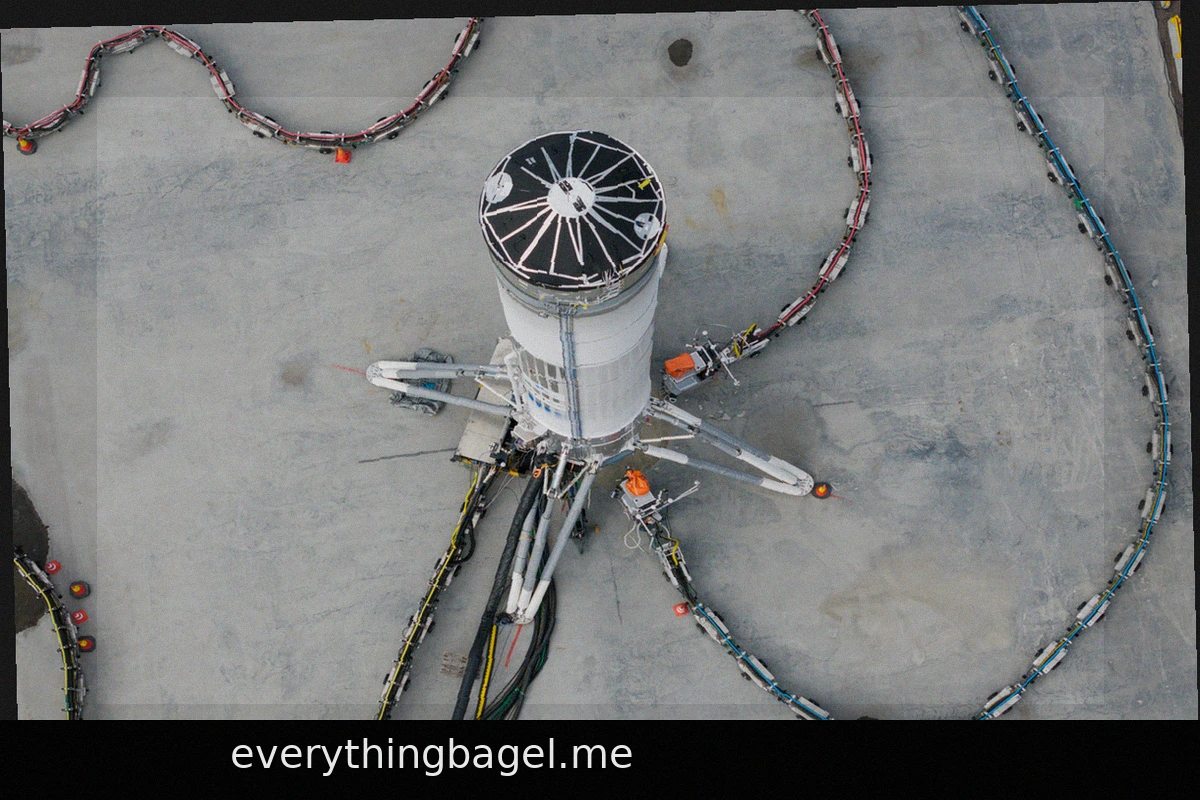
European Reusable Rocket Demonstrator Themis Completes Wet Dress Rehearsal Test
On July 23, 2026, the European demonstrator, Themis, successfully completed a wet dress rehearsal at the Esrange Space Center in northern Sweden. This test allowed teams from ArianeGroup and SSC Space (the company managing the Esrange spaceport) to simulate the full day's operational sequence
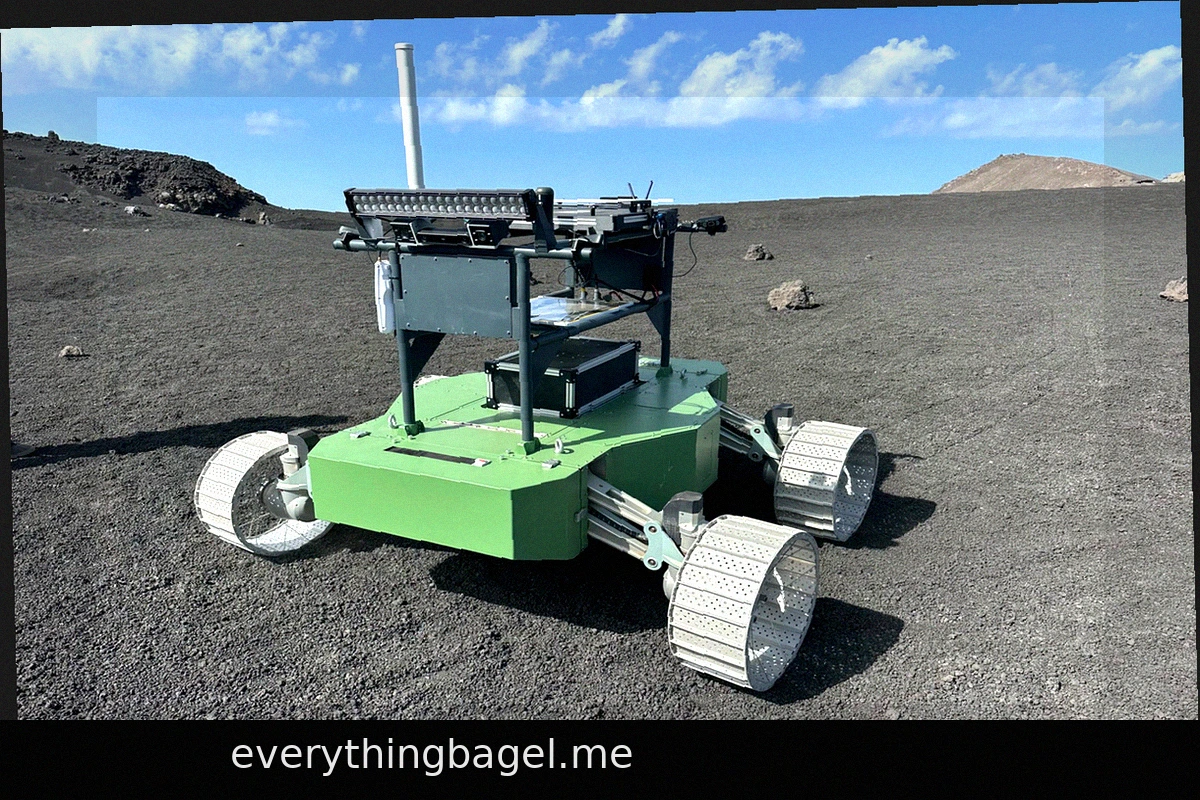
Italian Rover ETNA Completes Etna Tests for Future Lunar Missions
The testing campaign for the ETNA (Exploration Technology for Navigation & Autonomy) rover, developed as part of the Italian Space Agency (ASI) Universal Locomotion System program, has successfully concluded. For several weeks, the rover operated on the slopes of Mount Etna, tackling volcanic
Telespazio Inaugurates New Satellite Antenna in the Azores
Telespazio has unveiled a new S/X band satellite antenna on Santa Maria Island, located in the Portuguese archipelago of the Azores. This new infrastructure is a significant addition to the company's international ground station network and will be utilized for communications with low Earth or
20 July 1969: The Apollo 11 Mission and the Moment That Changed the World
On July 20, 1969, the world paused to witness an event that would forever alter our perception of our place in space. The Apollo 11 mission's Eagle module, with Neil Armstrong and Buzz Aldrin aboard, landed on the Moon, marking a turning point in the history of human exploration. As the words