Satellogic Unveils Merlin: Daily Global Earth Observation with 1-Meter Resolution
Satellogic (NASDAQ: SATL) has announced Merlin, a revolutionary new Earth observation satellite constellation designed to map the entire planet daily with a one-meter resolution. This initiative aims to overcome a long-standing limitation in the industry, where satellite systems typically had to choose between frequent global coverage at lower resolutions or highly detailed imagery limited to specific areas.
Merlin is engineered to merge these two crucial capabilities, offering both daily global coverage and a level of detail precise enough to identify human activities and changes across territories. The first satellite in the constellation is slated for launch in October 2026, with full operational capability expected to be achieved in the first half of 2027.
Merlin will be seamlessly integrated with Aleph Observer, Satellogic's existing continuous monitoring system. This integration will significantly expand its capabilities, enabling the simultaneous oversight of millions of points across the Earth's surface.
Continuous Monitoring and Novel Applications
Satellogic states that this constellation is set to transform the way satellite data is utilized. The system is designed to provide constant, up-to-date coverage of the entire planet, shifting the paradigm from periodic observations to a continuous, real-time awareness of ground-level activities.
This advanced capability is also facilitated by on-board processing powered by artificial intelligence, which meticulously analyzes every pixel to identify objects, activities, and changes in real time. The constellation will operate across ten spectral bands, aligning with those used by Sentinel-2 satellites, and will be capable of rapidly issuing alerts when significant events are detected.
In military and defense contexts, this translates to the ability to monitor infrastructures, vehicle movements, or operational activities with unprecedented speed. Civilian applications, on the other hand, include environmental control, agricultural management, and the monitoring of critical infrastructures and energy networks. Customers will have the option to subscribe to the service for continuous mapping and observation of specific zones, moving beyond the traditional model of acquiring individual images for subsequent processing.
Fresh materials — Science News
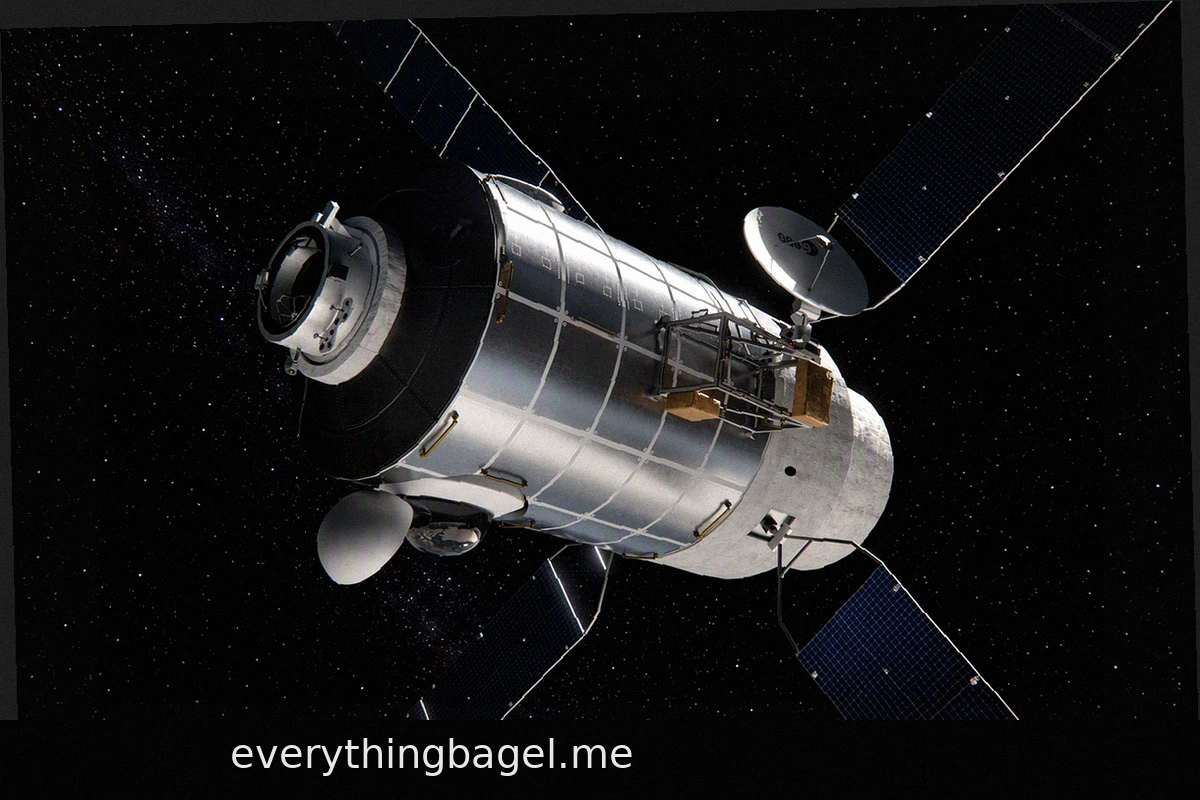
ESA Initiates European Space Station Feasibility Studies with Airbus and OHB
The European Space Agency (ESA) has commissioned parallel studies by Airbus Defence and Space and OHB to assess the feasibility of a future European-led space station in low Earth orbit. This initiative is part of ESA's preparations for the post-International Space Station (ISS) era. Currently
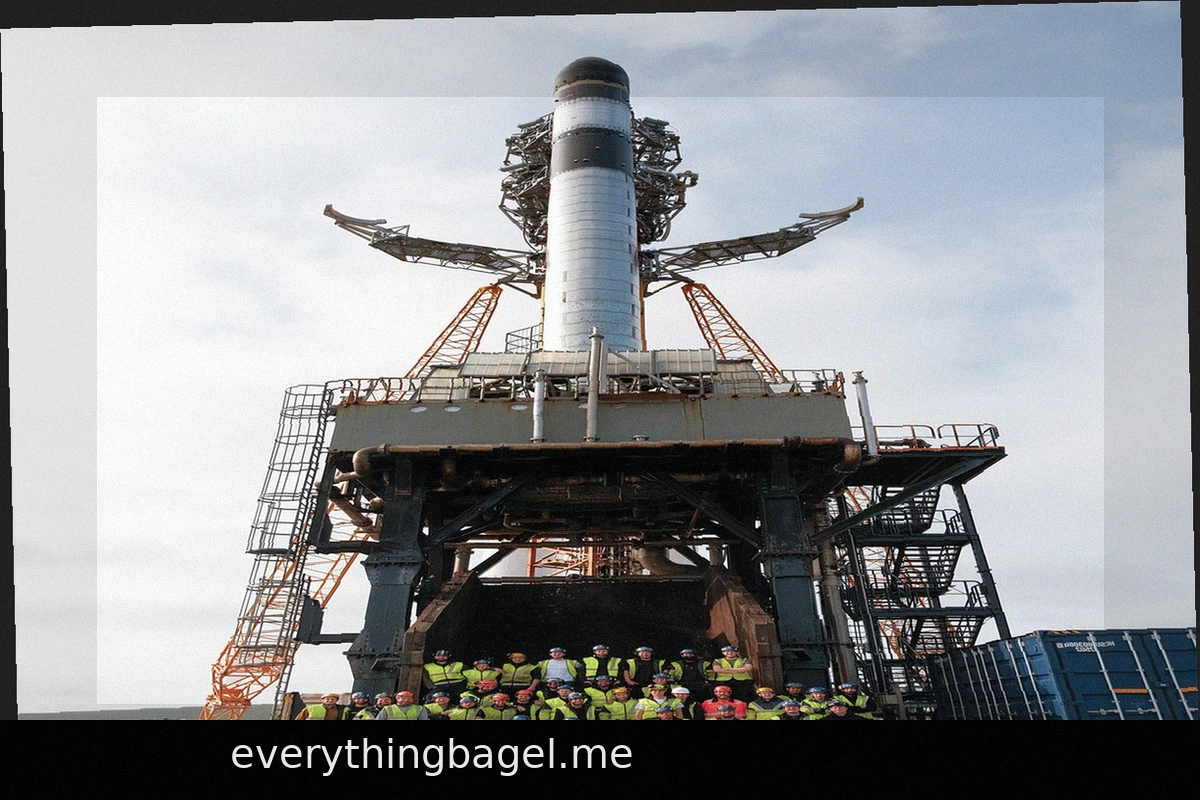
UK Invests £60 Million to Finalize SaxaVord Spaceport
The British government has announced an investment of £30 million in the SaxaVord spaceport, located in the Shetland Islands, Scotland. A portion of this funding will be public, supplemented by an anticipated £30 million from private investors, totaling £60 million to complete the launch site'
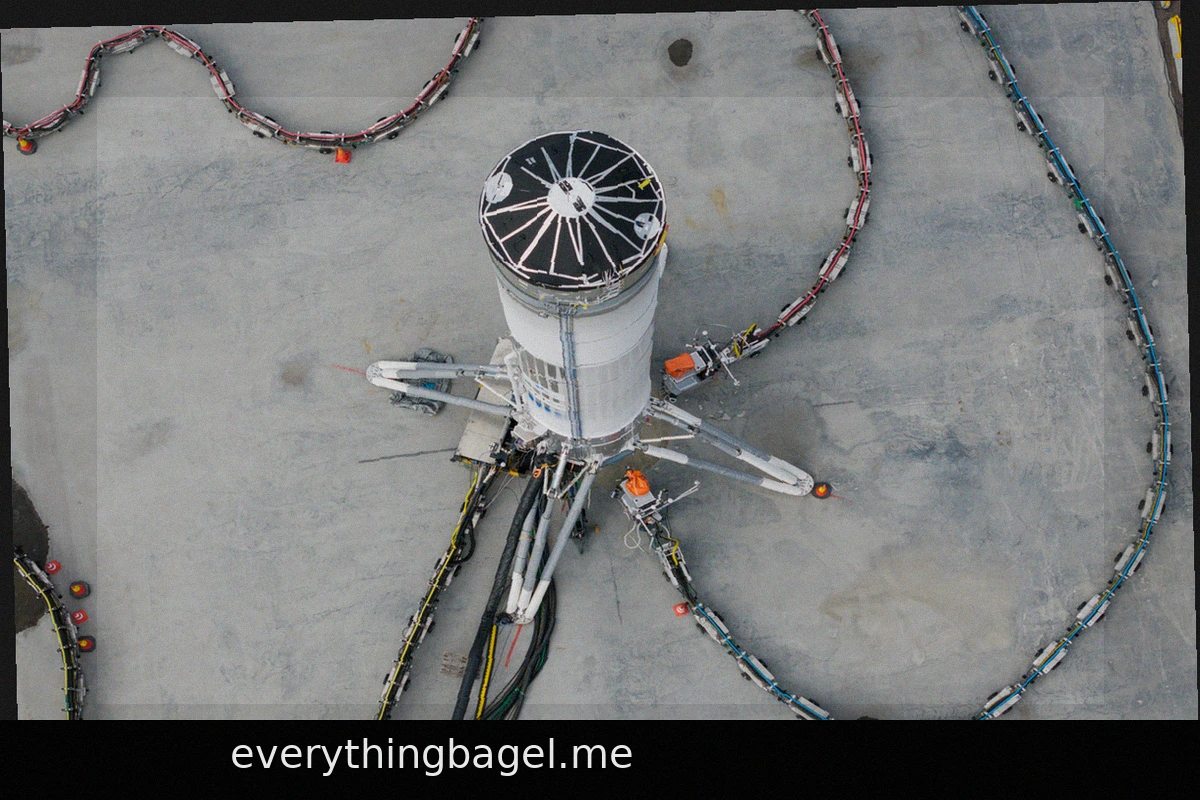
European Reusable Rocket Demonstrator Themis Completes Wet Dress Rehearsal Test
On July 23, 2026, the European demonstrator, Themis, successfully completed a wet dress rehearsal at the Esrange Space Center in northern Sweden. This test allowed teams from ArianeGroup and SSC Space (the company managing the Esrange spaceport) to simulate the full day's operational sequence
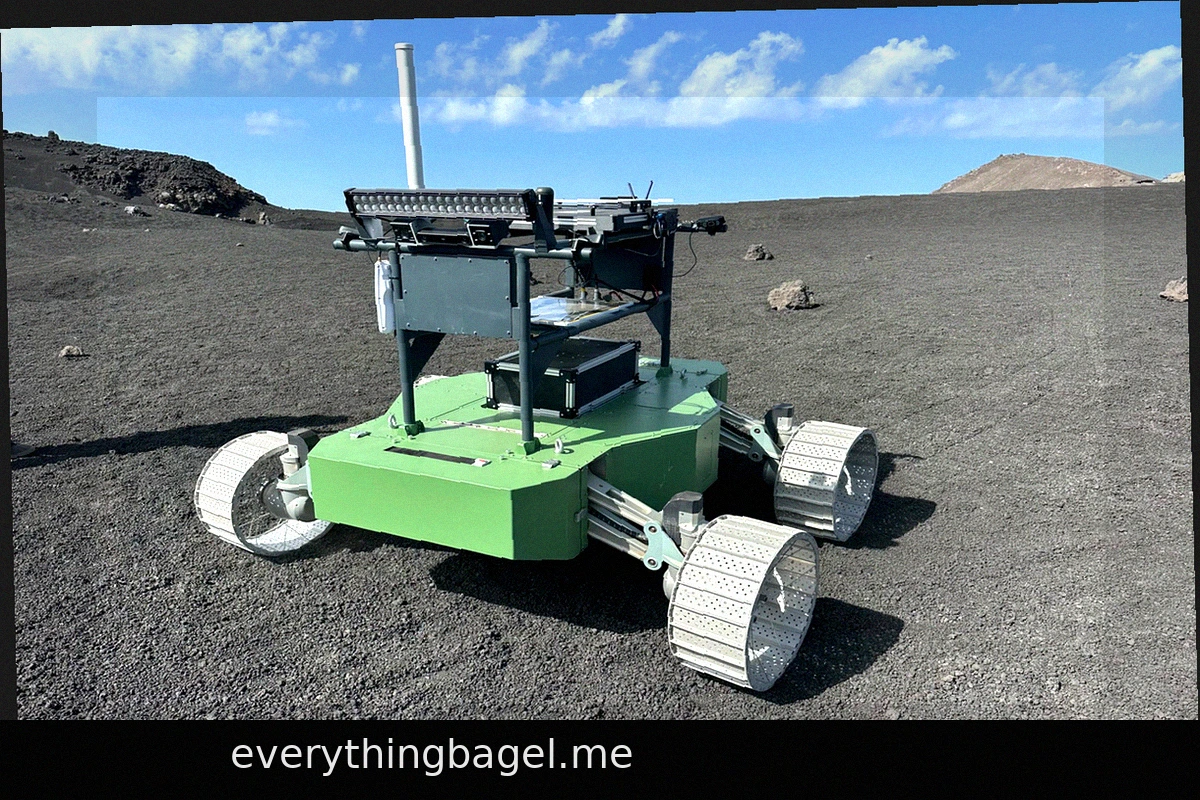
Italian Rover ETNA Completes Etna Tests for Future Lunar Missions
The testing campaign for the ETNA (Exploration Technology for Navigation & Autonomy) rover, developed as part of the Italian Space Agency (ASI) Universal Locomotion System program, has successfully concluded. For several weeks, the rover operated on the slopes of Mount Etna, tackling volcanic
Telespazio Inaugurates New Satellite Antenna in the Azores
Telespazio has unveiled a new S/X band satellite antenna on Santa Maria Island, located in the Portuguese archipelago of the Azores. This new infrastructure is a significant addition to the company's international ground station network and will be utilized for communications with low Earth or
20 July 1969: The Apollo 11 Mission and the Moment That Changed the World
On July 20, 1969, the world paused to witness an event that would forever alter our perception of our place in space. The Apollo 11 mission's Eagle module, with Neil Armstrong and Buzz Aldrin aboard, landed on the Moon, marking a turning point in the history of human exploration. As the words