Vega-C Set for First 2026 Launch on April 9, Carrying ESA/China SMILE Mission
Avio has announced that the joint European Space Agency (ESA) and Chinese Academy of Sciences (CAS) SMILE mission will launch aboard the Vega-C rocket on April 9, 2026. The liftoff is scheduled for 03:29 local time (08:29 Italian time) from Europe's Spaceport in Kourou, French Guiana.
This mission will be the first Vega-C launch of 2026 and marks the first fully managed launch by Avio. The Italian company, which builds the Vega-C launcher, has now taken full commercial responsibility for the rocket, a role previously held by Arianespace. This transition was formalized on July 11, 2025, with the signing of the Launcher Exploitation Declaration (LED), establishing Avio as the sole provider of launch services for the Vega family.
The flight, designated VV29, is expected to last approximately 57 minutes and will be the seventh overall for Vega-C. It also represents the second ESA scientific mission to utilize this launcher. The SMILE satellite, weighing about 2250 kg, will initially be deployed into a circular orbit at an altitude of 700 km. From there, it will embark on its journey towards a highly elongated and inclined orbit, reaching an apogee of 121,000 km and a perigee of 5,000 km.
What is the SMILE Mission?
The SMILE (Solar wind Magnetosphere Ionosphere Link Explorer) mission aims to enhance our understanding of how the solar wind—a constant flow of particles emitted by the Sun—interacts with Earth's magnetosphere, the region dominated by our planet's magnetic field. This interaction is crucial as it can significantly impact satellites, communications, and other technological systems.

To study these phenomena, SMILE will observe both the outermost regions of the magnetosphere and the local environment around the satellite. Its carefully chosen orbit allows for a wide view of the interaction zones by venturing far from Earth.
The mission will utilize four scientific instruments to collect data and images, aiming to connect large-scale occurrences with direct measurements in near-Earth space. This integrated approach will help scientists better understand how energy from the Sun is transferred to our planet and how its effects propagate through to the ionosphere.
Ultimately, SMILE is a vital mission dedicated to the study of "space weather"—the conditions in the space environment surrounding Earth. The data gathered will contribute to refining models that describe these phenomena, thereby improving our comprehension of the link between solar activity and the terrestrial environment.
Fresh materials — Science News
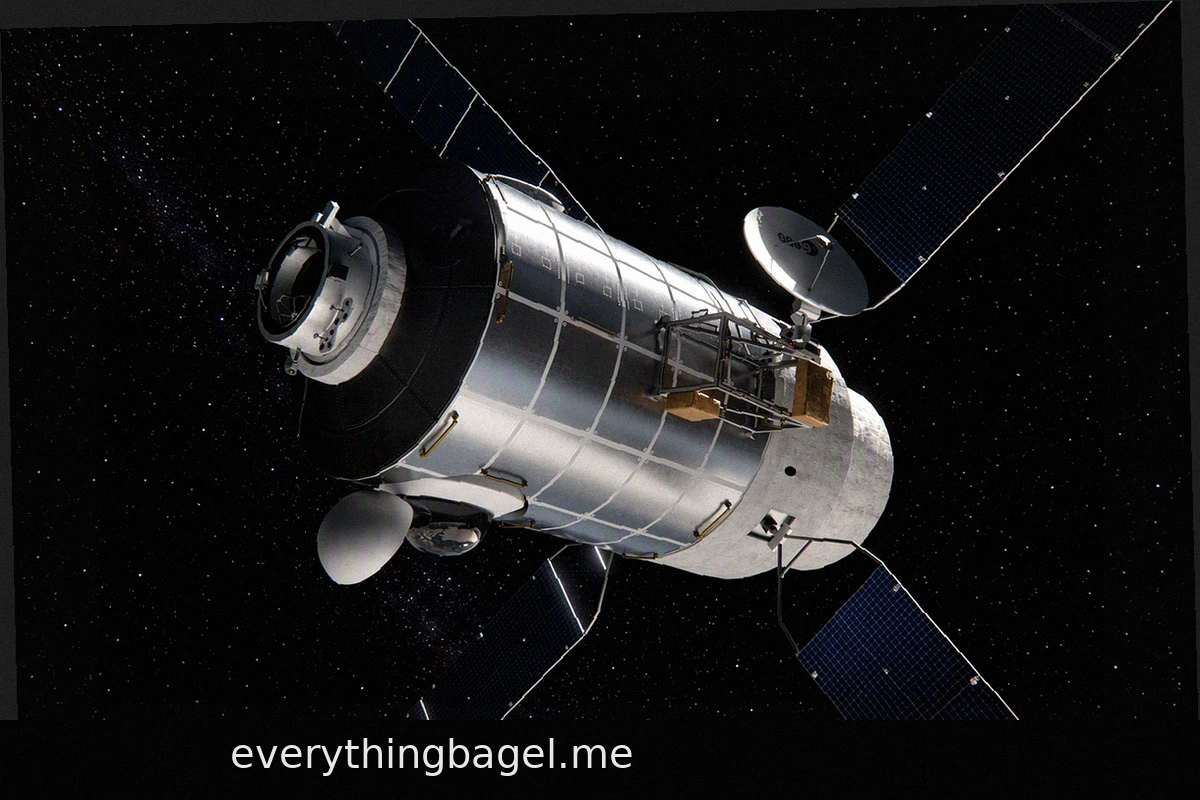
ESA Initiates European Space Station Feasibility Studies with Airbus and OHB
The European Space Agency (ESA) has commissioned parallel studies by Airbus Defence and Space and OHB to assess the feasibility of a future European-led space station in low Earth orbit. This initiative is part of ESA's preparations for the post-International Space Station (ISS) era. Currently
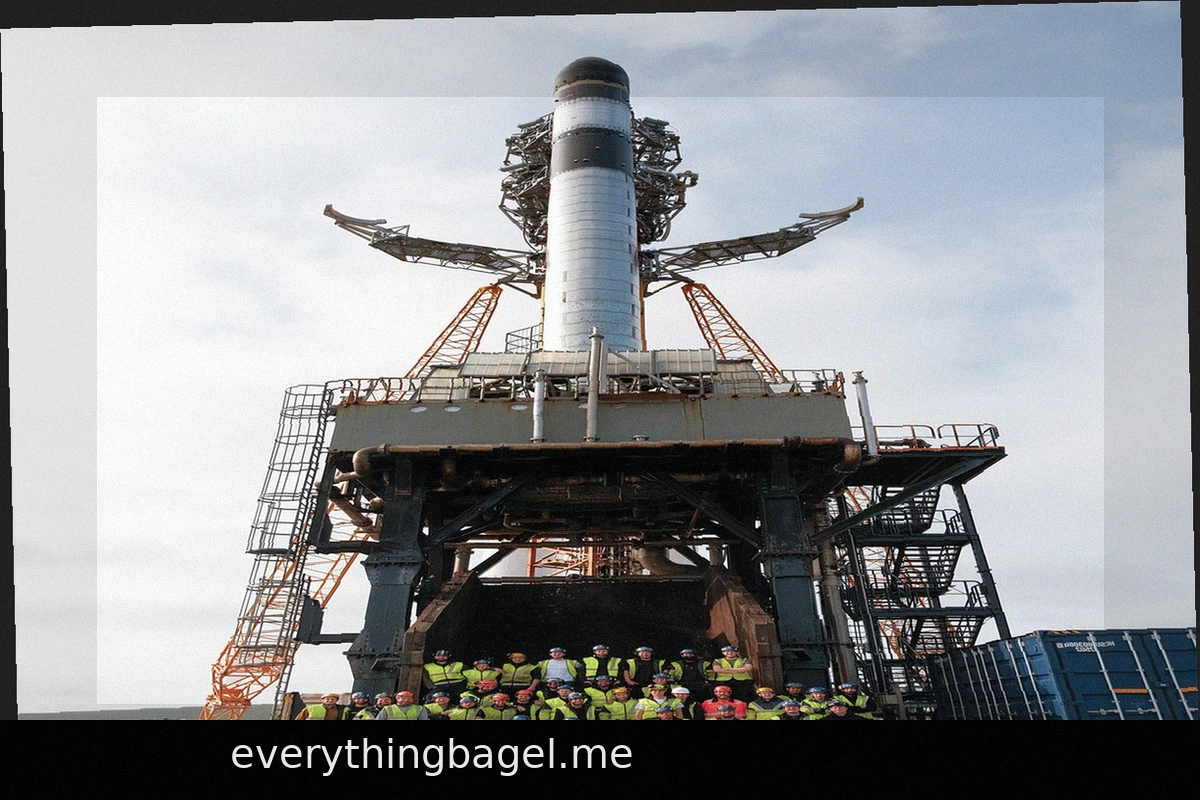
UK Invests £60 Million to Finalize SaxaVord Spaceport
The British government has announced an investment of £30 million in the SaxaVord spaceport, located in the Shetland Islands, Scotland. A portion of this funding will be public, supplemented by an anticipated £30 million from private investors, totaling £60 million to complete the launch site'
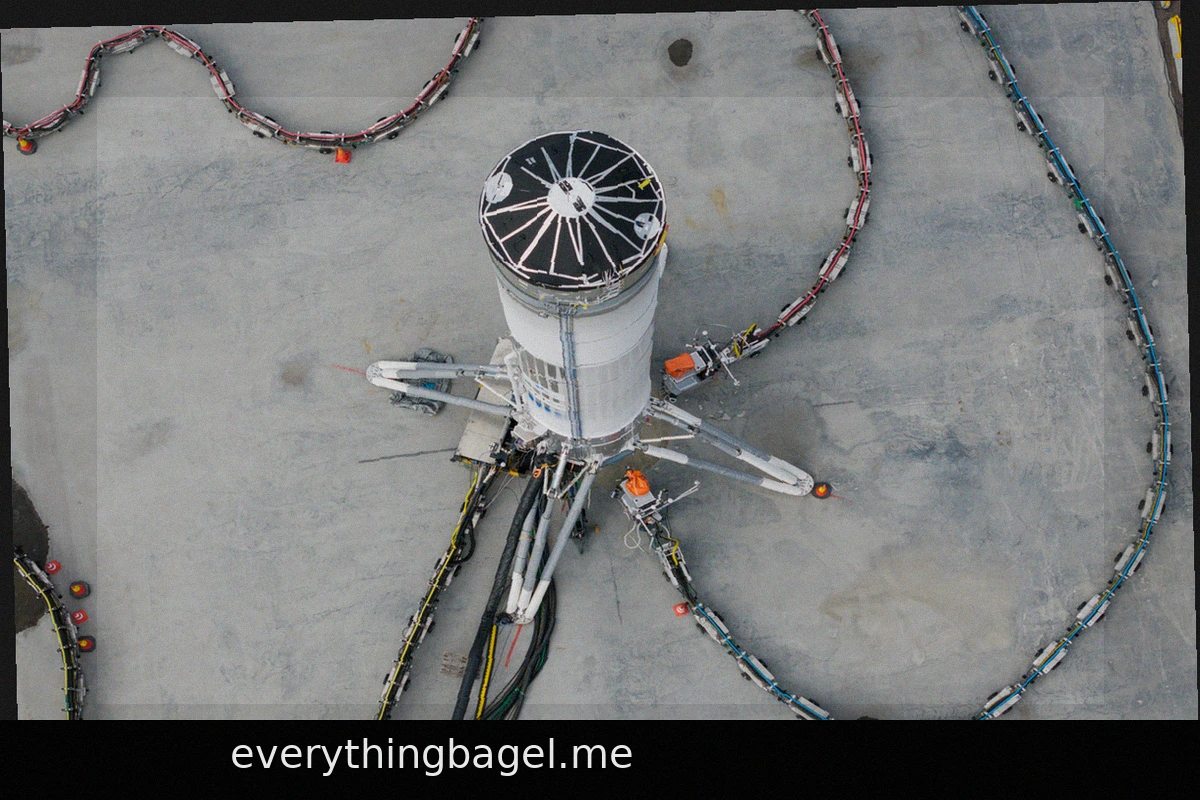
European Reusable Rocket Demonstrator Themis Completes Wet Dress Rehearsal Test
On July 23, 2026, the European demonstrator, Themis, successfully completed a wet dress rehearsal at the Esrange Space Center in northern Sweden. This test allowed teams from ArianeGroup and SSC Space (the company managing the Esrange spaceport) to simulate the full day's operational sequence
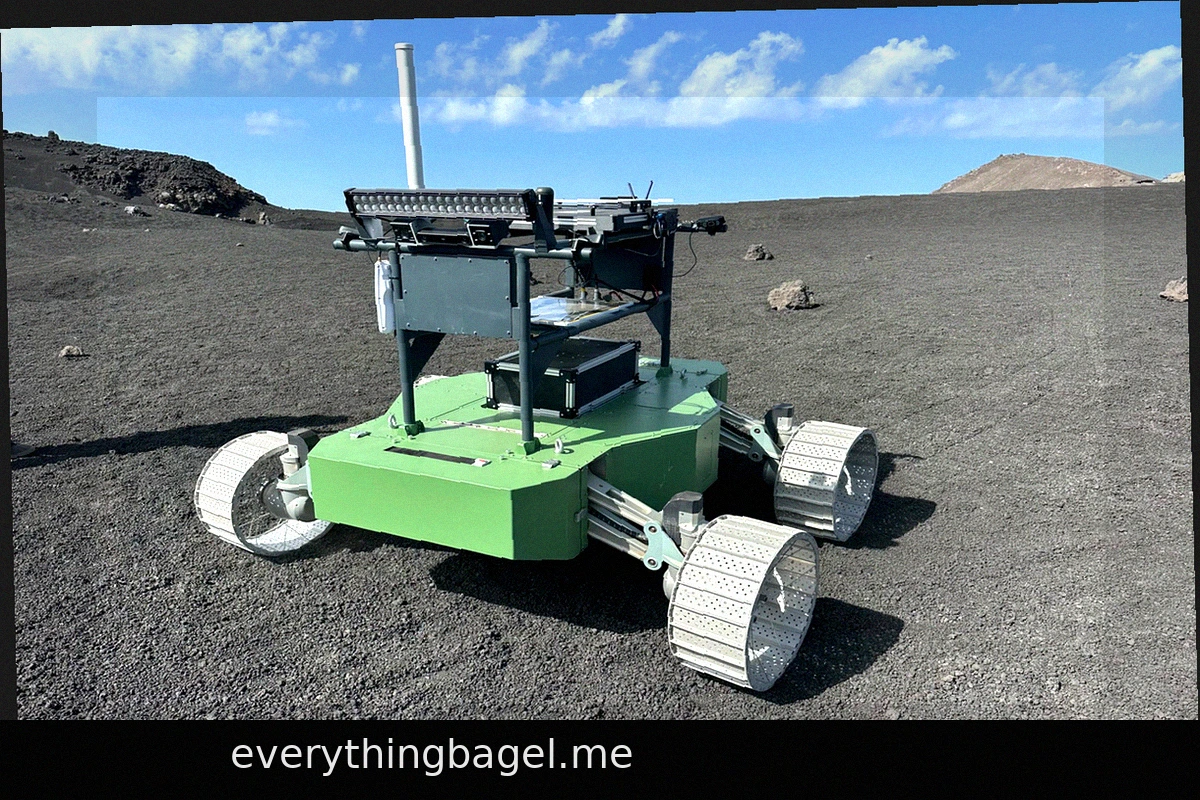
Italian Rover ETNA Completes Etna Tests for Future Lunar Missions
The testing campaign for the ETNA (Exploration Technology for Navigation & Autonomy) rover, developed as part of the Italian Space Agency (ASI) Universal Locomotion System program, has successfully concluded. For several weeks, the rover operated on the slopes of Mount Etna, tackling volcanic
Telespazio Inaugurates New Satellite Antenna in the Azores
Telespazio has unveiled a new S/X band satellite antenna on Santa Maria Island, located in the Portuguese archipelago of the Azores. This new infrastructure is a significant addition to the company's international ground station network and will be utilized for communications with low Earth or
20 July 1969: The Apollo 11 Mission and the Moment That Changed the World
On July 20, 1969, the world paused to witness an event that would forever alter our perception of our place in space. The Apollo 11 mission's Eagle module, with Neil Armstrong and Buzz Aldrin aboard, landed on the Moon, marking a turning point in the history of human exploration. As the words